As you delve into the intricate relationship between the ocean and the atmosphere, you may find yourself confronted with the pressing issue of ocean acidification. This phenomenon, primarily driven by the absorption of excess carbon dioxide (CO2) from the atmosphere, is altering the chemical composition of seawater. The oceans, which act as a significant carbon sink, absorb approximately a quarter of the CO2 emissions produced by human activities.
This process leads to a decrease in pH levels, making the water more acidic. The implications of this change are profound, not only for marine life but also for the oxygen production that is vital for life on Earth. You might be surprised to learn that the oceans are responsible for producing about 50% of the oxygen we breathe.
This essential oxygen is generated through various processes, with phytoplankton playing a pivotal role. These microscopic organisms, often overlooked, are the unsung heroes of our planet’s oxygen supply. As you explore the connection between ocean health and atmospheric conditions, it becomes clear that understanding ocean acidification is crucial for grasping the broader implications for life on Earth.
Key Takeaways
- Ocean acidification is a result of increased carbon dioxide levels in the atmosphere, leading to decreased pH levels in the ocean.
- Phytoplankton play a crucial role in oxygen production through photosynthesis, contributing to over half of the world’s oxygen supply.
- Ocean acidification can negatively impact phytoplankton growth and productivity, affecting the overall oxygen production in the ocean.
- Reduced oxygen production can lead to harmful effects on marine life, including disruptions in food chains and ecosystem balance.
- Addressing ocean acidification is crucial for preserving marine biodiversity and ecosystem health, requiring international collaboration and urgent action.
The Role of Phytoplankton in Oxygen Production
Phytoplankton are not just tiny organisms; they are the foundation of the marine food web and a critical component of global oxygen production. These microscopic plants harness sunlight through photosynthesis, converting carbon dioxide and nutrients into organic matter while releasing oxygen as a byproduct. As you consider their role in the ecosystem, it becomes evident that phytoplankton are not only vital for marine life but also for terrestrial organisms, including humans.
In fact, the sheer abundance of phytoplankton in the world’s oceans is staggering. It is estimated that a mere handful of these organisms can produce enough oxygen to sustain entire populations. Their ability to thrive in diverse marine environments—from coastal waters to the open ocean—demonstrates their adaptability and resilience.
However, as you will discover, these remarkable organisms face significant challenges due to changing ocean conditions, particularly as ocean acidification progresses.
The Impact of Ocean Acidification on Phytoplankton
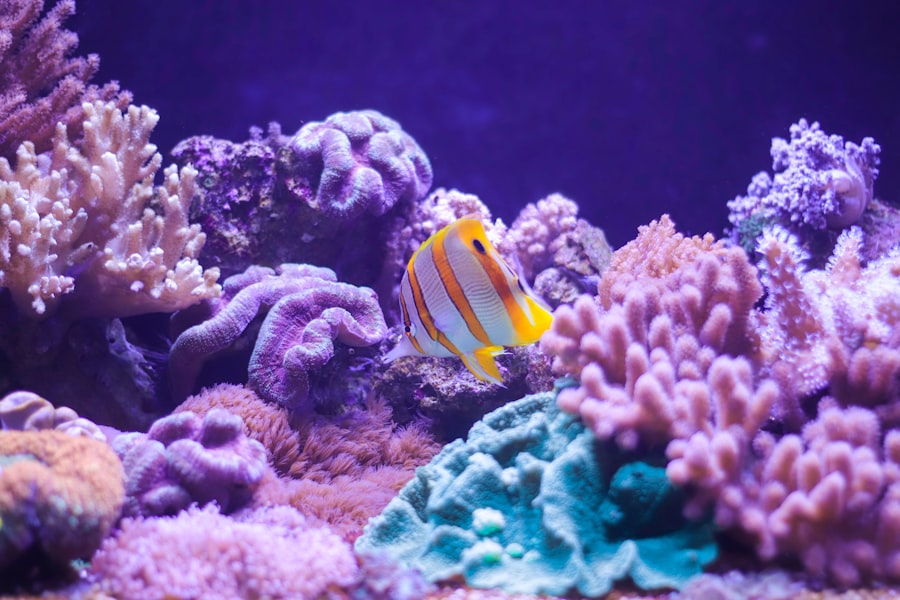
As you examine the effects of ocean acidification on phytoplankton, it becomes clear that these organisms are not immune to environmental changes. The increased acidity of seawater can disrupt their physiological processes, affecting their growth, reproduction, and overall health. For instance, certain species of phytoplankton may struggle to maintain their calcium carbonate shells in more acidic waters, leading to decreased survival rates and altered community structures.
Moreover, the impact of ocean acidification extends beyond individual species; it can disrupt entire ecosystems. As phytoplankton populations decline or shift in response to changing conditions, the consequences ripple through the food web. You may find it alarming that such changes can affect not only marine species but also human communities that rely on healthy oceans for food and livelihoods.
The delicate balance of marine ecosystems is at risk, and understanding these dynamics is essential for predicting future outcomes.
The Consequences of Reduced Oxygen Production
With phytoplankton at the forefront of oxygen production, any decline in their populations due to ocean acidification raises serious concerns about global oxygen levels. As you contemplate this issue, consider the potential consequences: reduced oxygen availability can lead to hypoxic conditions in marine environments, where oxygen levels drop below what is necessary to sustain most marine life. This phenomenon can result in dead zones—areas where aquatic life struggles to survive.
The implications of reduced oxygen production extend beyond marine ecosystems. You may realize that a decline in oceanic oxygen levels can have far-reaching effects on atmospheric conditions and climate regulation. As oxygen production diminishes, it could exacerbate existing environmental challenges, including climate change and biodiversity loss.
The interconnectedness of these systems underscores the urgency of addressing ocean acidification and its impact on oxygen production.
The Importance of Addressing Ocean Acidification
As you reflect on the significance of addressing ocean acidification, it becomes evident that this issue is not merely an environmental concern; it is a matter of global health and sustainability. The oceans play a crucial role in regulating climate and supporting biodiversity, and any disruption to this balance can have dire consequences for all life forms on Earth. You may find it compelling that by mitigating ocean acidification, we can protect not only marine ecosystems but also human health and well-being.
Furthermore, addressing ocean acidification aligns with broader efforts to combat climate change. By reducing carbon emissions and implementing sustainable practices, you can contribute to a healthier ocean environment. The importance of collective action cannot be overstated; as individuals and communities come together to advocate for change, we can create a more sustainable future for generations to come.
Strategies for Mitigating Ocean Acidification

As you consider potential solutions to mitigate ocean acidification, several strategies emerge that can help protect marine ecosystems and promote resilience. One effective approach involves reducing carbon emissions through renewable energy sources and energy efficiency measures. By transitioning away from fossil fuels and embracing cleaner alternatives, you can play a role in decreasing the amount of CO2 entering the atmosphere and subsequently being absorbed by the oceans.
Another strategy involves promoting sustainable fishing practices and protecting critical habitats such as mangroves and seagrasses. These ecosystems not only provide essential services but also act as natural buffers against ocean acidification by sequestering carbon. You may also find it beneficial to support policies that prioritize marine conservation and restoration efforts, ensuring that ecosystems remain healthy and capable of adapting to changing conditions.
The Role of International Collaboration in Addressing Ocean Acidification
As you explore the complexities of ocean acidification, it becomes clear that addressing this issue requires international collaboration and cooperation. The oceans are interconnected systems that transcend national boundaries; therefore, collective action is essential for effective solutions. You may find it inspiring that numerous organizations and governments are already working together to tackle this challenge through research initiatives, policy development, and public awareness campaigns.
International agreements such as the Paris Agreement highlight the importance of global cooperation in combating climate change and its associated impacts on ocean health. By fostering partnerships among nations, scientists, and stakeholders, we can share knowledge and resources to develop innovative solutions for mitigating ocean acidification. Your involvement in advocating for such collaborations can contribute to a more unified approach toward protecting our oceans.
The Need for Urgent Action
In conclusion, as you reflect on the multifaceted issue of ocean acidification and its implications for oxygen production, it becomes evident that urgent action is needed. The health of our oceans is intricately linked to the well-being of all life on Earth, and addressing this challenge requires a concerted effort from individuals, communities, governments, and organizations worldwide. You have the power to make a difference by raising awareness about ocean acidification and advocating for sustainable practices.
The time to act is now; as you engage with this critical issue, remember that every small step counts toward creating a healthier planet. By prioritizing the protection of our oceans and supporting initiatives aimed at mitigating ocean acidification, you can contribute to a more sustainable future for generations to come. Together, we can ensure that our oceans continue to thrive as vital sources of oxygen and biodiversity in an ever-changing world.
A related article to The Connection Between Ocean Acidification and Oxygen Production discusses the disadvantages of planting trees for climate change. This article explores the potential drawbacks of relying solely on tree planting as a solution to combatting global warming. To learn more about the potential downsides of this approach, you can read the article here.
FAQs
What is ocean acidification?
Ocean acidification is the process by which the pH of the Earth’s oceans is lowered due to the uptake of carbon dioxide (CO2) from the atmosphere. This results in a decrease in the concentration of carbonate ions, which are important for the formation of shells and skeletons of many marine organisms.
How does ocean acidification affect oxygen production?
Ocean acidification can affect oxygen production in several ways. For example, it can impact the growth and health of phytoplankton, which are responsible for producing a significant portion of the Earth’s oxygen through photosynthesis. Changes in ocean chemistry can also affect the availability of nutrients and trace metals that are essential for phytoplankton growth and photosynthesis.
What are the potential consequences of reduced oxygen production due to ocean acidification?
Reduced oxygen production due to ocean acidification can have significant consequences for marine ecosystems and the global carbon cycle. It can lead to changes in the abundance and distribution of marine species, as well as impact the overall productivity of the oceans. Additionally, decreased oxygen production can contribute to the expansion of oxygen-depleted “dead zones” in the ocean, which can have detrimental effects on marine life.
What are some potential solutions to mitigate the effects of ocean acidification on oxygen production?
Mitigating the effects of ocean acidification on oxygen production requires addressing the root cause of the issue, which is the increase in atmospheric CO2 levels. This can be achieved through reducing carbon emissions and transitioning to renewable energy sources. Additionally, efforts to protect and restore marine ecosystems, such as coral reefs and seagrass beds, can help to maintain healthy ocean environments that support oxygen production.