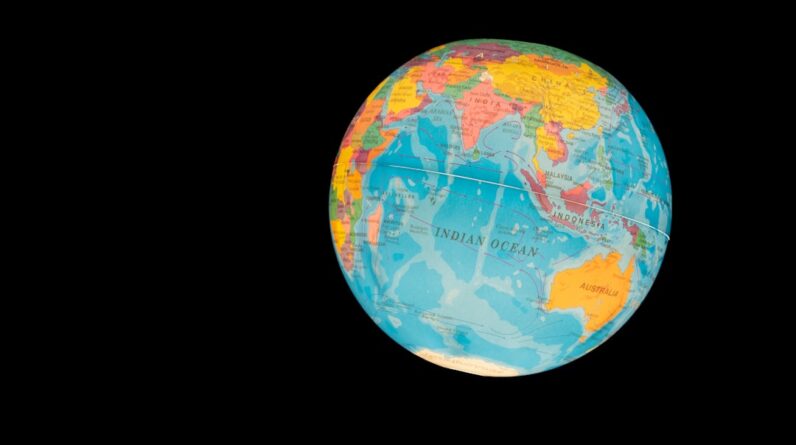
Climate change is one of the most pressing issues of our time, affecting every corner of the globe and impacting countless lives. As you navigate through your daily routine, it’s essential to recognize that the climate crisis is not a distant threat; it is a reality that is unfolding right now. The gradual increase in global temperatures, driven primarily by human activities such as burning fossil fuels and deforestation, has led to significant alterations in weather patterns, ecosystems, and sea levels.
Understanding the intricacies of climate change is crucial for you, as it empowers you to make informed decisions and advocate for sustainable practices. The consequences of climate change are far-reaching and multifaceted. From the air you breathe to the food you eat, the effects of a warming planet are evident in various aspects of life.
You may have noticed more erratic weather patterns, such as prolonged droughts or intense storms, which are becoming increasingly common. These changes not only threaten natural habitats but also pose risks to human health and safety. As you delve deeper into this topic, you will discover how interconnected our world is and how your actions can contribute to mitigating this global challenge.
Key Takeaways
- Climate change is a pressing global issue with far-reaching impacts on the environment and human society.
- Satellite technology plays a crucial role in monitoring and understanding climate change by providing valuable data on temperature, sea level rise, and carbon emissions.
- Melting ice caps and rising sea levels are direct consequences of climate change, posing significant threats to coastal communities and ecosystems.
- Extreme weather events and natural disasters are becoming more frequent and severe due to climate change, leading to devastating consequences for human populations and infrastructure.
- Deforestation contributes to climate change by reducing the Earth’s capacity to absorb carbon dioxide, leading to increased greenhouse gas emissions and loss of biodiversity.
Satellite Technology and Climate Monitoring
In the fight against climate change, satellite technology has emerged as a powerful tool for monitoring environmental changes on a global scale. You might be surprised to learn that satellites orbiting the Earth provide critical data that helps scientists track temperature fluctuations, greenhouse gas emissions, and deforestation rates. This technology allows for real-time observations, enabling researchers to analyze trends and make predictions about future climate scenarios.
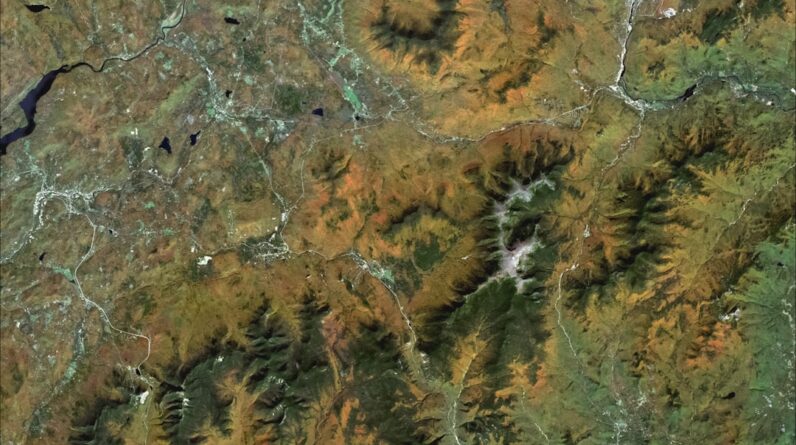
By harnessing this information, you can better understand the urgency of addressing climate change and the role technology plays in this endeavor. Moreover, satellite imagery has revolutionized our ability to visualize the impacts of climate change. You can see firsthand how glaciers are retreating or how urban areas are expanding into previously untouched landscapes.
This visual evidence serves as a stark reminder of the changes occurring around you. As you engage with this data, consider how it can inform your choices and inspire action within your community. The insights gained from satellite monitoring not only enhance scientific understanding but also empower individuals like you to advocate for policies that promote sustainability and environmental stewardship.
Melting Ice Caps and Rising Sea Levels

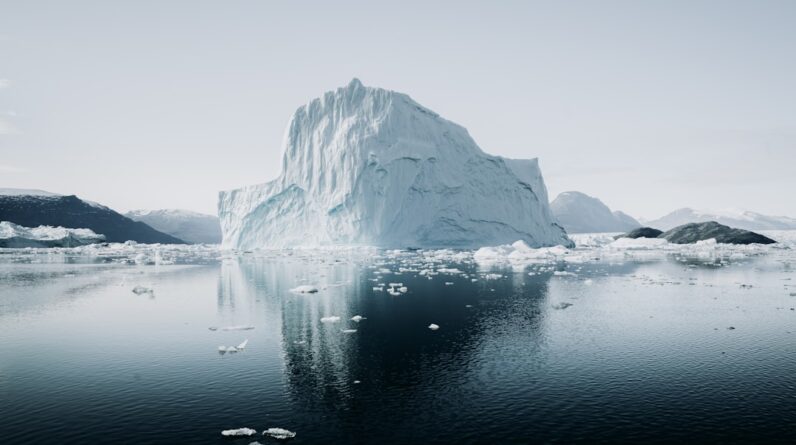
One of the most alarming consequences of climate change is the melting of ice caps and glaciers, which directly contributes to rising sea levels. As you observe coastal regions, it’s essential to recognize that these areas are increasingly vulnerable to flooding and erosion due to the loss of ice mass in polar regions. The Arctic and Antarctic ice sheets are shrinking at an unprecedented rate, leading to significant changes in ocean dynamics and weather patterns.
This phenomenon not only threatens wildlife habitats but also poses a direct risk to human settlements along coastlines. The implications of rising sea levels extend beyond mere geography; they affect millions of lives worldwide. You may have heard stories of communities being displaced due to encroaching waters or entire nations facing existential threats.
As sea levels rise, freshwater resources become contaminated with saltwater intrusion, further exacerbating challenges related to food security and public health. By understanding these impacts, you can appreciate the urgency of addressing climate change and consider how your actions can contribute to solutions that protect vulnerable populations and ecosystems.
Extreme Weather Events and Natural Disasters
As climate change continues to alter weather patterns, extreme weather events have become more frequent and severe. You may have noticed an increase in hurricanes, wildfires, droughts, and floods in recent years, all of which can be attributed to a warming planet. These events not only cause immediate destruction but also have long-term consequences for communities and economies.
The financial toll of natural disasters can be staggering, affecting infrastructure, livelihoods, and mental health. The connection between climate change and extreme weather is complex but undeniable. As temperatures rise, the atmosphere holds more moisture, leading to heavier rainfall and increased flooding in some regions while others experience prolonged droughts.
This variability can disrupt agricultural production, leading to food shortages and economic instability. By staying informed about these trends, you can better understand the importance of climate resilience and advocate for policies that prioritize disaster preparedness and sustainable land use practices.
Deforestation and its Impact on Climate
Deforestation is another critical factor contributing to climate change, as it significantly reduces the planet’s capacity to absorb carbon dioxide. When trees are cut down or burned, not only is carbon released into the atmosphere, but the loss of forests diminishes biodiversity and disrupts ecosystems. You may be aware that forests play a vital role in regulating the Earth’s climate by acting as carbon sinks; their destruction exacerbates global warming and threatens countless species.
The impact of deforestation extends beyond environmental concerns; it also affects local communities that rely on forests for their livelihoods. Indigenous populations often face displacement as their ancestral lands are cleared for agriculture or urban development. By understanding the social implications of deforestation, you can appreciate the need for sustainable forestry practices and support initiatives that promote reforestation and conservation efforts.
Your choices as a consumer can influence demand for products linked to deforestation, making it essential to seek out sustainable alternatives.
Ocean Acidification and Coral Bleaching

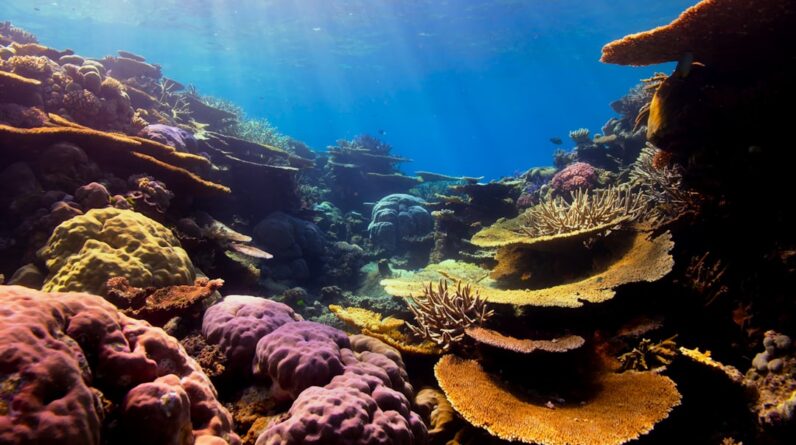
The oceans are not immune to the effects of climate change; in fact, they are experiencing significant transformations due to rising carbon dioxide levels. As you may know, increased CO2 emissions lead to ocean acidification, which poses a severe threat to marine life. Coral reefs, often referred to as the “rainforests of the sea,” are particularly vulnerable to these changes.
When ocean temperatures rise or acidity increases, corals expel the symbiotic algae that provide them with color and nutrients, resulting in coral bleaching. The loss of coral reefs has dire consequences for marine ecosystems and coastal communities alike. You might be surprised to learn that coral reefs support approximately 25% of all marine species, providing habitat and food sources for countless organisms.
Additionally, they serve as natural barriers against storm surges and erosion, protecting coastal areas from damage. By understanding the interconnectedness of ocean health and climate stability, you can advocate for policies that prioritize marine conservation and support sustainable fishing practices.
Urban Heat Islands and Air Pollution
As urban areas continue to expand, they often create “heat islands” where temperatures are significantly higher than surrounding rural areas. This phenomenon occurs due to factors such as concrete surfaces absorbing heat and limited vegetation that would otherwise provide cooling effects. You may have experienced this firsthand during hot summer months when city temperatures soar compared to nearby countryside locations.
The implications of urban heat islands extend beyond discomfort; they contribute to increased energy consumption for cooling systems and exacerbate air pollution. Air pollution is another critical issue linked to urbanization and climate change. As cities grow, so do emissions from vehicles, industries, and construction activities.
Poor air quality can lead to serious health problems for residents, including respiratory issues and cardiovascular diseases. By recognizing the relationship between urban planning and climate resilience, you can advocate for greener cities that prioritize public transportation, green spaces, and sustainable building practices. Your involvement in local initiatives can help create healthier environments for everyone.
The Role of International Cooperation in Addressing Climate Change
Addressing climate change requires collective action on a global scale; no single nation can tackle this challenge alone. International cooperation is essential for sharing knowledge, resources, and technologies that can mitigate climate impacts effectively. You may have heard about agreements like the Paris Accord, which aims to unite countries in their efforts to limit global warming to well below 2 degrees Celsius above pre-industrial levels.
Such collaborations highlight the importance of solidarity in combating a crisis that transcends borders. As an individual, your role in supporting international cooperation is vital. You can stay informed about global climate initiatives and advocate for policies that promote collaboration among nations.
Engaging with local organizations that focus on international environmental issues can amplify your voice in calling for action on climate change. By fostering a sense of global citizenship, you contribute to a collective effort that seeks not only to address current challenges but also to create a sustainable future for generations to come. In conclusion, understanding climate change is crucial for you as an individual living in an interconnected world.
From satellite technology monitoring environmental changes to recognizing the impacts of melting ice caps and extreme weather events, each aspect highlights the urgency of addressing this global crisis. By staying informed about issues like deforestation, ocean acidification, urban heat islands, and the importance of international cooperation, you can play an active role in advocating for solutions that promote sustainability and protect our planet for future generations. Your actions matter—together we can make a difference in combating climate change.
If you are interested in learning more about the impact of tree planting on the environment, you may want to check out the article Increased Tree Planting Will Unbalance the World’s Ecosystems. This article discusses how the mass planting of trees can have unintended consequences on ecosystems and the environment as a whole. It provides valuable insights into the importance of thoughtful and strategic reforestation efforts in combating climate change.
FAQs
What is climate change?
Climate change refers to significant and long-term changes in the Earth’s climate, including temperature, precipitation, and wind patterns. These changes are largely attributed to human activities, such as the burning of fossil fuels and deforestation, which release greenhouse gases into the atmosphere.
How is climate change affecting the planet?
Climate change is causing a wide range of impacts on the planet, including rising global temperatures, melting ice caps and glaciers, more frequent and severe weather events, and shifts in ecosystems and wildlife habitats. These changes have far-reaching consequences for human societies, economies, and the environment.
What is the role of satellites in monitoring climate change?
Satellites play a crucial role in monitoring climate change by providing comprehensive and real-time data on various aspects of the Earth’s climate system, including temperature, sea level rise, ice melt, and carbon dioxide levels. This data helps scientists and policymakers understand the extent of climate change and develop strategies to mitigate its impacts.
How do satellites measure climate change indicators?
Satellites use a variety of instruments, such as radiometers, spectrometers, and radar, to measure climate change indicators. For example, they can measure the temperature of the Earth’s surface, monitor changes in ice cover and sea level, and track the concentration of greenhouse gases in the atmosphere.
What are some key findings from satellite observations of climate change?
Satellite observations have revealed alarming trends in climate change, including the rapid loss of polar ice, the warming of the oceans, and the increase in extreme weather events. These findings underscore the urgent need for global action to reduce greenhouse gas emissions and adapt to the impacts of climate change.