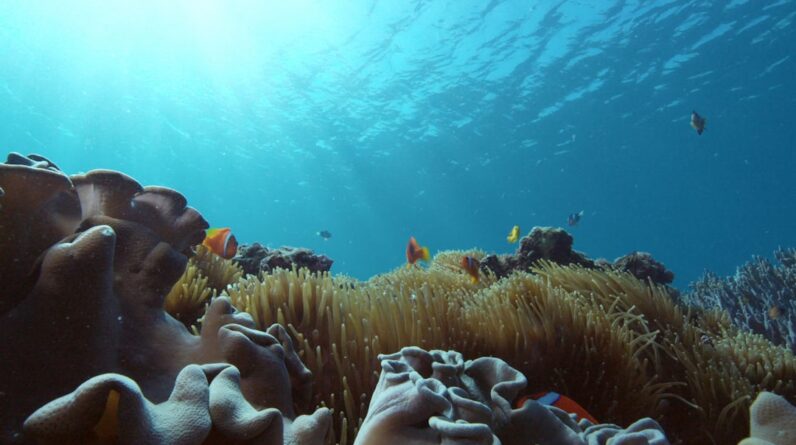
As you delve into the intricate web of ocean ecosystems, you quickly realize that oxygen levels play a pivotal role in maintaining the health of marine life. The oceans are not just vast bodies of water; they are dynamic environments teeming with life, where oxygen is essential for the survival of countless species. Monitoring ocean oxygen levels is crucial because these levels directly influence biodiversity, food webs, and overall ecosystem stability.
When oxygen levels drop, a phenomenon known as hypoxia occurs, leading to dead zones where marine life struggles to survive. Understanding these fluctuations can help you grasp the broader implications of climate change and human activity on ocean health. Moreover, the oceans act as a significant carbon sink, absorbing a substantial portion of the carbon dioxide emitted into the atmosphere.
This process, while beneficial in mitigating climate change, can lead to a decrease in oxygen levels as organic matter decomposes. By monitoring these changes, you can gain insights into how oceanic processes are responding to anthropogenic pressures. The data collected can inform conservation efforts and policy decisions aimed at protecting marine ecosystems.
In essence, keeping a close eye on ocean oxygen levels is not just about understanding marine life; it’s about safeguarding the planet’s health and ensuring that future generations can enjoy the rich biodiversity that our oceans offer.
Key Takeaways
- Monitoring ocean oxygen levels is crucial for understanding and addressing the impacts of climate change and human activities on marine ecosystems.
- Challenges in monitoring ocean oxygen levels include the vastness of the ocean, limited resources, and the need for real-time data to effectively respond to oxygen level changes.
- Traditional methods of monitoring ocean oxygen levels involve ship-based measurements, moored sensors, and autonomous underwater vehicles, but these methods have limitations in terms of coverage and real-time data availability.
- New technology for real-time monitoring, such as underwater gliders, autonomous buoys, and sensor networks, allows for continuous and widespread monitoring of ocean oxygen levels.
- Real-time monitoring provides advantages such as early detection of oxygen level changes, improved understanding of ocean dynamics, and better-informed conservation and management decisions for marine ecosystems.
Challenges in Monitoring Ocean Oxygen Levels
Despite the critical importance of monitoring ocean oxygen levels, you may find that several challenges hinder effective data collection and analysis. One of the primary obstacles is the sheer vastness and complexity of the ocean itself. With over 70% of the Earth’s surface covered by water, deploying monitoring equipment across such expansive areas can be logistically daunting and financially prohibitive.
Traditional methods often rely on ship-based sampling, which can be infrequent and limited to specific locations, leaving vast regions of the ocean unmonitored. Additionally, the dynamic nature of ocean currents and temperature variations complicates the task further. Oxygen levels can fluctuate dramatically over short distances and timeframes due to various factors such as temperature, salinity, and biological activity.
This variability means that a snapshot taken at one location may not accurately represent conditions elsewhere. As you consider these challenges, it becomes clear that a more comprehensive approach is necessary to capture the full picture of ocean health.
Traditional Methods of Monitoring Ocean Oxygen Levels

Historically, monitoring ocean oxygen levels has relied heavily on traditional methods such as ship-based sampling and stationary buoys equipped with sensors. These techniques have provided valuable data over the years but come with inherent limitations. Ship-based sampling involves collecting water samples at various depths and locations, which can be time-consuming and expensive.
You might find it surprising that even with advancements in technology, many regions remain under-sampled, leading to gaps in our understanding of global oxygen dynamics. Stationary buoys have been deployed in some areas to provide continuous data collection; however, they are often limited to specific locations and can be affected by environmental conditions such as storms or ice cover. These traditional methods also struggle to provide real-time data, which is increasingly necessary for understanding rapid changes in ocean conditions.
As you reflect on these limitations, it becomes evident that while traditional methods have laid the groundwork for oceanographic research, they are insufficient for addressing the urgent need for timely and comprehensive monitoring.
Introduction of New Technology for Real-Time Monitoring
In recent years, advancements in technology have paved the way for innovative solutions to monitor ocean oxygen levels in real-time. Autonomous underwater vehicles (AUVs) and remotely operated vehicles (ROVs) are at the forefront of this revolution. Equipped with sophisticated sensors, these vehicles can traverse vast areas of the ocean, collecting data on oxygen levels and other critical parameters without the need for constant human intervention.
You may find it fascinating that these technologies can operate in challenging environments where traditional methods would struggle. Additionally, satellite technology has emerged as a powerful tool for monitoring ocean health from above. By utilizing remote sensing techniques, satellites can provide valuable information about surface temperatures and chlorophyll concentrations, which are closely linked to oxygen production in marine ecosystems.
This integration of satellite data with in-situ measurements from AUVs and ROVs creates a more comprehensive understanding of ocean dynamics. As you explore these technological advancements, it becomes clear that they hold immense potential for transforming how we monitor and respond to changes in ocean oxygen levels.
Advantages of Real-Time Monitoring
The shift towards real-time monitoring of ocean oxygen levels brings with it a host of advantages that can significantly enhance our understanding of marine ecosystems. One of the most notable benefits is the ability to detect changes as they happen. With traditional methods often lagging behind due to their reliance on periodic sampling, real-time monitoring allows you to observe immediate fluctuations in oxygen levels caused by natural events or human activities.
This timely data can be crucial for responding to environmental crises or assessing the impact of pollution events. Furthermore, real-time monitoring facilitates more effective management of marine resources. By providing continuous data streams, researchers and policymakers can make informed decisions based on current conditions rather than outdated information.
This proactive approach enables better predictions of hypoxic events and helps mitigate their impacts on marine life. As you consider these advantages, it becomes evident that real-time monitoring is not just a technological upgrade; it represents a paradigm shift in how we approach ocean conservation and management.
Potential Impact of Real-Time Monitoring on Ocean Health
The potential impact of real-time monitoring on ocean health is profound and far-reaching. By providing immediate insights into oxygen levels and other critical parameters, this technology can help identify emerging threats to marine ecosystems before they escalate into larger problems. For instance, if a sudden drop in oxygen levels is detected in a specific area, immediate action can be taken to investigate the cause and implement measures to mitigate its effects.
This proactive approach could be instrumental in preserving vulnerable habitats and species. Moreover, real-time monitoring can enhance our understanding of the interconnectedness of various oceanic processes. By correlating oxygen levels with other environmental factors such as temperature, salinity, and nutrient availability, you can gain a more holistic view of how ecosystems function.
This comprehensive understanding is essential for developing effective conservation strategies that address not only immediate threats but also long-term sustainability goals. As you contemplate these possibilities, it becomes clear that real-time monitoring could serve as a cornerstone for future efforts aimed at restoring and protecting ocean health.
Future Applications of Real-Time Monitoring Technology
Looking ahead, the applications of real-time monitoring technology extend far beyond simply tracking oxygen levels. As this technology continues to evolve, you may envision its integration into broader marine research initiatives aimed at understanding climate change impacts on ocean systems. For example, real-time data could be used to study how rising sea temperatures affect oxygen solubility and distribution in different regions.
This knowledge could inform global climate models and help predict future scenarios. Additionally, real-time monitoring could play a crucial role in fisheries management by providing insights into how oxygen levels influence fish populations and their migratory patterns. By understanding these dynamics, fisheries managers can make more informed decisions about catch limits and conservation measures.
Furthermore, this technology could facilitate citizen science initiatives by allowing individuals to contribute data from their local waters through mobile applications or community-based monitoring programs. As you consider these future applications, it becomes evident that real-time monitoring has the potential to revolutionize not only scientific research but also public engagement in ocean conservation efforts.
The Role of Real-Time Monitoring in Ocean Conservation
In conclusion, the role of real-time monitoring in ocean conservation cannot be overstated. As you reflect on the importance of tracking oxygen levels in our oceans, it becomes clear that this technology offers unprecedented opportunities for understanding and protecting marine ecosystems. By overcoming traditional challenges through innovative solutions like AUVs, ROVs, and satellite technology, we can gain timely insights into the health of our oceans.
The advantages of real-time monitoring extend beyond mere data collection; they empower researchers and policymakers to make informed decisions that can have lasting impacts on marine life and habitats. As we face increasing threats from climate change and human activity, embracing real-time monitoring will be essential for ensuring the resilience of our oceans. Ultimately, your engagement with this technology will play a vital role in shaping a sustainable future for our planet’s most precious resource—its oceans.
A related article to New Tech Aims to Monitor Ocean Oxygen Levels in Real-Time discusses the importance of trees in preventing floods and global warming. According to livelifewithacause.org, massive tree planting can help prevent floods by absorbing excess water and stabilizing soil. Additionally, trees play a crucial role in combating global warming by absorbing carbon dioxide and releasing oxygen. This article highlights the significant impact that trees can have on the environment and emphasizes the importance of conservation efforts.
FAQs
What is the new technology for monitoring ocean oxygen levels in real-time?
The new technology for monitoring ocean oxygen levels in real-time is a network of sensors and underwater drones that can collect data and transmit it to researchers in real-time.
How does the new technology work?
The sensors and underwater drones are equipped with oxygen sensors that can measure the oxygen levels in the water. The data collected by these sensors is then transmitted to researchers in real-time, allowing them to monitor changes in oxygen levels as they occur.
What are the benefits of real-time monitoring of ocean oxygen levels?
Real-time monitoring of ocean oxygen levels allows researchers to quickly identify areas of low oxygen levels, known as “dead zones,” and take action to mitigate the impact on marine life. It also provides valuable data for understanding the effects of climate change and human activities on ocean oxygen levels.
How will the new technology impact ocean conservation efforts?
The real-time monitoring of ocean oxygen levels will provide researchers and conservationists with valuable data for identifying and addressing threats to marine life caused by low oxygen levels. This information can be used to inform conservation efforts and policy decisions aimed at protecting ocean ecosystems.
Is the new technology currently being used in ocean monitoring efforts?
Yes, the new technology for monitoring ocean oxygen levels in real-time is currently being used in research and monitoring efforts in various parts of the world. It is expected to become more widely used as the technology continues to advance and become more accessible.