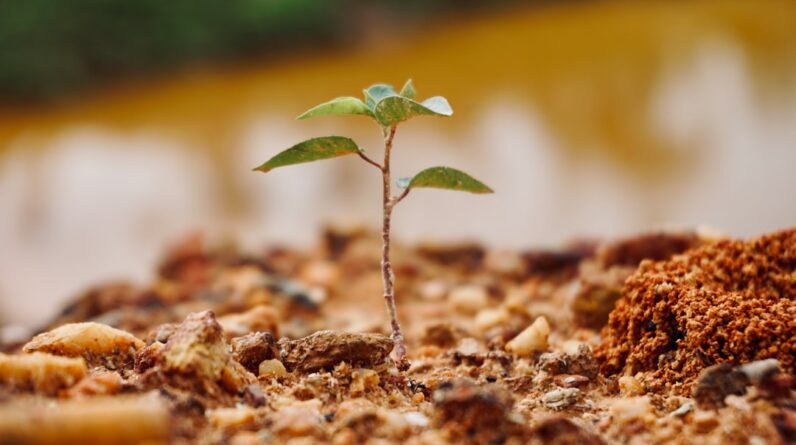
Reforestation plays a crucial role in combating soil degradation, a pressing issue that affects ecosystems and agricultural productivity worldwide. As you may know, soil degradation occurs when the quality of soil diminishes due to various factors, including erosion, nutrient depletion, and contamination. When forests are cleared for agriculture or urban development, the protective cover that trees provide is lost, leading to increased vulnerability of the soil.
By reintroducing trees into these landscapes, you can help restore the natural balance and protect the soil from further degradation. Moreover, reforestation not only helps in preventing soil degradation but also contributes to climate change mitigation. Trees act as carbon sinks, absorbing carbon dioxide from the atmosphere and storing it in their biomass and the soil.
This process is vital in reducing greenhouse gas emissions and combating global warming. By participating in or supporting reforestation efforts, you are not only helping to restore soil health but also contributing to a more sustainable future for the planet.
Key Takeaways
- Reforestation is crucial in preventing soil degradation by restoring vegetation and preventing erosion.
- Tree roots play a vital role in preventing soil erosion by anchoring the soil and reducing the impact of water and wind.
- Trees help maintain soil nutrients by cycling and retaining essential elements, promoting healthy soil for plant growth.
- Deforestation has a detrimental impact on soil health, leading to erosion, loss of nutrients, and decreased water retention.
- Reforestation techniques such as afforestation and re-vegetation can restore soil health and promote sustainable agriculture, contributing to long-term environmental benefits.
How Tree Roots Help to Prevent Soil Erosion
The roots of trees play an essential role in preventing soil erosion, a significant consequence of deforestation and land degradation. When you observe a tree, you might notice its extensive root system, which anchors the tree firmly in place. These roots create a network that holds the soil together, reducing the likelihood of erosion caused by wind and water.
When heavy rains occur, tree roots absorb excess water and slow down runoff, allowing the soil to retain moisture and nutrients. In addition to stabilizing the soil, tree roots also promote the formation of soil aggregates. These aggregates are clusters of soil particles that bind together, enhancing soil structure and reducing erosion.
As you engage with nature, consider how the intricate relationship between tree roots and soil contributes to a healthier ecosystem. By planting trees and supporting reforestation initiatives, you can help maintain this vital connection and protect the land from erosion.
The Role of Trees in Maintaining Soil Nutrients
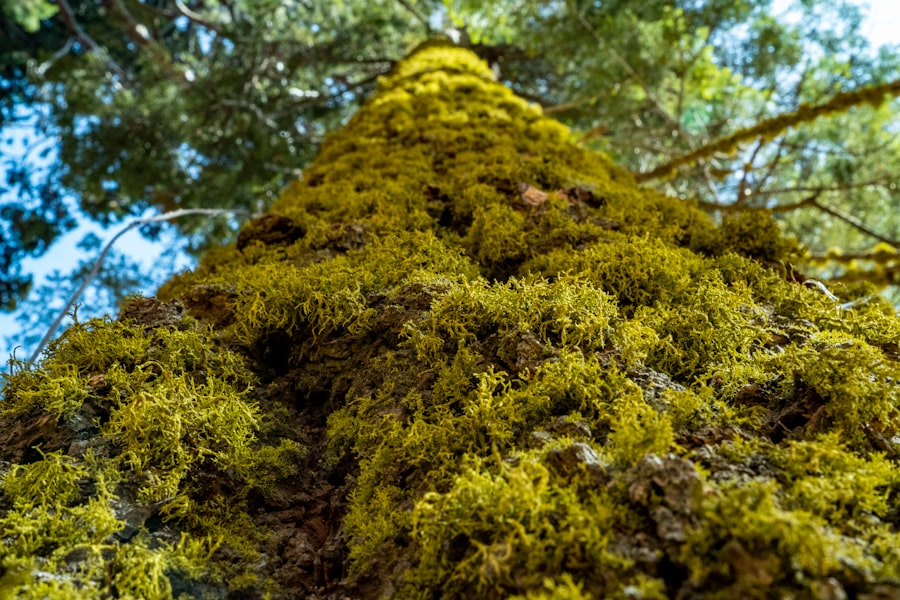
Trees are not just important for their physical presence; they also play a significant role in maintaining soil nutrients. As you may know, trees contribute organic matter to the soil through leaf litter, fallen branches, and decomposing roots. This organic matter enriches the soil with essential nutrients, creating a fertile environment for other plants to thrive.
When you walk through a forest, you can often see a rich layer of leaf litter on the ground, which serves as a natural fertilizer for the soil. Furthermore, trees have a unique ability to cycle nutrients through their root systems. They absorb nutrients from deeper layers of the soil and bring them closer to the surface through their leaves and branches.
When leaves fall and decompose, they release these nutrients back into the soil, making them available for other plants. This nutrient cycling is vital for maintaining soil fertility and supporting diverse plant life. By participating in reforestation efforts, you can help ensure that these nutrient cycles continue to function effectively.
The Impact of Deforestation on Soil Health
Deforestation has far-reaching consequences for soil health that cannot be overlooked. When forests are cleared, the protective canopy that shields the soil from harsh weather conditions is removed. This exposure leads to increased erosion, as rainwater can wash away topsoil more easily without the stabilizing presence of trees.
As a result, nutrient-rich topsoil is lost, leaving behind degraded land that is less capable of supporting plant life. Additionally, deforestation disrupts the delicate balance of soil microorganisms that contribute to soil health. Healthy soils are teeming with life, including bacteria, fungi, and other organisms that play critical roles in nutrient cycling and organic matter decomposition.
When trees are removed, these microorganisms can be adversely affected, leading to a decline in soil fertility. As you reflect on the importance of forests, consider how their preservation is essential not only for biodiversity but also for maintaining healthy soils that support life.
Reforestation Techniques for Soil Restoration
There are various reforestation techniques that can be employed to restore degraded soils effectively. One common method is direct seeding, where seeds are sown directly into the ground to encourage natural regeneration. This technique allows for the growth of native species that are well-adapted to local conditions, promoting biodiversity and enhancing soil health over time.
As you explore reforestation options, consider how direct seeding can be a cost-effective way to restore ecosystems. Another effective technique is assisted natural regeneration (ANR), which involves protecting existing vegetation while encouraging the growth of native trees. This method allows for quicker restoration since it relies on existing root systems and soil structures.
By removing invasive species and providing support for native plants, you can help create a thriving ecosystem that benefits both the environment and local communities. Engaging in these reforestation techniques not only aids in soil restoration but also fosters a sense of stewardship for the land.
Examples of Successful Reforestation Projects

Around the world, numerous successful reforestation projects demonstrate the positive impact of restoring forests on soil health and ecosystems. One notable example is the Bonn Challenge, an initiative aimed at restoring 150 million hectares of deforested and degraded land by 2020. Countries like Rwanda and Ethiopia have made significant strides in this effort by implementing large-scale tree planting programs that have revitalized landscapes and improved soil quality.
In addition to international initiatives, local community-driven projects have also shown remarkable success in reforestation efforts. For instance, in India’s Himalayas, grassroots organizations have mobilized communities to plant native trees in degraded areas. These projects not only restore forests but also empower local people by providing them with resources and knowledge about sustainable land management practices.
As you learn about these successful projects, consider how your involvement in similar initiatives can contribute to global efforts in restoring ecosystems.
The Connection Between Reforestation and Biodiversity
Reforestation is intrinsically linked to biodiversity conservation, as healthy forests provide habitats for countless species of plants and animals. When you think about biodiversity, consider how diverse ecosystems contribute to resilience against environmental changes and diseases. By restoring forests through reforestation efforts, you create environments where various species can thrive together.
Moreover, reforested areas often serve as corridors for wildlife movement, connecting fragmented habitats and allowing species to migrate freely. This connectivity is vital for maintaining genetic diversity within populations and ensuring their long-term survival. As you engage with nature or participate in reforestation projects, remember that your actions contribute not only to restoring soils but also to preserving the rich tapestry of life that depends on healthy ecosystems.
How Reforestation Can Contribute to Sustainable Agriculture
Reforestation can significantly enhance sustainable agriculture practices by improving soil health and increasing crop yields. When trees are integrated into agricultural landscapes through agroforestry systems, they provide shade and shelter for crops while enhancing biodiversity. This symbiotic relationship allows farmers like you to benefit from improved microclimates and reduced pest pressures.
Additionally, trees contribute organic matter to the soil through leaf litter and root decomposition, enriching it with essential nutrients needed for crop growth. By adopting reforestation practices within agricultural systems, you can create a more resilient farming environment that supports both food production and ecological health. As you explore sustainable agriculture options, consider how incorporating trees into your farming practices can lead to long-term benefits for both your crops and the environment.
In conclusion, reforestation is a powerful tool in preventing soil degradation and promoting overall ecosystem health. By understanding the importance of tree roots in preventing erosion, maintaining soil nutrients, and combating deforestation’s negative impacts, you can appreciate the vital role that trees play in our environment. Engaging in reforestation techniques not only aids in restoring degraded lands but also fosters biodiversity and supports sustainable agricultural practices.
Your involvement in these efforts can contribute significantly to creating a healthier planet for future generations.
If you are interested in learning more about how planting trees helps the environment, check out this article on How Does Planting Trees Help the Environment. It delves into the various ways in which reforestation can benefit ecosystems and combat climate change. Additionally, you may want to explore other articles on the website such as Blog and Biodiversity Reservoir by Having Healthy Forest to further understand the importance of maintaining healthy forests for biodiversity conservation.
FAQs
What is reforestation?
Reforestation is the process of planting trees in areas where forests have been depleted or destroyed. It is a crucial method for restoring and replenishing forest cover.
How does reforestation prevent soil degradation?
Reforestation helps prevent soil degradation by stabilizing the soil with tree roots, reducing erosion, and improving water retention. The trees also provide organic matter to the soil as they shed leaves and other plant material, which helps to maintain soil structure and fertility.
How does reforestation prevent nutrient loss?
Reforestation prevents nutrient loss by creating a healthy ecosystem where trees and other plants can absorb and recycle nutrients from the soil. The roots of trees and other vegetation help to hold the soil in place, preventing nutrient-rich topsoil from being washed away by erosion.
What are the environmental benefits of reforestation?
Reforestation provides numerous environmental benefits, including carbon sequestration, improved air and water quality, habitat restoration for wildlife, and the preservation of biodiversity. It also helps to mitigate the effects of climate change by reducing greenhouse gas emissions.
How does reforestation benefit local communities?
Reforestation can benefit local communities by providing sustainable sources of timber, non-timber forest products, and ecosystem services such as clean water and soil fertility. It can also create employment opportunities and contribute to the overall well-being of communities.