Language is not merely a tool for communication; it is a powerful instrument that shapes our perceptions and influences our understanding of the world around us. When you consider how language frames your thoughts, you begin to realize its profound impact on your beliefs and actions. The words you choose to use can evoke emotions, create connections, and even inspire movements.
In the context of climate change, the language surrounding this critical issue plays a pivotal role in how you perceive its urgency and significance. The way you articulate your thoughts about climate issues can either galvanize action or foster complacency. As you engage with discussions about climate change, you may notice that certain phrases resonate more deeply than others.
For instance, when you hear the term “climate crisis,” it may evoke a sense of urgency and alarm, prompting you to consider the immediate actions needed to address the situation. Conversely, more neutral terms like “climate change” might lead to a perception of gradual shifts, making it easier to dismiss the issue as something that can be addressed later. This illustrates how language not only reflects reality but also shapes it, influencing how you and others respond to pressing global challenges.
The terminology used to describe environmental issues has evolved significantly over the years, reflecting a growing awareness of the severity of the situation. When you think about the phrase “climate change,” it may conjure images of gradual warming and shifting weather patterns. However, as the impacts of climate-related disasters become increasingly evident, many advocates are shifting towards more urgent language, such as “climate breakdown.” This evolution in terminology is not merely semantic; it represents a fundamental shift in how society perceives the crisis at hand.
By adopting terms like “climate breakdown,” you acknowledge the catastrophic consequences of inaction and the urgent need for systemic change. This shift in language can serve as a rallying cry for individuals and communities alike, emphasizing that the time for complacency has passed. As you engage with this evolving discourse, consider how your own language choices can reflect a deeper understanding of the climate crisis and inspire others to take meaningful action.
Key Takeaways
- Language has the power to shape perceptions and influence how people understand and respond to issues like climate change.
- The evolution of terminology from “climate change” to “climate breakdown” reflects a shift in perception and urgency around the issue.
- Different words can have a psychological impact on how people perceive and respond to climate-related challenges.
- Communicating the urgency of the situation is crucial in mobilizing action and driving change.
- The media and public discourse play a significant role in shaping public understanding and response to climate issues.
The Psychological Impact of Different Words
The words you choose carry psychological weight, influencing not only your thoughts but also your emotions and behaviors. Research has shown that language can shape your perceptions of risk and urgency, affecting how you respond to various situations. For instance, when discussing climate issues, using terms that evoke fear or urgency can motivate you to take action, while more neutral language may lead to apathy or denial.
This psychological impact underscores the importance of carefully considering the words you use when discussing climate change. Moreover, the emotional resonance of language can create a sense of connection among individuals who share similar concerns. When you use powerful language to articulate your fears and hopes regarding climate change, you invite others to join in that conversation.
This collective emotional experience can foster solidarity and inspire collaborative efforts toward solutions. By recognizing the psychological impact of different words, you can harness their power to motivate yourself and others to engage more deeply with the climate crisis.
Communicating the Urgency of the Situation

In a world where climate-related disasters are becoming increasingly frequent and severe, communicating the urgency of the situation is paramount. You may find that simply stating facts about rising temperatures or melting ice caps is not enough to convey the gravity of the crisis. Instead, it is essential to frame these facts within a narrative that emphasizes immediate action and collective responsibility.
By doing so, you can inspire others to recognize that addressing climate change is not just an option; it is an imperative. To effectively communicate this urgency, consider using vivid imagery and relatable anecdotes that illustrate the real-world impacts of climate change on communities and ecosystems. When you share stories about families displaced by rising sea levels or wildlife struggling to adapt to changing habitats, you create a sense of urgency that transcends statistics.
This narrative approach can help others connect emotionally with the issue, motivating them to take action in their own lives and communities.
The Role of Media and Public Discourse
Media plays a crucial role in shaping public discourse around climate change, influencing how you and others perceive the issue. As you consume news articles, social media posts, and documentaries, consider how the language used by journalists and content creators affects your understanding of climate-related topics. The framing of stories—whether they emphasize hope or despair, individual action or systemic change—can significantly impact public perception and engagement.
In recent years, there has been a growing movement within media circles to adopt more urgent language when discussing climate issues. This shift reflects an understanding that traditional reporting methods may not adequately convey the severity of the crisis. As you engage with media narratives about climate change, pay attention to how different outlets frame their stories and consider how this influences your own perceptions.
By supporting media that prioritizes accurate and urgent communication about climate issues, you contribute to a broader cultural shift toward recognizing the need for immediate action.
The Importance of Accurate and Accessible Language
While urgency is essential in discussions about climate change, accuracy is equally important. You may find that overly dramatic language can lead to misinformation or fear-mongering, which can ultimately undermine trust in scientific consensus. Striking a balance between urgency and accuracy is crucial for fostering informed discussions about climate issues.
When you communicate about climate change, aim for clarity and precision while still conveying the seriousness of the situation. Accessibility is another key factor in effective communication about climate change. You may encounter complex scientific jargon that can alienate those who are not familiar with environmental science.
By using clear and straightforward language, you can ensure that your message reaches a broader audience. This inclusivity is vital for mobilizing collective action; when everyone understands the stakes involved, they are more likely to engage with solutions and advocate for change.
Addressing Denial and Skepticism
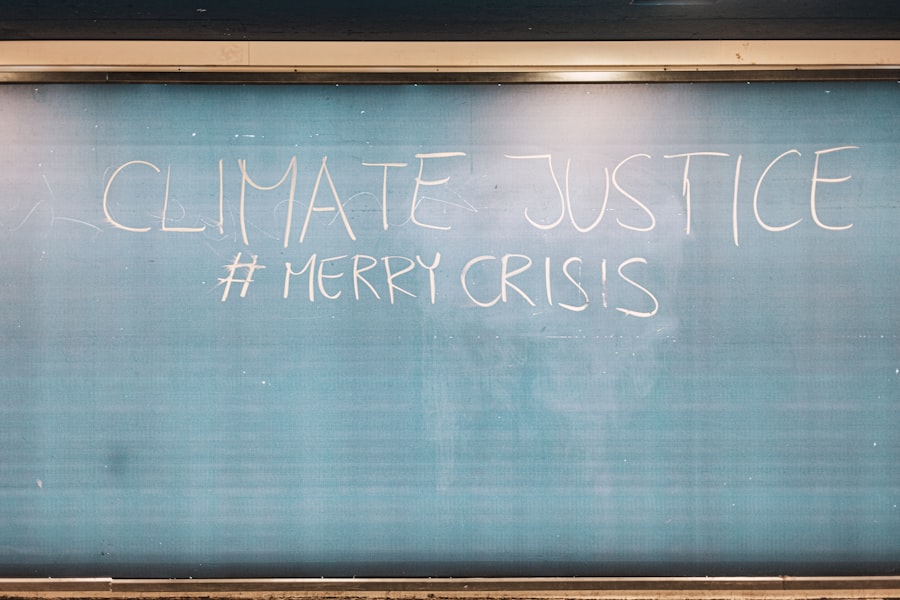
In conversations about climate change, you may encounter denial or skepticism from individuals who question the validity of scientific findings or downplay the urgency of the crisis. Addressing these attitudes requires a thoughtful approach that combines empathy with factual information. When engaging with skeptics, it is essential to listen actively and understand their concerns before presenting counterarguments.
This respectful dialogue can create an environment where constructive conversations can flourish. You might also consider using language that emphasizes common ground rather than division. By framing discussions around shared values—such as a desire for clean air, healthy communities, or economic stability—you can foster a sense of unity in addressing climate challenges.
This approach not only helps bridge divides but also encourages individuals to reconsider their positions in light of shared goals.
Moving Towards Action: Mobilizing Language for Change
Ultimately, the goal of effective communication about climate change is to mobilize action. As you reflect on your own language choices, consider how they can inspire others to take meaningful steps toward addressing this global crisis. Whether through grassroots organizing, advocacy efforts, or personal lifestyle changes, your words have the power to ignite passion and drive collective action.
To mobilize language for change, think about how you can create compelling narratives that resonate with diverse audiences. Use storytelling techniques to illustrate the human impact of climate change while highlighting solutions that individuals and communities can implement. By framing your message in a way that emphasizes hope and agency, you empower others to envision a sustainable future and take part in creating it.
In conclusion, language is a potent force in shaping perceptions and driving action on climate change. By understanding its power and choosing your words carefully, you can contribute to a more informed and engaged public discourse around this critical issue. As you navigate conversations about climate change, remember that your voice matters—your words can inspire change and mobilize collective efforts toward a sustainable future for all.
In a related article on livelifewithacause.org, the disadvantages of planting trees for climate change are explored. This article delves into the potential negative impacts of increased tree planting on the world’s ecosystems, highlighting the importance of considering all factors when addressing climate breakdown. It serves as a valuable companion piece to the discussion on why words matter in the context of climate change.
FAQs
What is climate change?
Climate change refers to long-term shifts in temperature, precipitation, and other atmospheric conditions on Earth. It is primarily caused by human activities, such as the burning of fossil fuels and deforestation, which release greenhouse gases into the atmosphere and contribute to global warming.
What is climate breakdown?
Climate breakdown is a term used to describe the catastrophic and irreversible impacts of climate change, including extreme weather events, sea level rise, and loss of biodiversity. It emphasizes the urgency and severity of the situation, highlighting the need for immediate action to mitigate and adapt to these changes.
Why do words matter in the context of climate change?
Words matter in the context of climate change because they shape public perception, policy decisions, and collective action. The language used to describe the issue can influence how seriously it is taken and the level of urgency assigned to addressing it. By using accurate and impactful terminology, we can better communicate the severity of the situation and mobilize support for effective solutions.
How does the use of different terms, such as “climate change” versus “climate breakdown,” impact public understanding?
The use of different terms can impact public understanding by framing the issue in distinct ways. “Climate change” may convey a sense of gradual and manageable shifts, while “climate breakdown” emphasizes the urgency and potential for irreversible damage. By choosing terminology that accurately reflects the severity of the situation, we can foster a greater sense of urgency and motivate meaningful action.
What are some examples of impactful language related to climate change?
Some examples of impactful language related to climate change include terms like “climate crisis,” “global heating,” and “environmental emergency.” These terms convey a sense of urgency and emphasize the severity of the situation, prompting individuals and policymakers to prioritize climate action and adopt meaningful solutions.