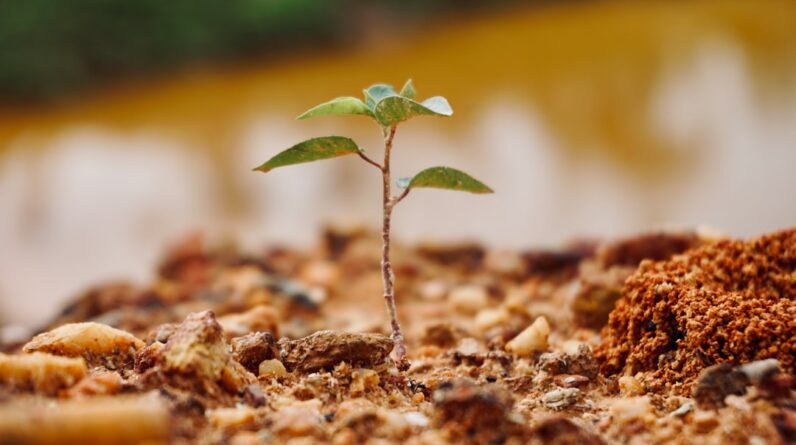
When you think about reforestation, you might picture planting trees in barren landscapes or restoring green spaces that have been lost to development. However, the concept of ecosystem restoration goes far beyond simply adding trees to the environment. It involves a holistic approach that seeks to revive entire ecosystems, ensuring that they function effectively and sustainably.
In reforestation projects, ecosystem restoration plays a crucial role by addressing not only the trees but also the myriad of interactions among various species, soil health, water resources, and climate conditions. By understanding this interconnectedness, you can appreciate how vital it is to restore ecosystems as a foundation for successful reforestation. Ecosystem restoration in reforestation projects means working to bring back the natural balance that has been disrupted.
This includes restoring native plant species, improving soil quality, and re-establishing the natural water cycle. When you engage in these efforts, you are not just planting trees; you are creating a thriving habitat for wildlife and promoting resilience against environmental changes. This comprehensive approach ensures that the reforested areas can sustain themselves over time, providing long-term benefits for both the environment and local communities.
Key Takeaways
- Ecosystem restoration plays a crucial role in reforestation projects by promoting the recovery of natural habitats and the species within them.
- Ecosystem restoration in reforestation efforts provides numerous benefits, including improved water quality, enhanced carbon sequestration, and increased resilience to climate change.
- Biodiversity is essential in ecosystem restoration as it contributes to the overall health and functioning of ecosystems, making them more resilient to disturbances.
- Soil health is of utmost importance in ecosystem restoration as it supports the growth of vegetation, regulates water flow, and stores carbon, contributing to the overall health of the ecosystem.
- Ecosystem restoration is closely linked to climate change mitigation, as healthy ecosystems can sequester carbon and help regulate the climate, making them a crucial part of global efforts to combat climate change.
The Benefits of Ecosystem Restoration in Reforestation Efforts
The benefits of ecosystem restoration in reforestation efforts are manifold and extend beyond mere aesthetics. When you restore an ecosystem, you enhance its ability to provide essential services such as clean air, water filtration, and carbon sequestration. These services are critical for maintaining ecological balance and supporting human life.
By focusing on ecosystem restoration, you contribute to a healthier planet, which ultimately benefits everyone. The revitalization of ecosystems can lead to improved biodiversity, which is essential for resilience against pests and diseases that threaten both flora and fauna. Moreover, ecosystem restoration can have significant economic benefits.
When you restore degraded lands, you create opportunities for sustainable agriculture, ecotourism, and other green industries. This not only provides jobs but also fosters a sense of stewardship among local communities. As you witness the transformation of a barren landscape into a vibrant ecosystem, you may find inspiration in the potential for sustainable development that respects both nature and human needs.
The synergy between ecological health and economic viability is a powerful motivator for engaging in ecosystem restoration as part of reforestation projects.
The Role of Biodiversity in Ecosystem Restoration

Biodiversity is a cornerstone of ecosystem restoration, playing a pivotal role in the success of reforestation projects. When you think about biodiversity, consider it as the variety of life forms within an ecosystem, including plants, animals, fungi, and microorganisms. Each species contributes to the overall health and functionality of the ecosystem.
By promoting biodiversity during reforestation efforts, you enhance the resilience of the ecosystem to environmental stressors such as climate change, invasive species, and disease outbreaks. Incorporating diverse plant species into your reforestation projects can lead to more robust ecosystems. For instance, when you plant a mix of native trees, shrubs, and ground cover plants, you create habitats that support various wildlife species.
This diversity not only enriches the ecosystem but also helps stabilize soil and improve water retention. As you engage in these efforts, you may find that fostering biodiversity is not just an ecological necessity but also a source of inspiration and wonder as you witness the intricate relationships among different species unfold.
The Importance of Soil Health in Ecosystem Restoration
Soil health is often an overlooked aspect of ecosystem restoration, yet it is fundamental to the success of reforestation projects. Healthy soil acts as a living entity that supports plant growth by providing essential nutrients and water retention capabilities. When you focus on restoring soil health, you create a solid foundation for trees and other vegetation to thrive.
This involves practices such as reducing soil compaction, enhancing organic matter content, and promoting beneficial microbial activity. As you work on improving soil health in your reforestation efforts, consider implementing techniques like cover cropping or mulching to protect the soil from erosion and nutrient loss. These practices not only enhance soil structure but also contribute to carbon sequestration—an essential process in combating climate change.
By prioritizing soil health in your ecosystem restoration initiatives, you are investing in the long-term viability of the entire ecosystem, ensuring that it can support diverse plant and animal life for generations to come.
The Connection Between Ecosystem Restoration and Climate Change Mitigation
The connection between ecosystem restoration and climate change mitigation is increasingly recognized as a critical area of focus in environmental conservation. As you engage in reforestation projects that prioritize ecosystem restoration, you are actively contributing to climate change solutions. Forests play a vital role in sequestering carbon dioxide from the atmosphere, making them essential allies in the fight against global warming.
By restoring degraded ecosystems and enhancing forest cover, you help increase carbon storage capacity while also improving overall ecosystem resilience. Furthermore, healthy ecosystems can mitigate the impacts of climate change by regulating local climates and reducing vulnerability to extreme weather events. For instance, restored wetlands can absorb excess rainfall during storms, reducing flooding risks for nearby communities.
As you participate in these restoration efforts, you may find that your actions have far-reaching implications—not only for local environments but also for global climate stability. This interconnectedness underscores the importance of viewing ecosystem restoration as a vital strategy in addressing climate change challenges.
The Role of Indigenous Communities in Ecosystem Restoration

Indigenous communities have long been stewards of their environments, possessing invaluable knowledge about local ecosystems and sustainable practices. When you involve these communities in ecosystem restoration efforts, you tap into a wealth of traditional ecological knowledge that can enhance the effectiveness of reforestation projects. Indigenous peoples often have deep connections to their land and understand the intricate relationships between species and their habitats.
By collaborating with them, you can ensure that restoration efforts are culturally relevant and ecologically sound. Moreover, empowering Indigenous communities in ecosystem restoration fosters social equity and justice. As you work alongside these communities, you help recognize their rights to land and resources while promoting their active participation in decision-making processes.
This collaborative approach not only enriches your restoration projects but also strengthens community ties and resilience. By valuing Indigenous knowledge and practices, you contribute to a more inclusive vision of environmental stewardship that honors both people and nature.
The Challenges and Opportunities in Ecosystem Restoration
While the potential benefits of ecosystem restoration are significant, there are also challenges that must be navigated along the way. One major challenge is securing funding for long-term restoration projects. Many initiatives rely on short-term grants or donations that may not cover ongoing maintenance or monitoring needs.
As you engage in these efforts, it’s essential to advocate for sustainable funding models that ensure the longevity of restoration initiatives. However, challenges often present opportunities for innovation and collaboration. For instance, engaging local communities in restoration efforts can lead to creative solutions that address both ecological needs and social concerns.
By fostering partnerships among governments, NGOs, businesses, and local stakeholders, you can create a network of support that enhances the effectiveness of your projects. Embracing these challenges as opportunities allows you to develop resilient strategies that can adapt to changing circumstances while achieving meaningful ecological outcomes.
The Future of Ecosystem Restoration in Reforestation Projects
Looking ahead, the future of ecosystem restoration in reforestation projects appears promising yet requires continued commitment and innovation. As awareness grows about the importance of restoring ecosystems for both environmental health and human well-being, more individuals and organizations are likely to engage in these efforts. You may find yourself part of a larger movement advocating for sustainable practices that prioritize ecological integrity alongside economic development.
Technological advancements also hold great potential for enhancing ecosystem restoration efforts. Tools such as remote sensing and data analytics can help monitor progress and assess the effectiveness of various strategies over time. As you embrace these innovations while remaining grounded in traditional ecological knowledge, you can contribute to a more holistic approach to reforestation that respects both nature’s complexity and humanity’s role within it.
In conclusion, your involvement in ecosystem restoration within reforestation projects is not just an act of planting trees; it is a commitment to nurturing entire ecosystems for future generations. By understanding the interconnectedness of biodiversity, soil health, climate change mitigation, and community engagement, you can play an integral role in fostering resilient environments that thrive amidst challenges. The journey ahead may be complex, but with dedication and collaboration, the future holds immense potential for revitalizing our planet’s ecosystems through thoughtful restoration efforts.
In a related article on how planting trees helps the environment, the benefits of reforestation projects are further explored. The article discusses how trees play a crucial role in absorbing carbon dioxide, providing habitat for wildlife, and improving air quality. It highlights the importance of planting trees not only for combating climate change but also for promoting biodiversity and creating sustainable ecosystems. This article complements the discussion on the importance of ecosystem restoration in reforestation projects, emphasizing the positive impact that tree planting can have on the environment.
FAQs
What is ecosystem restoration?
Ecosystem restoration is the process of repairing and restoring damaged, degraded, or destroyed ecosystems to their original state. This can involve reintroducing native plant and animal species, improving soil quality, and restoring natural water flow.
Why is ecosystem restoration important in reforestation projects?
Ecosystem restoration is important in reforestation projects because it helps to create a more balanced and diverse ecosystem. By restoring the natural habitat, it allows for the return of native species, improves soil health, and enhances the overall resilience of the ecosystem.
What are the benefits of ecosystem restoration in reforestation projects?
The benefits of ecosystem restoration in reforestation projects include improved biodiversity, enhanced ecosystem services such as water purification and carbon sequestration, and increased resilience to environmental changes such as climate change and natural disasters.
How does ecosystem restoration contribute to sustainable development?
Ecosystem restoration contributes to sustainable development by promoting the conservation and sustainable use of natural resources, supporting local livelihoods, and helping to mitigate the impacts of climate change. It also helps to preserve cultural and traditional knowledge related to the natural environment.