


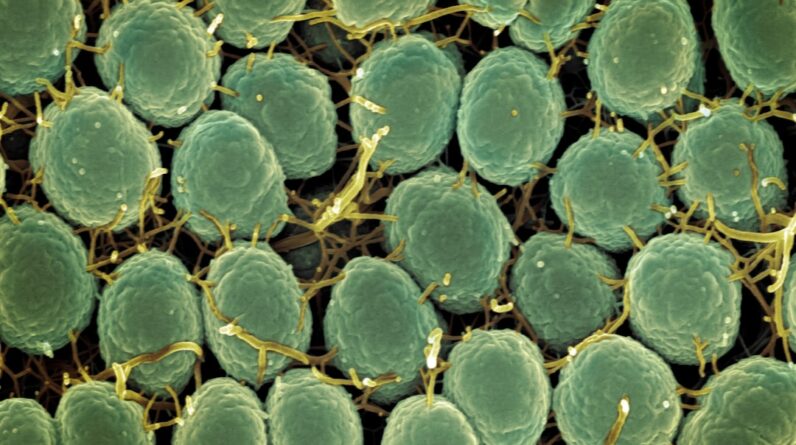
Phytoplankton, the microscopic plants of the ocean, are often overlooked despite their critical role in the health of marine ecosystems and the planet as a whole. These tiny organisms, which float near the surface of the water, are a vital component of the aquatic food web. You may not realize it, but phytoplankton are responsible for producing a significant portion of the Earth’s oxygen and serve as the primary food source for a myriad of marine life.
Understanding these organisms is essential for appreciating their contributions to both oceanic and terrestrial environments. As you delve deeper into the world of phytoplankton, you will discover that they are not just simple plants; they are a diverse group of organisms that include various species of algae, bacteria, and other microorganisms. Their existence is a testament to the complexity and interconnectedness of life in our oceans.
By exploring their characteristics, functions, and the challenges they face, you can gain a greater appreciation for these unsung heroes of the marine ecosystem.
Key Takeaways
- Phytoplankton are microscopic organisms that form the foundation of the ocean food web.
- Phytoplankton play a crucial role in the ocean ecosystem by providing food for marine animals and producing oxygen through photosynthesis.
- Photosynthesis is the process by which phytoplankton use sunlight to convert carbon dioxide and water into oxygen and organic compounds.
- Microscopic images of phytoplankton reveal the diverse shapes and sizes of these important organisms.
- There are thousands of species of phytoplankton, each with unique characteristics and ecological roles in the ocean.
Importance of Phytoplankton in the Ocean Ecosystem
Phytoplankton play an indispensable role in maintaining the balance of ocean ecosystems. As primary producers, they convert sunlight into energy through photosynthesis, forming the foundation of the marine food web. When you think about it, every fish, whale, and even the larger marine mammals ultimately depend on these tiny organisms for sustenance.
Without phytoplankton, the entire oceanic food chain would collapse, leading to dire consequences for marine biodiversity and human populations that rely on seafood. Moreover, phytoplankton contribute to nutrient cycling within the ocean. They absorb carbon dioxide and other nutrients from the water, which helps regulate the ocean’s chemistry and supports a healthy environment for other marine organisms.
By understanding their role in nutrient cycling, you can appreciate how phytoplankton not only support marine life but also play a crucial part in mitigating climate change by sequestering carbon dioxide from the atmosphere.
How Phytoplankton Produce Oxygen

One of the most remarkable aspects of phytoplankton is their ability to produce oxygen through photosynthesis. This process involves converting sunlight, carbon dioxide, and water into glucose and oxygen. You might be surprised to learn that phytoplankton are responsible for producing approximately 50% of the Earth’s oxygen supply.
This means that every time you take a breath, you are indirectly benefiting from the work of these microscopic organisms. The oxygen produced by phytoplankton is essential not only for marine life but also for terrestrial organisms, including humans. As you consider the vastness of the oceans and the sheer number of phytoplankton present in them, it becomes clear that these tiny plants are vital to sustaining life on Earth.
Their ability to produce oxygen is a reminder of how interconnected all forms of life are and how crucial it is to protect these organisms and their habitats.
Microscopic Images of Phytoplankton
To truly appreciate phytoplankton, one must look beyond their small size and explore their intricate beauty through microscopic images. When you view these images, you will be amazed by the diversity in shapes, colors, and structures that exist among different species. Some phytoplankton resemble delicate lacework, while others appear as vibrant green or golden hues that reflect their chlorophyll content.
These visual representations highlight not only their aesthetic appeal but also their biological significance. Microscopic photography has opened up a new world for scientists and enthusiasts alike, allowing you to witness the complexity of life at a scale that is often invisible to the naked eye. By examining these images, you can gain insight into how phytoplankton adapt to their environments and interact with other organisms.
This visual exploration serves as a reminder of the hidden wonders of our oceans and the importance of preserving these delicate ecosystems.
Diversity of Phytoplankton Species
The diversity of phytoplankton species is staggering, with thousands of different types identified across various marine environments. You may encounter diatoms, dinoflagellates, cyanobacteria, and green algae among others, each with unique characteristics and ecological roles. This diversity is crucial for maintaining healthy ecosystems, as different species can thrive under varying environmental conditions and contribute to different aspects of nutrient cycling and energy production.
As you explore this diversity further, you will find that some species are more resilient to changes in their environment than others. For instance, certain types of phytoplankton can bloom rapidly in response to nutrient influxes or changes in temperature, while others may struggle to survive under similar conditions. Understanding this diversity is essential for predicting how phytoplankton populations may respond to environmental changes and for developing strategies to protect them.
Impact of Climate Change on Phytoplankton

Climate change poses significant threats to phytoplankton populations worldwide. As ocean temperatures rise and acidification increases due to higher levels of carbon dioxide in the atmosphere, you may notice shifts in phytoplankton distribution and abundance. Warmer waters can lead to changes in nutrient availability, which can affect growth rates and species composition.
This disruption can have cascading effects throughout marine ecosystems. Moreover, altered weather patterns can influence ocean currents and stratification, further impacting phytoplankton communities. As you consider these changes, it becomes evident that protecting phytoplankton is not just about preserving a single group of organisms; it is about safeguarding entire ecosystems and the services they provide to humanity.
By understanding how climate change affects these microscopic plants, you can better appreciate the urgency of addressing global warming and its impacts on our oceans.
Research and Conservation Efforts for Phytoplankton
In light of the challenges posed by climate change and other human activities, researchers are increasingly focused on studying phytoplankton populations and their dynamics. You may find it fascinating that scientists use advanced technologies such as satellite imagery and autonomous underwater vehicles to monitor phytoplankton blooms and assess their health. This research is crucial for understanding how these organisms respond to environmental changes and for developing effective conservation strategies.
Conservation efforts aimed at protecting phytoplankton habitats are also gaining momentum. Initiatives focused on reducing pollution runoff, managing coastal development, and mitigating climate change are essential for ensuring healthy phytoplankton populations. As you learn about these efforts, you may feel inspired to take action in your own community by advocating for policies that protect marine environments or participating in local conservation projects.
Appreciating the Oxygen Heroes of the Ocean
In conclusion, phytoplankton are truly the unsung heroes of our oceans. Their role as primary producers not only sustains marine life but also contributes significantly to the oxygen we breathe. As you reflect on their importance, consider how interconnected our lives are with these microscopic organisms.
By understanding their diversity, functions, and the threats they face from climate change, you can appreciate the need for conservation efforts aimed at protecting them. As stewards of our planet, it is essential that we recognize the value of phytoplankton and advocate for their preservation. Whether through supporting research initiatives or engaging in local conservation efforts, every action counts in safeguarding these vital components of our ocean ecosystems.
By appreciating and protecting phytoplankton, you contribute to a healthier planet for future generations—one where both marine life and humanity can thrive together in harmony.
If you are interested in learning more about the impact of planting trees on climate change, check out the article