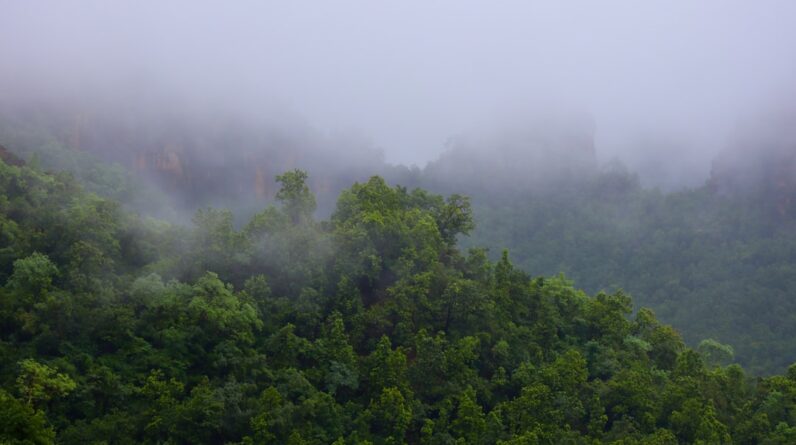
Forests play a crucial role in regulating water cycles, acting as natural sponges that absorb rainfall and release it slowly into the atmosphere and surrounding ecosystems. When you think about forests, you might picture towering trees and lush undergrowth, but their significance extends far beyond mere aesthetics. They are vital for maintaining the balance of water in the environment, influencing both local and regional climates.
The intricate web of roots, leaves, and soil in forested areas works together to capture precipitation, which helps to sustain rivers, lakes, and aquifers. This process not only supports biodiversity but also ensures that communities have access to clean water. Moreover, forests contribute to the hydrological cycle by facilitating evaporation and transpiration.
As you walk through a forest, you may notice the humidity in the air; this is largely due to trees releasing water vapor through their leaves. This natural process helps to maintain atmospheric moisture levels, which can influence weather patterns. In essence, forests act as a buffer against extreme weather events, helping to mitigate floods and droughts.
By understanding the importance of forests in water regulation, you can appreciate how they serve as a lifeline for both ecosystems and human populations.
Key Takeaways
- Forests play a crucial role in regulating water flow and maintaining water quality.
- Trees help absorb and store water, contributing to groundwater recharge and sustainable water supply.
- Deforestation can lead to reduced water supply, increased soil erosion, and degraded water quality.
- Forests are essential for protecting watersheds, which are vital for maintaining water supply and quality.
- Forests help prevent erosion and flooding, which can have significant impacts on water supply and quality.
The Role of Trees in Water Absorption and Groundwater Recharge
Trees are remarkable organisms that play a pivotal role in water absorption and groundwater recharge. Their extensive root systems penetrate deep into the soil, allowing them to access moisture that may be unavailable to other plants. When it rains, trees absorb a significant portion of that water through their roots, which not only nourishes them but also helps to replenish groundwater supplies.
This process is essential for maintaining the health of aquifers, which provide drinking water for millions of people around the world. As you consider your own water usage, it’s important to recognize how trees contribute to the sustainability of this vital resource. In addition to their role in groundwater recharge, trees also help to filter and purify water as it moves through the soil.
The organic matter in forest soils acts as a natural filter, trapping pollutants and sediments before they can reach groundwater sources. This means that healthy forests not only provide water but also ensure that it is clean and safe for consumption. By understanding the relationship between trees and water absorption, you can see how preserving forested areas is essential for maintaining both water quality and availability.
The Impact of Deforestation on Water Supply

Deforestation poses a significant threat to global water supplies, disrupting the delicate balance that forests maintain within the hydrological cycle. When trees are removed, the land becomes less capable of absorbing rainfall, leading to increased runoff and reduced groundwater recharge. This can result in lower water levels in rivers and lakes, affecting not only wildlife but also human communities that rely on these water sources for drinking, agriculture, and industry.
As you reflect on the consequences of deforestation, consider how it impacts not just the immediate environment but also the broader ecosystem services that forests provide. Furthermore, deforestation can lead to soil degradation and erosion, which further exacerbates water supply issues. Without tree cover, soil becomes more susceptible to erosion by wind and rain, leading to the loss of fertile topsoil and increased sedimentation in waterways.
This sedimentation can harm aquatic habitats and reduce water quality, making it more difficult for communities to access clean water. By recognizing the far-reaching effects of deforestation on water supply, you can better understand the urgency of protecting forested areas around the globe.
The Connection Between Forests and Watershed Protection
Forests are integral to watershed protection, serving as natural barriers that help maintain the health of watersheds. A watershed is an area of land where all the water drains into a common body of water, such as a river or lake. Forests play a vital role in this process by capturing rainfall and reducing runoff, which helps to prevent flooding and maintain stable water levels.
As you consider your own watershed, think about how forests contribute to its overall health and resilience. In addition to regulating water flow, forests also help to filter pollutants from surface runoff before they can enter waterways. The vegetation in forested areas acts as a buffer, trapping sediments and contaminants that would otherwise degrade water quality.
This natural filtration system is essential for protecting aquatic ecosystems and ensuring that communities have access to clean water. By understanding the connection between forests and watershed protection, you can appreciate the importance of conserving these vital ecosystems for future generations.
The Relationship Between Forests and Water Quality
The relationship between forests and water quality is profound and multifaceted. Healthy forests act as natural filters that improve the quality of water by trapping sediments, nutrients, and pollutants before they can enter streams and rivers. As rainwater flows through forested areas, it interacts with soil and vegetation that absorb harmful substances while allowing clean water to pass through.
This process is crucial for maintaining the health of aquatic ecosystems and ensuring that drinking water remains safe for human consumption. Moreover, forests contribute to maintaining balanced nutrient levels in waterways. Excessive nutrients from agricultural runoff can lead to algal blooms that deplete oxygen levels in water bodies, harming fish and other aquatic life.
Forests help mitigate this issue by absorbing excess nutrients before they reach waterways. By recognizing the vital role that forests play in maintaining water quality, you can better understand why protecting these ecosystems is essential for both environmental health and human well-being.
The Role of Forests in Preventing Erosion and Flooding

Forests are instrumental in preventing soil erosion and mitigating flooding events. The dense root systems of trees anchor soil in place, reducing the likelihood of erosion during heavy rainfall or storms. When you walk through a forest, you may notice how the ground is often covered with leaf litter and organic matter; this layer helps absorb rainfall and slows down runoff, further protecting against erosion.
By stabilizing soil and reducing runoff, forests play a critical role in maintaining land integrity and preventing landslides. In addition to preventing erosion, forests also help regulate floodwaters by absorbing excess rainfall during storms. When trees intercept rainwater through their leaves and branches, they slow down its descent to the ground, allowing more time for absorption into the soil.
This process reduces peak flow rates in rivers and streams during heavy rains, helping to prevent flooding downstream. By understanding how forests contribute to flood prevention, you can appreciate their importance in safeguarding communities from natural disasters.
The Effects of Climate Change on Forests and Water Supply
Climate change poses significant challenges for forests and their ability to regulate water supplies effectively. Rising temperatures can alter precipitation patterns, leading to more intense storms followed by prolonged droughts. These changes can stress forest ecosystems, making them less capable of absorbing rainfall and replenishing groundwater supplies.
As you consider the implications of climate change on your local environment, think about how these shifts may impact both forest health and water availability. Additionally, climate change can exacerbate issues such as pest infestations and wildfires, further threatening forest ecosystems. Healthy forests are resilient against such threats; however, as climate conditions become more extreme, their ability to recover diminishes.
This decline can lead to reduced tree cover and increased vulnerability of watersheds, ultimately affecting water quality and supply for surrounding communities. By recognizing the effects of climate change on forests and water resources, you can better understand the urgency of addressing this global crisis.
How Individuals Can Help Protect Forests and Water Sources
As an individual, there are numerous ways you can contribute to the protection of forests and water sources in your community. One effective approach is to support local conservation efforts by volunteering your time or donating resources to organizations dedicated to preserving natural habitats. Engaging in tree-planting initiatives or participating in clean-up events can make a tangible difference in maintaining healthy ecosystems.
Additionally, adopting sustainable practices in your daily life can significantly impact forest conservation efforts. Reducing your consumption of paper products or choosing sustainably sourced materials helps decrease demand for logging activities that contribute to deforestation. Furthermore, being mindful of your water usage at home can alleviate pressure on local water sources while promoting awareness about the importance of conserving this vital resource.
By taking these steps, you not only contribute to protecting forests but also help ensure that future generations have access to clean water and healthy ecosystems. Your actions matter; every small effort counts toward creating a more sustainable future for our planet’s forests and waterways.
Water Guardians: How Forests Regulate Our Water Supply highlights the crucial role that forests play in maintaining a healthy water supply. A related article that delves deeper into the importance of forests in preserving biodiversity and acting as a reservoir for water is Biodiversity Reservoir: By Having Healthy Forest. This article discusses how healthy forests can support a wide range of plant and animal species while also ensuring a sustainable water supply for communities. It further emphasizes the need to protect and preserve forests to maintain biodiversity and water resources for future generations.
FAQs
What are water guardians?
Water guardians are natural ecosystems, such as forests, that play a crucial role in regulating and maintaining the quality and quantity of our water supply.
How do forests regulate our water supply?
Forests act as natural sponges, absorbing and storing water during periods of heavy rainfall and releasing it slowly over time. This helps to prevent flooding and erosion, while also replenishing groundwater and maintaining stream flow.
Why are forests important for water conservation?
Forests help to filter and purify water, removing pollutants and sediment before it reaches our water sources. They also provide habitat for a diverse range of plant and animal species that contribute to the overall health of the ecosystem.
What are the threats to water guardians like forests?
Deforestation, urbanization, and climate change are major threats to water guardians like forests. These activities can disrupt the natural water cycle, leading to decreased water quality and availability.
How can we protect water guardians and ensure a sustainable water supply?
Protecting and restoring forests, implementing sustainable land management practices, and reducing our carbon footprint are all important steps in safeguarding water guardians and ensuring a sustainable water supply for future generations.