Marine heatwaves are prolonged periods during which ocean temperatures rise significantly above the average for a given region. These events can last for days, weeks, or even months, and they can occur in various marine environments, from coastal areas to the open ocean. You might think of them as the ocean’s equivalent of heatwaves on land, where temperatures soar and create conditions that can be detrimental to the local ecosystem.
The definition of a marine heatwave can vary, but it generally refers to a temperature increase of at least 1°C above the long-term average for a specific area. As you delve deeper into the phenomenon, you may find that marine heatwaves are becoming more frequent and intense due to climate change. The warming of the planet is not just affecting air temperatures; it is also having a profound impact on ocean temperatures.
This rise in temperature can disrupt the delicate balance of marine ecosystems, leading to a cascade of effects that can alter the very fabric of life in our oceans. Understanding marine heatwaves is crucial for grasping how climate change is reshaping our planet’s oceans and the myriad forms of life that depend on them.
Key Takeaways
- Marine heatwaves are prolonged periods of anomalously high sea surface temperatures that can have significant impacts on marine ecosystems and species.
- Causes of marine heatwaves include climate change, natural climate variability, and local factors such as ocean currents and weather patterns.
- Marine heatwaves can lead to widespread impacts on marine ecosystems, including coral bleaching, habitat loss, and changes in species distribution and abundance.
- Marine species can be directly affected by heatwaves through increased mortality, reduced reproductive success, and changes in behavior and physiology.
- Fisheries and aquaculture industries can be negatively impacted by marine heatwaves, leading to reduced fish stocks, economic losses, and disruptions in supply chains.
Causes of Marine Heatwaves
The causes of marine heatwaves are multifaceted and often interlinked with broader climatic changes. One primary driver is the increase in greenhouse gas emissions, which leads to global warming. As you may know, the oceans absorb a significant portion of these gases, resulting in higher water temperatures.
This warming can be exacerbated by natural phenomena such as El Niño and La Niña, which can cause fluctuations in ocean temperatures and currents. During an El Niño event, for instance, warmer waters can spread across the Pacific Ocean, leading to widespread marine heatwaves. Another contributing factor is the phenomenon known as ocean stratification.
When surface waters warm up, they become less dense and do not mix as readily with the cooler, deeper waters. This stratification can trap heat in the upper layers of the ocean, creating conditions ripe for marine heatwaves. Additionally, changes in wind patterns and ocean currents due to climate change can further influence these temperature anomalies.
As you consider these causes, it becomes clear that marine heatwaves are not isolated events; they are part of a complex interplay of environmental factors that are increasingly influenced by human activity.
Impacts on Marine Ecosystems

The impacts of marine heatwaves on ecosystems are profound and far-reaching. When ocean temperatures rise, it can lead to shifts in species distribution as marine organisms seek cooler waters. You might notice that certain fish species migrate to deeper or more temperate areas, disrupting established food webs and altering predator-prey relationships.
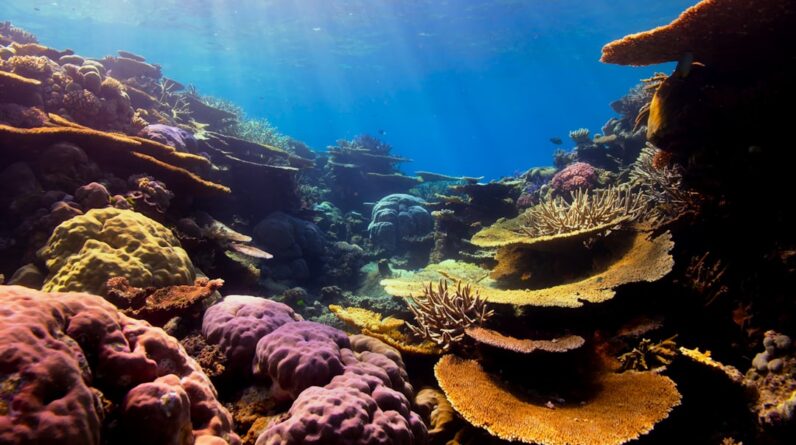
Coral reefs, which are particularly sensitive to temperature changes, can experience bleaching events during marine heatwaves. This phenomenon occurs when corals expel the symbiotic algae living within their tissues, leading to a loss of color and vitality. Moreover, marine heatwaves can trigger harmful algal blooms, which can produce toxins detrimental to marine life and human health.
These blooms thrive in warmer waters and can lead to dead zones where oxygen levels plummet, making it impossible for most marine life to survive. As you reflect on these impacts, consider how interconnected marine ecosystems are; a change in one species or habitat can have cascading effects throughout the entire system. The health of our oceans is intricately linked to the stability of these ecosystems, and marine heatwaves pose a significant threat to their integrity.
Effects on Marine Species
The effects of marine heatwaves on individual species can be dramatic and varied. For instance, many fish species have specific temperature ranges within which they thrive. When temperatures exceed these limits, you may find that their growth rates decline or their reproductive success diminishes.
Some species may even face increased mortality rates due to stress from elevated temperatures. As you explore this topic further, you might discover that commercially important species like cod and haddock are particularly vulnerable to these changes, which could have significant implications for fisheries. In addition to fish, other marine organisms such as mollusks and crustaceans also face challenges during marine heatwaves.
For example, shellfish like oysters and clams may struggle to maintain their shells in warmer waters, leading to weaker populations over time. You may also observe shifts in the timing of life cycle events, such as spawning or migration patterns, as species attempt to adapt to changing conditions. These alterations can disrupt ecological relationships and lead to mismatches between predators and prey, further complicating the survival of various marine species.
Consequences for Fisheries and Aquaculture
The consequences of marine heatwaves extend beyond ecological impacts; they also pose significant challenges for fisheries and aquaculture industries. As fish populations shift in response to rising temperatures, you may find that traditional fishing grounds become less productive or even unviable. This shift can lead to economic losses for communities that rely on fishing as a primary source of income.
Additionally, changes in fish distribution may create conflicts between different fishing sectors as they compete for dwindling resources. Aquaculture is not immune to the effects of marine heatwaves either. Warmer waters can lead to increased disease prevalence among farmed species, resulting in higher mortality rates and reduced yields.
You might also notice that some aquaculture operations may need to adapt their practices or relocate to maintain optimal growing conditions for their stock. As you consider these consequences, it becomes evident that the ripple effects of marine heatwaves extend far beyond the ocean’s surface; they touch upon economic stability, food security, and community livelihoods.
Monitoring and Predicting Marine Heatwaves

Monitoring and predicting marine heatwaves is essential for understanding their occurrence and mitigating their impacts. Scientists employ various tools and technologies to track ocean temperatures and identify anomalies that may indicate an impending heatwave. Satellite observations play a crucial role in this process, providing real-time data on sea surface temperatures across vast areas of the ocean.
You may find it fascinating that advancements in remote sensing technology have significantly improved our ability to monitor these changes. In addition to satellite data, ocean buoys and underwater sensors contribute valuable information about temperature variations at different depths. Researchers also utilize climate models to predict future marine heatwave events based on current trends in greenhouse gas emissions and climate change scenarios.
By combining observational data with predictive modeling, scientists aim to provide early warnings about potential marine heatwaves, allowing stakeholders—such as fishermen and policymakers—to prepare for their impacts.
Mitigating the Effects of Marine Heatwaves
Mitigating the effects of marine heatwaves requires a multifaceted approach that addresses both immediate challenges and long-term solutions. One critical strategy involves reducing greenhouse gas emissions to slow down global warming and its associated impacts on ocean temperatures. You might consider how transitioning to renewable energy sources, improving energy efficiency, and promoting sustainable practices can collectively contribute to this goal.
In addition to emission reductions, adaptive management strategies are essential for helping ecosystems cope with changing conditions. This could involve implementing fishing quotas or creating marine protected areas that allow ecosystems to recover from disturbances caused by marine heatwaves. You may also find that investing in research and development for aquaculture practices that are resilient to temperature fluctuations can help safeguard food security in the face of climate change.
The Future of Marine Heatwaves
As you look toward the future, it becomes increasingly clear that marine heatwaves are likely to become more frequent and intense due to ongoing climate change. Projections indicate that if current trends continue, we could see a significant increase in the duration and severity of these events over the coming decades. This reality poses serious challenges not only for marine ecosystems but also for human communities that depend on healthy oceans.
However, there is still hope for mitigating these impacts through concerted global efforts aimed at addressing climate change and promoting sustainable practices. By raising awareness about the importance of healthy oceans and advocating for policies that protect marine environments, you can play a role in shaping a more resilient future for our oceans. The journey ahead will require collaboration among scientists, policymakers, industry stakeholders, and communities alike as we work together to navigate the complexities of marine heatwaves and their far-reaching consequences.
Marine heatwaves are a growing concern for our oceans, impacting marine life in ways we may not even realize. In a related article, Biodiversity Reservoir by Having Healthy Forest, the importance of healthy ecosystems, such as forests, in maintaining biodiversity and combating climate change is highlighted. Just as healthy forests are crucial for biodiversity on land, so too are healthy oceans essential for marine life. By understanding the interconnectedness of our planet’s ecosystems, we can work towards protecting our oceans from the underwater infernos of marine heatwaves.
FAQs
What are marine heatwaves?
Marine heatwaves are prolonged periods of unusually warm ocean temperatures that can have significant impacts on marine ecosystems.
What causes marine heatwaves?
Marine heatwaves can be caused by a variety of factors, including climate change, El Niño events, and natural variability in ocean temperatures.
What are the impacts of marine heatwaves?
Marine heatwaves can have a range of impacts on marine ecosystems, including coral bleaching, fishery closures, and shifts in species distributions.
How do marine heatwaves affect marine life?
Marine heatwaves can stress marine organisms, leading to decreased reproductive success, changes in behavior, and increased susceptibility to disease.
Can marine heatwaves be predicted?
While it is difficult to predict specific marine heatwave events, scientists are working to improve their ability to forecast the likelihood and severity of future marine heatwaves.
What can be done to mitigate the impacts of marine heatwaves?
Efforts to reduce greenhouse gas emissions and protect marine habitats can help mitigate the impacts of marine heatwaves on marine ecosystems.