As you step outside and listen to the world around you, you may notice a disconcerting silence where once the vibrant calls of birds filled the air. The decline of bird populations has become a pressing concern, with numerous species facing threats from habitat loss, climate change, and pollution. This alarming trend not only affects the avian world but also has far-reaching implications for ecosystems and human well-being.
In response to this crisis, reforestation efforts have emerged as a beacon of hope, aiming to restore habitats and revive the rich tapestry of life that birds contribute to our environment. Reforestation is more than just planting trees; it is a holistic approach to restoring ecosystems that have been degraded or destroyed. By reintroducing native flora, you can create a welcoming environment for birds and other wildlife.
These efforts are crucial in reversing the decline of bird populations, as they provide essential resources such as food, nesting sites, and protection from predators. As you delve deeper into the relationship between reforestation and bird populations, you will discover how these initiatives can lead to a resurgence of colorful avian species that once thrived in these habitats.
Key Takeaways
- Reforestation efforts are crucial for the restoration of bird habitats and the reversal of declining bird populations.
- Reforestation has a positive impact on bird habitats by providing food, shelter, and nesting sites for a variety of bird species.
- Colorful birds play a significant role in ecosystem restoration by aiding in seed dispersal and pollination.
- Success stories of thriving bird populations in reforested areas highlight the potential for positive outcomes from reforestation efforts.
- Challenges and threats, such as habitat fragmentation and invasive species, pose obstacles to the colorful comeback of birds in reforested areas.
The Impact of Reforestation on Bird Habitats
When you consider the impact of reforestation on bird habitats, it becomes clear that the benefits extend far beyond mere aesthetics. Reforested areas serve as critical sanctuaries for birds, offering them the necessary resources to thrive. As trees grow and mature, they create a complex structure that provides shelter and nesting opportunities for various species.
The diverse layers of vegetation found in a healthy forest ecosystem allow birds to find food sources ranging from insects to fruits and seeds, catering to their specific dietary needs. Moreover, reforestation plays a vital role in enhancing biodiversity. By planting native species, you help restore the ecological balance that has been disrupted by deforestation and urbanization.
This increased biodiversity not only supports bird populations but also strengthens the resilience of entire ecosystems. As you witness the gradual transformation of a reforested area, you may find yourself captivated by the return of birds that were once absent, each one contributing to the intricate web of life that sustains our planet.
The Role of Colorful Birds in Ecosystem Restoration

Colorful birds are not just a feast for the eyes; they play an essential role in ecosystem restoration. As you observe these vibrant creatures flitting through the trees, you may begin to appreciate their contributions beyond their beauty. Many colorful bird species are vital pollinators and seed dispersers, helping to maintain plant diversity and promote healthy forest growth.
Their activities ensure that various plant species can thrive, which in turn supports other wildlife and contributes to overall ecosystem health. In addition to their ecological roles, colorful birds often serve as indicators of environmental health. When you see a diverse array of bird species in a reforested area, it is a sign that the ecosystem is recovering and thriving.
Conversely, a decline in bird populations can signal underlying issues such as habitat degradation or pollution. By protecting and nurturing these colorful avian inhabitants, you are not only preserving their beauty but also fostering a healthier environment for all living beings.
Success Stories: Examples of Bird Populations Thriving in Reforested Areas
As you explore the world of reforestation, you will encounter inspiring success stories that highlight the resilience of bird populations. One notable example is the restoration of the Atlantic Forest in Brazil, where extensive reforestation efforts have led to the resurgence of several endangered bird species. Once on the brink of extinction, species like the Spix’s Macaw have found refuge in newly established habitats, showcasing the power of dedicated conservation efforts.
Another remarkable case is found in Costa Rica, where reforestation initiatives have transformed degraded lands into thriving ecosystems. The return of colorful birds such as the Resplendent Quetzal and Scarlet Macaw has delighted both locals and visitors alike. These success stories serve as powerful reminders that with commitment and collaboration, it is possible to reverse the decline of bird populations and restore vibrant ecosystems.
Challenges and Threats to the Colorful Comeback of Birds in Reforested Areas
Despite the promising outcomes associated with reforestation efforts, challenges remain that threaten the colorful comeback of birds in these areas. One significant issue is the ongoing pressure from urbanization and agricultural expansion. As human populations grow, natural habitats continue to be fragmented or destroyed, making it difficult for birds to find suitable nesting sites and food sources.
You may find it disheartening to realize that even in reforested areas, these pressures can undermine the progress made in restoring bird populations. Additionally, climate change poses a formidable threat to both reforested habitats and their avian inhabitants. Altered weather patterns can disrupt migration routes and breeding cycles, impacting food availability and habitat suitability for many bird species.
As you reflect on these challenges, it becomes evident that ongoing conservation efforts must adapt to address these evolving threats while fostering resilience in both ecosystems and bird populations.
The Importance of Conservation and Protection of Reforested Bird Habitats
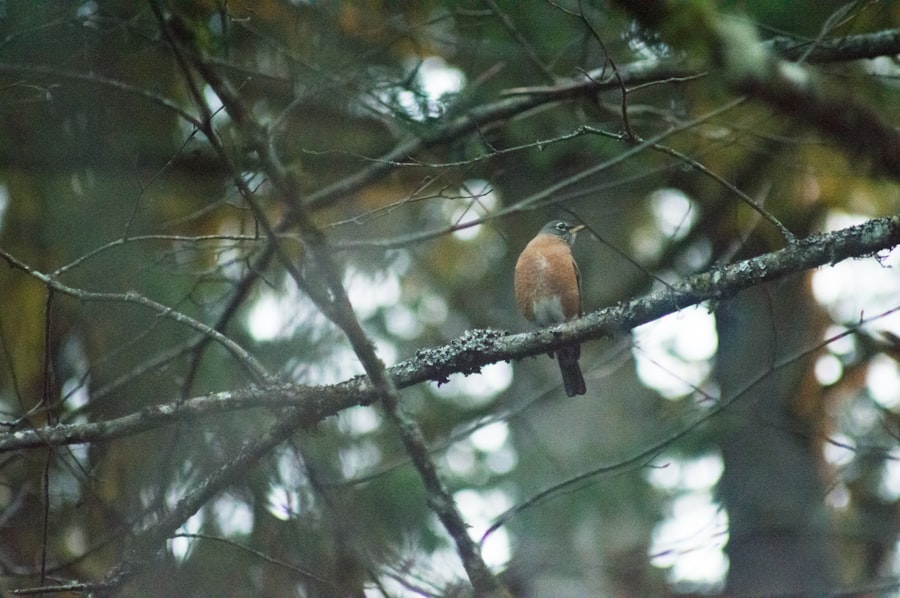
The importance of conservation and protection of reforested bird habitats cannot be overstated. As you engage with these environments, you may come to understand that safeguarding these areas is crucial for ensuring the long-term survival of both birds and their ecosystems. Effective conservation strategies involve not only protecting existing habitats but also creating corridors that connect fragmented landscapes, allowing birds to move freely between areas.
Moreover, conservation efforts must prioritize community involvement and education. By fostering a sense of stewardship among local populations, you can help ensure that reforested areas are respected and protected for generations to come. Engaging communities in conservation initiatives empowers them to take an active role in preserving their natural heritage while also benefiting from the ecological services provided by healthy bird populations.
The Role of Community Engagement and Education in Supporting Bird Populations in Reforested Areas
Community engagement and education play pivotal roles in supporting bird populations in reforested areas. When you involve local communities in conservation efforts, you create a sense of ownership and responsibility towards their natural surroundings. Educational programs can raise awareness about the importance of biodiversity and the specific roles that birds play within ecosystems.
By fostering an appreciation for these colorful creatures, you inspire individuals to take action in protecting their habitats. Additionally, community-led initiatives can lead to innovative solutions for addressing challenges faced by bird populations. For instance, local residents may develop sustainable practices that minimize habitat destruction while promoting economic development through ecotourism or sustainable agriculture.
As you witness these collaborative efforts unfold, you may feel a renewed sense of hope for the future of colorful birds in reforested areas.
The Future of Colorful Birds in Reforested Areas
As you reflect on the journey through reforestation efforts and their impact on bird populations, it becomes clear that there is both hope and urgency in this endeavor. The future of colorful birds in reforested areas hinges on our collective commitment to conservation, education, and community engagement. By recognizing the intrinsic value of these avian species and their habitats, you can contribute to a brighter future where vibrant bird populations thrive once more.
In conclusion, your actions matter—whether it’s supporting local conservation initiatives or simply taking time to appreciate the beauty of birds in your surroundings. Each small step contributes to a larger movement aimed at restoring ecosystems and ensuring that future generations can enjoy the sights and sounds of colorful birds flitting through lush forests once again. Together, we can create a world where nature flourishes, and our feathered friends reclaim their rightful place in our shared environment.
The Colorful Comeback of Birds in Reforested Areas is a heartwarming article that highlights the positive impact of reforestation on bird populations. It is truly inspiring to see how planting trees can create a habitat for these beautiful creatures to thrive once again. If you are interested in learning more about the benefits of planting trees for the environment, you should check out this insightful article on Advantages of Planting Trees for Climate Change. It delves into how trees can help combat global warming and why it is crucial to support reforestation efforts. Let’s all live life with purpose and make a positive impact on our planet!
FAQs
What is the significance of the comeback of birds in reforested areas?
The comeback of birds in reforested areas is significant because it indicates the restoration of the ecosystem. Birds play a crucial role in maintaining the balance of the ecosystem by controlling insect populations, dispersing seeds, and pollinating plants.
How do reforested areas contribute to the increase in bird populations?
Reforested areas provide habitat and food sources for birds, which leads to an increase in bird populations. The presence of trees and vegetation in reforested areas creates a suitable environment for birds to nest, forage, and raise their young.
What are some of the bird species that have made a colorful comeback in reforested areas?
Some of the bird species that have made a colorful comeback in reforested areas include the Scarlet Tanager, the Baltimore Oriole, the Wood Thrush, and the Indigo Bunting. These species are known for their vibrant plumage and melodious songs.
How do reforested areas benefit other wildlife besides birds?
Reforested areas benefit other wildlife besides birds by providing habitat, food, and shelter. The presence of trees and vegetation in reforested areas supports a diverse range of wildlife, including mammals, reptiles, amphibians, and insects.
What are some of the challenges in maintaining the comeback of birds in reforested areas?
Some of the challenges in maintaining the comeback of birds in reforested areas include habitat fragmentation, invasive species, climate change, and human disturbance. Conservation efforts are needed to address these challenges and ensure the long-term success of reforestation projects.