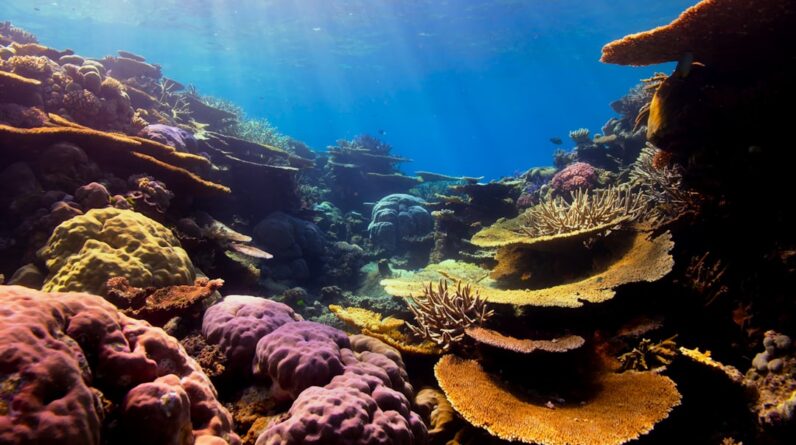
In an era where environmental concerns are at the forefront of global discourse, corporate responsibility has emerged as a critical component of sustainable business practices. You may find yourself increasingly aware of how the actions of corporations can significantly impact the health of our oceans. The vast bodies of water that cover over 70% of the Earth’s surface are not just beautiful landscapes; they are vital ecosystems that support a diverse range of life and provide essential resources for humanity.
As you delve into the concept of corporate responsibility, it becomes clear that businesses have a pivotal role to play in safeguarding ocean health. Corporate responsibility encompasses a wide array of practices, from ethical labor standards to environmental stewardship. When it comes to ocean health, this responsibility extends to how companies manage their resources, waste, and overall impact on marine ecosystems.
You might be surprised to learn that the choices made by corporations—whether in manufacturing, shipping, or even marketing—can either contribute to the degradation of ocean environments or foster their restoration and sustainability. Understanding this relationship is crucial for both consumers and businesses alike, as it sets the stage for a more sustainable future.
Key Takeaways
- Corporate responsibility plays a crucial role in preserving ocean health by addressing the impact of business activities on marine ecosystems.
- Companies have a significant impact on ocean health through their operations, supply chains, and waste management, making it essential for them to take proactive measures to minimize their negative effects.
- Case studies of companies leading the way in ocean health initiatives demonstrate the positive impact of corporate responsibility in promoting sustainable ocean management and conservation efforts.
- Collaboration and partnerships are essential for the success of corporate ocean health initiatives, as they allow for the pooling of resources, expertise, and influence to drive meaningful change.
- Corporate ocean health initiatives not only benefit the environment and society but also offer businesses opportunities for innovation, cost savings, and enhanced reputation.
The Impact of Corporate Activities on Ocean Health
As you explore the various ways corporate activities affect ocean health, it becomes evident that the consequences can be both direct and indirect. For instance, industries such as fishing, shipping, and oil extraction have long been associated with practices that harm marine ecosystems. Overfishing depletes fish populations, while oil spills can devastate entire coastal regions.
You may have heard about the alarming statistics regarding plastic pollution, much of which is linked to corporate production and packaging practices. The sheer volume of plastic waste entering the oceans each year is staggering, and it poses a significant threat to marine life. Moreover, the impact of corporate activities extends beyond immediate physical harm.
The emissions from shipping vessels contribute to climate change, which in turn affects ocean temperatures and acidity levels. As you consider these factors, it becomes clear that the health of our oceans is intricately connected to corporate practices. Companies that fail to recognize their role in this ecosystem may inadvertently contribute to its decline, while those that take proactive measures can help mitigate these effects and promote a healthier marine environment.
Case Studies of Companies Leading the Way in Ocean Health Initiatives

You may be inspired by the stories of companies that have taken significant steps toward promoting ocean health. One notable example is Patagonia, an outdoor clothing brand that has long championed environmental causes. Patagonia has committed a portion of its profits to ocean conservation efforts and actively participates in initiatives aimed at reducing plastic waste.
Their dedication to sustainability resonates with consumers who value corporate responsibility, demonstrating that businesses can thrive while prioritizing the health of our oceans. Another compelling case is that of Unilever, a multinational consumer goods company that has implemented a comprehensive sustainability strategy. Unilever has set ambitious targets to reduce its plastic footprint and has invested in innovative packaging solutions that minimize waste.
By collaborating with organizations focused on ocean health, Unilever not only enhances its brand reputation but also contributes to meaningful change in marine ecosystems. These examples illustrate how companies can lead by example, inspiring others in their industries to adopt similar practices.
The Role of Corporate Responsibility in Sustainable Ocean Management
As you reflect on the role of corporate responsibility in sustainable ocean management, it becomes apparent that businesses have a unique opportunity to influence positive change. By integrating sustainability into their core operations, companies can develop practices that protect marine environments while also driving profitability. This approach not only benefits the oceans but also enhances brand loyalty among consumers who prioritize environmental stewardship.
Corporate responsibility in ocean management involves more than just compliance with regulations; it requires a commitment to continuous improvement and innovation. You might consider how companies can adopt sustainable sourcing practices, invest in renewable energy, or engage in habitat restoration projects. By taking these steps, businesses can demonstrate their dedication to preserving ocean health and set a standard for others to follow.
This proactive stance not only mitigates risks associated with environmental degradation but also positions companies as leaders in sustainability.
The Importance of Collaboration and Partnerships in Corporate Ocean Health Initiatives
In your exploration of corporate initiatives aimed at improving ocean health, you will likely encounter the theme of collaboration. No single entity can tackle the complex challenges facing our oceans alone; partnerships between businesses, governments, non-profits, and local communities are essential for creating lasting change. You may find it encouraging that many companies are recognizing the value of working together to address shared goals related to ocean conservation.
Collaborative efforts can take many forms, from joint research initiatives to co-funding conservation projects. For instance, you might look at how companies in the fishing industry are partnering with environmental organizations to develop sustainable fishing practices that protect marine biodiversity. These partnerships not only enhance the effectiveness of conservation efforts but also foster a sense of shared responsibility among stakeholders.
As you consider the potential for collaboration, it becomes clear that collective action is key to achieving meaningful progress in ocean health initiatives.
The Benefits of Corporate Ocean Health Initiatives for Businesses and Society

As you delve deeper into the benefits of corporate ocean health initiatives, you will discover that these efforts yield positive outcomes for both businesses and society at large. For companies, adopting sustainable practices can lead to cost savings through improved efficiency and reduced waste. Additionally, businesses that prioritize ocean health often enjoy enhanced brand reputation and customer loyalty, as consumers increasingly seek out environmentally responsible products and services.
On a societal level, corporate initiatives aimed at preserving ocean health contribute to the well-being of communities that rely on marine resources for their livelihoods. Healthy oceans support fisheries, tourism, and recreation—all vital components of local economies. By investing in ocean conservation, companies not only fulfill their ethical obligations but also create a ripple effect that benefits society as a whole.
You may find it heartening to know that when businesses take action for ocean health, they are contributing to a more sustainable future for generations to come.
Challenges and Opportunities for Companies in Promoting Ocean Health
While there are numerous opportunities for companies to promote ocean health, challenges remain that can hinder progress. You may recognize that balancing profitability with sustainability is often a complex endeavor. Companies may face pressure from shareholders to prioritize short-term financial gains over long-term environmental stewardship.
Additionally, navigating regulatory frameworks and public scrutiny can pose significant hurdles for businesses seeking to implement sustainable practices. However, these challenges also present opportunities for innovation and growth. As you consider the evolving landscape of corporate responsibility, you might be inspired by how some companies are leveraging technology to address ocean health issues.
From developing biodegradable materials to utilizing data analytics for sustainable resource management, businesses have the potential to drive transformative change in their industries. By embracing these opportunities and overcoming challenges, companies can position themselves as leaders in the movement toward healthier oceans.
The Future of Corporate Responsibility in Preserving Ocean Health
As you reflect on the future of corporate responsibility in preserving ocean health, it becomes clear that the path forward is filled with both challenges and possibilities. The growing awareness of environmental issues among consumers and stakeholders is prompting businesses to reevaluate their practices and embrace sustainability as a core value. You may feel optimistic about the potential for positive change as more companies recognize their role in protecting our oceans.
The journey toward sustainable ocean management will require ongoing commitment and collaboration among all stakeholders involved. As you consider your own role as a consumer or business leader, remember that every action counts—whether it’s supporting companies with strong environmental practices or advocating for policies that promote ocean conservation. Together, we can create a future where corporate responsibility aligns with the health of our oceans, ensuring that these vital ecosystems thrive for generations to come.
A related article to Corporate Responsibility: The Companies Taking the Lead on Ocean Health can be found at Live Life with a Cause. This article discusses the importance of planting trees for climate change and how it can positively impact the environment. By highlighting the benefits of tree planting, companies can further demonstrate their commitment to corporate responsibility and sustainability efforts.
FAQs
What is corporate responsibility?
Corporate responsibility refers to the idea that businesses have a responsibility to consider the social, environmental, and economic impacts of their decisions and actions. This includes taking steps to minimize negative impacts and contribute to the well-being of society and the environment.
Why is ocean health important?
Ocean health is important because the oceans play a crucial role in regulating the Earth’s climate, providing food and livelihoods for millions of people, and supporting a diverse array of marine life. However, human activities such as pollution, overfishing, and climate change are putting the health of the oceans at risk.
What are some examples of companies taking the lead on ocean health?
Some companies are taking the lead on ocean health by implementing sustainable fishing practices, reducing plastic waste, and investing in ocean conservation efforts. For example, some companies are working to reduce their plastic packaging and waste, while others are supporting marine protected areas and sustainable seafood sourcing.
How can companies contribute to ocean health?
Companies can contribute to ocean health by reducing their environmental impact, supporting sustainable fishing practices, investing in ocean conservation initiatives, and advocating for policies that protect the oceans. This can include measures such as reducing plastic use, minimizing pollution, and supporting marine conservation efforts.
What are the benefits of corporate responsibility for ocean health?
Corporate responsibility for ocean health can lead to a healthier marine environment, more sustainable fisheries, and a reduced impact of human activities on the oceans. This can benefit both the environment and the communities that depend on the oceans for their livelihoods.