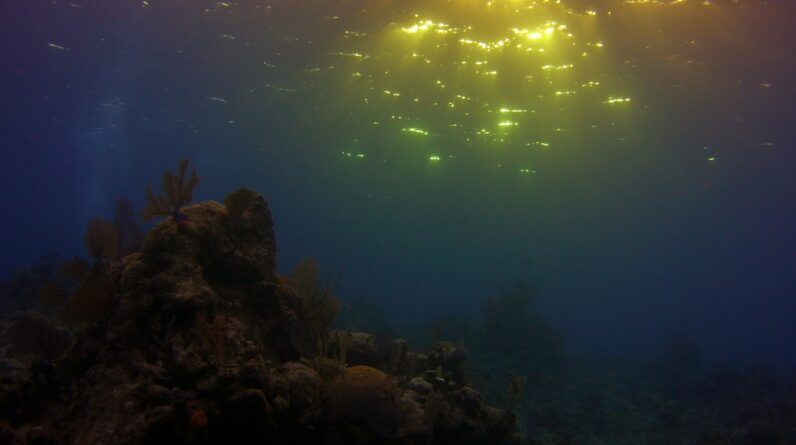
As you gaze out at the vast expanse of the ocean, it’s easy to overlook the intricate balance of life that thrives beneath the surface. However, a silent crisis is unfolding in these waters: the decline of oxygen levels, a phenomenon that poses significant threats to marine ecosystems and, by extension, human health. The oceans are not just a backdrop for our recreational activities; they are vital to the planet’s health, playing a crucial role in regulating climate and supporting biodiversity.
The decline in ocean oxygen, often referred to as hypoxia, is a growing concern that demands your attention and action. The oceans are responsible for producing a substantial portion of the oxygen you breathe, thanks to phytoplankton and other marine plants. Yet, as you may not realize, these oxygen levels are diminishing due to various anthropogenic factors.
This decline is not merely an environmental issue; it has far-reaching implications for public health, food security, and economic stability. Understanding the causes and consequences of ocean oxygen decline is essential for developing effective public health strategies that can mitigate its impacts on both marine life and human populations.
Key Takeaways
- Ocean oxygen decline is a growing concern with significant implications for public health.
- Factors contributing to ocean oxygen decline include climate change, nutrient pollution, and overfishing.
- Ocean oxygen decline can lead to harmful algal blooms, loss of biodiversity, and increased prevalence of marine diseases, impacting public health.
- Current public health planning for ocean oxygen decline is limited and needs to be integrated into broader climate change adaptation strategies.
- Strategies for addressing ocean oxygen decline in public health planning include reducing nutrient pollution, promoting sustainable fishing practices, and monitoring marine health indicators.
Factors Contributing to Ocean Oxygen Decline
Several interrelated factors contribute to the alarming decline in ocean oxygen levels. One of the primary culprits is climate change, which leads to rising sea temperatures. As temperatures increase, the solubility of oxygen in seawater decreases, making it harder for marine organisms to access the oxygen they need to survive.
You might not think about it often, but warmer waters can also lead to stratification, where layers of water do not mix. This stratification prevents oxygen from reaching deeper waters, creating “dead zones” where life struggles to exist. Another significant factor is nutrient pollution, primarily from agricultural runoff and wastewater discharge.
When excess nutrients like nitrogen and phosphorus enter the ocean, they fuel algal blooms that can deplete oxygen levels when they die and decompose. This process, known as eutrophication, can create vast areas of hypoxic waters that are inhospitable to most marine life. As you consider the implications of these factors, it becomes clear that human activities are at the heart of this crisis, necessitating urgent action to address the root causes.
Impacts of Ocean Oxygen Decline on Public Health

The decline in ocean oxygen levels has profound implications for public health that extend beyond the immediate effects on marine ecosystems. As fish and other seafood species struggle to survive in hypoxic conditions, you may find that your access to healthy protein sources diminishes. Overfishing and declining fish populations can lead to food insecurity, particularly in coastal communities that rely heavily on fishing for their livelihoods.
The ripple effects of this decline can impact nutrition and overall health for millions of people worldwide. Moreover, the decline in ocean oxygen can exacerbate existing public health issues. For instance, harmful algal blooms associated with nutrient pollution can produce toxins that contaminate seafood and water supplies.
Consuming contaminated seafood can lead to serious health problems, including neurological disorders and gastrointestinal illnesses. As you reflect on these interconnected issues, it becomes evident that ocean oxygen decline is not just an environmental concern; it is a public health crisis that requires immediate attention and action.
Current Public Health Planning for Ocean Oxygen Decline
In response to the growing threat of ocean oxygen decline, public health planning efforts are beginning to take shape. Various governmental and non-governmental organizations are recognizing the need for integrated approaches that address both environmental and health concerns. You may be aware of initiatives aimed at monitoring water quality and promoting sustainable fishing practices as part of broader public health strategies.
These efforts are crucial in ensuring that communities remain resilient in the face of changing ocean conditions. However, current public health planning often lacks a comprehensive understanding of the complex interactions between ocean health and human health. While some programs focus on immediate responses to algal blooms or fishery management, they may overlook the long-term implications of declining oxygen levels on marine ecosystems and food security.
As you consider these gaps, it becomes clear that a more holistic approach is necessary—one that incorporates scientific research, community engagement, and policy advocacy to effectively address the multifaceted challenges posed by ocean oxygen decline.
Gaps in Public Health Planning for Ocean Oxygen Decline
Despite growing awareness of ocean oxygen decline, significant gaps remain in public health planning efforts. One major issue is the lack of robust data on how declining oxygen levels directly impact human health outcomes. While researchers have made strides in understanding the ecological consequences of hypoxia, translating this knowledge into actionable public health strategies has proven challenging.
You may find it concerning that without comprehensive data linking ocean health to human health, policymakers may struggle to prioritize interventions effectively. Additionally, there is often insufficient collaboration between environmental scientists and public health officials. This disconnect can lead to fragmented approaches that fail to address the root causes of ocean oxygen decline comprehensively.
As you think about potential solutions, consider how fostering interdisciplinary partnerships could enhance public health planning efforts. By bridging the gap between environmental science and public health, you can help create more effective strategies that address both immediate concerns and long-term sustainability.
Strategies for Addressing Ocean Oxygen Decline in Public Health Planning

To effectively tackle the issue of ocean oxygen decline within public health planning, several strategies can be employed. First and foremost, enhancing monitoring systems for water quality is essential. By investing in technologies that track changes in oxygen levels and nutrient pollution in real-time, you can empower communities to respond proactively to emerging threats.
This data-driven approach can inform public health advisories and guide sustainable fishing practices. Another critical strategy involves promoting community engagement and education around ocean health issues. You can play a role in raising awareness about the importance of maintaining healthy oceans and the direct link between marine ecosystems and human well-being.
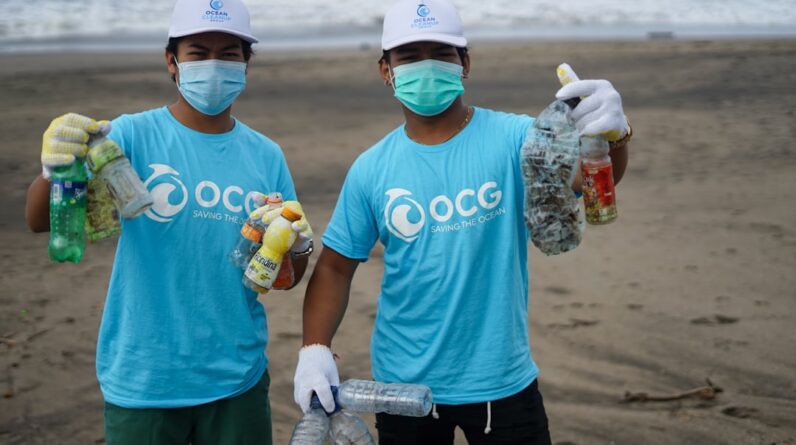
Educational campaigns can encourage individuals to adopt sustainable practices in their daily lives, such as reducing plastic waste and supporting local fisheries that prioritize environmental stewardship. By fostering a sense of responsibility towards ocean health, you can contribute to a collective effort aimed at reversing the trend of declining oxygen levels.
Collaborative Efforts and Partnerships in Public Health Planning for Ocean Oxygen Decline
Collaboration is key when addressing complex issues like ocean oxygen decline. You may be interested to know that various organizations are already working together to create synergies between environmental protection and public health initiatives. Partnerships between governmental agencies, non-profit organizations, academic institutions, and local communities can lead to more comprehensive solutions that address both ecological and human health concerns.
For instance, initiatives like the Global Ocean Observing System (GOOS) aim to enhance international cooperation in monitoring ocean conditions while integrating public health considerations into their frameworks. By participating in such collaborative efforts, you can help ensure that diverse perspectives are included in decision-making processes. These partnerships not only strengthen public health planning but also foster a sense of shared responsibility for protecting our oceans.
Conclusion and Recommendations for Future Public Health Planning
In conclusion, addressing ocean oxygen decline is an urgent public health challenge that requires immediate action and long-term commitment. As you reflect on the interconnectedness of marine ecosystems and human well-being, it becomes clear that effective public health planning must prioritize this issue. Recommendations for future planning include enhancing data collection on ocean conditions and their impacts on human health, fostering interdisciplinary collaboration among scientists and public health officials, and promoting community engagement initiatives.
By taking these steps, you can contribute to a more sustainable future where healthy oceans support thriving communities. The time for action is now; as stewards of our planet’s resources, we all have a role to play in ensuring that future generations inherit a world where both marine life and human populations can flourish together.
In a related article on how trees can save the Earth from global warming, the importance of preserving our natural environment is highlighted. Just as ocean oxygen decline poses a threat to public health, global warming also has far-reaching consequences for our planet. By understanding the interconnectedness of these issues and taking action to protect our environment, we can work towards a healthier and more sustainable future for all.
FAQs
What is ocean oxygen decline?
Ocean oxygen decline refers to the reduction in the concentration of oxygen in the Earth’s oceans. This decline is primarily caused by human activities such as climate change, nutrient pollution, and overfishing, which can lead to harmful algal blooms and the subsequent depletion of oxygen in the water.
Why is ocean oxygen decline a concern for public health?
Ocean oxygen decline can have significant impacts on public health as it can lead to the disruption of marine ecosystems, the loss of biodiversity, and the potential for harmful algal blooms. These changes can affect the availability of seafood, water quality, and the overall health of coastal communities that rely on the ocean for food and livelihoods.
How can public health planning address ocean oxygen decline?
Public health planning can address ocean oxygen decline by implementing policies and strategies to reduce the factors contributing to oxygen depletion, such as reducing greenhouse gas emissions, controlling nutrient pollution, and implementing sustainable fishing practices. Additionally, public health planning can focus on monitoring and early warning systems to detect and respond to oxygen decline events.
Are current public health systems prepared to address ocean oxygen decline?
There is growing recognition of the need to address ocean oxygen decline within public health systems, but more comprehensive planning and coordination are needed. Public health systems can benefit from integrating ocean health considerations into their planning and response frameworks to better address the potential impacts of oxygen decline on human health and well-being.
What are the potential consequences of not addressing ocean oxygen decline from a public health perspective?
Failure to address ocean oxygen decline from a public health perspective could lead to increased risks of harmful algal blooms, loss of seafood resources, and compromised water quality, which can have direct impacts on human health. Additionally, the potential disruption of marine ecosystems could have broader implications for food security and economic stability in coastal communities.