Reforestation plays a crucial role in preserving and enhancing biodiversity, which is vital for the health of our planet. When you think about biodiversity, consider it as the intricate web of life that includes various species of plants, animals, fungi, and microorganisms. Each of these components contributes to the ecosystem’s overall functionality and resilience.
By replanting trees and restoring forests, you create habitats that support a wide array of species, many of which are endangered or threatened due to habitat loss. This restoration not only helps in maintaining genetic diversity but also ensures that ecosystems can adapt to changes over time. Moreover, reforestation can act as a buffer against the impacts of climate change, which often threatens biodiversity.
As you engage in reforestation efforts, you are not just planting trees; you are also creating corridors that allow wildlife to migrate and adapt to shifting climates. These corridors are essential for species that need to move to find suitable habitats as their current environments become inhospitable. By fostering biodiversity through reforestation, you contribute to a more resilient ecosystem that can withstand environmental changes and support life in all its forms.
Key Takeaways
- Reforestation is crucial for restoring and preserving biodiversity, as it provides habitats for a wide variety of plant and animal species.
- Reforestation plays a significant role in mitigating climate change by absorbing carbon dioxide from the atmosphere and reducing greenhouse gas emissions.
- Effective reforestation strategies and techniques include planting native tree species, promoting natural regeneration, and implementing sustainable land management practices.
- Reforestation is essential for wildlife conservation, as it creates new habitats and corridors for animals, helping to protect and restore endangered species.
- Reforestation contributes to the restoration of ecosystem services such as soil stabilization, water regulation, and air purification, benefiting both the environment and human communities.
The Role of Reforestation in Mitigating Climate Change
Reforestation is a powerful tool in the fight against climate change, and your involvement in these efforts can make a significant difference. Trees absorb carbon dioxide from the atmosphere, acting as natural carbon sinks. When you participate in reforestation projects, you help sequester carbon, thereby reducing the overall concentration of greenhouse gases in the atmosphere.
This process is essential for mitigating climate change and its associated impacts, such as extreme weather events and rising sea levels. In addition to carbon sequestration, reforestation can help regulate local climates. Forests play a critical role in maintaining temperature and humidity levels, which can influence weather patterns.
By planting trees, you contribute to the cooling effect that forests have on their surroundings. This is particularly important in urban areas where heat islands can exacerbate climate-related issues. Your efforts in reforestation not only combat climate change but also promote healthier environments for communities and wildlife alike.
Reforestation Strategies and Techniques
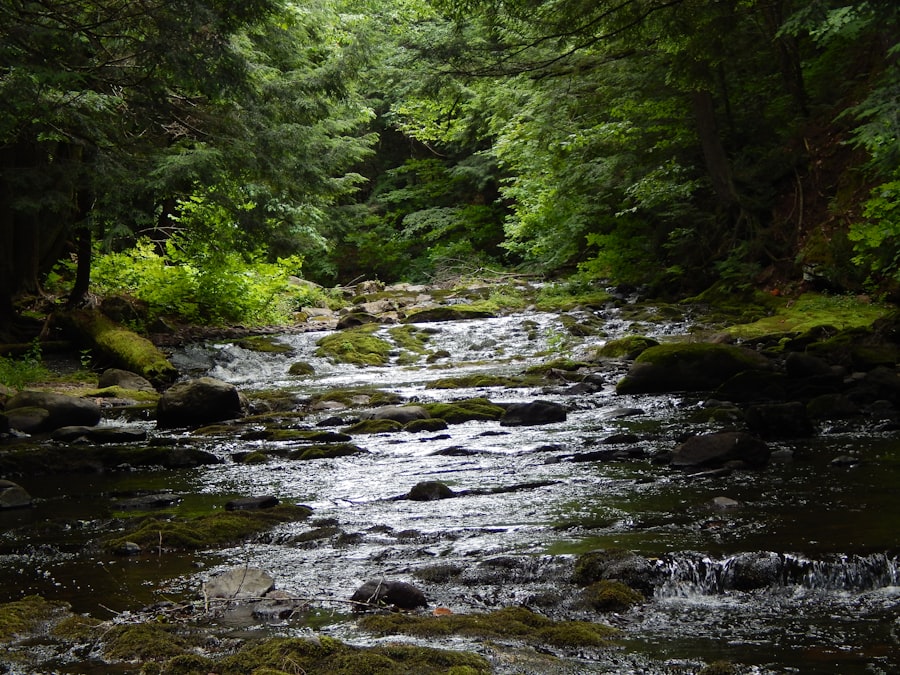
When it comes to reforestation, various strategies and techniques can be employed to maximize effectiveness. One approach is the use of native species, which are well-adapted to local conditions and provide essential habitat for local wildlife. By choosing native trees for your reforestation projects, you ensure that the ecosystem remains balanced and that the plants thrive in their natural environment.
This method also helps prevent the introduction of invasive species that could disrupt local ecosystems. Another effective strategy is community involvement in reforestation efforts. Engaging local communities not only fosters a sense of ownership but also ensures that the reforestation initiatives are sustainable in the long run.
You can organize tree-planting events or educational workshops to raise awareness about the importance of forests and biodiversity. By empowering communities to take part in these efforts, you create a network of advocates who are invested in the health of their environment.
Reforestation and Wildlife Conservation
Reforestation is intrinsically linked to wildlife conservation, as it provides essential habitats for countless species. When you participate in reforestation projects, you are directly contributing to the preservation of wildlife populations that rely on forests for their survival. Many animals depend on trees for food, shelter, and breeding grounds.
By restoring forested areas, you create safe havens for these species, allowing them to thrive and maintain healthy populations. Furthermore, reforested areas can serve as critical corridors for wildlife movement. As urbanization and agriculture continue to encroach on natural habitats, many species find themselves isolated in fragmented landscapes.
Your efforts in reforestation can help connect these isolated populations, allowing for genetic exchange and reducing the risk of extinction. By prioritizing wildlife conservation through reforestation, you play a vital role in maintaining ecological balance and ensuring that future generations can enjoy diverse ecosystems.
Reforestation and the Restoration of Ecosystem Services
The restoration of ecosystem services is another significant benefit of reforestation that you should consider. Ecosystem services refer to the benefits that humans derive from nature, including clean air and water, soil fertility, and pollination of crops. When you engage in reforestation efforts, you contribute to the restoration of these vital services that are often compromised by deforestation and land degradation.
For instance, trees play a crucial role in maintaining soil health by preventing erosion and promoting nutrient cycling. When forests are restored, you help stabilize soils and improve their fertility, which is essential for agriculture and food security. Additionally, forests act as natural water filters, improving water quality by capturing pollutants before they reach waterways.
By participating in reforestation initiatives, you not only enhance biodiversity but also ensure that essential ecosystem services are restored for the benefit of both nature and humanity.
Reforestation and Indigenous Communities

Indigenous communities have long been stewards of the land, possessing invaluable knowledge about sustainable practices and biodiversity conservation. Your involvement in reforestation efforts can greatly benefit from collaborating with these communities. By respecting their traditional ecological knowledge and incorporating it into your projects, you can enhance the effectiveness of reforestation initiatives while also empowering Indigenous peoples.
Moreover, reforestation can provide economic opportunities for Indigenous communities through sustainable forestry practices and ecotourism. When you support these initiatives, you help create jobs and promote livelihoods that are aligned with environmental conservation. This collaboration not only strengthens community ties but also fosters a deeper understanding of the interconnectedness between people and nature.
Challenges and Opportunities in Reforestation Efforts
While reforestation presents numerous benefits, it is not without its challenges. One significant hurdle is securing funding for large-scale projects. Many reforestation initiatives require substantial financial resources for planning, implementation, and maintenance.
As an advocate for reforestation, you can help raise awareness about these funding needs and encourage investment from both public and private sectors. Another challenge lies in ensuring the long-term success of reforested areas. It is essential to monitor these sites regularly to assess their health and resilience.
You can contribute by volunteering your time or resources to support ongoing maintenance efforts, such as removing invasive species or conducting ecological assessments. By addressing these challenges head-on, you can help create a more sustainable future for reforestation initiatives.
The Future of Reforestation: A Beacon for Biodiversity in a Changing World
Looking ahead, reforestation stands as a beacon of hope for biodiversity in an increasingly changing world. As climate change continues to pose threats to ecosystems globally, your involvement in reforestation efforts becomes even more critical. By advocating for policies that support tree planting and forest restoration, you can help shape a future where biodiversity thrives alongside human development.
In this evolving landscape, innovative technologies such as drone planting and genetic engineering may play a role in enhancing reforestation efforts. These advancements could allow for more efficient planting methods and improved survival rates for newly planted trees. As you stay informed about these developments, consider how they can be integrated into your own reforestation initiatives.
Ultimately, your commitment to reforestation not only contributes to biodiversity but also fosters a deeper connection between people and nature. By recognizing the importance of forests and actively participating in their restoration, you become part of a global movement dedicated to preserving our planet’s rich tapestry of life for generations to come.
Reforestation: A Beacon for Biodiversity in a Changing World highlights the importance of planting trees to combat climate change and preserve biodiversity. For further reading on the benefits of planting trees for climate change, check out Advantages of Planting Trees for Climate Change. This article delves into how trees can help mitigate the effects of climate change and create a more sustainable future for our planet.
FAQs
What is reforestation?
Reforestation is the process of restoring and replanting forests that have been depleted or destroyed, with the goal of creating a healthy and sustainable ecosystem.
Why is reforestation important for biodiversity?
Reforestation is important for biodiversity because it provides habitat for a wide variety of plant and animal species. Healthy forests support diverse ecosystems and help to maintain a balanced and thriving environment.
How does reforestation help in a changing world?
Reforestation helps in a changing world by mitigating the effects of climate change. Trees absorb carbon dioxide from the atmosphere, helping to reduce greenhouse gas emissions and combat global warming. Additionally, reforestation helps to prevent soil erosion, regulate water cycles, and provide natural resources for local communities.
What are the benefits of reforestation for local communities?
Reforestation provides numerous benefits for local communities, including improved air and water quality, increased access to natural resources such as timber and medicinal plants, and opportunities for sustainable livelihoods through activities like agroforestry and eco-tourism.
What are some successful examples of reforestation projects?
Successful examples of reforestation projects include the Atlantic Forest Reforestation Project in Brazil, the Bonn Challenge which aims to restore 350 million hectares of degraded and deforested land by 2030, and the Million Trees NYC initiative which aims to plant and care for one million new trees across New York City’s five boroughs.