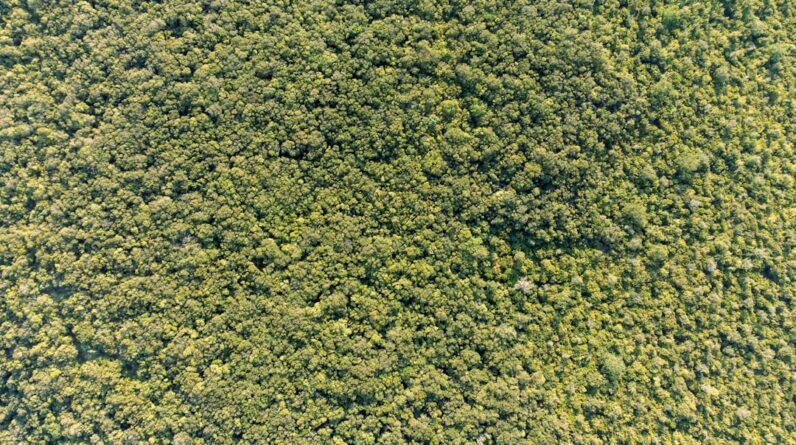
Reforestation plays a pivotal role in the broader context of rewilding efforts, which aim to restore ecosystems to their natural states. When you consider the impact of deforestation, it becomes clear that the absence of trees not only disrupts local wildlife but also diminishes the overall health of the environment. By reintroducing trees into these landscapes, you are not merely planting seeds; you are laying the groundwork for a thriving ecosystem.
This process helps to restore habitats for countless species, allowing them to flourish once again in their natural environments. The act of reforesting is, therefore, a fundamental step in rewilding, as it provides the necessary foundation for biodiversity to rebound. Moreover, reforestation contributes to the restoration of ecological processes that have been disrupted by human activity.
When you engage in reforestation, you are actively participating in the rejuvenation of soil health, water cycles, and carbon sequestration. Trees play a crucial role in maintaining these processes, and their presence can lead to improved air quality and reduced soil erosion. As you witness the gradual transformation of a barren landscape into a lush forest, you can appreciate how reforestation serves as a catalyst for broader ecological recovery.
This interconnectedness highlights the importance of trees not just as individual entities but as integral components of a larger ecological tapestry.
Key Takeaways
- Reforestation plays a crucial role in rewilding efforts by restoring natural habitats and creating a more balanced ecosystem.
- Restoring ecosystems and biodiversity through reforestation helps to protect and support a wide range of plant and animal species.
- Reforestation is a key solution to climate change as trees absorb carbon dioxide and help mitigate the effects of greenhouse gas emissions.
- Challenges and obstacles in reforestation projects include deforestation, land degradation, and lack of funding and resources.
- Success stories in reforestation and rewilding demonstrate the positive impact of restoring forests and natural habitats on the environment and local communities.
Restoring Ecosystems and Biodiversity Through Reforestation
The restoration of ecosystems through reforestation is a multifaceted endeavor that requires careful planning and execution. When you participate in reforestation projects, you are contributing to the revival of habitats that have been lost or degraded over time. This process often involves selecting native tree species that are well-suited to the local environment, ensuring that the new forest will support a diverse array of flora and fauna.
By prioritizing native species, you help to create a resilient ecosystem that can withstand environmental changes and support local wildlife populations. In addition to providing habitat for animals, reforestation also enhances biodiversity at the genetic level. As you plant trees and restore forests, you are fostering a diverse gene pool that can adapt to changing conditions.
This genetic diversity is essential for the long-term survival of species, as it allows them to evolve and thrive in response to environmental pressures. Furthermore, healthy forests contribute to ecosystem services such as pollination, water filtration, and nutrient cycling, all of which are vital for maintaining ecological balance. By engaging in reforestation efforts, you are not only restoring habitats but also ensuring the resilience and sustainability of entire ecosystems.
Reforestation as a Solution to Climate Change

Reforestation is increasingly recognized as a powerful tool in the fight against climate change. As you may know, trees absorb carbon dioxide from the atmosphere, acting as natural carbon sinks that help mitigate the effects of greenhouse gas emissions. By participating in reforestation initiatives, you are directly contributing to the reduction of atmospheric carbon levels.
This process is particularly important given the urgency of addressing climate change and its far-reaching impacts on global ecosystems and human societies. In addition to carbon sequestration, reforestation can also enhance local climate resilience. When you restore forests, you create microclimates that can help regulate temperature and humidity levels in surrounding areas.
This is especially crucial in regions that are experiencing increased temperatures and erratic weather patterns due to climate change. By fostering healthy forests, you are not only combating climate change but also promoting adaptive strategies for communities vulnerable to its impacts. The dual benefits of carbon sequestration and climate resilience make reforestation an essential component of any comprehensive climate action plan.
Challenges and Obstacles in Reforestation Projects
Despite the numerous benefits associated with reforestation, there are significant challenges and obstacles that can hinder successful projects. One major issue is the availability of suitable land for planting trees. As urbanization continues to expand, finding appropriate spaces for reforestation can be difficult.
You may encounter land that has been degraded or contaminated, making it less conducive to supporting new growth. Additionally, competing land uses—such as agriculture or development—can pose significant barriers to establishing new forests. Another challenge lies in ensuring the long-term success of reforestation efforts.
It is not enough to simply plant trees; ongoing maintenance and monitoring are essential for ensuring their survival and growth. You may face difficulties related to funding, resources, or community engagement that can impede these efforts. Furthermore, invasive species can threaten newly planted trees by outcompeting them for resources or introducing diseases.
Addressing these challenges requires collaboration among various stakeholders, including governments, non-profit organizations, and local communities, all working together toward a common goal.
Success Stories in Reforestation and Rewilding
Amidst the challenges faced in reforestation efforts, there are numerous success stories that demonstrate the potential for positive change. One notable example is the reforestation initiative in Costa Rica, where extensive efforts have led to a remarkable recovery of forest cover over the past few decades. By implementing policies that incentivize sustainable land use and conservation practices, Costa Rica has transformed its landscape from one dominated by deforestation to one rich in biodiversity and thriving ecosystems.
As you learn about these successes, it becomes evident that with commitment and collaboration, significant progress can be made. Another inspiring case is found in China’s Loess Plateau, where large-scale reforestation projects have successfully restored degraded land and improved local livelihoods. Through community involvement and sustainable practices, this initiative has not only revitalized ecosystems but also enhanced agricultural productivity and reduced poverty levels in the region.
These success stories serve as powerful reminders that reforestation and rewilding efforts can yield tangible benefits for both nature and communities when approached with dedication and foresight.
The Role of Indigenous Communities in Reforestation and Rewilding
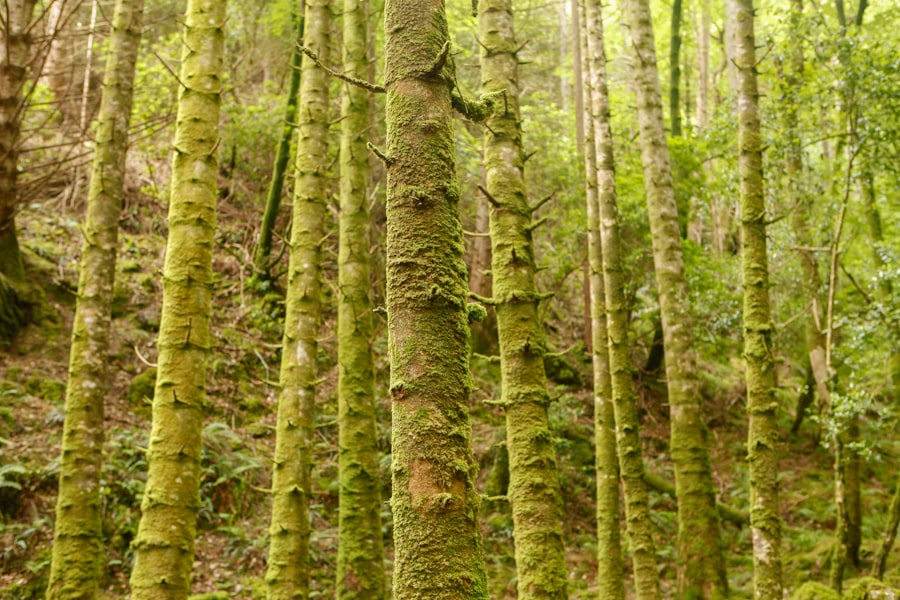
Indigenous communities play a crucial role in reforestation and rewilding efforts due to their deep-rooted knowledge of local ecosystems and sustainable practices. When you engage with these communities, you gain valuable insights into traditional land management techniques that have been honed over generations. Their understanding of native species, seasonal cycles, and ecological relationships can significantly enhance the effectiveness of reforestation projects.
By incorporating indigenous knowledge into your efforts, you can ensure that restoration initiatives are culturally relevant and ecologically sound. Furthermore, involving indigenous communities in reforestation efforts fosters a sense of ownership and stewardship over natural resources. When local people are empowered to participate in decision-making processes regarding land use and conservation strategies, they are more likely to invest in the long-term success of these initiatives.
This collaborative approach not only strengthens community ties but also promotes biodiversity conservation by respecting traditional ecological practices. As you consider the future of reforestation and rewilding efforts, recognizing the invaluable contributions of indigenous communities is essential for achieving sustainable outcomes.
Reforestation and Sustainable Development
Reforestation is intricately linked to sustainable development goals (SDGs), as it addresses multiple interconnected challenges such as poverty alleviation, climate action, and biodiversity conservation. When you engage in reforestation projects, you contribute to creating green jobs and promoting economic opportunities for local communities. Sustainable forestry practices can provide livelihoods while ensuring that natural resources are managed responsibly.
This dual focus on environmental health and economic viability underscores the importance of integrating reforestation into broader development strategies. Moreover, reforestation initiatives can enhance food security by improving soil health and water availability in agricultural areas. As trees are planted, they help restore degraded lands, making them more productive for farming while also providing shade and shelter for crops.
This synergy between agriculture and forestry exemplifies how reforestation can support sustainable development by fostering resilience within communities while promoting ecological balance. By recognizing these connections, you can advocate for policies that prioritize reforestation as a key component of sustainable development frameworks.
The Future of Reforestation and Rewilding Efforts
Looking ahead, the future of reforestation and rewilding efforts holds immense potential for positive change if approached with innovation and collaboration. As awareness grows about the importance of restoring ecosystems, more individuals and organizations are becoming involved in these initiatives. You may find yourself inspired by new technologies such as drone-assisted planting or advanced monitoring systems that enhance the efficiency and effectiveness of reforestation projects.
These advancements can help overcome some of the challenges previously faced while maximizing the impact of your efforts. Additionally, fostering global partnerships will be crucial for scaling up successful reforestation initiatives worldwide. By sharing knowledge, resources, and best practices across borders, you can contribute to a collective movement toward ecological restoration on a global scale.
Engaging with diverse stakeholders—including governments, NGOs, businesses, and local communities—will be essential for creating comprehensive strategies that address both environmental challenges and social needs. As you envision the future of reforestation and rewilding efforts, remember that your involvement can make a meaningful difference in shaping a healthier planet for generations to come.
If you are interested in learning more about the importance of reforestation and its impact on the environment, check out the article “Live Life with a Cause” on https://livelifewithacause.org/live-life-with-a-cause/. This article discusses the various ways individuals can contribute to reforestation efforts and help restore nature’s balance. It is a great resource for those looking to make a positive impact on the planet through tree planting initiatives.
FAQs
What is rewilding through reforestation?
Rewilding through reforestation is a conservation approach that involves restoring and regenerating natural ecosystems by planting trees and reintroducing native plant and animal species to an area. This process aims to bring back the balance of nature and create healthier, more diverse habitats.
Why is rewilding through reforestation important?
Rewilding through reforestation is important for several reasons. It helps to combat climate change by sequestering carbon dioxide, improves air and water quality, restores wildlife habitats, and promotes biodiversity. Additionally, reforestation can help prevent soil erosion and mitigate the impacts of natural disasters such as floods and landslides.
How does rewilding through reforestation benefit the environment?
Rewilding through reforestation benefits the environment in various ways. It helps to restore degraded landscapes, create wildlife corridors, and provide essential ecosystem services such as pollination and water regulation. Reforestation also contributes to the preservation of endangered species and the overall health of ecosystems.
What are some examples of successful rewilding through reforestation projects?
There are numerous successful rewilding through reforestation projects around the world. For example, the “Great Green Wall” initiative in Africa aims to combat desertification by planting a wall of trees across the continent. In Brazil, the Atlantic Forest Restoration Pact has led to the restoration of over 1 million hectares of forest. Additionally, rewilding efforts in Yellowstone National Park have resulted in the recovery of various animal species and the restoration of natural processes.
How can individuals contribute to rewilding through reforestation?
Individuals can contribute to rewilding through reforestation by supporting organizations and initiatives that focus on tree planting and habitat restoration. They can also participate in community tree planting events, advocate for sustainable land use practices, and make environmentally conscious choices in their daily lives. Additionally, supporting policies and legislation that promote reforestation and conservation efforts is crucial for the success of rewilding initiatives.