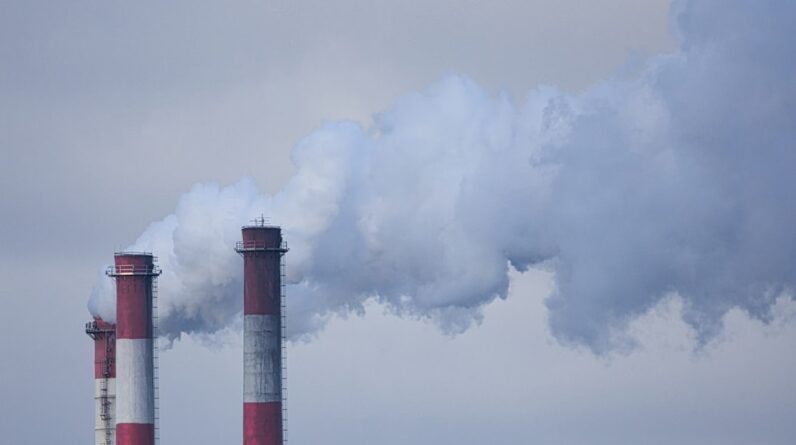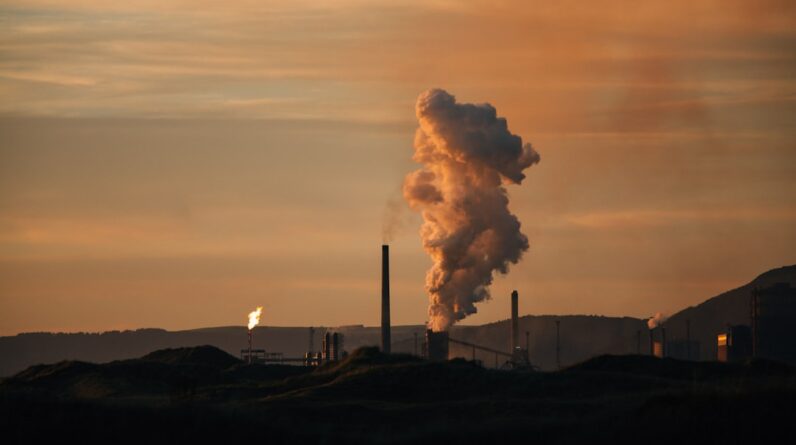
As you delve into the topic of climate change, one of the first concepts you encounter is that of greenhouse gases. These gases play a pivotal role in regulating the Earth’s temperature by trapping heat in the atmosphere. The greenhouse effect is a natural phenomenon that allows our planet to maintain a temperature conducive to life.
However, human activities have significantly increased the concentration of these gases, leading to an enhanced greenhouse effect and, consequently, global warming. Understanding greenhouse gases is essential for grasping the broader implications of climate change and the urgent need for action. Greenhouse gases include carbon dioxide (CO2), methane (CH4), nitrous oxide (N2O), and fluorinated gases, among others.
Each of these gases has a unique source and varying levels of potency in terms of their heat-trapping capabilities. For instance, while carbon dioxide is the most prevalent greenhouse gas emitted by human activities, methane is far more effective at trapping heat in the atmosphere, albeit in smaller quantities. As you explore the intricacies of these gases, you will uncover how they interact with one another and contribute to the complex web of climate dynamics.
Key Takeaways
- Greenhouse gases trap heat in the Earth’s atmosphere, leading to global warming and climate change.
- Methane emissions have a significant impact on global warming, as methane is a potent greenhouse gas with a high warming potential.
- Nitrous oxide is a powerful greenhouse gas that contributes to both global warming and ozone depletion.
- Fluorinated gases, such as hydrofluorocarbons, are synthetic greenhouse gases with a high global warming potential and long atmospheric lifetimes.
- Lesser-known greenhouse gases, including sulfur hexafluoride and nitrogen trifluoride, also contribute to global warming and climate change.
The Impact of Methane Emissions
When you consider greenhouse gases, methane often stands out due to its remarkable potency. Methane is over 25 times more effective than carbon dioxide at trapping heat over a 100-year period. This means that even small amounts of methane emissions can have a significant impact on global warming.
The primary sources of methane emissions include agriculture, landfills, and natural gas production. Livestock, particularly cattle, produce methane during digestion through a process known as enteric fermentation. This biological process highlights the intricate relationship between agricultural practices and climate change.
The consequences of increased methane emissions are profound. As you examine the data, you may find that methane contributes to the formation of ground-level ozone, a harmful air pollutant that poses health risks to humans and ecosystems alike. Additionally, the rapid increase in methane concentrations in the atmosphere has been linked to extreme weather events, such as droughts and floods.
These events not only disrupt ecosystems but also threaten food security and water resources. Understanding the impact of methane emissions is crucial for developing effective strategies to mitigate their effects and protect our planet.
Understanding Nitrous Oxide and its Effects
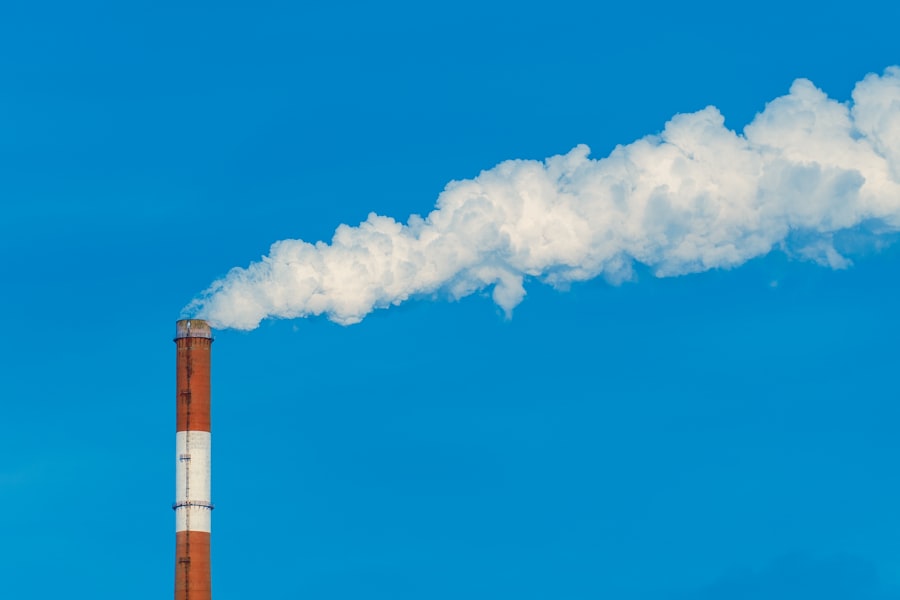
Nitrous oxide is another potent greenhouse gas that warrants your attention. While it is less abundant than carbon dioxide and methane, nitrous oxide is approximately 298 times more effective at trapping heat over a century. The primary sources of nitrous oxide emissions are agricultural activities, particularly the use of synthetic fertilizers and manure management.
When nitrogen-based fertilizers are applied to crops, they can lead to increased nitrous oxide emissions through microbial processes in the soil. The effects of nitrous oxide extend beyond its contribution to global warming. This gas also plays a role in stratospheric ozone depletion, which can have dire consequences for both human health and the environment.
As you explore the implications of nitrous oxide emissions, you may find that they contribute to air quality issues and respiratory problems in urban areas. Addressing nitrous oxide emissions requires a multifaceted approach that includes sustainable agricultural practices and improved fertilizer management techniques.
The Role of Fluorinated Gases in Climate Change
Fluorinated gases represent a unique category of greenhouse gases that are often overlooked in discussions about climate change. These synthetic gases are primarily used in industrial applications, such as refrigeration, air conditioning, and insulation. While they are present in much smaller quantities compared to carbon dioxide or methane, their global warming potential is staggering—some fluorinated gases can be thousands of times more effective at trapping heat than carbon dioxide.
The impact of fluorinated gases on climate change is significant, particularly because they can remain in the atmosphere for extended periods. As you consider their role in global warming, it becomes clear that reducing emissions from these gases is essential for achieving climate goals. International agreements, such as the Kigali Amendment to the Montreal Protocol, aim to phase out the use of certain hydrofluorocarbons (HFCs) and other fluorinated gases.
Your understanding of these agreements can help you appreciate the global effort required to combat climate change effectively.
Lesser-Known Greenhouse Gases in the Atmosphere
While carbon dioxide, methane, nitrous oxide, and fluorinated gases dominate discussions about greenhouse gas emissions, there are several lesser-known gases that also contribute to climate change. These include water vapor, ozone (in the troposphere), and various volatile organic compounds (VOCs). Each of these gases plays a role in the greenhouse effect and can influence climate patterns in unique ways.
Water vapor is often considered a feedback mechanism rather than a direct driver of climate change; as temperatures rise due to other greenhouse gases, more water vapor enters the atmosphere, further amplifying warming. Tropospheric ozone, on the other hand, is a secondary pollutant formed by chemical reactions between VOCs and sunlight. Understanding these lesser-known greenhouse gases is crucial for developing comprehensive climate strategies that address all contributors to global warming.
Sources and Emissions of Lesser-Known Greenhouse Gases
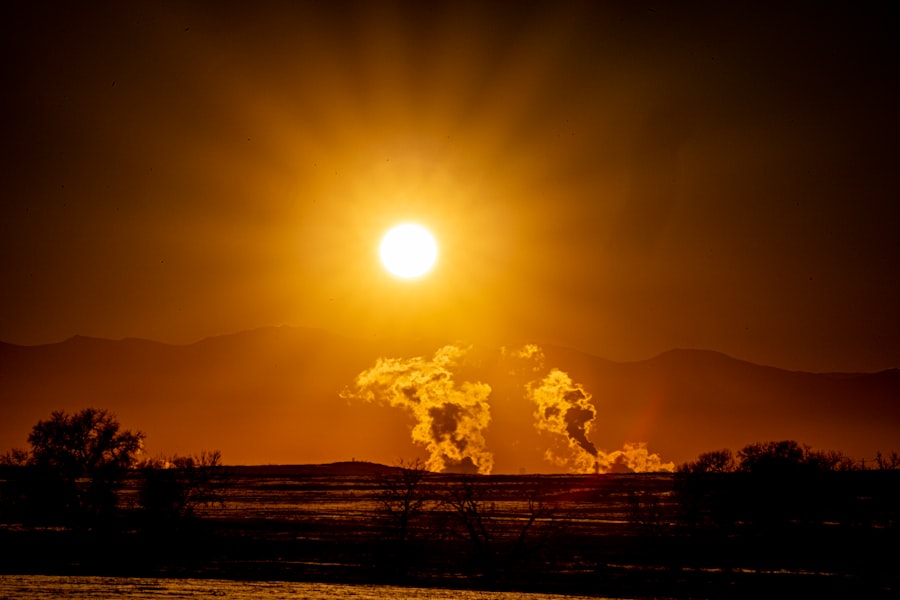
As you explore the sources and emissions of lesser-known greenhouse gases, you’ll find that they often stem from both natural processes and human activities. Water vapor primarily enters the atmosphere through evaporation from oceans, lakes, and rivers; however, human-induced warming can lead to increased evaporation rates. This creates a feedback loop that exacerbates climate change.
Tropospheric ozone is primarily formed from emissions of nitrogen oxides (NOx) and VOCs from vehicles, industrial processes, and power plants. As urban areas grow and industrial activities increase, so too do emissions of these precursors to ozone formation. Understanding these sources allows you to see how interconnected our actions are with atmospheric changes.
By addressing emissions from transportation and industry, we can mitigate not only ozone formation but also its associated health impacts.
The Global Consequences of Lesser-Known Greenhouse Gases
The global consequences of lesser-known greenhouse gases are far-reaching and complex. For instance, increased water vapor can lead to more intense storms and altered precipitation patterns, affecting agriculture and water supply systems worldwide. Similarly, tropospheric ozone contributes to respiratory illnesses and can damage crops and ecosystems, leading to economic losses.
As you consider these impacts on a global scale, it becomes evident that addressing lesser-known greenhouse gases is not just an environmental issue but also a public health concern. The interplay between these gases and climate change can exacerbate existing inequalities, particularly in vulnerable communities that may lack resources to adapt to changing conditions. Recognizing these consequences underscores the urgency for comprehensive climate action that encompasses all greenhouse gas emissions.
Mitigating the Effects of Lesser-Known Greenhouse Gases
Mitigating the effects of lesser-known greenhouse gases requires a multifaceted approach that combines policy initiatives, technological advancements, and public awareness campaigns. You can play a role in this effort by advocating for sustainable practices in your community and supporting policies aimed at reducing emissions from various sectors. For instance, promoting energy efficiency in buildings can help reduce both carbon dioxide and tropospheric ozone emissions by decreasing energy demand from fossil fuel power plants.
Additionally, supporting local agriculture that employs sustainable practices can minimize nitrous oxide emissions from fertilizers while enhancing food security. By understanding your impact on greenhouse gas emissions and advocating for change at both local and global levels, you contribute to a collective effort to combat climate change effectively. In conclusion, understanding greenhouse gases—both well-known and lesser-known—is essential for addressing climate change comprehensively.
By exploring their sources, impacts, and mitigation strategies, you equip yourself with knowledge that empowers action toward a more sustainable future. The challenge may seem daunting, but every effort counts in the fight against climate change.
In a related article, Why Is Planting Trees Bad for the Environment?, the potential negative impacts of increased tree planting are explored. While planting trees is often seen as a positive step for the environment, this article delves into the complexities of how it can actually have unintended consequences on ecosystems. It is important to consider all aspects of environmental initiatives, including the potential drawbacks, in order to make informed decisions for a sustainable future.
FAQs
What are greenhouse gases?
Greenhouse gases are gases in the Earth’s atmosphere that trap heat and contribute to the greenhouse effect, which leads to global warming and climate change.
What are some examples of lesser-known greenhouse gases?
Some examples of lesser-known greenhouse gases include methane, nitrous oxide, fluorinated gases, and ozone.
How do these lesser-known greenhouse gases contribute to climate change?
Methane is a potent greenhouse gas that is released from agricultural activities, landfills, and natural gas production. Nitrous oxide is released from agricultural and industrial activities. Fluorinated gases are synthetic gases used in a variety of industrial applications. Ozone is a greenhouse gas that is formed in the atmosphere through chemical reactions.
What are the sources of these lesser-known greenhouse gases?
The sources of these lesser-known greenhouse gases include agricultural activities, industrial processes, landfills, and natural gas production.
How do these lesser-known greenhouse gases compare to CO2 in terms of their impact on climate change?
While carbon dioxide (CO2) is the most abundant greenhouse gas, these lesser-known greenhouse gases have a much higher global warming potential, meaning they have a greater impact on climate change per unit of gas emitted.
What can be done to reduce the emissions of these lesser-known greenhouse gases?
To reduce the emissions of these lesser-known greenhouse gases, efforts can be made to improve agricultural practices, reduce industrial emissions, and implement policies to limit the use of fluorinated gases. Additionally, investing in renewable energy sources can help reduce the overall emissions of greenhouse gases.