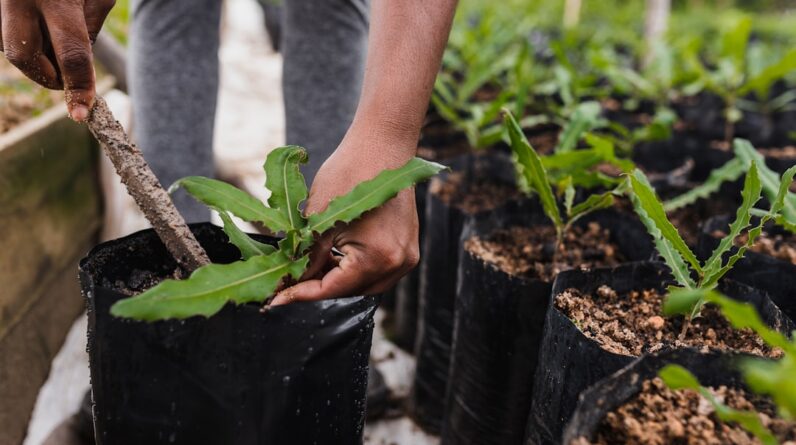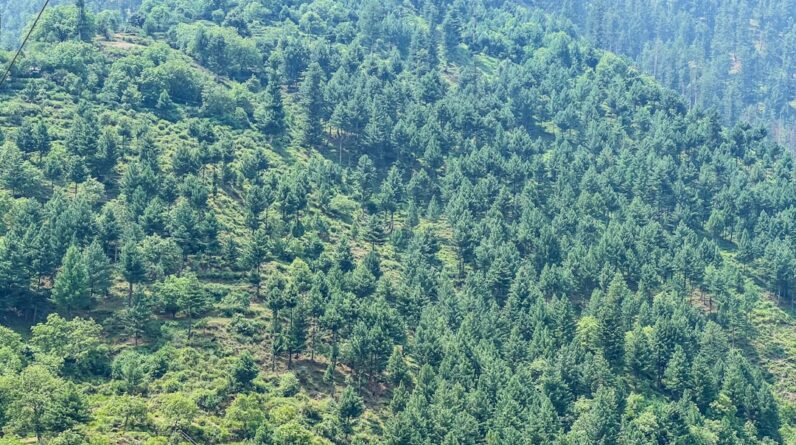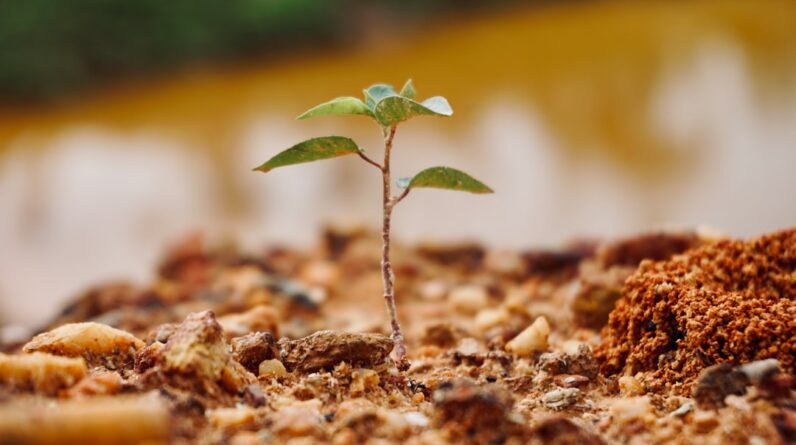
As you navigate the complexities of climate change, you may find yourself increasingly aware of the urgent need for effective solutions. One such solution is reforestation, a process that involves planting trees in areas where forests have been depleted. This practice not only helps restore ecosystems but also plays a crucial role in climate adaptation strategies.
By reintroducing trees into the landscape, you can contribute to a healthier planet, mitigate the impacts of climate change, and foster resilience in both natural and human systems. Reforestation is more than just planting trees; it is a multifaceted approach that addresses various environmental challenges. As you delve deeper into this topic, you will discover how reforestation can enhance carbon sequestration, promote biodiversity, manage water resources, conserve soil, and strengthen community resilience.
Each of these aspects is interconnected, creating a holistic framework for addressing climate change and its associated impacts. Understanding the significance of reforestation in climate adaptation will empower you to advocate for sustainable practices and support initiatives that prioritize the restoration of our planet’s forests.
Key Takeaways
- Reforestation plays a crucial role in climate adaptation by restoring and enhancing the natural environment to mitigate the impacts of climate change.
- Reforestation is a powerful tool for carbon sequestration, helping to remove carbon dioxide from the atmosphere and mitigate the effects of climate change.
- Reforestation is essential for biodiversity conservation, providing habitat for a wide range of plant and animal species and promoting ecosystem health.
- Reforestation contributes to water resource management by reducing soil erosion, improving water quality, and regulating water flow in watersheds.
- Reforestation is vital for soil conservation, helping to prevent soil erosion, improve soil fertility, and promote sustainable land use practices.
The Role of Reforestation in Carbon Sequestration
When you think about climate change, carbon emissions likely come to mind as a primary culprit. Trees play a vital role in mitigating these emissions through the process of carbon sequestration. As trees grow, they absorb carbon dioxide from the atmosphere and store it in their biomass—trunks, branches, leaves, and roots.
By participating in reforestation efforts, you can help increase the number of trees that sequester carbon, thereby reducing the overall concentration of greenhouse gases in the atmosphere. Moreover, reforestation can enhance the carbon storage capacity of ecosystems. Forests are not only carbon sinks; they also contribute to soil health and biodiversity, which further supports their ability to sequester carbon.
As you engage with reforestation projects, consider how diverse tree species can optimize carbon storage. Planting a variety of native trees can create a more resilient ecosystem that thrives under changing climatic conditions. This diversity not only enhances carbon sequestration but also ensures that forests can adapt to future environmental challenges.
Reforestation and Biodiversity Conservation
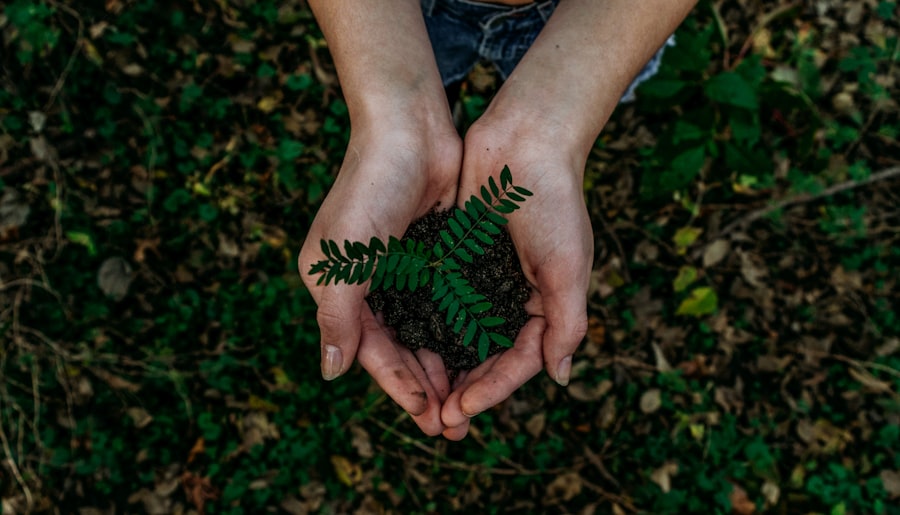
Biodiversity is essential for maintaining healthy ecosystems, and reforestation plays a pivotal role in conserving this diversity. When you participate in reforestation efforts, you are not just planting trees; you are also creating habitats for countless species of flora and fauna. Forests serve as critical ecosystems that support wildlife, protect endangered species, and promote ecological balance.
By restoring these habitats, you contribute to the preservation of biodiversity and the overall health of the planet. In addition to providing habitat, reforested areas can act as corridors that connect fragmented landscapes. This connectivity is vital for species migration and genetic diversity, allowing wildlife to adapt to changing environmental conditions.
As you consider the importance of biodiversity in your reforestation efforts, think about how planting native species can enhance local ecosystems. Native trees are often better suited to support local wildlife and can help restore ecological functions that have been lost due to deforestation or land degradation.
Reforestation and Water Resource Management
Water is a precious resource that is increasingly threatened by climate change and human activities. Reforestation can play a significant role in managing water resources effectively. Trees help regulate the water cycle by absorbing rainfall and releasing moisture back into the atmosphere through transpiration.
This process not only contributes to local humidity but also helps maintain groundwater levels, ensuring a sustainable water supply for communities and ecosystems alike. As you explore the relationship between reforestation and water management, consider how tree cover can reduce soil erosion and improve water quality. Forested areas act as natural filters, trapping sediments and pollutants before they reach rivers and streams.
By participating in reforestation initiatives near water bodies, you can help protect aquatic ecosystems and enhance water quality for both human consumption and wildlife habitats. This interconnectedness highlights the importance of integrating reforestation into broader water management strategies.
Reforestation and Soil Conservation
Soil health is fundamental to agricultural productivity and ecosystem stability. When you engage in reforestation efforts, you contribute to soil conservation by preventing erosion and enhancing soil fertility. Tree roots anchor the soil, reducing the risk of landslides and maintaining soil structure.
Additionally, fallen leaves and organic matter from trees enrich the soil with nutrients, promoting healthy microbial activity that supports plant growth. Incorporating reforestation into land management practices can lead to sustainable agricultural systems. Agroforestry, for instance, combines agriculture with tree planting to create diverse landscapes that benefit both crops and trees.
As you consider your role in promoting soil conservation through reforestation, think about how these practices can improve food security while simultaneously addressing climate change challenges. Healthy soils are essential for resilient agricultural systems that can withstand extreme weather events and changing climatic conditions.
Reforestation and Community Resilience
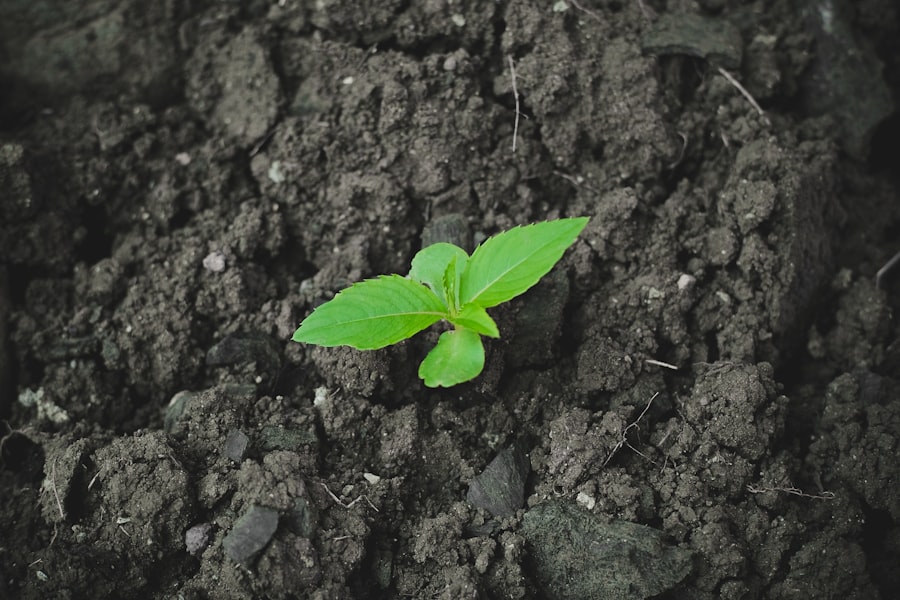
Communities around the world are increasingly facing the impacts of climate change, from extreme weather events to shifting agricultural patterns. Reforestation can enhance community resilience by providing economic opportunities, improving livelihoods, and fostering social cohesion. When you participate in tree-planting initiatives or support local reforestation projects, you contribute to building stronger communities that are better equipped to adapt to environmental changes.
Moreover, reforested areas can serve as communal spaces that promote social interaction and cultural identity. As you engage with local communities in reforestation efforts, consider how these projects can empower individuals by providing training in sustainable land management practices or creating jobs in forestry-related industries. By investing in community-driven reforestation initiatives, you help create a sense of ownership and responsibility toward the environment, fostering a culture of stewardship that benefits both people and nature.
Reforestation and Sustainable Land Use Practices
Sustainable land use practices are essential for balancing economic development with environmental conservation. Reforestation aligns with these practices by promoting responsible land management that prioritizes ecological health. As you explore sustainable land use strategies, consider how integrating tree planting into agricultural landscapes can enhance productivity while preserving natural resources.
One effective approach is agroecology, which emphasizes biodiversity and ecological principles in farming systems. By incorporating trees into agricultural practices, you can create microclimates that protect crops from extreme weather conditions while improving soil health and water retention. This synergy between agriculture and forestry not only supports food security but also contributes to climate adaptation efforts by creating resilient landscapes capable of withstanding environmental stressors.
The Importance of Reforestation in Climate Adaptation Strategies
As you reflect on the multifaceted benefits of reforestation, it becomes clear that this practice is an essential component of climate adaptation strategies. From enhancing carbon sequestration to promoting biodiversity conservation, managing water resources, conserving soil, strengthening community resilience, and supporting sustainable land use practices—reforestation offers a holistic approach to addressing the challenges posed by climate change. By actively participating in or supporting reforestation initiatives, you play a vital role in shaping a more sustainable future for our planet.
The interconnectedness of ecosystems means that every tree planted contributes to a larger network of benefits that extend beyond individual projects. As you advocate for reforestation as a key strategy in climate adaptation efforts, remember that your actions can inspire others to join this critical movement toward restoring our planet’s forests and ensuring a healthier environment for generations to come.
A related article to How Reforestation Supports Climate Adaptation Strategies can be found at this link. This article discusses the importance of massive tree planting in combatting global warming and highlights the positive impact it can have on the environment. By planting trees on a large scale, we can help reduce carbon dioxide levels in the atmosphere and mitigate the effects of climate change. This article further emphasizes the crucial role that reforestation plays in addressing environmental challenges and promoting sustainability.
FAQs
What is reforestation?
Reforestation is the process of planting trees in areas where forests have been depleted or destroyed. It aims to restore the ecological balance and increase the forest cover.
How does reforestation support climate adaptation strategies?
Reforestation supports climate adaptation strategies by sequestering carbon dioxide from the atmosphere, reducing the impacts of extreme weather events, and providing habitat for diverse plant and animal species.
What are the benefits of reforestation for climate adaptation?
Reforestation helps to mitigate climate change by absorbing carbon dioxide, reducing soil erosion, improving water quality, and providing shade and cooling effects in urban areas.
How does reforestation contribute to biodiversity conservation?
Reforestation contributes to biodiversity conservation by creating habitats for a variety of plant and animal species, promoting ecological balance, and supporting the interconnectedness of ecosystems.
What are some successful reforestation projects around the world?
Successful reforestation projects include the Atlantic Forest Restoration Pact in Brazil, the Bonn Challenge, and the Great Green Wall initiative in Africa. These projects have demonstrated the potential of reforestation to support climate adaptation and biodiversity conservation.