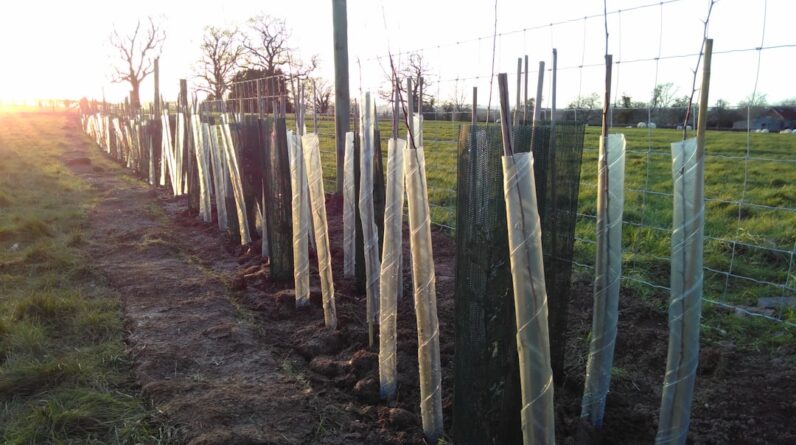
Reforestation is a critical environmental initiative that aims to restore tree cover in areas where forests have been depleted. As you may know, forests play a vital role in maintaining ecological balance, supporting biodiversity, and regulating climate. When you consider the myriad benefits that trees provide, it becomes clear why reforestation is not just an environmental necessity but also a moral imperative.
By planting trees, you contribute to the restoration of habitats for countless species, many of which are endangered due to habitat loss. This act of replanting not only helps revive ecosystems but also fosters a sense of stewardship towards the planet. Moreover, reforestation has far-reaching implications for climate change mitigation.
Trees absorb carbon dioxide, one of the primary greenhouse gases responsible for global warming. When you engage in or support reforestation efforts, you are actively participating in the fight against climate change. The more trees that are planted, the more carbon is sequestered from the atmosphere, helping to stabilize global temperatures.
This is particularly important as we face increasingly severe weather patterns and environmental degradation. Your involvement in reforestation can lead to a healthier planet for future generations, making it a crucial endeavor for both environmentalists and everyday citizens alike.
Key Takeaways
- Reforestation is crucial for preventing landslides and maintaining ecological balance.
- Trees play a vital role in stabilizing slopes and preventing soil erosion.
- The extensive root systems of trees help to anchor soil and prevent landslides.
- Successful reforestation projects have shown significant environmental and economic benefits.
- Deforestation contributes to increased landslide risk, making reforestation efforts essential for slope stabilization.
How Trees Help Stabilize Slopes
Trees are not just beautiful additions to our landscapes; they serve a fundamental purpose in stabilizing slopes and preventing soil erosion. When you think about the structure of a hillside or a mountain, it’s easy to overlook the role that vegetation plays in maintaining its integrity. The roots of trees penetrate deep into the soil, creating a network that binds the earth together.
This root system acts like a natural anchor, holding the soil in place and preventing it from washing away during heavy rains or flooding. Without this natural support, slopes can become unstable and prone to landslides. In addition to their root systems, trees also help regulate water flow in their environment.
When rain falls, trees intercept some of that water through their leaves and branches, allowing it to evaporate back into the atmosphere rather than saturating the ground immediately. This process reduces the amount of water that seeps into the soil at once, minimizing the risk of erosion and landslides. As you can see, trees play a multifaceted role in slope stabilization, making them indispensable in areas prone to geological instability.
The Role of Tree Roots in Preventing Landslides
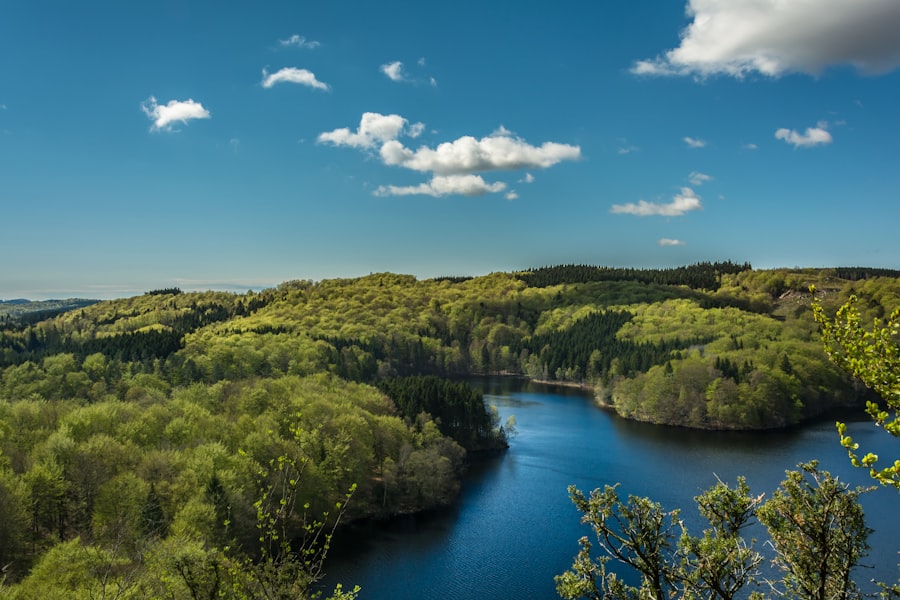
The intricate root systems of trees are essential in preventing landslides, particularly in hilly or mountainous regions. When you observe a tree, you might notice its roots spreading outwards and downwards into the soil. This extensive network not only provides stability for the tree itself but also reinforces the surrounding soil structure.
The roots create a physical barrier that helps hold soil particles together, reducing the likelihood of landslides occurring during heavy rainfall or seismic activity. Furthermore, tree roots contribute to soil health by promoting aeration and nutrient cycling. As roots grow and decay, they create channels in the soil that allow air and water to penetrate more deeply.
This enhances the soil’s ability to absorb moisture and nutrients, making it more resilient against erosion. When you consider how vital healthy soil is for preventing landslides, it becomes evident that tree roots are not merely supportive structures; they are integral components of a stable ecosystem. By fostering healthy root systems through reforestation efforts, you can significantly reduce the risk of landslides in vulnerable areas.
Case Studies of Successful Reforestation Projects
Examining successful reforestation projects can provide valuable insights into effective strategies and their positive outcomes. One notable example is the reforestation initiative in Costa Rica, which has transformed large areas of deforested land into thriving forests once again. Through government policies and community involvement, Costa Rica has managed to increase its forest cover from around 21% in the 1980s to over 50% today.
This remarkable achievement has not only restored biodiversity but has also boosted ecotourism, providing economic benefits to local communities. Another inspiring case is found in Ethiopia, where the Green Legacy Initiative aims to plant billions of trees across the country. Launched in 2019, this ambitious project seeks to combat deforestation and climate change while improving food security and livelihoods for millions of people.
By engaging local communities in tree planting efforts, Ethiopia has seen significant progress in restoring degraded lands and enhancing resilience against climate-related challenges. These case studies illustrate how reforestation can yield both environmental and socio-economic benefits when approached with commitment and collaboration.
The Environmental and Economic Benefits of Reforestation
Reforestation offers a plethora of environmental benefits that extend beyond mere aesthetics. As you engage with nature through reforestation efforts, you contribute to improved air quality by increasing oxygen production and filtering pollutants from the atmosphere. Trees also play a crucial role in regulating local climates by providing shade and reducing heat islands in urban areas.
This cooling effect can lead to lower energy consumption for air conditioning, ultimately benefiting both the environment and your wallet. Economically, reforestation can create job opportunities in various sectors such as forestry, agriculture, and tourism. When you support or participate in reforestation projects, you help stimulate local economies by providing employment for those involved in planting and maintaining trees.
Additionally, healthy forests can enhance agricultural productivity by improving soil quality and water retention, leading to better crop yields. The economic advantages of reforestation are not just limited to direct job creation; they also encompass long-term sustainability and resilience against climate change impacts.
The Relationship Between Deforestation and Landslides

Deforestation is a pressing issue that has dire consequences for both ecosystems and human communities. When trees are removed from an area, the protective cover they provide is lost, leaving soil exposed and vulnerable to erosion. As you consider the relationship between deforestation and landslides, it becomes evident that removing trees destabilizes slopes and increases the likelihood of catastrophic events.
Without tree roots anchoring the soil, heavy rains can easily wash away topsoil, leading to landslides that can devastate communities and infrastructure. Moreover, deforestation often leads to changes in local hydrology. When trees are cut down, there is less interception of rainfall, resulting in increased runoff and reduced groundwater recharge.
This alteration can exacerbate flooding during heavy rains while simultaneously increasing drought risks during dry periods. The cycle of deforestation leading to landslides creates a vicious loop that threatens both natural ecosystems and human livelihoods. By understanding this relationship, you can appreciate the urgency of reforestation efforts as a means to combat these destructive outcomes.
Best Practices for Reforestation and Slope Stabilization
Implementing best practices for reforestation is essential for ensuring successful outcomes in slope stabilization efforts. One key practice is selecting native tree species that are well-adapted to local conditions. By choosing indigenous plants, you enhance biodiversity while ensuring that the trees will thrive in their environment.
Native species often have deeper root systems that provide better soil stabilization compared to non-native varieties. As you consider participating in reforestation projects, advocating for native species selection can significantly improve their effectiveness. Another important practice involves involving local communities in reforestation efforts.
Engaging residents not only fosters a sense of ownership but also ensures that traditional knowledge is incorporated into project planning. Community members often have valuable insights into local ecosystems and can help identify suitable planting sites and techniques. Additionally, providing education on sustainable land management practices can empower communities to maintain healthy forests long after initial planting efforts have concluded.
The Future of Reforestation Efforts and Their Impact on Preventing Landslides
Looking ahead, the future of reforestation efforts holds great promise for preventing landslides and promoting ecological resilience. As awareness grows about the importance of trees in stabilizing slopes and mitigating climate change impacts, more individuals and organizations are likely to invest time and resources into these initiatives. Innovative technologies such as drone-assisted planting and remote sensing can enhance reforestation efficiency while monitoring progress over time.
Furthermore, as global climate policies increasingly recognize the value of natural solutions like reforestation, funding opportunities may expand for projects aimed at restoring degraded landscapes. By supporting these initiatives through advocacy or participation, you can play an active role in shaping a sustainable future where forests thrive alongside human communities. Ultimately, your involvement in reforestation efforts can contribute significantly to reducing landslide risks while fostering healthier ecosystems for generations to come.
If you are interested in learning more about the benefits of reforestation, you may want to check out the article How Does Planting Trees Help Deforestation. This article discusses the important role that planting trees plays in combating deforestation and its positive impact on the environment. By understanding the connection between reforestation and deforestation, we can better appreciate the significance of efforts to stabilize slopes and prevent landslides through tree planting initiatives.
FAQs
What is reforestation?
Reforestation is the process of planting trees in areas where forests have been depleted or destroyed. It aims to restore the ecological balance and increase the forest cover.
How does reforestation stabilize slopes?
Reforestation stabilizes slopes by creating a network of roots that hold the soil together. The roots of trees and other vegetation help to bind the soil, preventing erosion and landslides.
What role does reforestation play in preventing landslides?
Reforestation helps prevent landslides by increasing the stability of slopes. Trees and plants absorb water from the soil, reducing the risk of saturation and erosion. Additionally, their root systems provide structural support to the soil, reducing the likelihood of slope failure.
What are the environmental benefits of reforestation?
Reforestation has numerous environmental benefits, including carbon sequestration, improved air and water quality, and the preservation of biodiversity. It also helps to mitigate the impacts of climate change and contributes to the overall health of ecosystems.
Where are some areas that have successfully implemented reforestation to prevent landslides?
Several countries, including China, Japan, and the United States, have implemented reforestation projects to prevent landslides. These efforts have been particularly successful in areas prone to soil erosion and slope instability.