Reforestation is not merely a buzzword; it is a critical component in the fight against climate change and biodiversity loss. As you navigate through the complexities of environmental issues, you may find that forests play an indispensable role in maintaining ecological balance. They act as carbon sinks, absorbing carbon dioxide from the atmosphere and helping to mitigate the effects of global warming.
Moreover, forests provide habitat for countless species, support water cycles, and contribute to soil health. The urgency of reforestation efforts has never been more pronounced, as deforestation continues to threaten these vital ecosystems. As you consider the implications of deforestation, it becomes clear that the loss of trees leads to a cascade of negative effects.
Soil erosion, loss of biodiversity, and increased greenhouse gas emissions are just a few of the consequences that arise when forests are depleted. Reforestation offers a pathway to restore these damaged ecosystems, but traditional methods can be labor-intensive and time-consuming. Fortunately, advancements in technology are paving the way for more efficient and effective reforestation strategies.
By embracing innovative solutions, you can contribute to a more sustainable future for our planet.
Key Takeaways
- Reforestation is crucial for combating climate change, preserving biodiversity, and ensuring sustainable resource management.
- Drones have revolutionized reforestation efforts by enabling efficient seed planting and monitoring in hard-to-reach areas.
- Artificial intelligence plays a key role in optimizing reforestation planning and monitoring by analyzing data and identifying the best planting locations.
- 3D printing offers a innovative approach to reforestation by creating biodegradable seed pods and structures to support tree growth in challenging environments.
- Satellite technology provides valuable data for tracking and mapping forests, allowing for better reforestation strategies and monitoring of tree growth.
Drones: A Game-Changer in Reforestation Efforts
Drones have emerged as a revolutionary tool in the realm of reforestation, offering unprecedented capabilities for monitoring and planting trees. Imagine standing in a vast landscape, equipped with a drone that can survey areas that are otherwise difficult to access. These unmanned aerial vehicles can capture high-resolution images and gather data on forest health, allowing you to identify areas in need of restoration.
With their ability to cover large swathes of land quickly, drones enable you to make informed decisions about where to focus your reforestation efforts. In addition to monitoring, drones are also being utilized for tree planting. You may be surprised to learn that some drones can shoot seed pods into the ground, effectively planting trees at a fraction of the cost and time required by traditional methods.
This innovative approach not only speeds up the reforestation process but also allows for the planting of seeds in hard-to-reach areas. As you explore the potential of drones in reforestation, it becomes evident that they are not just tools; they are catalysts for change, enabling you to take action in ways that were previously unimaginable.
Artificial Intelligence: Enhancing Reforestation Planning and Monitoring
Artificial intelligence (AI) is transforming various sectors, and reforestation is no exception. By harnessing the power of AI, you can enhance planning and monitoring processes, making them more efficient and effective. Imagine using machine learning algorithms to analyze vast datasets related to forest health, climate conditions, and soil quality.
This data-driven approach allows you to identify optimal locations for planting trees and predict how different species will thrive in specific environments. Moreover, AI can assist in monitoring reforested areas over time. By employing satellite imagery and AI algorithms, you can track changes in forest cover and assess the success of your reforestation efforts.
This real-time feedback loop enables you to make necessary adjustments and improve future initiatives. As you delve deeper into the world of AI in reforestation, you’ll discover that it empowers you to make informed decisions based on data rather than assumptions, ultimately leading to more successful outcomes.
3D Printing: A New Approach to Reforestation
3D printing is often associated with manufacturing and design, but its applications extend far beyond those realms. In the context of reforestation, 3D printing offers innovative solutions for creating biodegradable seed pods that can be used for planting trees. Picture this: a 3D printer producing seed pods made from organic materials that contain seeds and nutrients essential for growth.
This method not only streamlines the planting process but also ensures that the seeds have a higher chance of germination. Additionally, 3D printing can be utilized to create tools and equipment specifically designed for reforestation efforts. Whether it’s custom planting devices or protective structures for young saplings, 3D printing allows you to tailor solutions to meet specific needs.
As you explore this cutting-edge technology, you’ll find that it opens up new avenues for creativity and efficiency in reforestation projects, making it easier for you to contribute positively to the environment.
Satellite Technology: Tracking and Mapping Forests for Better Reforestation Strategies
Satellite technology has revolutionized our ability to monitor and manage forests on a global scale. With high-resolution satellite imagery at your disposal, you can track changes in forest cover over time and identify areas that require urgent attention. Imagine being able to visualize deforestation trends or assess the health of existing forests from space.
This capability empowers you to make data-driven decisions about where to focus your reforestation efforts. Furthermore, satellite technology enables you to map out potential reforestation sites with precision. By analyzing factors such as soil quality, climate conditions, and existing vegetation, you can identify optimal locations for planting trees.
This strategic approach not only maximizes the chances of success but also ensures that resources are allocated efficiently. As you harness the power of satellite technology in your reforestation initiatives, you’ll find that it enhances your ability to create impactful change on a larger scale.
Robotics: Automating Tree Planting and Maintenance
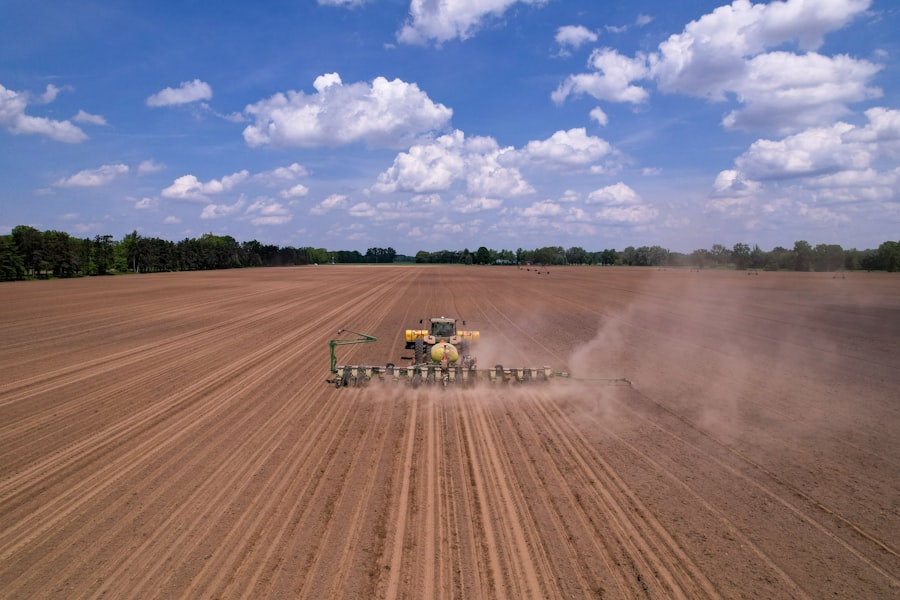
The advent of robotics has introduced a new level of efficiency in reforestation efforts. Imagine a fleet of robots working tirelessly to plant trees in designated areas, significantly reducing the labor required for such tasks. These machines can be programmed to plant seeds at precise depths and intervals, ensuring optimal growth conditions for each sapling.
By automating this process, you can accelerate reforestation timelines while minimizing human error. In addition to planting, robotics can also play a crucial role in maintaining newly planted forests. Automated systems can monitor soil moisture levels, detect pests or diseases, and even perform targeted interventions when necessary.
This proactive approach allows you to ensure the health and vitality of young trees as they establish themselves in their new environment. As you explore the potential of robotics in reforestation, you’ll discover that these technologies not only enhance efficiency but also contribute to more sustainable forest management practices.
Virtual Reality: Educating and Engaging the Public in Reforestation Efforts
Virtual reality (VR) is an immersive technology that has the potential to transform how people engage with environmental issues like reforestation. Imagine stepping into a virtual forest where you can witness firsthand the impact of deforestation and the importance of restoring these ecosystems. Through VR experiences, you can educate others about the significance of reforestation efforts in an engaging and memorable way.
Moreover, VR can serve as a powerful tool for community engagement. By allowing individuals to experience the beauty and complexity of forests virtually, you can inspire them to take action in their own lives. Whether it’s participating in local tree-planting events or advocating for sustainable practices, VR has the potential to foster a deeper connection between people and nature.
As you explore this innovative medium, you’ll find that it opens up new avenues for raising awareness and mobilizing support for reforestation initiatives.
The Promising Future of Reforestation Technology
As you reflect on the advancements in technology that are shaping the future of reforestation, it becomes clear that we stand at a pivotal moment in environmental conservation. From drones and AI to robotics and virtual reality, these innovations offer powerful tools that can enhance our ability to restore forests and combat climate change effectively. The integration of these technologies not only streamlines processes but also empowers individuals like you to take meaningful action.
The future of reforestation is bright with promise as we continue to explore new ways to leverage technology for environmental good. By embracing these advancements, you can play an active role in creating a more sustainable world for generations to come. The journey toward restoring our planet’s forests may be challenging, but with determination and innovation at your side, there is no limit to what we can achieve together.
If you are interested in learning more about combatting global warming through massive tree planting, check out the article Combatting Global Warming by Massive Tree Planting on Live Life with a Cause’s blog. This article discusses the importance of reforestation efforts in the fight against climate change and how planting trees on a large scale can help mitigate its effects. It complements the discussion on how technology is revolutionizing reforestation in the article “The Future of Forests: How Technology is Revolutionizing Reforestation.”
FAQs
What is reforestation?
Reforestation is the process of restoring and replanting forests that have been depleted or destroyed, with the goal of creating a healthy and sustainable ecosystem.
How is technology revolutionizing reforestation?
Technology is revolutionizing reforestation by enabling more efficient and effective planting methods, such as using drones to plant trees, developing advanced mapping and monitoring tools, and utilizing genetic research to create more resilient tree species.
What are some benefits of using technology for reforestation?
Using technology for reforestation can lead to faster and more cost-effective planting, improved monitoring and management of forests, and the ability to plant trees in hard-to-reach or environmentally sensitive areas.
What are some examples of technology being used for reforestation?
Examples of technology being used for reforestation include drone planting systems, satellite imaging for mapping and monitoring forests, and genetic research to develop tree species that are better adapted to changing environmental conditions.
What are the potential challenges of using technology for reforestation?
Challenges of using technology for reforestation may include the initial cost of implementing new technologies, the need for specialized training and expertise, and potential ethical and environmental concerns related to genetic modification of tree species.