


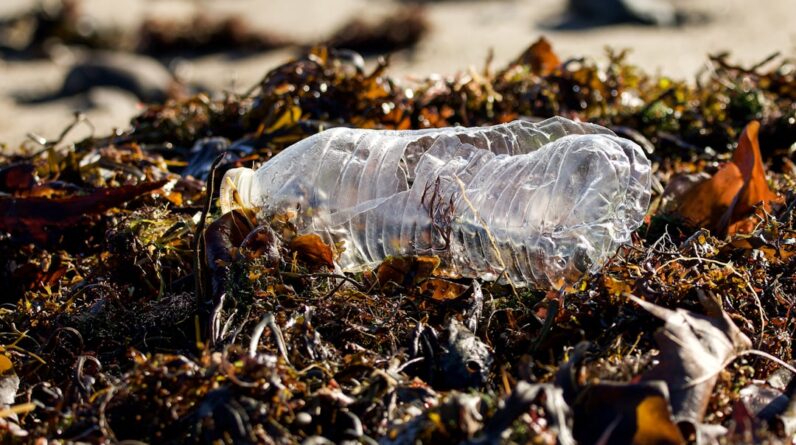
As you stroll along the beach, the sound of waves crashing against the shore is often accompanied by an unsettling sight: plastic debris scattered across the sand and floating in the water. The rise of ocean plastic pollution has become a pressing global issue, with millions of tons of plastic waste entering the oceans each year. This phenomenon is not merely an environmental concern; it poses a significant threat to marine life, ecosystems, and even human health.
The statistics are staggering: it is estimated that by 2025, there could be more plastic than fish in the oceans, a grim reality that underscores the urgency of addressing this crisis. The sources of ocean plastic pollution are varied and complex. Single-use plastics, such as bags, bottles, and straws, are among the primary culprits.
These items are often used for mere minutes but can take hundreds of years to decompose. Additionally, fishing gear, microplastics from personal care products, and industrial waste contribute to the growing problem. As you consider the impact of your daily choices, it becomes clear that individual actions, combined with systemic issues in waste management and production practices, have led to this alarming rise in ocean pollution.
The time has come for collective action to combat this crisis before it spirals further out of control.
Key Takeaways
- Ocean plastic pollution is on the rise, posing a significant threat to marine life and ecosystems.
- Big brands play a major role in ocean plastic pollution through their production, packaging, and disposal practices.
- Corporate responsibility and accountability are crucial in addressing ocean plastic pollution, and companies must take proactive measures to reduce their plastic footprint.
- Innovative solutions such as biodegradable packaging and recycling initiatives are key in reducing ocean plastic pollution.
- Consumer behavior, including reducing single-use plastic consumption and supporting sustainable brands, can have a significant impact on reducing ocean plastic pollution.
The Role of Big Brands in Ocean Plastic Pollution
Big brands play a significant role in the proliferation of ocean plastic pollution. As you navigate through grocery aisles or browse online shopping platforms, you may notice that many products are packaged in plastic. These companies often prioritize convenience and cost-effectiveness over sustainability, leading to an overwhelming amount of plastic waste.
The marketing strategies employed by these brands frequently promote single-use items, creating a culture of disposability that exacerbates the problem. You might find yourself questioning how much responsibility these corporations bear for the environmental consequences of their packaging choices. Moreover, many big brands have been slow to adopt sustainable practices, despite growing consumer awareness and demand for eco-friendly alternatives.
While some companies have made strides toward reducing their plastic footprint, others continue to rely heavily on plastic packaging without implementing meaningful changes. As a consumer, you have the power to influence these brands through your purchasing decisions. By supporting companies that prioritize sustainability and hold them accountable for their environmental impact, you can contribute to a shift in corporate behavior that prioritizes the health of our oceans.
Corporate Responsibility and Accountability

Corporate responsibility and accountability are crucial components in the fight against ocean plastic pollution. As you reflect on the role of businesses in this crisis, it becomes evident that they must take ownership of their environmental impact. This includes not only reducing plastic usage but also investing in innovative solutions for waste management and recycling.
Companies should be transparent about their practices and set measurable goals for reducing their plastic footprint. By doing so, they can build trust with consumers who are increasingly concerned about sustainability. You may wonder how accountability can be enforced in a landscape where profit often takes precedence over environmental stewardship.
One approach is through public pressure and advocacy from consumers and environmental organizations. When brands face scrutiny for their practices, they are more likely to take action to improve their sustainability efforts. Additionally, regulatory frameworks can play a vital role in holding corporations accountable for their contributions to ocean plastic pollution.
By supporting policies that promote responsible production and waste management, you can help create an environment where corporate accountability is not just encouraged but required.
Innovative Solutions for Reducing Ocean Plastic Pollution
Innovative solutions are essential for tackling the complex issue of ocean plastic pollution. As you explore potential strategies, you may come across various technologies and initiatives aimed at reducing plastic waste. For instance, biodegradable materials are being developed as alternatives to traditional plastics, offering a more sustainable option for packaging and products.
These innovations not only reduce reliance on fossil fuels but also minimize the environmental impact associated with plastic disposal. Another promising solution involves improving recycling technologies and systems. Many plastics are not currently recyclable due to contamination or lack of infrastructure.
By investing in advanced recycling methods and expanding access to recycling facilities, we can significantly reduce the amount of plastic waste that ends up in our oceans. Additionally, initiatives like beach clean-ups and community awareness campaigns can mobilize individuals to take action in their local areas. As you consider your role in this movement, remember that every small effort counts toward creating a cleaner ocean.
The Impact of Consumer Behavior on Ocean Plastic Pollution
Your behavior as a consumer has a profound impact on ocean plastic pollution. The choices you make when purchasing products can either contribute to the problem or help mitigate it. For example, opting for reusable bags, bottles, and containers instead of single-use plastics can significantly reduce your plastic footprint.
By making conscious decisions about the products you buy and how you use them, you can play an active role in combating ocean pollution. Moreover, your voice as a consumer matters. When you advocate for sustainable practices and support brands that prioritize eco-friendly initiatives, you send a clear message about the importance of environmental responsibility.
Social media platforms provide an avenue for raising awareness about ocean plastic pollution and encouraging others to join the cause. By sharing information and engaging in discussions about sustainability, you can inspire those around you to reconsider their consumption habits and contribute to a collective effort to protect our oceans.
Government Regulations and Policies to Address Ocean Plastic Pollution
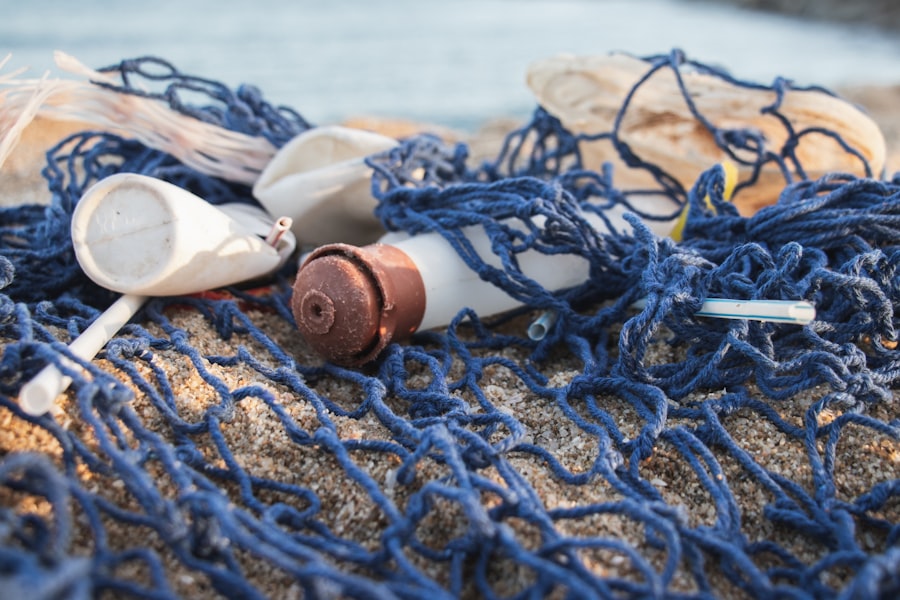
Government regulations and policies are critical in addressing ocean plastic pollution on a larger scale. As you consider the role of policymakers, it becomes clear that effective legislation can drive significant change in corporate practices and consumer behavior. For instance, bans on single-use plastics have been implemented in various regions worldwide, prompting businesses to seek alternative packaging solutions.
These regulations not only reduce plastic waste but also encourage innovation within industries as they adapt to new standards. In addition to bans, governments can implement incentives for companies that adopt sustainable practices or invest in recycling infrastructure. By providing financial support or tax breaks for eco-friendly initiatives, policymakers can create an environment where sustainability is prioritized over short-term profits.
As an engaged citizen, advocating for such policies can amplify your impact on reducing ocean plastic pollution. By participating in local government meetings or supporting environmental organizations that lobby for change, you can help shape a future where our oceans are protected from plastic waste.
Collaborative Efforts between Corporations, NGOs, and Governments
Collaboration between corporations, non-governmental organizations (NGOs), and governments is essential for effectively addressing ocean plastic pollution. As you explore this multifaceted issue, it becomes evident that no single entity can tackle it alone. Partnerships between these stakeholders can lead to innovative solutions and comprehensive strategies that address the root causes of plastic pollution.
For example, NGOs often bring valuable expertise and grassroots support to initiatives aimed at reducing plastic waste, while corporations can leverage their resources and influence to drive change at scale. You may find inspiration in successful collaborations that have already made strides in combating ocean plastic pollution. Initiatives like the Ellen MacArthur Foundation’s New Plastics Economy aim to create a circular economy for plastics by bringing together businesses, governments, and NGOs to rethink how plastics are designed, used, and disposed of.
By fostering dialogue and cooperation among diverse stakeholders, these partnerships can lead to more effective policies and practices that benefit both the environment and society as a whole.
The Future of Corporate Accountability for Ocean Plastic Pollution
Looking ahead, the future of corporate accountability for ocean plastic pollution will likely be shaped by increasing consumer demand for transparency and sustainability. As you consider the evolving landscape of corporate responsibility, it becomes clear that businesses will need to adapt to meet these expectations or risk losing their market share. Companies that prioritize environmental stewardship will not only enhance their brand reputation but also contribute positively to global efforts aimed at reducing plastic waste.
Moreover, advancements in technology will play a crucial role in promoting accountability within corporations. With tools like blockchain enabling greater transparency in supply chains, consumers will have access to information about how products are made and disposed of. This shift toward transparency will empower you as a consumer to make informed choices about the brands you support.
Ultimately, fostering a culture of accountability within corporations will be essential for creating a sustainable future where our oceans are free from plastic pollution. In conclusion, addressing ocean plastic pollution requires a multifaceted approach involving individuals, corporations, governments, and NGOs working together toward common goals. As you reflect on your role in this global challenge, remember that every action counts—whether it’s making sustainable choices as a consumer or advocating for policy changes that promote corporate accountability.
Together, we can create a cleaner future for our oceans and ensure that they remain vibrant ecosystems for generations to come.