



Biodiversity hotspots are regions that are both rich in unique species and significantly threatened by human activities. You may find it fascinating that these areas, while covering only a small percentage of the Earth’s surface, are home to a substantial portion of the planet’s biodiversity. To qualify as a biodiversity hotspot, a region must contain at least 1,500 species of vascular plants as endemics and must have lost at least 70% of its original habitat.
This definition highlights the urgency of conservation efforts in these areas, as they are not only vital for ecological balance but also for the well-being of human populations that depend on them. As you delve deeper into the concept of biodiversity hotspots, you will discover that they are often characterized by their unique ecosystems, which have evolved over millions of years. These ecosystems provide essential services such as clean air and water, pollination of crops, and climate regulation.
However, the pressures of urbanization, agriculture, and climate change pose significant threats to these regions. Understanding the importance of biodiversity hotspots is crucial for anyone interested in environmental conservation, as they represent both a treasure trove of natural wonders and a call to action for sustainable practices.
Key Takeaways
- Biodiversity hotspots are regions with high levels of biodiversity and are crucial for conservation efforts.
- Reforestation plays a vital role in preserving and restoring biodiversity in these hotspots.
- Successful reforestation projects in biodiversity hotspots have shown positive impacts on ecosystem health and species diversity.
- Challenges such as funding, land use conflicts, and invasive species can limit the effectiveness of reforestation in biodiversity hotspots.
- Indigenous communities play a significant role in reforestation and biodiversity conservation efforts, contributing traditional knowledge and sustainable practices.
The Importance of Reforestation in Biodiversity Conservation
Reforestation plays a pivotal role in biodiversity conservation, particularly in biodiversity hotspots where habitat loss has been most acute. When you consider the impact of deforestation, it becomes clear that restoring forests can help revive ecosystems that have been severely degraded. Reforestation not only replenishes tree cover but also provides a habitat for countless species that rely on forests for survival.
By planting native trees and restoring natural landscapes, you contribute to the recovery of flora and fauna that may have been pushed to the brink of extinction. Moreover, reforestation can enhance ecosystem services that are vital for human survival. As you engage with reforestation initiatives, you will notice how they can improve soil quality, increase water retention, and reduce carbon emissions.
These benefits extend beyond the immediate environment; they also support local communities by providing resources such as timber, fruits, and medicinal plants. In this way, reforestation serves as a bridge between ecological health and human prosperity, making it an essential strategy for biodiversity conservation.
Case Studies of Successful Reforestation Projects in Biodiversity Hotspots
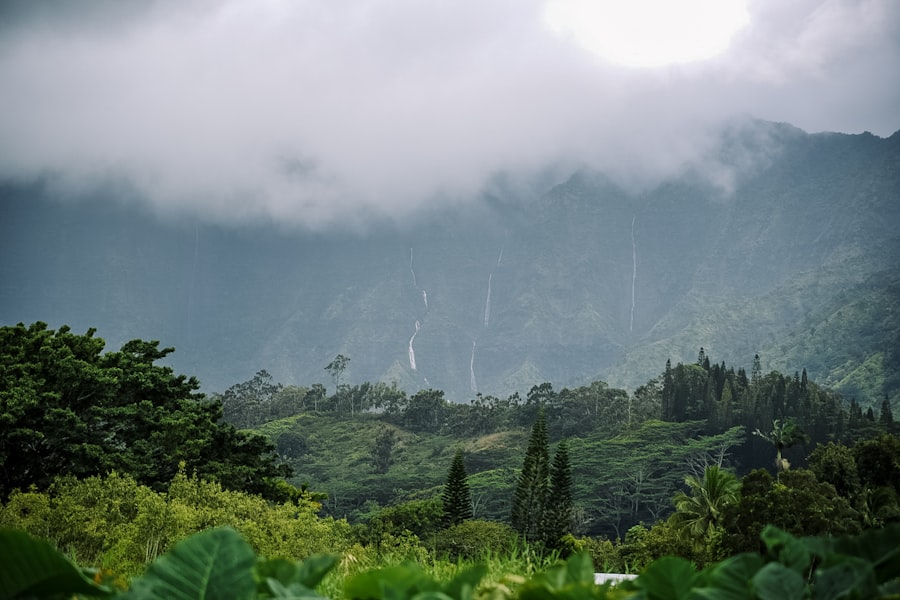
Examining successful reforestation projects can provide valuable insights into effective strategies for biodiversity conservation. One notable example is the Atlantic Forest Restoration Pact in Brazil, which aims to restore 15 million hectares of degraded land by 2050. This ambitious initiative involves collaboration among government agencies, NGOs, and local communities.
As you explore this case study, you will see how the project not only focuses on planting trees but also emphasizes the importance of engaging local stakeholders in the restoration process. This inclusive approach has led to increased awareness and participation among communities, fostering a sense of ownership over their natural resources. Another inspiring case is the reforestation efforts in Madagascar, a global biodiversity hotspot known for its unique species.
The “Green Madagascar” initiative has successfully restored thousands of hectares of forest while simultaneously promoting sustainable agriculture practices among local farmers. By integrating reforestation with agricultural development, this project has demonstrated that it is possible to achieve both ecological restoration and economic growth. As you learn about these case studies, you will appreciate how innovative approaches can lead to successful outcomes in biodiversity conservation.
Challenges and Limitations of Reforestation in Biodiversity Hotspots
Despite the promising potential of reforestation, several challenges and limitations hinder progress in biodiversity hotspots. One significant obstacle is the lack of funding and resources necessary for large-scale reforestation projects. As you consider this issue, you may realize that many initiatives rely on external support from governments or international organizations, which can be inconsistent or insufficient.
This financial uncertainty can lead to incomplete projects or inadequate maintenance of newly planted areas, ultimately undermining conservation efforts. Additionally, the choice of species used in reforestation can pose challenges. While it may be tempting to plant fast-growing non-native species for quick results, such practices can disrupt local ecosystems and outcompete native flora.
You might find it interesting that successful reforestation requires careful planning and research to ensure that the right species are selected based on local conditions and ecological needs. Without this attention to detail, reforestation efforts may fail to achieve their intended goals of restoring biodiversity and ecosystem health.
The Role of Indigenous Communities in Reforestation and Biodiversity Conservation
Indigenous communities play a crucial role in reforestation and biodiversity conservation efforts within hotspots. Their deep-rooted knowledge of local ecosystems and sustainable practices can significantly enhance restoration initiatives. As you explore this topic further, you will discover that indigenous peoples often have a profound understanding of plant species, soil conditions, and seasonal changes that can inform effective reforestation strategies.
By involving these communities in decision-making processes, conservationists can tap into a wealth of traditional ecological knowledge that has been passed down through generations. Moreover, empowering indigenous communities through reforestation projects can lead to positive social outcomes. When you consider the connection between land stewardship and cultural identity, it becomes evident that involving indigenous peoples in conservation efforts fosters a sense of pride and responsibility toward their environment.
This collaboration not only enhances biodiversity conservation but also strengthens community ties and promotes sustainable livelihoods. As you reflect on this relationship, you may come to appreciate the importance of integrating indigenous perspectives into broader conservation strategies.
The Economic and Social Benefits of Reforestation in Biodiversity Hotspots
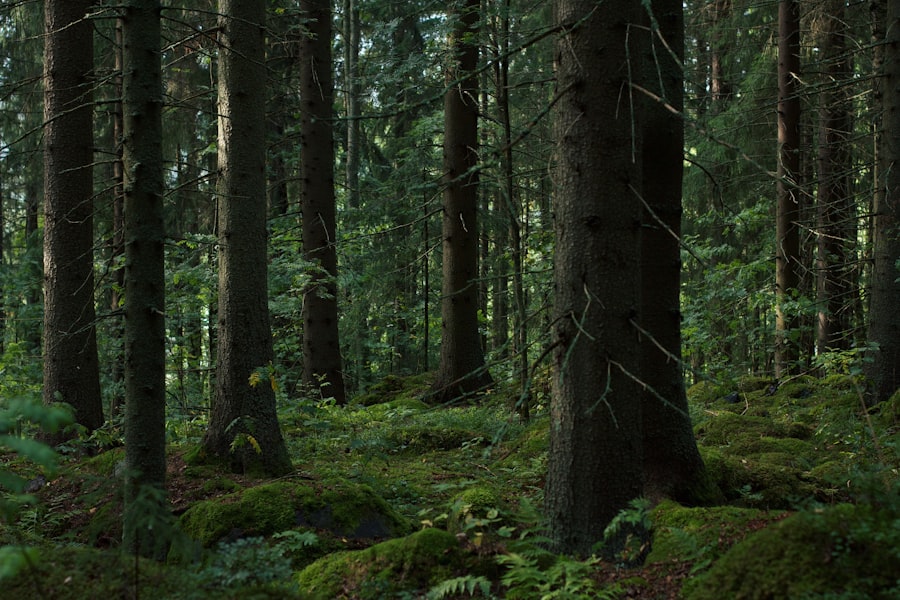
Reforestation in biodiversity hotspots offers numerous economic and social benefits that extend beyond environmental restoration. When you think about the potential for job creation, it becomes clear that reforestation initiatives can provide employment opportunities for local communities. From tree planting to forest management and ecotourism, these projects can stimulate local economies while promoting sustainable practices.
As you engage with these initiatives, you will likely see how they can empower communities by providing them with alternative livelihoods that reduce reliance on destructive practices such as logging or unsustainable agriculture. In addition to economic benefits, reforestation can enhance social cohesion within communities. As people come together to participate in planting trees or restoring habitats, they build relationships and foster a sense of community spirit.
You may find it inspiring to learn about programs that involve schools or youth groups in reforestation efforts, as these initiatives not only educate younger generations about environmental stewardship but also instill a sense of responsibility toward their natural surroundings. The social fabric strengthened through these activities contributes to long-term commitment to conservation goals.
The Future of Reforestation and Biodiversity Conservation Efforts
Looking ahead, the future of reforestation and biodiversity conservation efforts appears promising yet challenging. As awareness about climate change and biodiversity loss grows, there is an increasing recognition of the need for urgent action. You may find it encouraging that many governments and organizations are now prioritizing reforestation as part of their climate action plans.
Initiatives such as the Bonn Challenge aim to restore 150 million hectares of degraded land by 2020, showcasing a global commitment to addressing these pressing issues. However, achieving these ambitious goals requires innovative approaches and collaboration across sectors. As you consider the future landscape of reforestation efforts, think about how technology can play a role in enhancing monitoring and evaluation processes.
Remote sensing tools and data analytics can provide valuable insights into forest health and growth patterns, enabling more effective management strategies. By embracing new technologies alongside traditional knowledge systems, you can contribute to a more holistic approach to biodiversity conservation.
The Potential Impact of Reforestation on Biodiversity Hotspots
In conclusion, reforestation holds immense potential for revitalizing biodiversity hotspots and ensuring the survival of countless species. As you reflect on the various aspects discussed throughout this article—from successful case studies to the role of indigenous communities—you may recognize that reforestation is not merely an environmental issue but a multifaceted challenge that intersects with social and economic dimensions. By actively participating in or supporting reforestation initiatives, you can play a part in safeguarding our planet’s rich biodiversity for future generations.
The impact of reforestation extends far beyond tree planting; it encompasses the restoration of ecosystems, the empowerment of communities, and the promotion of sustainable livelihoods. As we move forward into an uncertain future marked by climate change and habitat loss, your involvement in reforestation efforts can contribute to a more resilient planet. Together, we have the opportunity to create lasting change that benefits both nature and humanity—an endeavor worth pursuing for all who share this Earth.
A related article discussing the potential consequences of increased tree planting on the world’s ecosystems can be found at