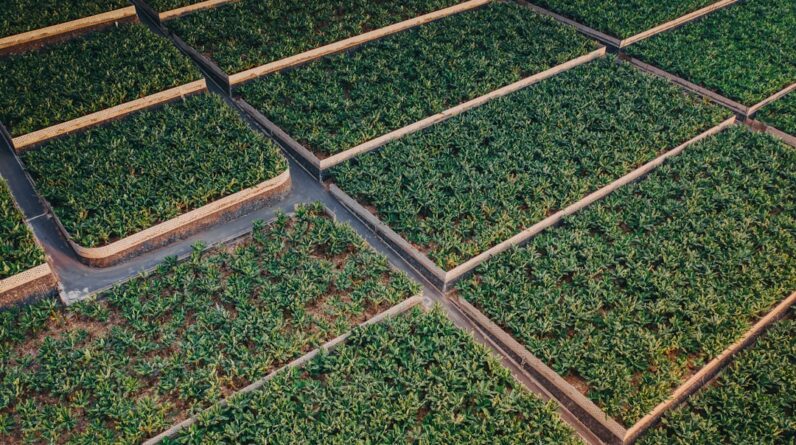
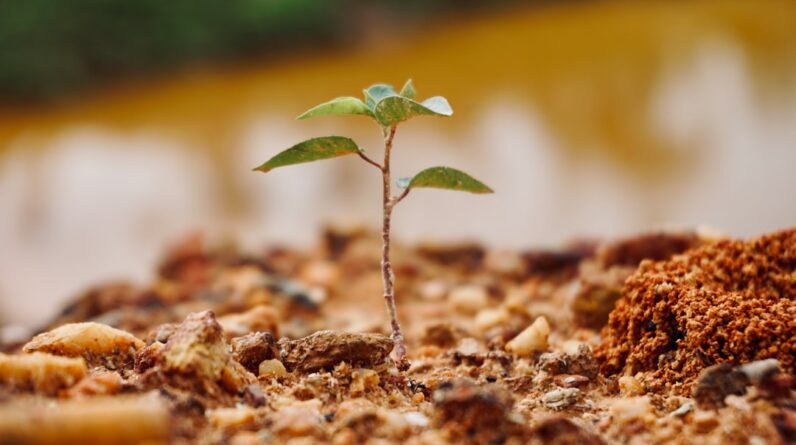
Soil is often overlooked in discussions about climate change, yet it plays a pivotal role in the Earth’s ecosystem. You may not realize that soil can be both a hero and a victim in the climate crisis. On one hand, healthy soil acts as a significant carbon sink, absorbing carbon dioxide from the atmosphere and helping to mitigate the effects of climate change.
On the other hand, when soil is degraded or mismanaged, it can release stored carbon back into the atmosphere, exacerbating global warming. This duality makes soil a critical component in the fight against climate change, and understanding its role is essential for effective climate action. As you delve deeper into the relationship between soil and climate, you will discover that the health of our soils directly impacts not only agricultural productivity but also biodiversity and water quality.
The intricate web of life that exists within soil is vital for maintaining ecological balance. Therefore, recognizing soil as both a climate hero and a victim is crucial for developing strategies that promote its health and resilience. By doing so, you can contribute to a more sustainable future where soil is valued for its essential functions in combating climate change.
Key Takeaways
- Soil can act as both a climate hero and victim, depending on its ability to sequester carbon and resist degradation.
- Soil plays a crucial role in carbon sequestration, helping to mitigate climate change by storing carbon from the atmosphere.
- Factors such as land use, management practices, and climate change can affect soil’s ability to sequester carbon.
- Human activities, such as deforestation, agriculture, and urbanization, can lead to the loss of soil carbon and contribute to climate change.
- Soil degradation, caused by erosion, pollution, and overuse, can further exacerbate climate change by releasing stored carbon into the atmosphere.
The Role of Soil in Carbon Sequestration
Soil serves as one of the largest reservoirs of carbon on Earth, containing more carbon than the atmosphere and all terrestrial vegetation combined. When you think about carbon sequestration, it’s important to understand that soil captures carbon through various processes, primarily through the decomposition of organic matter. As plants grow, they absorb carbon dioxide from the atmosphere during photosynthesis.
When these plants die or shed leaves, their organic material is incorporated into the soil, where microorganisms break it down and convert it into stable forms of carbon. You might be surprised to learn that healthy soils can sequester significant amounts of carbon over time. This process not only helps to reduce atmospheric CO2 levels but also enhances soil fertility and structure.
The presence of organic matter improves water retention and nutrient availability, which are essential for plant growth. Thus, by fostering healthy soils, you are not only contributing to carbon sequestration but also promoting agricultural sustainability and food security.
Factors Affecting Soil’s Ability to Sequester Carbon
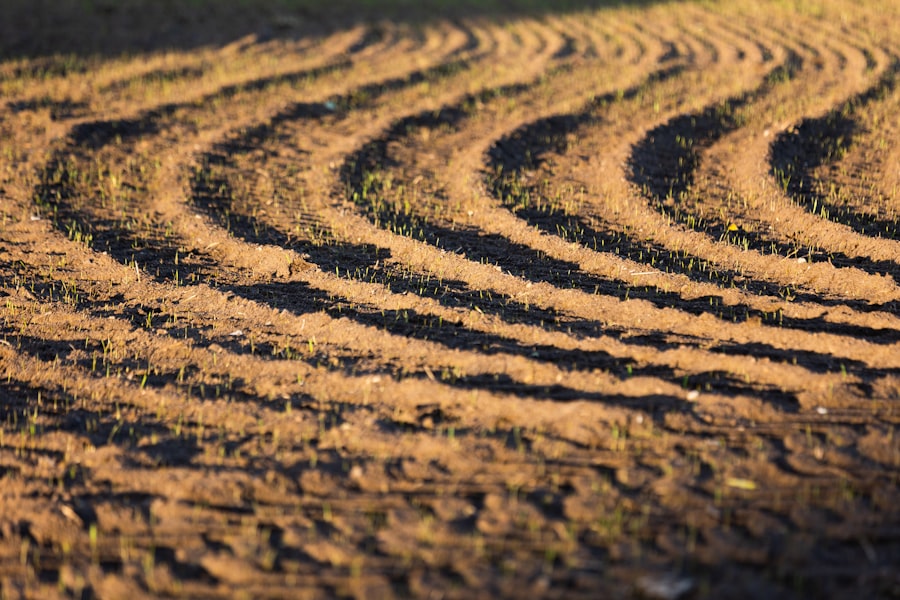
Several factors influence the capacity of soil to sequester carbon effectively. One of the most significant factors is soil type. Different soils have varying textures and compositions that affect their ability to store carbon.
For instance, clay-rich soils tend to hold more carbon than sandy soils due to their higher surface area and ability to bind organic matter. Additionally, the depth of the soil profile plays a crucial role; deeper soils generally have more organic matter and thus greater potential for carbon storage. Another critical factor is land management practices.
You may find that practices such as crop rotation, cover cropping, and reduced tillage can enhance soil carbon sequestration. These methods promote the accumulation of organic matter and improve soil structure, making it easier for carbon to be stored. Conversely, practices like intensive tillage and monoculture can lead to soil degradation and loss of carbon.
Understanding these factors allows you to make informed decisions about land use and management that can significantly impact soil health and its ability to sequester carbon.
The Impact of Human Activities on Soil Carbon
Human activities have a profound impact on soil carbon dynamics. Deforestation, urbanization, and industrial agriculture are just a few examples of how our actions can disrupt the natural processes that allow soil to sequester carbon effectively. When forests are cleared for agriculture or development, not only is the vegetation that captures carbon removed, but the soil itself is often disturbed, leading to the release of stored carbon back into the atmosphere.
Moreover, the use of synthetic fertilizers and pesticides in conventional farming can degrade soil health over time. These chemicals can disrupt microbial communities essential for breaking down organic matter and sequestering carbon. As you consider the implications of these practices, it becomes clear that sustainable land management is crucial for maintaining soil health and enhancing its role as a carbon sink.
By adopting more environmentally friendly practices, you can help mitigate the negative impacts of human activities on soil carbon levels.
Soil Degradation and its Contribution to Climate Change
Soil degradation is a pressing issue that contributes significantly to climate change. When soils are degraded through erosion, compaction, or contamination, their ability to store carbon diminishes. You may not realize that degraded soils can become sources of greenhouse gas emissions rather than sinks.
For example, when organic matter is lost due to erosion or poor management practices, the stored carbon is released as CO2, further exacerbating climate change. The consequences of soil degradation extend beyond carbon emissions; they also affect food security and water quality. Degraded soils are less productive, leading to reduced crop yields and increased reliance on chemical inputs.
This cycle not only threatens agricultural sustainability but also impacts local ecosystems and communities. Recognizing the link between soil degradation and climate change is essential for developing effective strategies to combat both issues simultaneously.
Strategies for Enhancing Soil Carbon Sequestration
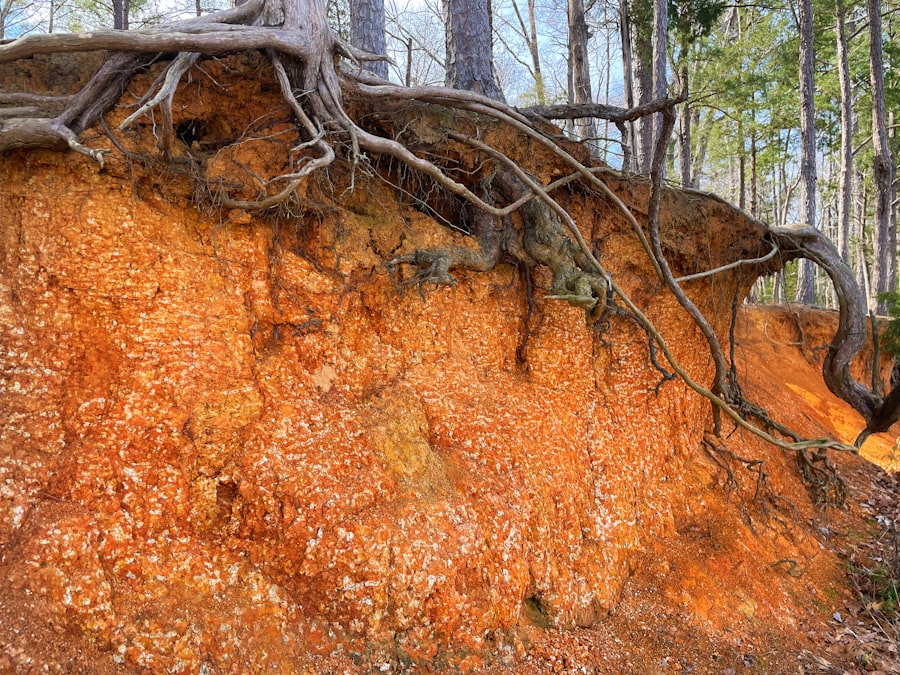
To enhance soil carbon sequestration, several strategies can be employed that focus on improving soil health and resilience. One effective approach is adopting regenerative agricultural practices that prioritize soil health over short-term yields. Techniques such as agroforestry, which integrates trees into agricultural landscapes, can significantly increase carbon storage while providing additional benefits like shade and habitat for wildlife.
You might also consider implementing cover crops during fallow periods to protect the soil from erosion and enhance organic matter content. These crops not only prevent nutrient leaching but also contribute to building healthy soils that can sequester more carbon over time. Additionally, reducing tillage can help maintain soil structure and prevent the release of stored carbon.
By embracing these strategies, you can play an active role in enhancing soil’s capacity to sequester carbon while promoting sustainable land use practices.
The Potential of Soil Carbon Sequestration in Mitigating Climate Change
The potential for soil carbon sequestration as a tool for mitigating climate change is immense. Research indicates that if managed properly, soils could sequester billions of tons of CO2 annually, making a significant contribution to global climate goals. You may find it encouraging that many countries are beginning to recognize this potential and are implementing policies aimed at promoting sustainable land management practices that enhance soil health.
Moreover, investing in soil health not only addresses climate change but also supports biodiversity and ecosystem services. Healthy soils contribute to clean water, improved air quality, and resilient agricultural systems capable of withstanding climate impacts. By advocating for policies that support soil conservation and restoration efforts, you can help create a more sustainable future where soils are recognized as vital allies in combating climate change.
The Importance of Preserving and Restoring Soil Health for Climate Action
In conclusion, preserving and restoring soil health is paramount in our collective effort to combat climate change. As you have learned throughout this article, healthy soils serve as crucial carbon sinks while also supporting agricultural productivity and ecological balance. The dual role of soil as both a climate hero and victim underscores the importance of sustainable land management practices that prioritize soil health.
By taking action to enhance soil carbon sequestration through regenerative practices, you contribute not only to mitigating climate change but also to fostering resilient ecosystems and communities. It is essential for individuals, policymakers, and organizations alike to recognize the value of healthy soils in addressing climate challenges. Together, we can work towards a future where soils are celebrated for their vital contributions to our planet’s health and well-being.
In a related article on the disadvantages of planting trees for climate change, the complexities of using trees as a solution to combat global warming are explored. While trees are often seen as a natural way to sequester carbon dioxide, there are potential drawbacks to relying solely on reforestation efforts. This article delves into the challenges and limitations of using trees as a climate solution, providing a more nuanced perspective on the role of trees in the fight against climate change.
FAQs
What is soil carbon?
Soil carbon refers to the carbon stored in the soil in the form of organic matter, such as decomposed plant and animal material, and inorganic forms, such as carbonates.
Why is soil carbon important for the climate?
Soil carbon plays a crucial role in the global carbon cycle. It helps to regulate the amount of carbon dioxide in the atmosphere by storing and releasing carbon through processes like photosynthesis, decomposition, and respiration.
How does soil carbon impact climate change?
Soil carbon can either mitigate or exacerbate climate change. When managed properly, soil can act as a “carbon sink,” sequestering carbon from the atmosphere. However, when soil is degraded or disturbed, it can release stored carbon, contributing to greenhouse gas emissions.
What are some practices that can help increase soil carbon levels?
Practices such as no-till farming, cover cropping, crop rotation, and agroforestry can help increase soil carbon levels by promoting the accumulation of organic matter and reducing soil disturbance.
What are the potential benefits of increasing soil carbon levels?
Increasing soil carbon levels can improve soil fertility, water retention, and resilience to extreme weather events. It can also help mitigate climate change by sequestering carbon and reducing greenhouse gas emissions.
What are the potential risks of soil carbon loss?
Loss of soil carbon can lead to decreased soil fertility, reduced agricultural productivity, and increased vulnerability to erosion and drought. It can also contribute to climate change by releasing stored carbon into the atmosphere.