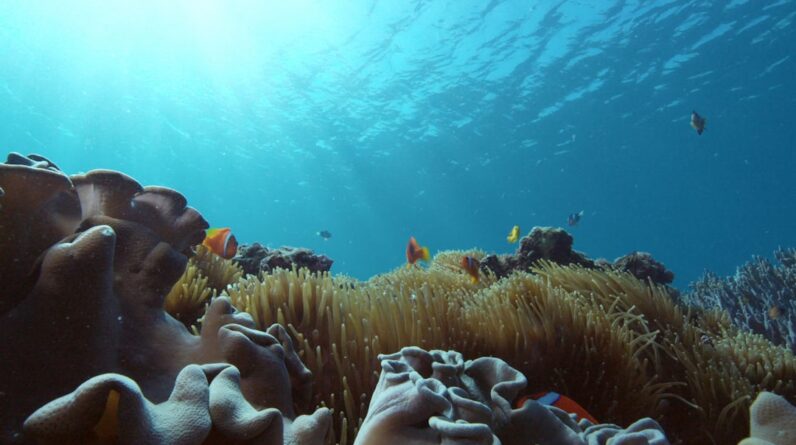
As you delve into the intricate web of life that exists beneath the ocean’s surface, you may find yourself astonished by the vital role that oceanic oxygen production plays in sustaining not only marine ecosystems but also life on Earth as a whole. The oceans are responsible for producing approximately 50% of the oxygen you breathe, primarily through the photosynthetic activities of phytoplankton, seaweed, and other marine plants. These microscopic organisms harness sunlight and carbon dioxide to create oxygen, which is then released into the atmosphere.
This process is not just a mere footnote in the story of life; it is a cornerstone that supports the delicate balance of our planet’s ecosystems. Moreover, the health of oceanic oxygen production is intricately linked to climate regulation. The oceans act as a carbon sink, absorbing significant amounts of carbon dioxide from the atmosphere.
This interaction helps mitigate climate change, making it essential for you to understand how oceanic health directly impacts your own well-being. When oxygen levels in the oceans decline, it can lead to a cascade of negative effects, including the disruption of marine food webs and the exacerbation of climate change. Recognizing the importance of oceanic oxygen production is the first step toward fostering a sustainable relationship with our planet’s most vital resource.
Key Takeaways
- Oceanic oxygen production is crucial for supporting marine life and maintaining a healthy ecosystem.
- Factors such as climate change, nutrient pollution, and ocean warming contribute to declining oxygen levels in the oceans.
- Sustainable fishing practices are essential for preserving marine life and preventing further depletion of oxygen-producing organisms.
- Reducing pollution, including plastic waste and chemical runoff, is necessary to minimize its impact on marine ecosystems and oxygen levels.
- Promoting the growth of phytoplankton and other oxygen-producing organisms is vital for replenishing oxygen levels in the oceans.
Identifying the Factors Contributing to Declining Oxygen Levels in the Oceans
As you explore the factors contributing to declining oxygen levels in the oceans, it becomes clear that human activity plays a significant role. One of the primary culprits is nutrient pollution, often resulting from agricultural runoff and wastewater discharge. When excess nutrients, particularly nitrogen and phosphorus, enter the ocean, they can lead to algal blooms.
While these blooms may initially seem beneficial, they can ultimately deplete oxygen levels in the water as they decay, creating “dead zones” where marine life struggles to survive. Understanding this connection between land-based activities and ocean health is crucial for you as a steward of the environment. In addition to nutrient pollution, climate change poses a formidable threat to oceanic oxygen levels.
Rising sea temperatures can reduce the solubility of oxygen in water, making it harder for marine organisms to access this essential element. Furthermore, warmer waters can lead to stratification, where layers of water become separated and inhibit mixing. This lack of mixing can prevent oxygen from reaching deeper waters, further exacerbating the problem.
As you consider these factors, it becomes evident that addressing declining oxygen levels requires a multifaceted approach that encompasses both local and global efforts.
Implementing Sustainable Fishing Practices to Preserve Marine Life
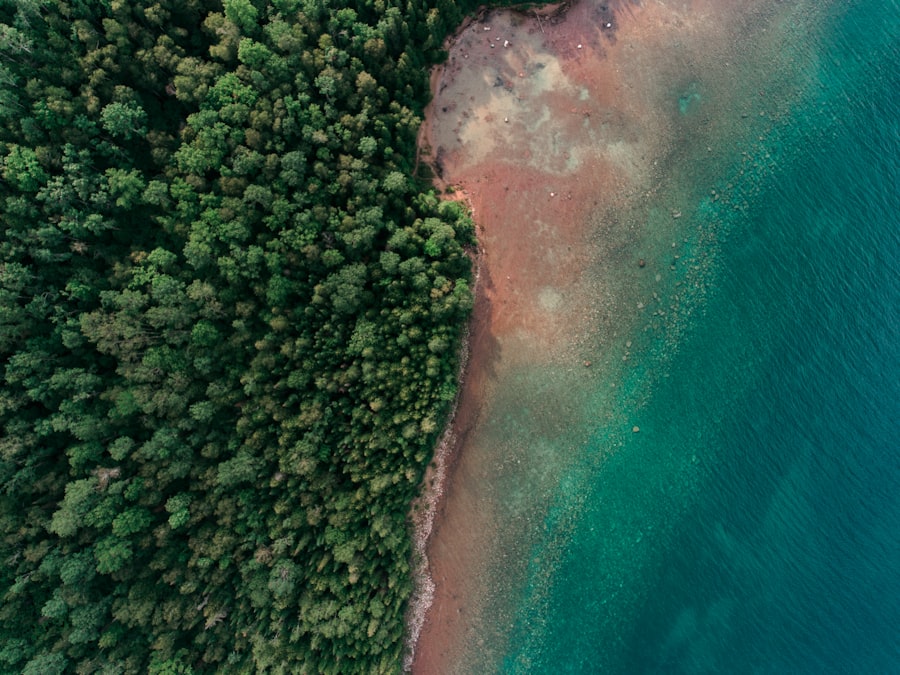
You may not realize it, but your choices as a consumer can significantly impact marine ecosystems and their ability to produce oxygen. Implementing sustainable fishing practices is one way to ensure that marine life thrives and continues to contribute to oceanic oxygen production. Overfishing and destructive fishing methods can decimate fish populations and disrupt the balance of marine ecosystems.
By supporting sustainable fisheries and choosing seafood that is harvested responsibly, you can play an active role in preserving these vital habitats. Moreover, sustainable fishing practices often involve protecting critical habitats such as coral reefs and seagrass beds, which serve as nurseries for many fish species. These habitats not only support biodiversity but also contribute to oxygen production through photosynthesis.
By advocating for policies that promote sustainable fishing and protecting these essential ecosystems, you are helping to create a healthier ocean environment that benefits both marine life and humanity.
Reducing Pollution and Its Impact on Marine Ecosystems
As you reflect on the state of our oceans, it’s impossible to ignore the pervasive issue of pollution and its detrimental effects on marine ecosystems. Plastic waste, chemical runoff, and oil spills are just a few examples of how human activity has tainted these vital waters. Pollution not only harms marine organisms but also disrupts the delicate balance necessary for oxygen production.
For instance, toxic substances can accumulate in the tissues of marine life, leading to health issues that ripple through entire food webs. To combat pollution effectively, you must consider both individual actions and collective efforts. Reducing single-use plastics in your daily life can significantly decrease the amount of waste that ends up in our oceans.
Additionally, advocating for stricter regulations on industrial discharges and supporting clean-up initiatives can help restore damaged ecosystems. By taking these steps, you contribute to a cleaner ocean environment that fosters healthy marine life and promotes robust oxygen production.
Promoting the Growth of Phytoplankton and Other Oxygen-Producing Organisms
Phytoplankton are often referred to as the “lungs of the Earth,” and for good reason; they are responsible for producing a substantial portion of the world’s oxygen supply. To ensure that these vital organisms continue to thrive, it is essential for you to understand their needs and promote their growth. Healthy ocean conditions—such as optimal nutrient levels, appropriate light availability, and stable temperatures—are crucial for phytoplankton populations to flourish.
You can support phytoplankton growth by advocating for practices that reduce nutrient pollution and protect coastal ecosystems. For example, supporting organic farming methods can minimize harmful runoff into waterways, while promoting wetland restoration can enhance nutrient cycling in coastal areas. By fostering environments conducive to phytoplankton growth, you are not only helping to sustain marine life but also ensuring that our planet’s oxygen supply remains robust.
Supporting Marine Protected Areas and Conservation Efforts
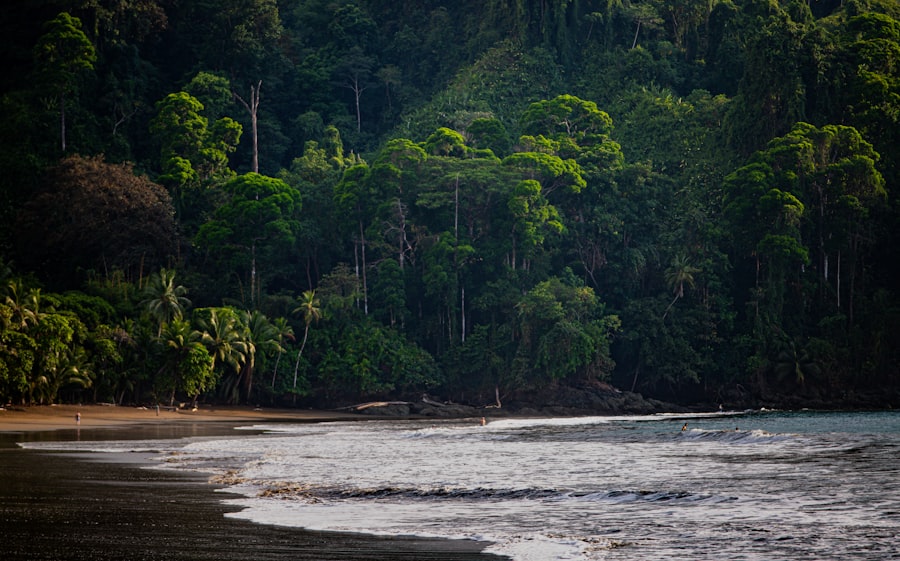
As you consider ways to protect oceanic oxygen production, supporting marine protected areas (MPAs) emerges as a powerful strategy. MPAs are designated regions where human activity is restricted or managed to conserve marine biodiversity and habitats. By advocating for the establishment and effective management of these areas, you contribute to preserving critical ecosystems that play a vital role in oxygen production.
In addition to MPAs, engaging with local conservation efforts can amplify your impact. Many organizations work tirelessly to restore damaged habitats, conduct research on marine species, and educate communities about sustainable practices. By volunteering your time or donating resources to these initiatives, you help create a collective force dedicated to safeguarding our oceans for future generations.
Investing in Research and Technology to Monitor and Improve Oceanic Oxygen Levels
The importance of research and technology in understanding and improving oceanic oxygen levels cannot be overstated. As you consider your role in this endeavor, investing in scientific research becomes paramount. Innovative technologies such as remote sensing and underwater drones allow scientists to monitor changes in oceanic conditions more effectively than ever before.
These tools provide valuable data on temperature fluctuations, nutrient levels, and oxygen concentrations—information that is crucial for developing strategies to combat declining oxygen levels. Moreover, supporting research initiatives focused on understanding the impacts of climate change on marine ecosystems can lead to more effective conservation strategies. By staying informed about ongoing studies and advocating for funding in this area, you contribute to a growing body of knowledge that will ultimately benefit both marine life and humanity.
Collaborating on Global Initiatives to Address Oceanic Oxygen Production
Finally, addressing the challenges associated with oceanic oxygen production requires collaboration on a global scale. As you engage with international initiatives aimed at protecting marine environments, you become part of a larger movement dedicated to preserving our planet’s health. Organizations such as the United Nations have established frameworks like the Sustainable Development Goals (SDGs), which emphasize the importance of healthy oceans for sustainable development.
By participating in global discussions and supporting international agreements focused on marine conservation, you help amplify efforts to combat issues like climate change and pollution that threaten oceanic oxygen production. Your voice matters in these conversations; by advocating for policies that prioritize ocean health, you contribute to a collective vision for a sustainable future where both humanity and marine life can thrive together. In conclusion, understanding the importance of oceanic oxygen production is just the beginning of your journey toward becoming an advocate for healthier oceans.
By identifying contributing factors to declining oxygen levels, implementing sustainable practices, reducing pollution, promoting phytoplankton growth, supporting conservation efforts, investing in research, and collaborating globally, you can make a meaningful impact on this critical issue. The oceans are not just vast bodies of water; they are lifelines that sustain us all. Your actions today will shape the future of our planet’s health for generations to come.
One way to help boost our oceans’ oxygen production is by stopping forest burning and saving trees and animals. Forests act as biodiversity reservoirs, providing essential habitats for a wide range of species. By having healthy forests, we can ensure the preservation of various plant and animal species, ultimately contributing to the overall health of our planet. Reforestation plays a crucial role in restoring damaged ecosystems and mitigating the effects of deforestation. To learn more about the importance of stopping forest burning and promoting reforestation, check out this related article: Stop Forest Burning: Save Trees and Animals.
FAQs
What is the importance of oxygen production in the oceans?
Oxygen production in the oceans is crucial for supporting marine life and maintaining the overall health of the marine ecosystem. It also plays a significant role in regulating the Earth’s climate and atmospheric composition.
What are some natural processes that contribute to oxygen production in the oceans?
Some natural processes that contribute to oxygen production in the oceans include photosynthesis by marine plants (phytoplankton, seaweed, and seagrass), as well as the mixing of surface waters with deeper, oxygen-rich waters.
How can human activities impact oxygen production in the oceans?
Human activities such as pollution, overfishing, and climate change can negatively impact oxygen production in the oceans. For example, nutrient runoff from agriculture and urban areas can lead to algal blooms, which deplete oxygen levels in the water.
What can be done to boost oxygen production in the oceans?
To boost oxygen production in the oceans, efforts can be made to reduce pollution and nutrient runoff, protect and restore coastal habitats such as mangroves and salt marshes, and promote sustainable fishing practices. Additionally, addressing climate change and reducing carbon emissions can help mitigate the impacts of ocean acidification on oxygen production.