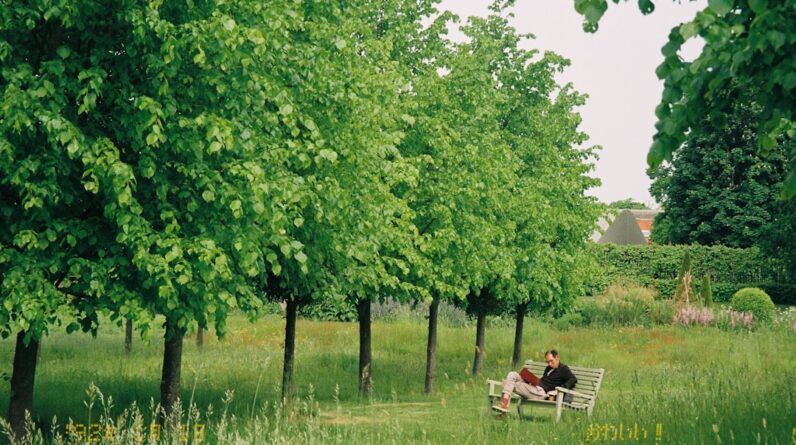
Trees play a crucial role in maintaining the health and stability of soil ecosystems. Their extensive root systems anchor the soil, preventing it from being washed or blown away by wind and water. When you consider the sheer volume of soil that can be lost due to erosion, the significance of trees becomes even more apparent.
They not only hold the soil in place but also improve its structure, making it more resilient to environmental stresses. The organic matter that trees contribute through fallen leaves and decomposing roots enriches the soil, enhancing its fertility and ability to retain moisture. Moreover, trees act as natural barriers against harsh weather conditions.
Their canopies provide shade, which helps to moderate soil temperatures and reduce evaporation rates. This is particularly important in areas prone to drought, where maintaining soil moisture is essential for plant growth. By protecting the soil from direct sunlight and heavy rainfall, trees create a more stable environment for various organisms that contribute to soil health.
In essence, trees are not just passive elements of the landscape; they are active participants in the intricate web of life that sustains our planet.
Key Takeaways
- Trees play a crucial role in protecting soil from erosion and degradation, making them essential for maintaining healthy ecosystems.
- Reforestation is a key strategy for conserving soil, as it helps to restore and maintain the natural balance of nutrients and microorganisms in the soil.
- The root systems of trees help to anchor the soil, preventing erosion caused by wind and water, and maintaining its structure and fertility.
- Deforestation can have a detrimental impact on soil health, leading to erosion, loss of nutrients, and decreased water retention capacity.
- Reforestation not only improves soil quality but also contributes to better water quality by reducing sediment runoff and filtering pollutants.
The Role of Reforestation in Soil Conservation
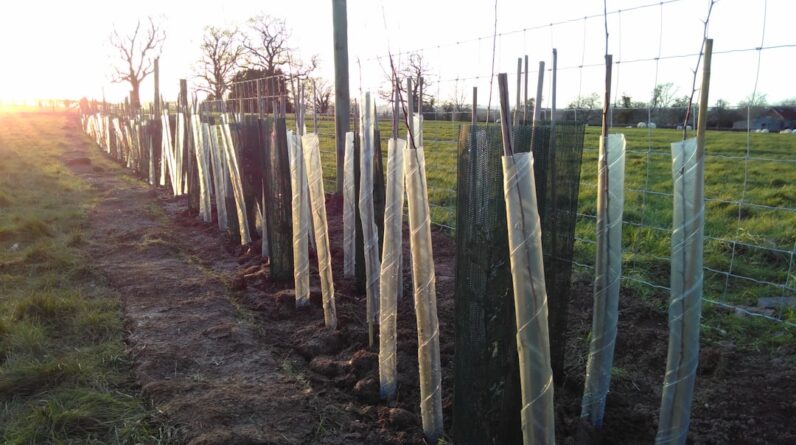
Reforestation is a powerful tool for restoring degraded landscapes and enhancing soil conservation efforts. When you engage in reforestation, you are essentially reintroducing trees to areas where they have been removed or diminished. This process not only helps to restore biodiversity but also plays a vital role in stabilizing the soil.
As new trees grow, their roots penetrate the ground, binding the soil particles together and reducing the risk of erosion. This is particularly important in regions that have experienced deforestation due to agricultural expansion or urban development. In addition to preventing erosion, reforestation contributes to the overall health of the ecosystem.
The presence of trees improves soil structure and increases organic matter content, which in turn enhances nutrient availability for other plants. As you participate in reforestation efforts, you are not only helping to combat soil degradation but also fostering a more resilient environment that can support diverse plant and animal life. The benefits of reforestation extend beyond immediate soil protection; they create a foundation for sustainable land use practices that can benefit future generations.
How Trees Help Prevent Soil Erosion
Soil erosion is a significant environmental issue that can lead to loss of arable land and degradation of ecosystems. Trees are instrumental in combating this problem through their physical presence and biological functions. When you think about how trees interact with the environment, consider their ability to intercept rainfall.
The leaves and branches of trees catch raindrops, reducing the impact on the ground below. This natural barrier minimizes soil displacement and allows water to infiltrate the ground more effectively, replenishing groundwater supplies. Furthermore, the root systems of trees play a pivotal role in preventing soil erosion.
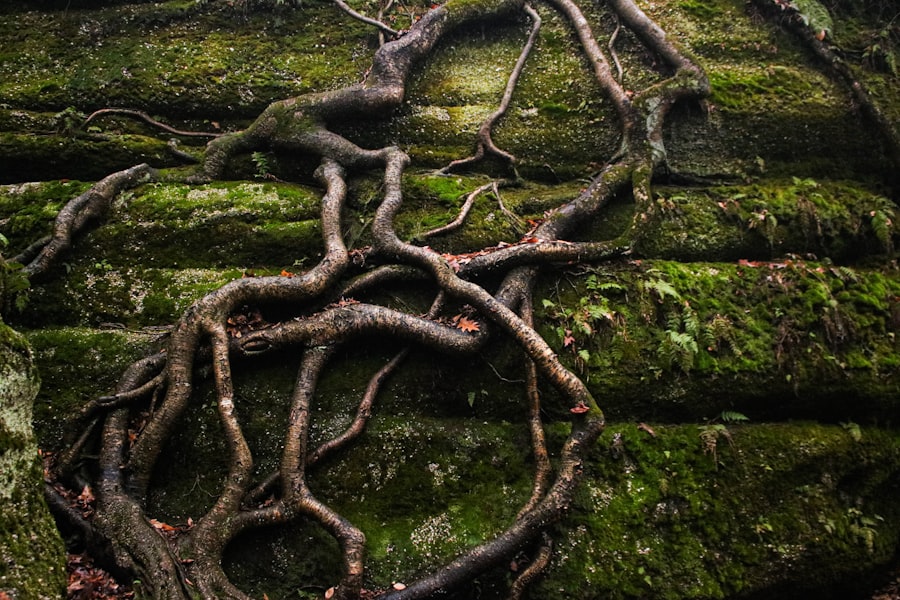
As roots grow deeper into the earth, they create a network that binds soil particles together. This anchoring effect is particularly beneficial on slopes or areas prone to heavy rainfall. When you plant trees in these vulnerable locations, you are actively working to stabilize the soil and prevent it from washing away during storms.
The combination of physical protection from rainfall and biological anchoring by roots makes trees an essential component in the fight against soil erosion.
The Impact of Deforestation on Soil Health
Deforestation poses a significant threat to soil health and stability. When trees are removed from an area, the protective cover they provide is lost, leaving the soil exposed to the elements. This exposure can lead to increased erosion, nutrient depletion, and a decline in overall soil quality.
As you reflect on the consequences of deforestation, consider how it disrupts the delicate balance of ecosystems. Without trees, the soil becomes more susceptible to compaction and degradation, making it less capable of supporting plant life. Moreover, deforestation can lead to a cascade of negative effects on local water systems.
Without trees to absorb rainfall and regulate water flow, runoff increases, leading to sedimentation in rivers and streams. This sedimentation can harm aquatic ecosystems and reduce water quality for both human consumption and wildlife habitats. The loss of trees not only affects the immediate area but also has far-reaching implications for surrounding environments.
Understanding these impacts highlights the importance of sustainable land management practices that prioritize tree conservation.
The Benefits of Reforestation for Water Quality
Reforestation offers numerous benefits for water quality, making it an essential component of effective environmental management. When you plant trees in areas near water bodies, you create buffer zones that filter pollutants and sediments before they enter streams and rivers. The roots of trees absorb excess nutrients from fertilizers and other contaminants, helping to maintain cleaner water sources.
This natural filtration system is vital for protecting aquatic ecosystems and ensuring safe drinking water for communities. Additionally, reforested areas contribute to improved hydrological cycles. Trees help regulate water flow by absorbing rainfall and releasing it slowly into the atmosphere through a process known as transpiration.
This not only reduces the risk of flooding but also maintains consistent water levels in nearby bodies of water during dry periods. As you engage in reforestation efforts, you are actively participating in a process that enhances both soil health and water quality, creating a more sustainable environment for all living organisms.
The Role of Trees in Carbon Sequestration and Soil Fertility

Trees play a significant role in carbon sequestration, which is essential for mitigating climate change. As you consider the impact of trees on carbon dioxide levels in the atmosphere, it’s important to recognize their ability to absorb CO2 during photosynthesis. This process not only helps reduce greenhouse gas concentrations but also contributes to soil fertility through organic matter accumulation.
When leaves fall and decompose, they enrich the soil with nutrients that support plant growth. Furthermore, healthy soils are critical for sustaining tree growth and enhancing carbon storage capacity. The relationship between trees and soil is symbiotic; as trees thrive, they improve soil structure and fertility, which in turn supports their own growth.
This cycle creates a positive feedback loop that benefits both the atmosphere and terrestrial ecosystems. By promoting tree planting initiatives, you are contributing to a larger effort aimed at combating climate change while simultaneously enhancing soil health.
Reforestation as a Solution to Land Degradation
Land degradation is a pressing global issue that threatens food security and biodiversity. Reforestation serves as an effective solution to this problem by restoring degraded landscapes and revitalizing ecosystems. When you participate in reforestation projects, you are helping to reverse the effects of deforestation and land misuse.
The introduction of trees into barren or degraded areas can lead to significant improvements in soil quality, biodiversity, and overall ecosystem resilience. In addition to restoring ecological balance, reforestation can also enhance agricultural productivity. Healthy forests provide essential ecosystem services such as pollination, pest control, and nutrient cycling that benefit nearby farms.
As you engage with local communities in reforestation efforts, you are not only addressing land degradation but also promoting sustainable agricultural practices that can lead to long-term food security and economic stability.
The Economic and Social Benefits of Reforestation for Soil Conservation
Reforestation offers numerous economic and social benefits that extend beyond environmental conservation. When you invest in tree planting initiatives, you are contributing to job creation within local communities. Reforestation projects often require labor for planting, maintenance, and monitoring, providing employment opportunities for individuals who may otherwise struggle to find work.
This economic boost can lead to improved livelihoods and greater community resilience. Moreover, reforestation fosters social cohesion by bringing people together around a common goal: restoring their environment. Community involvement in tree planting initiatives encourages collaboration and strengthens social bonds among residents.
As you witness these positive changes unfold within communities engaged in reforestation efforts, it becomes clear that the benefits extend far beyond mere environmental restoration; they encompass economic growth and social well-being as well. In conclusion, trees are indispensable allies in protecting soil health and promoting sustainable ecosystems. Their role in preventing erosion, enhancing water quality, sequestering carbon, and supporting biodiversity cannot be overstated.
Through reforestation efforts, you have the opportunity to contribute meaningfully to these vital processes while also fostering economic growth and social cohesion within communities. Embracing reforestation as a solution not only addresses immediate environmental challenges but also lays the groundwork for a more sustainable future for generations to come.
In addition to serving as soil protectors, trees play a crucial role in combating climate change. According to a related article on Live Life with a Cause, planting trees can help mitigate the effects of global warming by absorbing carbon dioxide from the atmosphere. This highlights the interconnected benefits of reforestation efforts, not only in terms of soil conservation but also in addressing broader environmental challenges.
FAQs
What are the benefits of using trees as soil protectors through reforestation?
Reforestation helps to prevent soil erosion, improve soil fertility, and reduce the risk of landslides. Trees also help to regulate water flow and maintain the health of ecosystems.
How do trees protect soil from erosion?
The roots of trees help to bind the soil together, preventing it from being washed away by rain or blown away by wind. The canopy of trees also helps to reduce the impact of rainfall on the soil surface.
What are the conservation benefits of reforestation?
Reforestation helps to restore and conserve natural habitats, increase biodiversity, and mitigate the effects of climate change by sequestering carbon dioxide from the atmosphere.
How does reforestation contribute to sustainable land management?
Reforestation helps to restore degraded land, improve soil quality, and provide sustainable sources of timber, fuel, and other forest products. It also supports sustainable agriculture and agroforestry practices.
What are some examples of successful reforestation projects?
Successful reforestation projects include the restoration of degraded landscapes, the establishment of community-managed forests, and the implementation of agroforestry systems in various regions around the world.