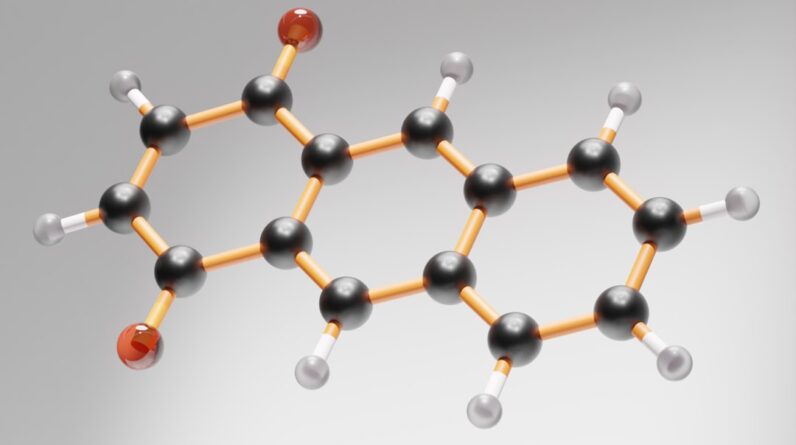
The journey to the discovery of oxygen is a fascinating tale that intertwines the efforts of several brilliant minds. In the late 17th century, scientists began to unravel the mysteries of air and its components. You might find it intriguing that the term “oxygen” was not coined until the late 18th century, despite the gas itself being present long before its identification.
The first significant breakthrough came in 1774 when the English chemist Joseph Priestley conducted experiments that led him to isolate a gas he called “dephlogisticated air.” This gas was later recognized as oxygen, a name derived from the Greek words for “acid” and “producer,” reflecting the belief at the time that oxygen was essential for forming acids. Around the same period, the Swedish chemist Carl Wilhelm Scheele independently discovered oxygen, although his findings were published after Priestley’s. You may appreciate how these discoveries were pivotal in shifting scientific thought.
The realization that air was not a singular entity but rather a mixture of gases laid the groundwork for modern chemistry. The work of these early chemists sparked a revolution in understanding the nature of air and its components, leading to further exploration into the properties and behaviors of gases. This foundational knowledge would eventually lead to significant advancements in various scientific fields, including biology, medicine, and environmental science.
Key Takeaways
- Oxygen was discovered in the 18th century by Joseph Priestley and Carl Wilhelm Scheele.
- Oxygen plays a crucial role in combustion and respiration, supporting life and enabling fire.
- Oxygen can be toxic at high concentrations, causing oxidative stress and damage to cells and tissues.
- The evolution of oxygen as a vital element for life is closely linked to the development of aerobic organisms.
- Oxygen is essential in medicine for resuscitation, anesthesia, and treating respiratory conditions.
Oxygen’s Role in Combustion and Respiration
Oxygen plays a crucial role in both combustion and respiration, two processes that are fundamental to life as you know it. In combustion, oxygen acts as an oxidizing agent, facilitating the chemical reaction that produces heat and light. When you light a fire, for instance, it is the oxygen in the air that reacts with the fuel, releasing energy in the form of heat and light.
This process is not only vital for cooking and heating but also for various industrial applications. Understanding how oxygen interacts with other substances allows you to harness its power effectively, whether in a simple campfire or in complex manufacturing processes. On the other hand, respiration is an essential biological process that sustains life.
As you breathe in, your body takes in oxygen, which is then transported through your bloodstream to cells throughout your body. Here, oxygen plays a critical role in cellular respiration, a process that converts glucose into energy. This energy is what fuels your daily activities, from simple movements to complex cognitive functions.
Without oxygen, your cells would be unable to produce the energy necessary for survival, highlighting its indispensable role in maintaining life.
Oxygen as a Toxic Gas

While oxygen is often celebrated for its life-sustaining properties, it is essential to recognize that it can also be toxic under certain conditions. You may be surprised to learn that high concentrations of oxygen can lead to oxidative stress, which damages cells and tissues. This phenomenon occurs because oxygen can form reactive oxygen species (ROS), highly reactive molecules that can cause significant harm if not adequately managed by your body’s antioxidant defenses.
Prolonged exposure to elevated levels of oxygen can result in various health issues, including lung damage and central nervous system toxicity. In specific environments, such as underwater diving or hyperbaric chambers, you may encounter situations where oxygen toxicity becomes a concern. Divers breathing pure oxygen at depths greater than 10 meters can experience symptoms ranging from visual disturbances to seizures.
Understanding these risks is crucial for anyone involved in activities where oxygen levels are manipulated. It serves as a reminder that while oxygen is vital for life, it must be handled with care and respect to avoid potential hazards.
The Evolution of Oxygen as a Vital Element for Life
The evolution of oxygen as a vital element for life is a story that spans billions of years. You might find it fascinating that Earth’s atmosphere was once devoid of free oxygen. The early Earth was characterized by an anoxic environment where life thrived in the absence of this essential gas.
It wasn’t until photosynthetic organisms, such as cyanobacteria, emerged around 2.4 billion years ago that significant amounts of oxygen began to accumulate in the atmosphere—a period known as the Great Oxidation Event. This dramatic increase in atmospheric oxygen had profound implications for life on Earth. As you reflect on this transformation, consider how it paved the way for aerobic organisms to evolve and flourish.
The rise of oxygen allowed for more complex life forms to develop, leading to the diverse ecosystems we see today. The interplay between photosynthesis and respiration created a delicate balance that sustains life on our planet. Understanding this evolutionary journey helps you appreciate the intricate connections between organisms and their environments.
The Importance of Oxygen in Medicine
In medicine, oxygen is indispensable for both diagnosis and treatment. You may have encountered various medical applications of oxygen, from supplemental oxygen therapy for patients with respiratory conditions to its use in surgical procedures. Oxygen therapy is particularly crucial for individuals suffering from chronic obstructive pulmonary disease (COPD), asthma, or pneumonia, where their ability to breathe effectively is compromised.
By providing additional oxygen, healthcare professionals can help improve patients’ quality of life and overall health outcomes. Moreover, oxygen plays a vital role in advanced medical technologies such as hyperbaric oxygen therapy (HBOT). This treatment involves exposing patients to pure oxygen in a pressurized chamber, promoting healing and recovery from conditions like carbon monoxide poisoning or chronic wounds.
As you consider these applications, it’s clear that oxygen’s role extends beyond mere respiration; it is a powerful tool in modern medicine that enhances healing processes and saves lives.
Oxygen’s Impact on the Environment
Oxygen’s impact on the environment is profound and multifaceted. As you explore this topic, consider how oxygen is intricately linked to various ecological processes. For instance, photosynthesis not only produces oxygen but also serves as the foundation for food chains across ecosystems.
Plants absorb carbon dioxide and sunlight to create energy while releasing oxygen as a byproduct—an essential cycle that supports life on Earth. However, human activities have significantly altered this delicate balance. Deforestation and pollution have led to decreased oxygen production and increased carbon dioxide levels in the atmosphere.
As you reflect on these changes, it’s crucial to recognize the importance of sustainable practices that protect our forests and oceans—two vital sources of atmospheric oxygen. By understanding your role in preserving these ecosystems, you can contribute to maintaining the health of our planet and ensuring a stable supply of this essential gas for future generations.
The Future of Oxygen Research
As we look ahead, the future of oxygen research holds exciting possibilities that could reshape our understanding and utilization of this vital element. Scientists are continually exploring new ways to harness oxygen’s properties for innovative applications across various fields. For instance, advancements in materials science may lead to the development of more efficient catalysts for energy production or carbon capture technologies that mitigate climate change impacts.
Moreover, ongoing research into oxygen’s role in cellular processes could unlock new therapeutic approaches for diseases linked to oxidative stress or inflammation. As you consider these advancements, it’s clear that understanding oxygen’s complexities will remain at the forefront of scientific inquiry. The potential benefits extend beyond individual health; they encompass environmental sustainability and technological innovation that could transform our world.
Oxygen as the Elixir of Life
In conclusion, oxygen stands as an elixir of life—an element that sustains existence while simultaneously posing challenges that require careful management. From its discovery by pioneering chemists to its critical roles in combustion, respiration, medicine, and environmental health, you can appreciate how deeply intertwined oxygen is with every aspect of life on Earth. As you reflect on its dual nature—both life-giving and potentially toxic—you gain insight into the delicate balance that governs our planet’s ecosystems.
As we move forward into an era marked by rapid scientific advancements and environmental challenges, understanding and respecting this vital element will be crucial. Your awareness of oxygen’s significance can inspire actions that promote sustainability and health for yourself and future generations. Ultimately, recognizing oxygen as more than just a gas but as an essential component of life itself allows you to appreciate its profound impact on our world—a true elixir that nourishes all living beings.
If you enjoyed learning about the importance of oxygen in “The Story of Oxygen: From a Poisonous Gas to the Elixir of Life,” you may also be interested in reading about how planting trees can help combat climate change. Check out this article on Live Life with a Cause to discover the significant impact that tree planting can have on our environment.
FAQs
What is the history of oxygen discovery?
Oxygen was first discovered in 1774 by Joseph Priestley, who called it “dephlogisticated air.” Antoine Lavoisier later named it “oxygen” in 1777.
How is oxygen produced?
Oxygen is produced through various methods, including the fractional distillation of liquid air, electrolysis of water, and chemical reactions such as the decomposition of hydrogen peroxide.
What are the uses of oxygen?
Oxygen is essential for respiration in humans and other animals. It is also used in various industrial processes, medical treatments, and as a component in rocket fuel.
What are the dangers of oxygen?
While oxygen is essential for life, it can also be dangerous in high concentrations. Oxygen supports combustion and can lead to fire and explosion hazards if not handled properly.
How has our understanding of oxygen evolved over time?
Our understanding of oxygen has evolved from being seen as a poisonous gas to being recognized as the elixir of life. It plays a crucial role in various biological, industrial, and environmental processes.