As you navigate the complexities of the modern world, it becomes increasingly clear that technology plays a pivotal role in addressing one of the most pressing challenges of our time: climate change. The intersection of innovation and environmental stewardship is not merely a trend; it is a necessity. With the planet facing unprecedented levels of greenhouse gas emissions, rising temperatures, and extreme weather events, the urgency for effective climate solutions has never been greater.
You may find yourself wondering how technology can be harnessed to combat these issues and what role you can play in this transformative journey. In recent years, the dialogue surrounding climate change has shifted from mere acknowledgment to action-oriented solutions. You are likely aware that technology has the potential to revolutionize how we approach environmental challenges.
From renewable energy sources to smart agricultural practices, the innovations emerging from the tech sector are not only promising but essential for a sustainable future. As you delve deeper into this topic, you will discover how various technological advancements are shaping our response to climate change and paving the way for a more resilient planet.
Key Takeaways
- Technology plays a crucial role in addressing climate change by providing innovative solutions and tools for monitoring and mitigating its impact.
- Renewable energy technology innovations, such as solar and wind power, are key in reducing carbon emissions and transitioning to a more sustainable energy system.
- Artificial intelligence is increasingly being used to analyze climate data, optimize energy usage, and improve climate modeling for more effective solutions.
- Sustainable agriculture technology advancements, including precision farming and vertical farming, are essential for reducing the environmental impact of food production.
- The future of technology in addressing climate change looks promising, with continued advancements in renewable energy, AI, and sustainable agriculture offering hope for a more sustainable future.
The Impact of Technology on Climate Change
The impact of technology on climate change is multifaceted, encompassing both positive and negative aspects. On one hand, you may recognize that certain technologies have contributed significantly to environmental degradation. The fossil fuel industry, for instance, has thrived on technological advancements that have made extraction and consumption more efficient, leading to increased carbon emissions.
However, it is crucial to understand that technology is not inherently detrimental; rather, it is how you choose to utilize it that determines its impact on the environment. Conversely, technology also offers a plethora of solutions aimed at mitigating climate change. You might be surprised to learn that innovations in energy efficiency, waste management, and transportation are already making significant strides in reducing carbon footprints.
For example, advancements in electric vehicles and public transportation systems are helping to decrease reliance on fossil fuels. As you explore these developments, you will see how technology can be a powerful ally in the fight against climate change, providing tools and strategies that empower individuals and communities to make a difference.
Innovations in Renewable Energy Technology
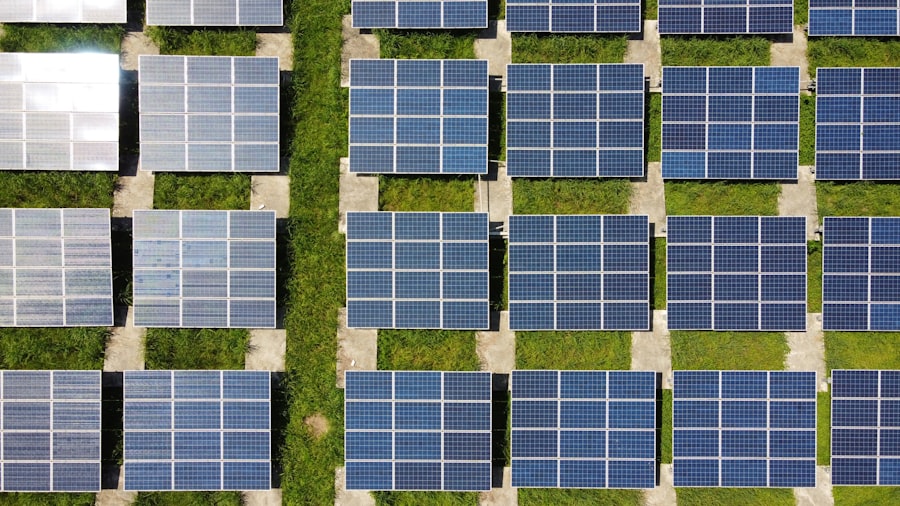
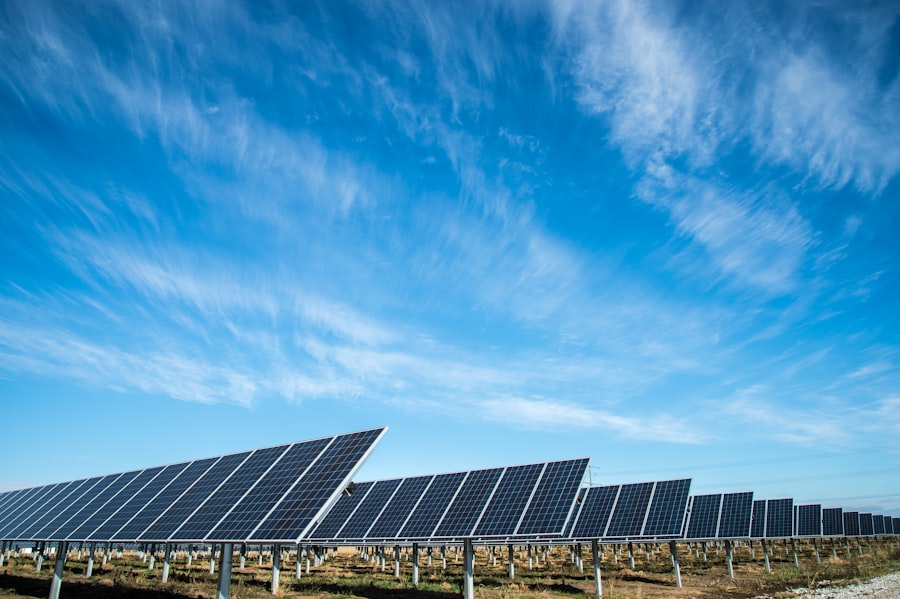
When you think about renewable energy, what comes to mind? Perhaps solar panels glistening under the sun or wind turbines gracefully spinning in the breeze. These innovations represent just a fraction of the advancements in renewable energy technology that are reshaping our energy landscape.
As you delve into this realm, you will discover that renewable energy sources such as solar, wind, hydroelectric, and geothermal are not only sustainable but also increasingly cost-effective. One of the most exciting developments in renewable energy technology is the rapid improvement in solar panel efficiency. You may be aware that solar energy has become one of the fastest-growing sources of electricity worldwide.
Innovations in photovoltaic materials and energy storage solutions have made it possible for solar power to compete with traditional energy sources on price and reliability. As you consider the implications of these advancements, you will realize that transitioning to renewable energy is not just an environmental imperative; it is also an economic opportunity that can create jobs and stimulate local economies.
The Role of Artificial Intelligence in Climate Solutions
Artificial intelligence (AI) is another technological frontier that holds immense potential for addressing climate change. As you explore this field, you will find that AI can analyze vast amounts of data to identify patterns and make predictions that were previously unimaginable. This capability is particularly valuable in understanding climate trends and developing targeted solutions.
For instance, AI can optimize energy consumption in buildings by analyzing usage patterns and adjusting heating or cooling systems accordingly. You may also encounter AI-driven models that predict weather patterns and assess the impact of climate change on various ecosystems. By harnessing the power of AI, you can contribute to more informed decision-making processes that lead to effective climate action.
The integration of AI into climate solutions represents a paradigm shift in how we approach environmental challenges, enabling you to leverage data-driven insights for a more sustainable future.
Technology’s Role in Monitoring and Mitigating Climate Change
Monitoring climate change is essential for understanding its impacts and developing effective mitigation strategies. You might be surprised to learn that technology plays a crucial role in this process through satellite imagery, remote sensing, and data analytics. These tools allow scientists and researchers to track changes in land use, deforestation rates, and greenhouse gas emissions with unprecedented accuracy.
As you consider the implications of these technologies, you will recognize their importance in informing policy decisions and guiding conservation efforts. For example, satellite data can help identify areas most vulnerable to climate change impacts, enabling targeted interventions that protect ecosystems and communities. By utilizing technology for monitoring purposes, you can contribute to a more comprehensive understanding of climate dynamics and support initiatives aimed at reducing environmental harm.
Advancements in Sustainable Agriculture Technology
Innovative Practices in Sustainable Agriculture
As we delve into the advancements in sustainable agriculture technology, we discover innovative practices that prioritize environmental stewardship. Precision agriculture, for instance, leverages data analytics and IoT devices to optimize resource allocation, reduce waste, and boost crop yields.
Urban Food Production through Vertical Farming and Hydroponics
We are also witnessing developments in vertical farming and hydroponics, which enable food production in urban areas with limited space. These methods not only conserve water but also reduce transportation emissions associated with traditional farming practices.
Ensuring Food Security and Protecting Natural Resources
By embracing sustainable agriculture technologies, we can play a vital role in ensuring food security while protecting natural resources for future generations. This shift towards sustainable agriculture is crucial in creating a more environmentally conscious food system.
The Importance of Technological Solutions in Climate Adaptation
As climate change continues to unfold, adaptation becomes increasingly critical for communities worldwide. You may find it enlightening to learn that technological solutions are essential for enhancing resilience against climate impacts such as rising sea levels, extreme weather events, and shifting agricultural zones. From early warning systems for natural disasters to infrastructure improvements designed to withstand climate-related stresses, technology offers tools that empower communities to adapt effectively.
For instance, smart city technologies can help urban areas manage resources more efficiently while preparing for climate-related challenges. You might also explore how innovative water management systems are being developed to address droughts and flooding—two phenomena exacerbated by climate change. By investing in technological solutions for adaptation, you can contribute to building resilient communities capable of thriving despite environmental uncertainties.
The Future of Technology in Addressing Climate Change
Looking ahead, the future of technology in addressing climate change appears promising yet challenging. As you reflect on the advancements made thus far, it becomes evident that continued innovation will be essential for achieving global climate goals. You may find it inspiring to consider how emerging technologies such as blockchain, advanced materials science, and biotechnology could further enhance our ability to combat climate change.
However, it is important to recognize that technological solutions alone will not suffice; they must be accompanied by policy changes, public awareness campaigns, and collective action at all levels of society. As you engage with this topic, consider how your own actions—whether through advocacy, education, or lifestyle choices—can contribute to a broader movement toward sustainability. In conclusion, technology holds immense potential for addressing climate change through innovative solutions across various sectors.
By understanding its impact and embracing advancements in renewable energy, artificial intelligence, sustainable agriculture, and adaptation strategies, you can play an active role in shaping a more sustainable future. As we move forward together into an uncertain world, let us harness the power of technology as a force for good—one that empowers individuals and communities to create lasting change for our planet.
In a related article, Stop Forest Burning: Save Trees and Animals, the importance of preventing forest fires to protect both the environment and wildlife is highlighted. This article emphasizes the devastating impact that forest fires can have on ecosystems and the role that technology can play in early detection and prevention. By utilizing technology to monitor and combat forest fires, we can work towards preserving our forests and the biodiversity they support. This further underscores the crucial role of technology in driving climate solutions and promoting environmental sustainability.
FAQs
What is the role of technology in driving climate solutions?
Technology plays a crucial role in driving climate solutions by providing innovative tools and solutions to reduce greenhouse gas emissions, increase energy efficiency, and promote sustainable practices across various industries.
How does technology help in reducing greenhouse gas emissions?
Technology helps in reducing greenhouse gas emissions by enabling the development of renewable energy sources such as solar, wind, and hydro power, as well as by improving energy efficiency in transportation, buildings, and industrial processes.
What are some examples of technology-driven climate solutions?
Examples of technology-driven climate solutions include electric vehicles, smart grid systems, energy-efficient appliances, carbon capture and storage technologies, and advanced recycling and waste management systems.
How does technology promote sustainable practices in industries?
Technology promotes sustainable practices in industries by providing tools for monitoring and reducing environmental impact, optimizing resource use, and developing eco-friendly production processes.
What are the challenges in implementing technology-driven climate solutions?
Challenges in implementing technology-driven climate solutions include high initial costs, technological barriers, policy and regulatory hurdles, and the need for widespread adoption and infrastructure development.