
As you navigate the complexities of climate change, it becomes increasingly clear that innovation is not just a luxury but a necessity. The challenges posed by climate change are multifaceted, requiring fresh ideas and novel approaches to mitigate its effects. Traditional methods of addressing environmental issues often fall short, as they may not account for the rapid pace of change in our climate systems.
Therefore, innovation serves as a beacon of hope, guiding us toward sustainable solutions that can adapt to the evolving landscape of climate challenges. Moreover, innovation fosters collaboration across various sectors, uniting scientists, policymakers, businesses, and communities in a shared mission. This collective effort is crucial in developing strategies that are not only effective but also equitable.
By harnessing the power of creativity and ingenuity, you can contribute to a future where climate solutions are accessible to all. The importance of innovation in this context cannot be overstated; it is the driving force that propels us toward a more sustainable and resilient world.
Key Takeaways
- Innovation is crucial in addressing climate change as it drives the development of new solutions and technologies.
- Technology plays a key role in advancing climate solutions by enabling the creation of more efficient and sustainable systems.
- Innovative approaches to renewable energy, such as solar and wind power, are essential in reducing carbon emissions and combating climate change.
- Innovation has a significant impact on sustainable transportation, leading to the development of electric vehicles and other eco-friendly transportation options.
- Innovations in agriculture and food systems are essential for building climate resilience and ensuring food security in the face of changing environmental conditions.
The Role of Technology in Advancing Climate Solutions
Technology plays a pivotal role in advancing climate solutions, acting as a catalyst for change in how you approach environmental challenges. From artificial intelligence to blockchain, the technological advancements of today offer unprecedented opportunities to monitor, analyze, and address climate-related issues. For instance, AI can optimize energy consumption in buildings, reducing waste and lowering carbon footprints.
By integrating technology into your daily practices, you can significantly contribute to a more sustainable future. Furthermore, technology enables the collection and analysis of vast amounts of data, providing insights that were previously unattainable. This data-driven approach allows for more informed decision-making and policy development.
As you engage with these technological tools, you become part of a larger movement that seeks to leverage innovation for the greater good. The intersection of technology and climate solutions is not merely a trend; it represents a fundamental shift in how you can tackle environmental challenges effectively.
Innovative Approaches to Renewable Energy
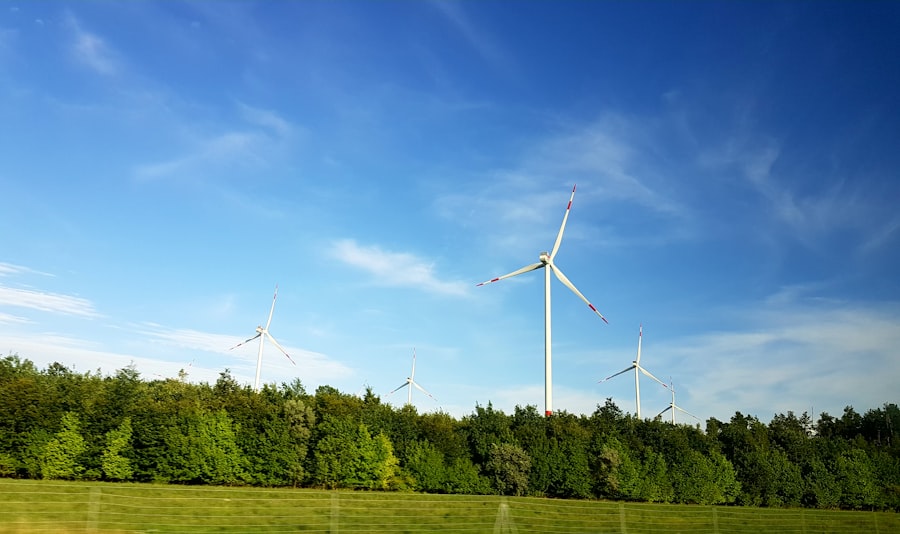
Renewable energy stands at the forefront of innovative approaches to combat climate change, offering sustainable alternatives to fossil fuels. As you explore this realm, you’ll discover a variety of technologies that harness natural resources such as sunlight, wind, and water. Solar panels have become increasingly efficient and affordable, making it easier for individuals and businesses alike to transition to clean energy sources.
By investing in renewable energy solutions, you not only reduce your carbon footprint but also contribute to a more sustainable energy landscape. In addition to solar power, wind energy has seen remarkable advancements in recent years. Offshore wind farms are becoming more prevalent, capitalizing on the vast potential of wind resources while minimizing land use conflicts.
As you consider your energy choices, embracing these innovative approaches can lead to significant reductions in greenhouse gas emissions. The shift toward renewable energy is not just an environmental imperative; it also presents economic opportunities through job creation and energy independence.
The Impact of Innovation on Sustainable Transportation
Transportation is another critical area where innovation can make a substantial impact on climate change mitigation. As you reflect on your own travel habits, consider how advancements in electric vehicles (EVs) and public transportation systems are reshaping the way we move. Electric vehicles are becoming more mainstream, with improved battery technology leading to longer ranges and faster charging times.
By choosing EVs or utilizing public transportation options, you can significantly reduce your carbon emissions while promoting cleaner air quality in urban areas. Moreover, innovative transportation solutions extend beyond personal vehicles. The rise of shared mobility services and smart city initiatives is transforming urban landscapes into more sustainable environments.
As cities adopt technologies like real-time traffic management systems and integrated public transit apps, you can experience more efficient travel options that reduce congestion and emissions. Embracing these innovations not only enhances your mobility but also contributes to a collective effort toward sustainable urban living.
Innovations in Agriculture and Food Systems for Climate Resilience
Agriculture is a sector deeply intertwined with climate change, and innovative practices are essential for building resilience within food systems. As you consider your dietary choices, it’s important to recognize how sustainable farming techniques can mitigate environmental impacts. Innovations such as precision agriculture utilize data analytics and IoT devices to optimize resource use, reducing waste while maximizing crop yields.
By supporting local farmers who adopt these practices, you play a role in fostering a more sustainable food system. Additionally, alternative protein sources are gaining traction as innovative solutions to reduce the carbon footprint of food production. Plant-based diets and lab-grown meats offer environmentally friendly alternatives that require fewer resources than traditional livestock farming.
As you explore these options, you contribute to a shift in consumer demand that encourages sustainable practices within the agricultural sector. The innovations emerging in agriculture not only address climate change but also promote food security and health for future generations.
The Role of Clean Technology in Mitigating Climate Change

Clean technology encompasses a wide range of innovations designed to reduce environmental impacts while promoting sustainability. As you delve into this field, you’ll find that clean tech solutions span various industries, from energy generation to waste management. For instance, advancements in carbon capture and storage technologies offer promising avenues for reducing greenhouse gas emissions from industrial processes.
By supporting clean tech initiatives, you can help drive the transition toward a low-carbon economy. Moreover, clean technology fosters economic growth by creating new markets and job opportunities. As businesses invest in sustainable practices and technologies, they not only contribute to climate mitigation but also enhance their competitiveness in an increasingly eco-conscious marketplace.
By advocating for clean technology adoption within your community or workplace, you become an agent of change who champions sustainability while promoting economic resilience.
Innovative Solutions for Climate Adaptation and Resilience
While mitigation efforts are crucial in addressing climate change, adaptation strategies are equally important for building resilience against its impacts. Innovative solutions for climate adaptation focus on enhancing communities’ ability to withstand extreme weather events and shifting environmental conditions. As you engage with these strategies, consider how urban planning can incorporate green infrastructure—such as parks and green roofs—to manage stormwater runoff and reduce urban heat islands.
Additionally, community-based initiatives play a vital role in fostering resilience at the local level. By participating in programs that promote disaster preparedness or support vulnerable populations during climate events, you contribute to building stronger communities capable of adapting to changing conditions. These innovative solutions not only protect lives and property but also empower individuals to take an active role in shaping their environments.
The Future of Innovation in Leading Climate Solutions
Looking ahead, the future of innovation holds immense potential for leading climate solutions that can transform our world. As you reflect on the progress made thus far, it’s essential to recognize that continued investment in research and development will be critical in addressing emerging challenges. Collaborative efforts among governments, businesses, and individuals will drive the next wave of innovations that can further mitigate climate change impacts.
Moreover, fostering a culture of innovation requires nurturing creativity and encouraging diverse perspectives. By engaging with interdisciplinary teams and supporting grassroots initiatives, you can help cultivate an environment where new ideas flourish. The future of innovation is not solely about technological advancements; it also involves reimagining societal norms and values around sustainability.
As you embrace this mindset, you become part of a global movement dedicated to creating lasting change for generations to come. In conclusion, innovation is at the heart of our response to climate change. From technological advancements to sustainable practices across various sectors, your engagement with these ideas can lead to meaningful progress.
By recognizing the importance of innovation and actively participating in its development and implementation, you contribute to a more resilient and sustainable future for all.
In a related article on how planting trees helps climate change, the importance of reforestation and afforestation in combating climate change is highlighted. The article discusses how trees act as carbon sinks, absorbing carbon dioxide from the atmosphere and helping to mitigate the effects of greenhouse gas emissions. By planting trees and restoring forests, we can not only sequester carbon but also promote biodiversity and create sustainable ecosystems that benefit both the environment and society. This article further emphasizes the crucial role that innovation plays in leading climate solutions, as new technologies and approaches are needed to scale up reforestation efforts and maximize their impact.
FAQs
What is the role of innovation in leading climate solutions?
Innovation plays a crucial role in leading climate solutions by driving the development of new technologies, processes, and ideas that can help mitigate and adapt to climate change.
How does innovation contribute to addressing climate change?
Innovation contributes to addressing climate change by enabling the creation of renewable energy sources, sustainable transportation solutions, carbon capture technologies, and other innovative approaches to reduce greenhouse gas emissions and promote environmental sustainability.
What are some examples of innovative climate solutions?
Examples of innovative climate solutions include the development of solar and wind energy technologies, electric vehicles, energy-efficient buildings, sustainable agriculture practices, and carbon sequestration methods.
How can innovation be encouraged to address climate change?
Innovation can be encouraged to address climate change through investments in research and development, supportive policies and regulations, public-private partnerships, and incentives for businesses and individuals to adopt sustainable practices and technologies.
What are the benefits of investing in innovative climate solutions?
Investing in innovative climate solutions can lead to economic growth, job creation, improved public health, and a more sustainable and resilient society. It can also help reduce the impacts of climate change and contribute to global efforts to limit global warming.