


In a world increasingly dominated by plastic, the idea of living a plastic-free life may seem daunting. However, embracing this lifestyle is not only beneficial for the environment but also for your health and well-being. As you embark on this journey, you will discover that reducing your reliance on plastic can lead to a more sustainable and fulfilling way of living.
The impact of plastic pollution is profound, affecting marine life, ecosystems, and even human health. By choosing to live without plastic, you are taking a stand against this pervasive issue and contributing to a cleaner planet. Transitioning to a plastic-free lifestyle requires commitment and creativity.
It’s not just about eliminating plastic; it’s about rethinking your consumption habits and finding alternatives that align with your values. This article will guide you through a six-month plan to help you gradually eliminate plastic from your life. Each month will focus on specific areas where you can make impactful changes, allowing you to adapt at a comfortable pace while fostering a deeper connection with your environment.
Key Takeaways
- Plastic-free living is a lifestyle choice that aims to reduce the use of single-use plastics and plastic packaging.
- Month 1 focuses on eliminating single-use plastics such as straws, bags, and bottles from daily use.
- Month 2 involves transitioning to reusable alternatives like metal straws, cloth bags, and refillable water bottles.
- Month 3 emphasizes reducing plastic packaging by choosing products with minimal or eco-friendly packaging.
- Month 4 explores DIY solutions for common plastic products, such as making homemade cleaning products and personal care items.
- Month 5 encourages supporting plastic-free businesses and purchasing products from companies that prioritize sustainability.
- Month 6 involves advocacy and community engagement, such as participating in beach clean-ups and promoting plastic-free initiatives.
- Sustaining a plastic-free lifestyle requires ongoing commitment and conscious consumer choices to reduce plastic waste.
Month 1: Eliminating Single-Use Plastics
The first step in your journey toward a plastic-free lifestyle is to tackle single-use plastics. These items, such as plastic bags, straws, and utensils, are designed for one-time use and contribute significantly to the global plastic waste crisis. Start by assessing your daily habits and identifying the single-use plastics you encounter most frequently.
You might be surprised at how many of these items you use without thinking twice. To effectively eliminate single-use plastics, consider replacing them with reusable alternatives. For instance, invest in a sturdy reusable shopping bag that you can carry with you wherever you go.
This simple change can significantly reduce the number of plastic bags you accumulate. Additionally, swap out plastic straws for metal or bamboo ones, and keep a set of reusable utensils in your bag for on-the-go meals. By consciously choosing alternatives, you will not only reduce waste but also inspire those around you to reconsider their own habits.
Month 2: Transitioning to Reusable Alternatives
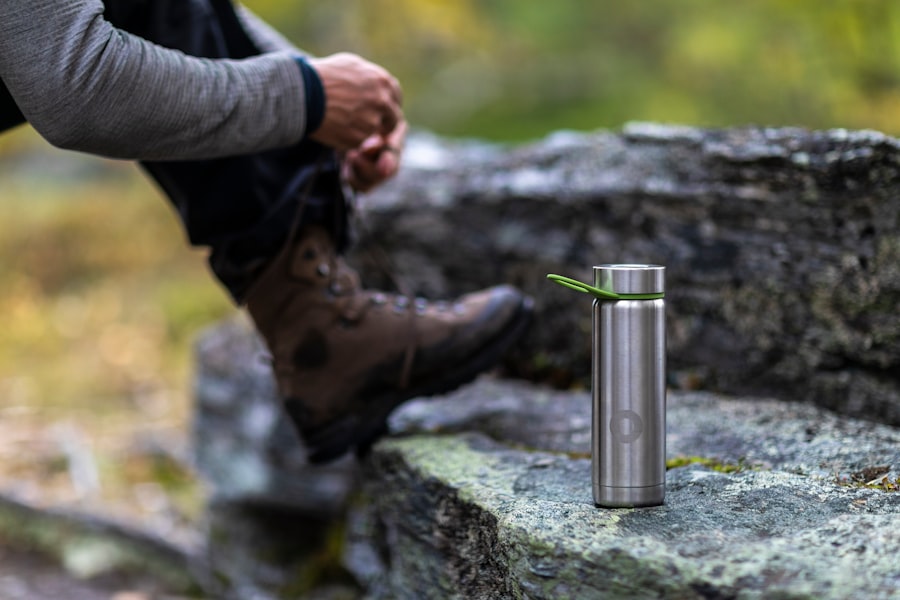
As you move into the second month of your plastic-free journey, it’s time to focus on transitioning to reusable alternatives for everyday items. This shift can be both exciting and rewarding as you explore various options that align with your lifestyle. Start by evaluating common household items that often come in plastic form, such as water bottles, coffee cups, and food containers.
Investing in high-quality reusable products can make a significant difference in your daily routine. For example, a stainless steel water bottle not only keeps your drinks cold but also eliminates the need for single-use plastic bottles. Similarly, consider purchasing a reusable coffee cup that you can take to your favorite café.
Many coffee shops now offer discounts for customers who bring their own cups, making this choice both eco-friendly and economical. By incorporating these reusable alternatives into your life, you will gradually reduce your reliance on plastic while enjoying the benefits of sustainable products.
Month 3: Reducing Plastic Packaging
In the third month of your journey, the focus shifts to reducing plastic packaging in your shopping habits. Many products come wrapped in layers of plastic that are often unnecessary and contribute to waste. To combat this issue, start by shopping at local farmers’ markets or bulk stores where you can find fresh produce and dry goods without excessive packaging.
Bringing your own containers or bags to these places not only helps reduce waste but also supports local businesses. Additionally, consider making a conscious effort to choose products with minimal or recyclable packaging. When shopping at grocery stores, read labels carefully and opt for items packaged in glass, cardboard, or other eco-friendly materials.
This small change can have a significant impact on the amount of plastic waste generated in your household. By being mindful of packaging choices, you are taking an important step toward creating a more sustainable lifestyle.
Month 4: DIY Solutions for Common Plastic Products
As you enter the fourth month of your plastic-free journey, it’s time to get creative with DIY solutions for common plastic products. Many household items can be easily made at home using simple ingredients, reducing your reliance on store-bought products that often come in plastic packaging. For instance, consider making your own cleaning supplies using vinegar, baking soda, and essential oils.
Not only are these DIY cleaners effective, but they also eliminate the need for plastic bottles. Another area where DIY solutions shine is personal care products. You can create your own toothpaste using baking soda and coconut oil or make natural deodorant with shea butter and essential oils.
These homemade alternatives are not only free from plastic packaging but also allow you to control the ingredients that go into them. Embracing DIY solutions empowers you to take charge of your consumption while fostering creativity and resourcefulness in your daily life.
Month 5: Supporting Plastic-Free Businesses

In the fifth month of your journey, it’s essential to support businesses that prioritize sustainability and offer plastic-free options. By choosing to shop from companies that align with your values, you contribute to a growing movement that encourages responsible production and consumption practices. Research local shops or online retailers that specialize in eco-friendly products and prioritize minimal packaging.
When dining out or ordering takeout, seek out restaurants that use biodegradable or compostable containers instead of plastic ones. Many establishments are becoming increasingly aware of their environmental impact and are making strides toward sustainability. By supporting these businesses, you not only enjoy delicious meals but also help create demand for more sustainable practices within the food industry.
Month 6: Advocacy and Community Engagement
As you reach the final month of your six-month plan, it’s time to take your commitment to a plastic-free lifestyle beyond personal choices and into advocacy and community engagement. Share your journey with friends and family, inspiring them to consider their own consumption habits and the impact of plastic on the environment. Organize community clean-up events or workshops focused on reducing plastic waste in your area.
Engaging with local organizations dedicated to environmental conservation can amplify your efforts. Participate in campaigns aimed at reducing plastic use or advocate for policies that promote sustainability within your community. By becoming an active participant in the movement against plastic pollution, you contribute to a larger collective effort that seeks to create lasting change.
Sustaining a Plastic-Free Lifestyle
As you reflect on your six-month journey toward a plastic-free lifestyle, it’s important to recognize that this is not just a temporary commitment but a long-term way of living. The changes you’ve made may seem small individually, but collectively they contribute to a significant reduction in plastic waste and promote a healthier planet. Sustaining this lifestyle requires ongoing awareness and adaptability as new challenges arise.
Continue exploring new ways to reduce plastic in your life while encouraging others to join you on this journey. Share tips and resources with friends and family, fostering a community dedicated to sustainability. Remember that every small action counts; whether it’s choosing reusable products or advocating for change within your community, each step contributes to a brighter future for our planet.
Embrace this lifestyle as an ongoing journey rather than a destination, and inspire others to do the same as we work together toward a more sustainable world free from plastic pollution.
If you are passionate about protecting the environment and combating climate change, you may also be interested in learning about the benefits of massive tree planting. Check out this article on