Soil conservation is a critical aspect of environmental sustainability that often goes unnoticed. You may not realize it, but soil is the foundation of our ecosystems, supporting plant life, which in turn sustains animal life and human existence. Healthy soil is essential for agriculture, as it provides the nutrients necessary for crops to thrive.
However, soil degradation due to erosion, pollution, and unsustainable farming practices poses a significant threat to food security and biodiversity. By understanding the importance of soil conservation, you can appreciate the vital role it plays in maintaining ecological balance and ensuring a sustainable future. Moreover, soil conservation is not just about preserving the land; it is also about protecting water resources.
Healthy soils act as natural filters, purifying water as it percolates through the ground. When soil is eroded or degraded, this filtration process is compromised, leading to water pollution and a decline in water quality. As you consider the interconnectedness of these systems, it becomes clear that soil conservation is essential not only for agriculture but also for maintaining clean water supplies and supporting overall ecosystem health.
Key Takeaways
- Soil conservation is crucial for maintaining healthy ecosystems and sustainable agriculture
- Trees play a vital role in combating desertification by stabilizing soil and preventing erosion
- Trees improve soil quality by increasing organic matter, enhancing water retention, and promoting microbial activity
- Tree planting has a significant impact on reducing land degradation and restoring degraded landscapes
- Successful tree planting initiatives have shown the potential for restoring ecosystems and improving livelihoods
The Role of Trees in Combating Desertification
Trees play a pivotal role in combating desertification, a process that threatens vast areas of land worldwide. When you think about desertification, you might picture barren landscapes devoid of life. However, this phenomenon is often driven by human activities such as deforestation, overgrazing, and unsustainable agricultural practices.
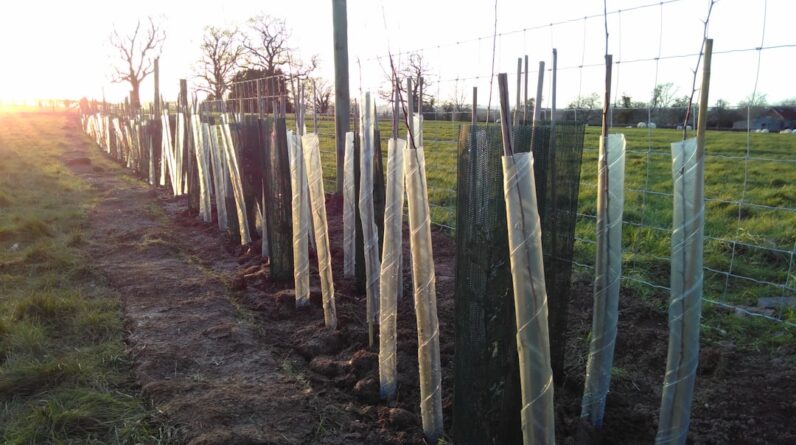
Trees act as natural barriers against wind and water erosion, helping to stabilize the soil and retain moisture. By planting trees, you can contribute to reversing the effects of desertification and restoring degraded lands. In addition to their physical presence, trees also contribute to the local climate by providing shade and reducing temperatures.
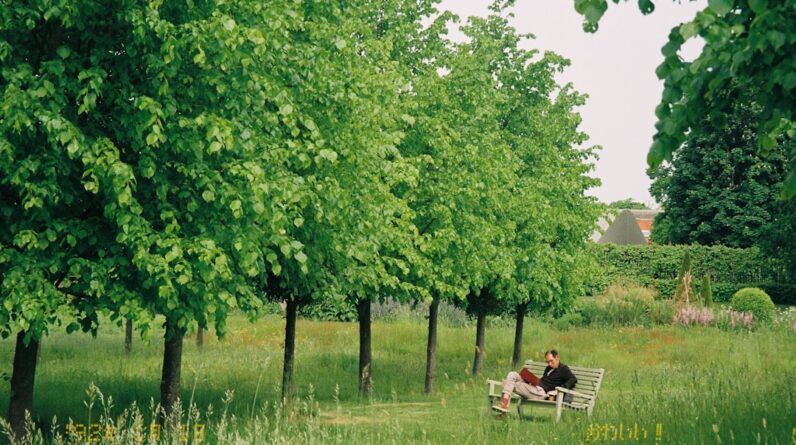
This cooling effect can help create a more hospitable environment for other plants and animals, fostering biodiversity. As you engage with your community or participate in tree-planting initiatives, you will witness firsthand how trees can transform arid landscapes into thriving ecosystems. The act of planting trees not only combats desertification but also promotes resilience against climate change, making it a crucial endeavor for future generations.
How Trees Improve Soil Quality
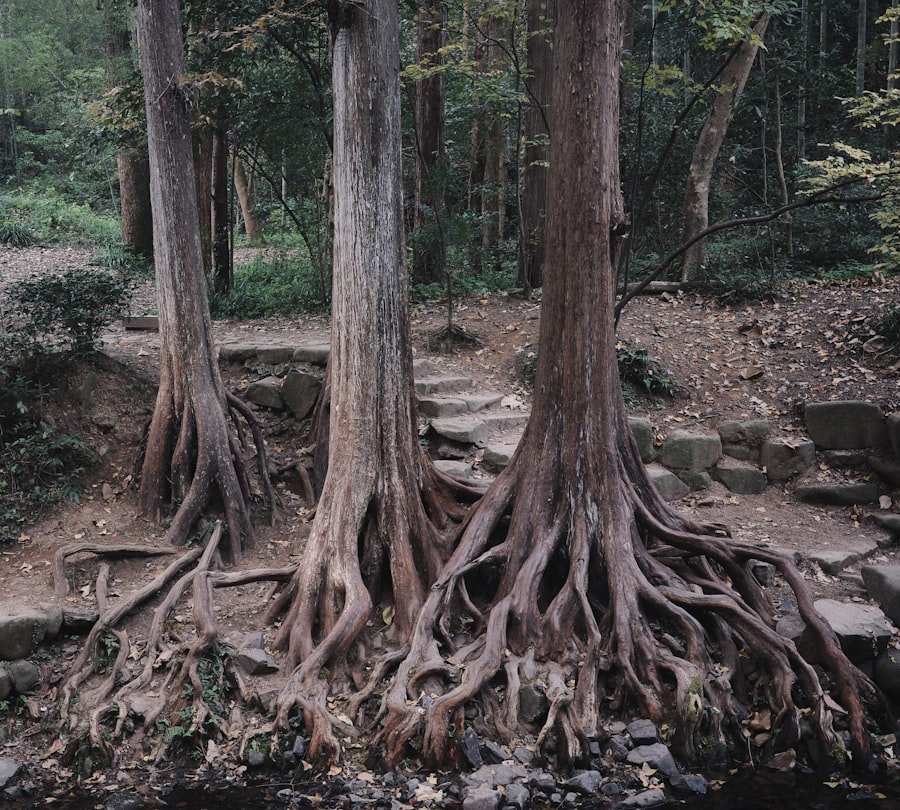
The relationship between trees and soil quality is profound and multifaceted. When you plant trees, their roots penetrate deep into the ground, creating channels that allow water to infiltrate more easily. This process enhances soil aeration and drainage, which are vital for healthy root development in other plants.
Additionally, as trees grow, they shed leaves and branches that decompose and enrich the soil with organic matter. This natural cycle of growth and decay contributes to improved soil structure and fertility. Furthermore, trees play a significant role in nutrient cycling.
Through their root systems, they can access nutrients from deeper soil layers that are often unavailable to shallow-rooted plants. When these nutrients are brought to the surface through leaf litter and root exudates, they become accessible to other plants in the ecosystem. By understanding how trees improve soil quality, you can appreciate their importance not only for their own survival but also for the health of surrounding flora and fauna.
The Impact of Tree Planting on Land Degradation
Tree planting initiatives have shown remarkable potential in mitigating land degradation across various regions. When you participate in such initiatives, you are actively contributing to the restoration of ecosystems that have suffered from deforestation or poor land management practices. Trees help to anchor the soil in place, reducing erosion caused by wind and water.
This stabilization is crucial for preventing further degradation and promoting recovery in affected areas. Moreover, tree planting can lead to increased biodiversity. As you plant trees in degraded areas, you create habitats for various species of birds, insects, and other wildlife.
This influx of biodiversity can help restore ecological balance and resilience within the ecosystem. The positive feedback loop created by tree planting not only enhances land quality but also fosters a sense of community as individuals come together to work towards a common goal of environmental restoration.
Success Stories of Tree Planting Initiatives
Across the globe, numerous success stories highlight the transformative power of tree planting initiatives. One notable example is the Green Belt Movement in Kenya, founded by Nobel laureate Wangari Maathai. This grassroots organization has empowered communities to plant millions of trees while promoting environmental conservation and women’s rights.
As you learn about such initiatives, you may feel inspired by how collective action can lead to significant environmental change. Another success story comes from India’s “Bamboo Village” project, where local communities have embraced bamboo planting as a means of restoring degraded lands while providing sustainable livelihoods. By engaging with these stories, you can see how tree planting not only addresses environmental issues but also fosters social cohesion and economic development.
These examples serve as powerful reminders that your efforts in tree planting can contribute to meaningful change on both local and global scales.
The Benefits of Agroforestry in Soil Conservation
Enhancing Soil Conservation Efforts
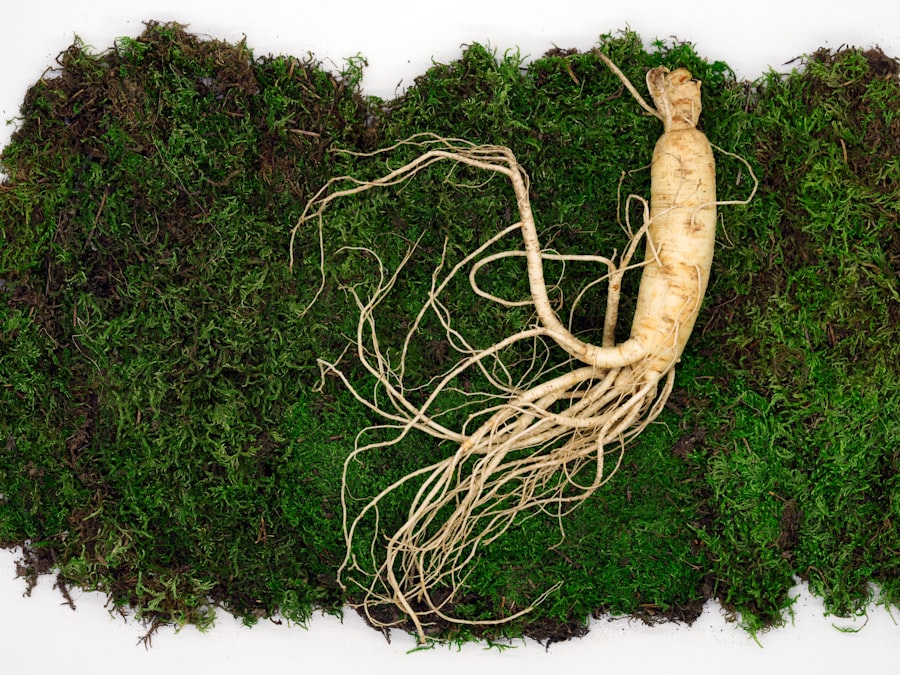
When you consider agroforestry, think about how integrating trees into agricultural landscapes can enhance soil conservation efforts. Trees provide shade for crops, reduce soil erosion, and improve water retention—all essential factors for maintaining healthy soils.
Promoting Biodiversity and Diversified Income
Additionally, agroforestry systems promote biodiversity by creating habitats for various species while allowing farmers to diversify their income sources.
Supporting Sustainable Agriculture and Climate Resilience
As you explore agroforestry practices, you will discover how they can lead to increased crop yields and improved resilience against climate change impacts. By adopting agroforestry techniques, you can contribute to soil conservation while supporting sustainable agricultural practices that benefit both people and the planet.
The Role of Indigenous Tree Species in Soil Restoration
Indigenous tree species play a crucial role in soil restoration efforts due to their adaptability to local conditions and their ability to support native ecosystems. When you choose to plant indigenous trees in your area, you are not only enhancing biodiversity but also promoting soil health through their unique root systems and nutrient cycling capabilities. These trees have evolved alongside local flora and fauna, making them well-suited for restoring degraded lands.
Moreover, indigenous trees often require fewer resources than non-native species, making them more sustainable choices for reforestation projects. As you engage with local conservation efforts or community tree-planting events, consider advocating for the use of indigenous species. By doing so, you contribute to preserving local heritage while fostering resilient ecosystems that can thrive in harmony with their surroundings.
How Individuals Can Contribute to Soil Conservation through Tree Planting
As an individual, your contributions to soil conservation through tree planting can be impactful and meaningful. You might start by participating in local tree-planting events or organizing your own initiatives within your community. Engaging with schools or local organizations can amplify your efforts and inspire others to join in this vital cause.
Every tree planted represents a step towards healthier soils and a more sustainable environment. Additionally, consider creating a small garden or green space at home where you can plant trees or shrubs that contribute positively to your local ecosystem. By choosing native species that support local wildlife and improve soil quality, you can make a difference right in your backyard.
Your actions may inspire others in your neighborhood to take similar steps toward environmental stewardship. In conclusion, soil conservation is an essential endeavor that requires collective action and individual commitment. By understanding the importance of trees in combating desertification, improving soil quality, and restoring degraded lands, you can appreciate the profound impact that tree planting has on our environment.
Whether through community initiatives or personal projects, your efforts can contribute significantly to a healthier planet for future generations.
Soil Heroes: How Trees Fight Desertification and Land Degradation highlights the crucial role that trees play in combating environmental issues such as desertification and land degradation. For further reading on the benefits of planting trees for climate change, check out this article on Live Life with a Cause. This article discusses how planting trees can help mitigate the effects of climate change and create a more sustainable future for our planet. For more inspiring stories and information on making a positive impact on the environment, visit the Live Life with a Cause website and explore their blog here.
FAQs
What is desertification?
Desertification is the process by which fertile land becomes desert, typically as a result of drought, deforestation, or inappropriate agriculture.
What is land degradation?
Land degradation refers to the deterioration of the quality of land, including its soil, water, and vegetation, often caused by human activities such as deforestation, overgrazing, and improper agricultural practices.
How do trees fight desertification and land degradation?
Trees play a crucial role in combating desertification and land degradation by preventing soil erosion, improving soil fertility, and restoring degraded land through their root systems and the organic matter they contribute to the soil.
What are some examples of trees that are soil heroes?
Examples of trees that are known for their ability to combat desertification and land degradation include acacia, mesquite, and moringa trees, which are well-adapted to arid and semi-arid environments and have deep root systems that help stabilize soil.
What are some other benefits of trees in combating desertification and land degradation?
In addition to their soil-stabilizing properties, trees also provide shade, regulate water cycles, and support biodiversity, all of which contribute to the overall health and resilience of ecosystems affected by desertification and land degradation.