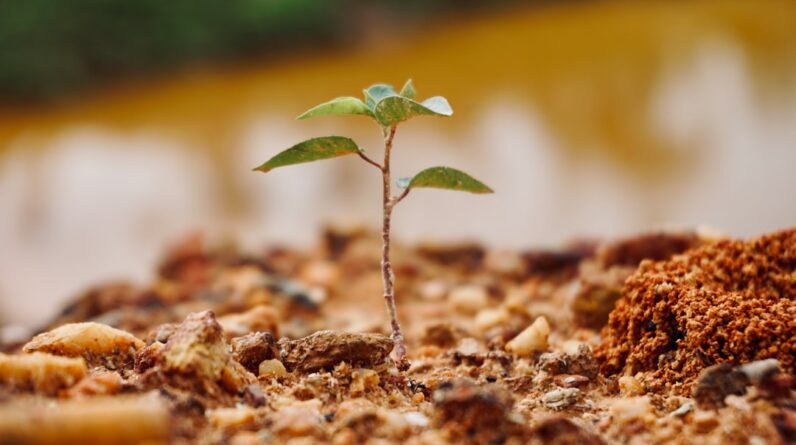
Reforestation plays a crucial role in managing rainfall patterns and ensuring a stable water supply. As you may know, forests act as natural regulators of the hydrological cycle, influencing both the quantity and quality of rainfall. When trees are planted, they not only absorb carbon dioxide but also release moisture back into the atmosphere through a process known as transpiration.
This moisture contributes to cloud formation and precipitation, creating a feedback loop that enhances local rainfall. By restoring forested areas, you can help to stabilize these systems, leading to more predictable and beneficial rainfall patterns. Moreover, reforestation can significantly mitigate the impacts of climate change on rainfall distribution.
As global temperatures rise, weather patterns become increasingly erratic, leading to extreme weather events such as droughts and floods. By reestablishing forests, you can help to buffer these changes, providing a more resilient landscape that can better withstand climatic fluctuations. This resilience is essential not only for maintaining agricultural productivity but also for ensuring that communities have access to reliable water sources.
Key Takeaways
- Reforestation plays a crucial role in managing rainfall by increasing vegetation cover and reducing soil erosion.
- The sponge effect, created by reforestation, helps prevent drought by absorbing and retaining water, releasing it slowly over time.
- Reforestation improves water infiltration and groundwater recharge, leading to increased water availability and reduced risk of drought.
- Reforestation has a significant impact on climate and weather patterns, influencing precipitation and temperature in a region.
- Successful reforestation projects have shown positive effects on rainfall, highlighting the potential of reforestation in addressing water scarcity.
Understanding the Sponge Effect and its Role in Preventing Drought
The sponge effect is a term that describes how forests act like sponges, absorbing and storing water during periods of rainfall. When you think about it, trees and their root systems play a vital role in capturing rainwater and allowing it to seep into the ground. This stored water can then be released slowly over time, helping to maintain stream flows and groundwater levels even during dry spells.
By promoting reforestation, you are effectively enhancing this sponge effect, which is critical for preventing drought conditions. In areas where deforestation has occurred, the sponge effect is severely diminished. Without trees to absorb and retain water, rainfall runs off quickly, leading to soil erosion and reduced groundwater recharge.
This not only exacerbates drought conditions but also contributes to the degradation of ecosystems. By reforesting these areas, you can restore the natural sponge effect, allowing landscapes to recover and become more resilient to future droughts. This restoration is essential for maintaining healthy ecosystems and ensuring that communities have access to the water they need.
How Reforestation Improves Water Infiltration and Groundwater Recharge
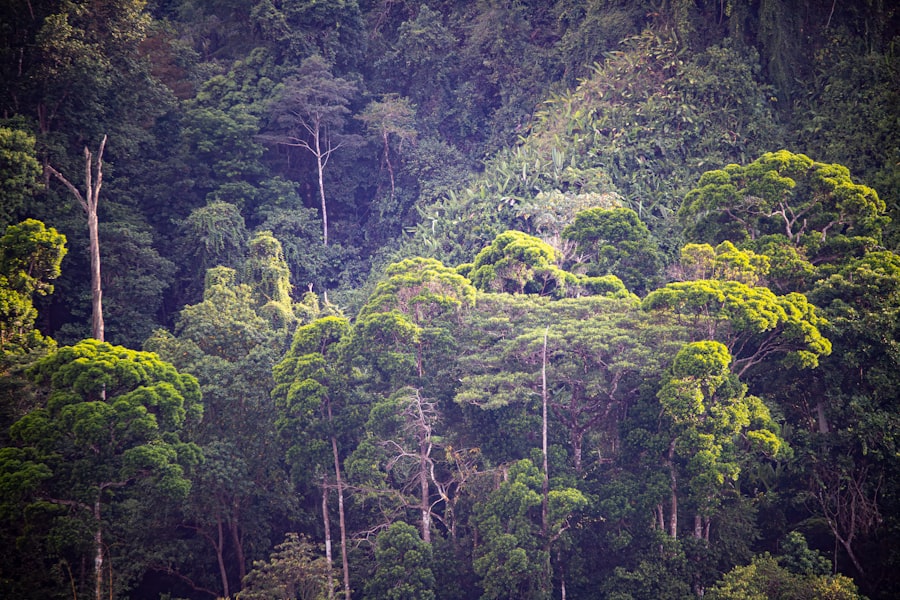
Reforestation significantly enhances water infiltration and groundwater recharge, which are vital components of a healthy hydrological cycle. When you plant trees, their roots create channels in the soil that allow water to penetrate more deeply. This process not only increases the amount of water that enters the ground but also helps to filter out pollutants, improving overall water quality.
As you engage in reforestation efforts, you are directly contributing to the restoration of these natural processes. Additionally, healthy forests can help to maintain soil structure and prevent compaction, which can hinder water infiltration. When soil is compacted, it becomes less permeable, leading to increased surface runoff and reduced groundwater recharge.
By reforesting degraded areas, you can improve soil health and promote better water absorption. This is particularly important in regions prone to drought, where every drop of water counts. Through your efforts in reforestation, you are not only enhancing local ecosystems but also ensuring a sustainable water supply for future generations.
The Impact of Reforestation on Climate and Weather Patterns
Reforestation has far-reaching effects on climate and weather patterns that extend beyond local ecosystems. As you may be aware, forests play a significant role in regulating temperature and humidity levels in the atmosphere. By absorbing carbon dioxide and releasing oxygen, trees help to mitigate the greenhouse effect, which is a major driver of climate change.
When you participate in reforestation initiatives, you are actively contributing to global efforts to combat climate change and its associated impacts on weather patterns. Moreover, reforested areas can influence local microclimates by providing shade and reducing temperature extremes. This can lead to more stable weather conditions that are conducive to agriculture and biodiversity.
For instance, areas with healthy forests often experience more consistent rainfall patterns, which can be beneficial for crop production. By understanding the interconnectedness of reforestation and climate regulation, you can appreciate the broader implications of your efforts in restoring forested landscapes.
Case Studies: Successful Reforestation Projects and their Effects on Rainfall
Examining successful reforestation projects can provide valuable insights into the positive effects of these initiatives on rainfall patterns. One notable example is the reforestation efforts in Ethiopia’s Great Green Wall project. This ambitious initiative aims to restore 100 million hectares of degraded land across the Sahel region by planting trees and improving land management practices.
Early results have shown increased rainfall in some areas, leading to improved agricultural yields and enhanced food security for local communities. Another compelling case study is found in Costa Rica, where reforestation programs have transformed deforested landscapes into thriving ecosystems. Through a combination of government incentives and community engagement, Costa Rica has successfully restored large areas of forest cover.
As a result, regions that once experienced erratic rainfall patterns have seen a return to more stable precipitation levels. These examples illustrate how targeted reforestation efforts can lead to tangible improvements in rainfall distribution and overall ecosystem health.
The Role of Reforestation in Mitigating the Effects of Deforestation and Land Degradation
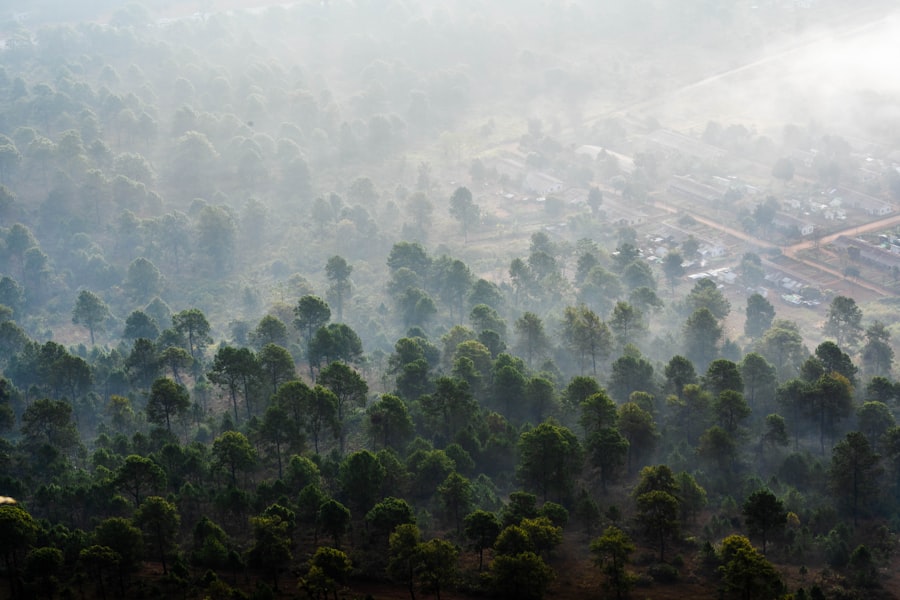
Reforestation serves as a powerful tool for mitigating the adverse effects of deforestation and land degradation. When you consider the widespread loss of forests due to logging, agriculture, and urbanization, it becomes clear that restoring these areas is essential for maintaining ecological balance. By planting trees in deforested regions, you can help to reverse some of the damage caused by human activities and promote biodiversity.
In addition to restoring habitats for wildlife, reforestation can also improve soil health and prevent erosion. Deforested areas often suffer from nutrient depletion and increased vulnerability to landslides. By reintroducing trees into these landscapes, you are not only enhancing biodiversity but also stabilizing soils and improving their capacity to retain moisture.
This holistic approach to land management is crucial for ensuring long-term sustainability and resilience against environmental challenges.
The Economic and Social Benefits of Reforestation in Preventing Drought
Reforestation offers numerous economic and social benefits that extend beyond environmental restoration. When you engage in reforestation efforts, you are contributing to job creation in local communities through tree planting initiatives and sustainable forestry practices. These jobs can provide much-needed income for families while fostering a sense of stewardship for the environment.
Furthermore, healthy forests contribute to improved agricultural productivity by enhancing soil fertility and water availability. As you restore forested areas, you are helping farmers achieve better yields and reduce their vulnerability to drought conditions. This not only supports local economies but also promotes food security for communities that rely on agriculture as their primary source of sustenance.
The interconnectedness of reforestation with economic stability highlights its importance as a multifaceted solution to pressing global challenges.
The Future of Reforestation Efforts and their Potential to Address Water Scarcity
Looking ahead, the future of reforestation efforts holds great promise for addressing water scarcity issues worldwide. As climate change continues to impact weather patterns and exacerbate drought conditions, restoring forested landscapes will become increasingly vital for ensuring sustainable water supplies. By investing in reforestation initiatives now, you are helping to build resilience against future environmental challenges.
Moreover, advancements in technology and community engagement strategies are making it easier than ever for individuals and organizations to participate in reforestation efforts. From drone-assisted tree planting to citizen science initiatives that monitor forest health, innovative approaches are transforming how we restore ecosystems. As you consider your role in these efforts, remember that every action counts—whether it’s planting a single tree or supporting larger-scale projects aimed at restoring entire landscapes.
In conclusion, reforestation is not just an environmental necessity; it is a multifaceted solution that addresses critical issues such as rainfall management, drought prevention, climate regulation, and economic stability. By understanding the importance of your contributions to reforestation efforts, you can play an active role in shaping a more sustainable future for both people and the planet.
In a related article on combatting global warming by massive tree planting, it discusses how reforestation plays a crucial role in managing rainfall and preventing drought. The article highlights the importance of planting trees to help restore the environment and combat climate change. To learn more about the benefits of planting trees for the environment, you can read the article here.
FAQs
What is the sponge effect in reforestation?
The sponge effect refers to the ability of reforested areas to absorb and retain water like a sponge, which helps to manage rainfall and prevent drought.
How does reforestation manage rainfall?
Reforestation manages rainfall by increasing the amount of vegetation that can capture and retain water, reducing runoff and allowing more water to infiltrate the soil.
How does reforestation prevent drought?
Reforestation prevents drought by increasing the overall water retention capacity of an area, which helps to maintain soil moisture levels and sustain local water sources during dry periods.
What are some examples of successful reforestation projects that have demonstrated the sponge effect?
Examples of successful reforestation projects that have demonstrated the sponge effect include the Loess Plateau in China and the Atlantic Forest in Brazil, where reforestation efforts have significantly improved water retention and reduced the risk of drought.
What are the environmental benefits of the sponge effect in reforestation?
The environmental benefits of the sponge effect in reforestation include improved water quality, increased biodiversity, and enhanced ecosystem resilience to climate change and extreme weather events.