Mangrove forests are unique ecosystems that thrive in coastal intertidal zones, where saltwater and freshwater meet. These remarkable forests are characterized by their distinctive trees and shrubs, which have adapted to survive in harsh conditions, including high salinity, tidal fluctuations, and anaerobic soils. As you explore these vibrant ecosystems, you will discover that mangroves are not just a collection of trees; they are complex habitats that support a diverse array of wildlife and play a crucial role in maintaining ecological balance.
You may be surprised to learn that mangrove forests cover approximately 15 million hectares worldwide, primarily in tropical and subtropical regions. They serve as a vital buffer between land and sea, protecting coastlines from erosion and storm surges while providing essential services to both marine and terrestrial life. As you delve deeper into the significance of mangrove forests, you will uncover their multifaceted contributions to marine oxygen production, coastal ecology, and the overall health of our planet.
Key Takeaways
- Mangrove forests are coastal ecosystems consisting of salt-tolerant trees and shrubs that play a crucial role in marine environments.
- Mangrove forests are important contributors to marine oxygen production, providing a significant portion of the oxygen in coastal waters.
- These forests serve as vital habitats for a diverse range of species, including fish, birds, and other wildlife, and help protect coastal areas from erosion and storm damage.
- Threats such as deforestation, pollution, and climate change are impacting mangrove forests, leading to a decline in marine oxygen levels and loss of biodiversity.
- Conservation and restoration efforts are essential for preserving mangrove forests, as they provide economic and social benefits, and are globally significant for maintaining marine oxygen balance. The future outlook for mangrove forests and marine oxygen levels depends on effective conservation measures and global cooperation.
Importance of Mangrove Forests in Marine Oxygen Production
One of the most critical functions of mangrove forests is their role in marine oxygen production. Through the process of photosynthesis, mangrove trees absorb carbon dioxide and release oxygen into the atmosphere. This process is essential not only for the trees themselves but also for the myriad of organisms that inhabit these ecosystems.
As you consider the vast number of species that rely on mangroves for survival, it becomes clear that the oxygen produced here is vital for maintaining biodiversity. Moreover, mangroves contribute significantly to the overall oxygen levels in coastal waters. The dense root systems of mangrove trees create a unique environment that supports a variety of aquatic life, including fish, crustaceans, and mollusks.
These organisms, in turn, contribute to the oxygen cycle through their own metabolic processes. By fostering a rich ecosystem, mangrove forests enhance the productivity of marine environments, ensuring that oxygen levels remain stable and supporting life both above and below the water’s surface.
Ecological Role of Mangrove Forests in Coastal Areas
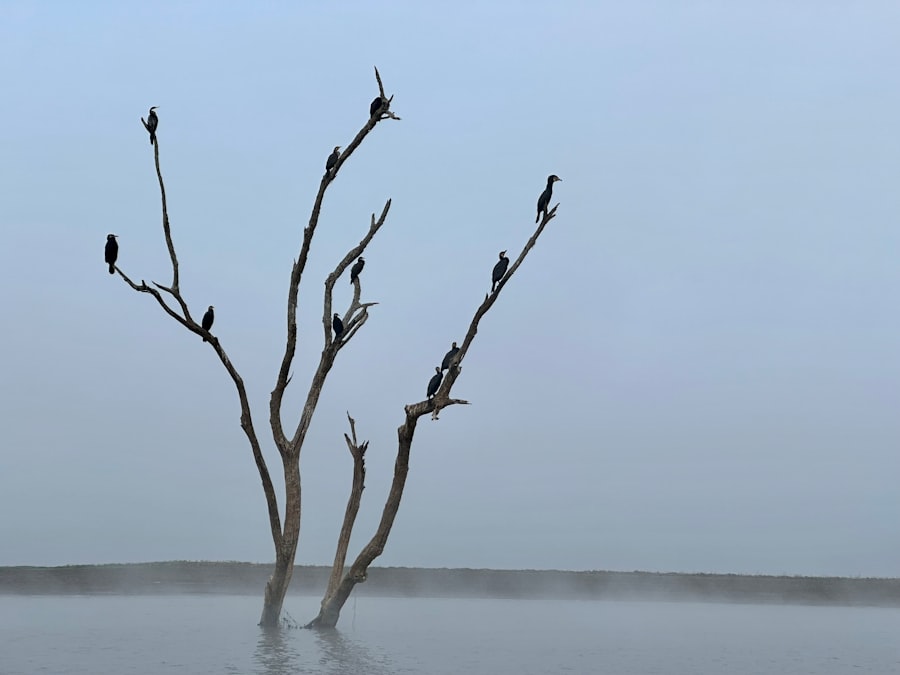
Mangrove forests play an indispensable ecological role in coastal areas. They act as nurseries for numerous marine species, providing shelter and food for juvenile fish and other aquatic organisms. As you observe the intricate web of life within these forests, you will notice how various species depend on mangroves for their survival.
The roots of mangrove trees create a complex habitat that offers protection from predators and strong currents, allowing young marine life to thrive. In addition to serving as nurseries, mangroves also contribute to nutrient cycling within coastal ecosystems. The decomposition of fallen leaves and organic matter enriches the surrounding waters with essential nutrients, promoting the growth of phytoplankton and other primary producers.
This nutrient-rich environment supports a diverse array of marine life, creating a thriving ecosystem that benefits both local communities and global biodiversity. As you reflect on the interconnectedness of these systems, it becomes evident that the health of mangrove forests is directly linked to the overall well-being of coastal environments.
Threats to Mangrove Forests and their Impact on Marine Oxygen Levels
Despite their importance, mangrove forests face numerous threats that jeopardize their existence and the vital services they provide. Urbanization, agriculture, and aquaculture have led to significant deforestation and degradation of these ecosystems. As you consider the impact of human activities on mangroves, it becomes clear that the loss of these forests not only affects local biodiversity but also has far-reaching consequences for marine oxygen levels.
The destruction of mangrove forests disrupts the delicate balance of coastal ecosystems. With fewer trees to produce oxygen and support marine life, oxygen levels in surrounding waters can decline, leading to hypoxic conditions that threaten aquatic organisms. Additionally, the loss of mangroves diminishes their ability to sequester carbon dioxide, exacerbating climate change and further impacting marine environments.
As you contemplate these challenges, it is crucial to recognize the urgent need for conservation efforts to protect and restore mangrove forests.
Conservation and Restoration Efforts for Mangrove Forests
In response to the threats facing mangrove forests, various conservation and restoration efforts have emerged worldwide. You may find it encouraging to learn that many organizations and communities are working tirelessly to protect these vital ecosystems. Initiatives range from reforestation projects to sustainable management practices aimed at preserving existing mangrove habitats.
By engaging local communities in these efforts, stakeholders can foster a sense of stewardship that promotes long-term sustainability. Restoration projects often involve planting native mangrove species in areas where they have been lost or degraded. These initiatives not only help restore biodiversity but also enhance the capacity of mangroves to produce oxygen and sequester carbon.
As you explore these restoration efforts, you will discover inspiring success stories where communities have come together to revive their local mangrove ecosystems, demonstrating the power of collective action in addressing environmental challenges.
Economic and Social Benefits of Mangrove Forests
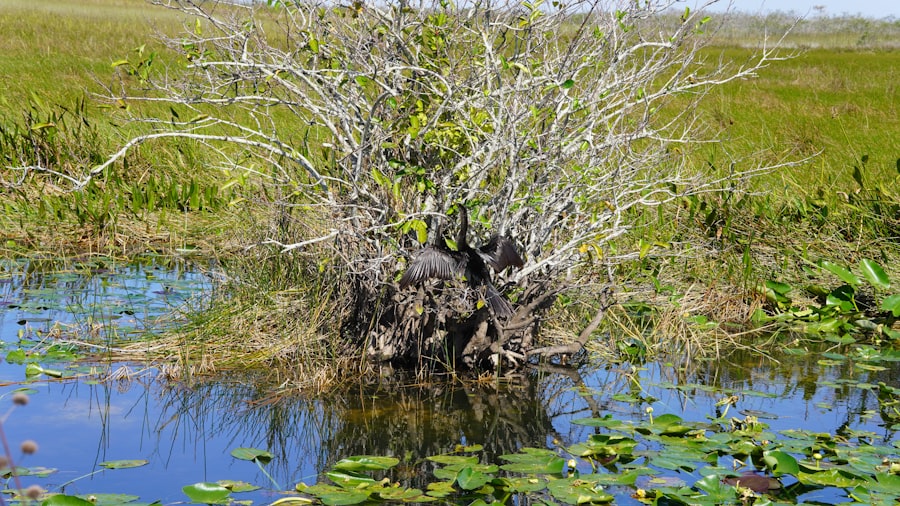
Beyond their ecological significance, mangrove forests offer numerous economic and social benefits to local communities. You may be surprised to learn that these ecosystems provide livelihoods for millions of people worldwide through activities such as fishing, tourism, and sustainable harvesting of resources like honey and medicinal plants. By supporting local economies, mangroves contribute to food security and enhance the quality of life for those who depend on them.
Additionally, mangroves play a crucial role in protecting coastal communities from natural disasters such as hurricanes and tsunamis. Their dense root systems stabilize shorelines and reduce erosion, acting as natural barriers against storm surges. As you consider the economic implications of this protective function, it becomes evident that investing in mangrove conservation is not only an environmental imperative but also a sound economic strategy for safeguarding vulnerable communities.
Global Significance of Mangrove Forests in Marine Oxygen Balance
On a global scale, mangrove forests are integral to maintaining marine oxygen balance. Their ability to sequester carbon dioxide while producing oxygen contributes significantly to mitigating climate change impacts. As you reflect on the interconnectedness of ecosystems worldwide, it becomes clear that preserving mangroves is essential for sustaining healthy oceans and combating global warming.
Furthermore, mangroves serve as critical habitats for migratory species and play a role in maintaining biodiversity across various ecosystems. By supporting a wide range of species—from fish to birds—mangroves contribute to the overall health of our planet’s ecosystems. As you consider the global significance of these forests, it is essential to recognize that their preservation is not just a local concern but a matter of global importance for future generations.
Future Outlook for Mangrove Forests and Marine Oxygen Levels
Looking ahead, the future of mangrove forests and their role in marine oxygen levels depends on collective action and commitment to conservation efforts. You may feel hopeful knowing that awareness about the importance of these ecosystems is growing among policymakers, scientists, and communities alike. By prioritizing sustainable practices and investing in restoration initiatives, we can work towards ensuring the survival of mangroves for generations to come.
As you contemplate the future outlook for mangrove forests, it is crucial to remain vigilant against ongoing threats such as climate change and habitat destruction. By advocating for policies that protect these vital ecosystems and supporting local conservation efforts, you can play a part in safeguarding the health of our oceans and the planet as a whole. The journey towards preserving mangrove forests is not just an environmental challenge; it is an opportunity for individuals and communities to unite in pursuit of a sustainable future where both nature and humanity can thrive together.
Mangrove forests play a crucial role in protecting marine oxygen levels, as discussed in the article “Mangrove Forests: The Coastal Guardians of Marine Oxygen.” Another related article that delves into the importance of healthy forests as biodiversity reservoirs can be found at this link. This article highlights how maintaining healthy forests can support a wide range of plant and animal species, contributing to overall ecosystem health.
FAQs
What are mangrove forests?
Mangrove forests are coastal ecosystems consisting of salt-tolerant trees, shrubs, and other vegetation that grow in the intertidal zone of tropical and subtropical regions.
Why are mangrove forests important?
Mangrove forests are important for coastal protection, biodiversity, and carbon sequestration. They act as a buffer against storms and erosion, provide habitat for various species, and store large amounts of carbon.
How do mangrove forests contribute to marine oxygen levels?
Mangrove forests contribute to marine oxygen levels through photosynthesis, where the plants produce oxygen as a byproduct. Additionally, the decomposition of organic matter in the mangrove ecosystem also contributes to oxygen levels in the surrounding waters.
What threats do mangrove forests face?
Mangrove forests face threats from deforestation, pollution, climate change, and aquaculture development. These activities can lead to the loss of mangrove habitat and a decline in their ability to support marine oxygen levels.
How can we protect mangrove forests?
Mangrove forests can be protected through conservation efforts, sustainable management practices, and the establishment of marine protected areas. Additionally, raising awareness about the importance of mangrove ecosystems is crucial for their long-term preservation.