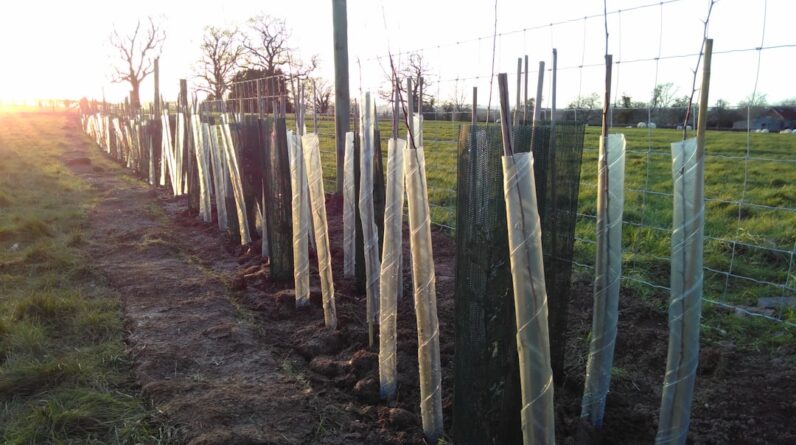
Permaculture is more than just a method of gardening; it is a holistic approach to designing sustainable systems that mimic the natural world. As you delve into the principles of permaculture, you will discover that it encompasses a wide range of practices aimed at creating resilient ecosystems. This whole-systems thinking encourages you to view the environment as an interconnected web of relationships, where every element plays a vital role in maintaining balance.
By understanding these relationships, you can cultivate a deeper appreciation for the natural world and learn how to work with it rather than against it. At its core, permaculture emphasizes the importance of observing and interacting with nature. You are encouraged to take the time to study your surroundings, noting how different species coexist and thrive together.
This observation leads to insights that can inform your design choices, whether you are creating a garden, a farm, or a reforestation project. By adopting this mindset, you can develop solutions that are not only effective but also sustainable in the long run. The principles of permaculture serve as guiding lights, helping you navigate the complexities of ecological design while fostering a sense of stewardship for the planet.
Key Takeaways
- Permaculture is a whole-systems approach to design that mimics natural ecosystems and emphasizes sustainability and regenerative practices.
- Reforestation plays a crucial role in addressing environmental challenges such as climate change, biodiversity loss, and soil degradation.
- Permaculture principles in reforestation involve mimicking natural ecosystems, promoting biodiversity, and enhancing ecosystem services.
- Designing reforestation projects with permaculture ethics involves considering the needs of the local community, promoting resilience, and ensuring long-term sustainability.
- Implementing permaculture techniques in reforestation includes agroforestry, keyline design, and swales to enhance ecosystem functions and provide multiple benefits.
The Importance of Reforestation: Addressing Environmental Challenges
Reforestation is a critical response to some of the most pressing environmental challenges we face today. As you consider the impact of deforestation, climate change, and biodiversity loss, it becomes clear that restoring forests is essential for maintaining ecological balance. Trees play a vital role in sequestering carbon dioxide, improving air quality, and providing habitat for countless species.
By engaging in reforestation efforts, you contribute to the restoration of ecosystems that have been degraded or destroyed, helping to combat climate change and preserve biodiversity. Moreover, reforestation offers numerous social and economic benefits. You may find that restoring forests can provide livelihoods for local communities through sustainable forestry practices and ecotourism.
By involving local populations in reforestation projects, you empower them to take ownership of their environment while fostering a sense of connection to the land. This collaborative approach not only enhances the success of reforestation efforts but also promotes social equity and resilience in the face of environmental challenges.
Principles of Permaculture in Reforestation: Mimicking Natural Ecosystems

The principles of permaculture are particularly relevant when it comes to reforestation. One of the key tenets is to mimic natural ecosystems, which means understanding how forests function and applying those lessons to your reforestation projects. You can start by observing existing forests in your area, noting the diversity of species, the layering of vegetation, and the interactions between plants and animals.
By emulating these natural patterns, you can create a more resilient and self-sustaining ecosystem. Incorporating biodiversity is essential in this process. You should aim to plant a variety of native species that are well-adapted to your local environment.
This diversity not only enhances the ecological stability of your reforestation project but also provides habitat for wildlife and improves soil health. Additionally, consider implementing companion planting strategies, where certain plants support each other’s growth. By applying these permaculture principles, you can create a thriving ecosystem that mirrors the complexity and beauty of nature.
Designing Reforestation Projects with Permaculture Ethics and Principles
When designing a reforestation project through the lens of permaculture, it is crucial to adhere to its core ethics: care for the earth, care for people, and fair share. These guiding principles will help you create a project that is not only ecologically sound but also socially responsible. As you embark on this journey, think about how your actions will impact both the environment and the communities involved.
Engaging local stakeholders in the planning process ensures that their needs and knowledge are integrated into your design. You should also consider the long-term sustainability of your project. This means selecting appropriate species that will thrive in your specific conditions and planning for future maintenance and management.
By designing with resilience in mind, you can create a reforestation project that withstands environmental stresses such as drought or pests. Additionally, incorporating elements like water catchment systems or soil-building techniques will enhance the overall health of your ecosystem while reducing reliance on external inputs.
Implementing Permaculture Techniques in Reforestation: Agroforestry, Keyline Design, and Swales
As you implement permaculture techniques in your reforestation efforts, consider incorporating agroforestry practices. Agroforestry combines agriculture and forestry by integrating trees into agricultural landscapes. This approach not only enhances biodiversity but also improves soil health and water retention.
You can plant fruit-bearing trees alongside native species, providing food for both humans and wildlife while creating a more diverse ecosystem. Keyline design is another valuable technique that can be applied to reforestation projects. This method focuses on optimizing water distribution across the landscape by utilizing the natural contours of the land.
By strategically placing trees along keyline patterns, you can enhance water infiltration and reduce erosion while promoting healthy growth for your newly planted trees. Additionally, implementing swales—shallow ditches designed to capture and retain water—can further support your reforestation efforts by directing water to where it is needed most.
Success Stories: Examples of Permaculture-Based Reforestation Projects

Across the globe, numerous success stories highlight the effectiveness of permaculture-based reforestation projects. One notable example is the Green Belt Movement in Kenya, founded by Wangari Maathai. This grassroots initiative has empowered local communities to plant millions of trees while promoting environmental conservation and women’s rights.
By integrating permaculture principles into their approach, they have created sustainable ecosystems that provide food, fuel, and income for families while restoring degraded landscapes. Another inspiring case is found in Brazil’s Atlantic Forest region, where organizations have implemented agroforestry systems to restore native forests while supporting local farmers. By combining tree planting with sustainable agricultural practices, these projects have not only increased biodiversity but also improved soil fertility and water retention.
As you explore these success stories, you will see how permaculture principles can lead to transformative change in reforestation efforts around the world.
Challenges and Opportunities in Applying Permaculture to Reforestation
While there are many opportunities for applying permaculture principles to reforestation projects, challenges do exist. One significant hurdle is securing funding and resources for long-term initiatives. Many reforestation projects require sustained investment over several years before they become self-sustaining.
As you navigate this landscape, consider seeking partnerships with local organizations or government agencies that share your vision for ecological restoration. Another challenge lies in overcoming resistance from communities that may be skeptical about new approaches or unfamiliar with permaculture practices. Education and outreach are essential in addressing these concerns and fostering collaboration among stakeholders.
By demonstrating the benefits of permaculture-based reforestation through workshops or pilot projects, you can build trust and encourage wider adoption of these practices.
The Future of Reforestation: Embracing the Permaculture Perspective
As you look toward the future of reforestation efforts worldwide, embracing the permaculture perspective offers a promising path forward. The urgency of addressing climate change and environmental degradation calls for innovative solutions that prioritize sustainability and resilience. By integrating permaculture principles into reforestation projects, you can contribute to creating ecosystems that not only restore biodiversity but also enhance community well-being.
The potential for collaboration among diverse stakeholders—ranging from local communities to scientists—can lead to groundbreaking advancements in reforestation practices. As you engage with others who share your passion for ecological restoration, consider how collective action can amplify your impact. Together, you can foster a global movement toward regenerative practices that honor both people and the planet, ensuring a healthier future for generations to come.
In conclusion, understanding permaculture as a whole-systems approach provides valuable insights into effective reforestation strategies. By addressing environmental challenges through ethical design principles and innovative techniques, you can play an active role in restoring ecosystems while promoting social equity and resilience. The journey ahead may be filled with challenges, but with determination and collaboration, you can help shape a sustainable future through permaculture-based reforestation efforts.
In a related article on combatting global warming through massive tree planting, the importance of reforestation in addressing environmental issues is further emphasized. The article discusses how reforestation can help mitigate the effects of climate change by absorbing carbon dioxide and providing habitat for wildlife. To learn more about the benefits of reforestation and how it can help the environment, check out this article.
FAQs
What is permaculture?
Permaculture is a design system that aims to create sustainable and self-sufficient human habitats by following the patterns and relationships found in nature.
What is whole-systems thinking in reforestation?
Whole-systems thinking in reforestation involves considering the entire ecosystem and its interconnected components when planning and implementing reforestation projects.
How does permaculture apply to reforestation?
Permaculture principles can be applied to reforestation by considering the relationships between plants, animals, soil, water, and climate in order to create resilient and diverse forest ecosystems.
What are the benefits of using permaculture in reforestation efforts?
Using permaculture in reforestation efforts can lead to more sustainable and resilient forest ecosystems, increased biodiversity, improved soil health, and better water retention.
What are some examples of permaculture techniques used in reforestation?
Examples of permaculture techniques used in reforestation include agroforestry, keyline design, water harvesting, and using native plant species to restore degraded landscapes.
How can whole-systems thinking benefit reforestation projects?
Whole-systems thinking can benefit reforestation projects by helping to create more holistic and sustainable forest ecosystems that are better able to adapt to changing environmental conditions.