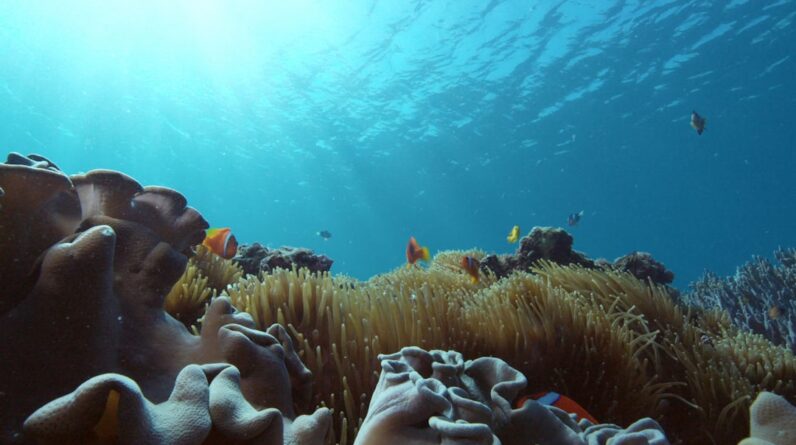
As you gaze out at the vast expanse of the ocean, it’s easy to overlook the intricate web of life that thrives beneath the surface. The health of our oceans is not just a matter of aesthetic beauty; it is crucial for the survival of countless species, including humans. One of the most pressing issues facing marine ecosystems today is the depletion of oxygen in ocean waters, a phenomenon known as hypoxia.
This condition can lead to dead zones where marine life struggles to survive, disrupting entire ecosystems and threatening food security for millions. Understanding the importance of ocean oxygen protection is essential for fostering a sustainable future for both marine life and human populations. The oceans are responsible for producing a significant portion of the world’s oxygen, primarily through the photosynthesis of phytoplankton.
However, various factors, including climate change, pollution, and nutrient runoff, are contributing to a decline in oxygen levels. As you consider the implications of this decline, it becomes clear that protecting ocean oxygen is not merely an environmental concern; it is a matter of global health and economic stability. By taking action to safeguard these vital resources, you can help ensure that future generations inherit a thriving ocean ecosystem.
Key Takeaways
- Ocean oxygen protection is crucial for marine life and the overall health of the ocean ecosystem.
- Regional action is important in addressing ocean oxygen depletion, as it allows for tailored solutions to specific environmental challenges.
- The Caribbean has successfully protected ocean oxygen through measures such as marine protected areas and sustainable fishing practices.
- The Baltic Sea has implemented effective measures such as reducing nutrient pollution and promoting sustainable agriculture to protect ocean oxygen levels.
- Collaborative efforts in the Pacific Ocean have shown the potential for regional success in protecting ocean oxygen through partnerships and shared resources.
The Importance of Regional Action
When it comes to addressing the challenges posed by declining ocean oxygen levels, regional action is paramount. Each oceanic region has its unique set of environmental conditions, challenges, and stakeholders. By focusing on localized efforts, you can tailor solutions that are more effective and sustainable.
Regional initiatives allow for collaboration among governments, non-profit organizations, and local communities, creating a united front against the threats facing marine ecosystems. Moreover, regional action fosters a sense of ownership and responsibility among local populations. When you engage communities in conservation efforts, they are more likely to invest in the health of their environment.
This grassroots approach not only empowers individuals but also leads to innovative solutions that are grounded in local knowledge and practices. By prioritizing regional action, you can create a ripple effect that inspires other areas to adopt similar strategies, amplifying the impact of your efforts.
Case Study: Successful Ocean Oxygen Protection in the Caribbean

The Caribbean region serves as a compelling case study for successful ocean oxygen protection initiatives. With its rich biodiversity and reliance on marine resources for tourism and fishing, the Caribbean has recognized the urgent need to address hypoxia. One notable example is the Caribbean Regional Oceanscape Project (CROP), which aims to enhance the resilience of coastal and marine ecosystems while promoting sustainable livelihoods.
Through CROP, you can see how regional collaboration has led to significant improvements in ocean health. The project has implemented measures such as reducing nutrient runoff from agriculture and improving waste management practices. By working together, Caribbean nations have been able to share best practices and resources, leading to a more coordinated approach to ocean conservation.
The success of CROP demonstrates that when countries unite for a common cause, they can achieve remarkable results in protecting their marine environments.
Case Study: Effective Measures in the Baltic Sea
Another region that has made strides in ocean oxygen protection is the Baltic Sea. This semi-enclosed body of water faces unique challenges due to its limited water exchange with the open ocean and high levels of nutrient pollution from agricultural runoff and industrial discharges. In response, countries surrounding the Baltic Sea have come together under the Helsinki Convention to implement a series of measures aimed at reducing nutrient inputs and restoring oxygen levels.
As you delve into the specifics of these measures, you’ll find that they include stricter regulations on agricultural practices, improved wastewater treatment facilities, and initiatives to promote sustainable fishing practices. These actions have led to a noticeable improvement in water quality and a reduction in hypoxic areas within the Baltic Sea. The collaborative efforts among nations highlight the importance of shared responsibility in addressing environmental challenges.
By learning from the Baltic Sea’s experience, you can appreciate how regional cooperation can yield tangible benefits for ocean health.
Collaborative Efforts in the Pacific Ocean
The Pacific Ocean presents another fascinating example of collaborative efforts aimed at protecting ocean oxygen levels. Spanning multiple countries and cultures, this vast ocean is home to diverse marine ecosystems that are increasingly threatened by climate change and pollution. Recognizing the need for collective action, various organizations have come together to form initiatives like the Pacific Islands Forum Fisheries Agency (FFA), which focuses on sustainable fisheries management and ocean conservation.
Through these collaborative efforts, you can see how countries are working together to address common challenges. The FFA has implemented programs that promote sustainable fishing practices while also addressing issues related to nutrient runoff and habitat degradation. By sharing knowledge and resources, Pacific nations are not only protecting their marine environments but also ensuring food security for their populations.
The success of these collaborative initiatives underscores the importance of unity in tackling complex environmental issues.
Lessons Learned and Best Practices

As you reflect on these case studies from the Caribbean, Baltic Sea, and Pacific Ocean, several key lessons emerge regarding effective ocean oxygen protection strategies. First and foremost, regional collaboration is essential. By bringing together diverse stakeholders—governments, NGOs, local communities—you can create a comprehensive approach that addresses multiple facets of ocean health.
Additionally, adaptive management practices are crucial for responding to changing environmental conditions. Monitoring and evaluating the effectiveness of implemented measures allows for adjustments based on real-time data. This flexibility ensures that strategies remain relevant and effective over time.
Furthermore, engaging local communities in conservation efforts fosters a sense of stewardship that can lead to long-term commitment to protecting marine ecosystems.
The Role of Local Communities and Stakeholders
Local communities play an indispensable role in ocean oxygen protection efforts. As you consider their involvement, it becomes clear that these communities often possess invaluable knowledge about their marine environments. Their traditional practices and insights can inform conservation strategies that are both culturally relevant and ecologically sound.
Empowering local stakeholders not only enhances conservation outcomes but also promotes social equity. When communities are actively involved in decision-making processes regarding their natural resources, they are more likely to support sustainable practices. This participatory approach fosters a sense of ownership over local ecosystems, encouraging individuals to take action in safeguarding their environment for future generations.
The Way Forward: Scaling Up Regional Success Stories
Looking ahead, scaling up successful regional initiatives will be vital for addressing the global challenge of declining ocean oxygen levels. As you consider how to amplify these efforts, it’s essential to foster international cooperation and knowledge sharing among regions facing similar challenges. By creating networks that connect successful case studies with those still grappling with hypoxia issues, you can facilitate the exchange of best practices and innovative solutions.
Moreover, investing in research and technology will be crucial for developing new strategies to combat hypoxia effectively. As scientific understanding of ocean ecosystems continues to evolve, you can leverage this knowledge to implement evidence-based policies that prioritize ocean health. By combining local action with global collaboration, you can contribute to a more sustainable future for our oceans—one where vibrant marine ecosystems thrive alongside human communities.
In conclusion, protecting ocean oxygen is not just an environmental imperative; it is a shared responsibility that requires collective action at regional levels. By learning from successful case studies and engaging local communities, you can play an active role in safeguarding our oceans for generations to come. The path forward may be challenging, but with determination and collaboration, a healthier ocean is within reach.
Local Action for Global Breath: Regional Success Stories in Ocean Oxygen Protection highlights the importance of community-driven initiatives in safeguarding our oceans. This article complements the message of environmental stewardship found in How Does Planting Trees Help the Environment, which discusses the positive impact of reforestation on biodiversity and ecosystem health. Both articles emphasize the interconnectedness of local actions and global outcomes in addressing environmental challenges.
FAQs
What is the article “Local Action for Global Breath: Regional Success Stories in Ocean Oxygen Protection” about?
The article highlights successful regional efforts to protect ocean oxygen levels and the importance of local action in addressing global environmental challenges.
Why is ocean oxygen protection important?
Ocean oxygen levels are crucial for marine life and the overall health of the ocean ecosystem. Depleted oxygen levels can lead to “dead zones” where marine life cannot survive, impacting fisheries and biodiversity.
What are some regional success stories in ocean oxygen protection mentioned in the article?
The article discusses various regional initiatives such as the establishment of marine protected areas, sustainable fishing practices, and reducing nutrient pollution to improve ocean oxygen levels.
How can local action contribute to global efforts in ocean oxygen protection?
Local action plays a critical role in addressing ocean oxygen depletion by implementing sustainable practices, reducing pollution, and advocating for policy changes at the regional and national levels.
What are some key challenges in ocean oxygen protection addressed in the article?
The article highlights challenges such as overfishing, nutrient pollution from agricultural runoff, and the impacts of climate change on ocean oxygen levels. It also emphasizes the need for collaborative efforts to address these challenges.