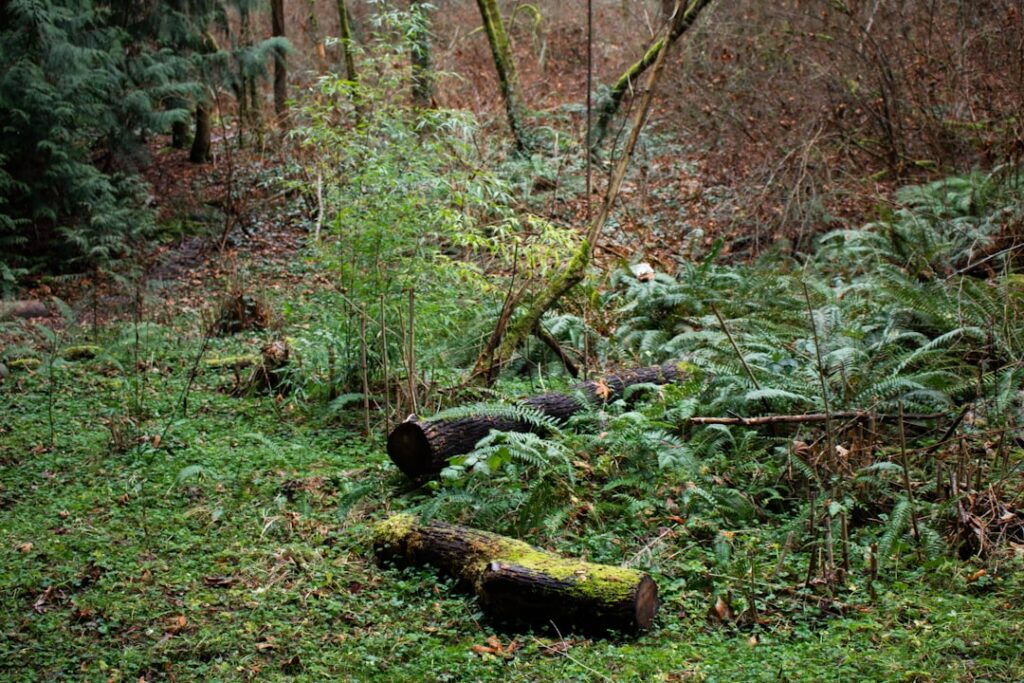
As you delve into the intricate world of forests, you may find yourself captivated by their role in the global carbon cycle. Forests are not merely collections of trees; they are dynamic ecosystems that play a crucial role in mitigating climate change by sequestering carbon dioxide from the atmosphere. This process of carbon storage is vital for maintaining ecological balance and combating the adverse effects of climate change.
Understanding how different types of forests contribute to carbon storage can empower you to appreciate their significance and advocate for their preservation. The importance of carbon storage in forests extends beyond just climate regulation. Forests provide habitat for countless species, support biodiversity, and offer recreational opportunities for humans.
They also contribute to soil health and water quality, making them indispensable to both the environment and human well-being. As you explore the nuances of old growth and new growth forests, you will uncover the unique ways in which each type contributes to carbon storage, highlighting the need for informed conservation efforts.
Key Takeaways
- Old growth forests are important for carbon storage due to their large trees and dense vegetation
- New growth forests also play a role in carbon storage as they absorb carbon dioxide during rapid growth
- Old growth forests have higher carbon storage capacity compared to new growth forests
- Factors such as climate, soil quality, and disturbance can affect carbon storage in both old and new growth forests
- Human activities such as deforestation and logging can significantly impact carbon storage in forests
What is Old Growth Forest and How Does it Store Carbon?
Old growth forests are characterized by their age, complexity, and biodiversity. These forests have developed over centuries, often featuring towering trees, diverse understory vegetation, and a rich array of wildlife. As you walk through an old growth forest, you may notice the presence of large, mature trees that have accumulated significant biomass over time.
This biomass is a key component of carbon storage, as trees absorb carbon dioxide during photosynthesis and store it in their wood, leaves, and roots. The carbon storage capacity of old growth forests is remarkable. Due to their age and size, these forests can sequester vast amounts of carbon, often more than younger forests.
The intricate structure of old growth forests also allows for a greater diversity of plant species, which contributes to their overall carbon storage potential. Additionally, the decaying organic matter on the forest floor plays a crucial role in long-term carbon storage, as it gradually releases carbon back into the soil, where it can remain for decades or even centuries.
What is New Growth Forest and How Does it Store Carbon?

In contrast to old growth forests, new growth forests are typically younger and have undergone recent disturbances such as logging or natural disasters. These forests are characterized by fast-growing species that quickly establish themselves in the wake of disturbance. As you explore a new growth forest, you may notice a different landscape—one filled with young trees that are rapidly photosynthesizing and capturing carbon dioxide from the atmosphere.
While new growth forests may not store as much carbon as their older counterparts initially, they have a unique advantage: their rapid growth rates. Young trees can absorb carbon at an impressive rate, allowing new growth forests to contribute significantly to carbon sequestration in a relatively short period. Moreover, as these forests mature over time, their carbon storage capacity will increase, eventually approaching that of old growth forests.
Understanding this dynamic can help you appreciate the potential of new growth forests in the fight against climate change.
Comparing the Carbon Storage Capacity of Old Growth and New Growth Forests
When comparing the carbon storage capacities of old growth and new growth forests, it becomes evident that both play essential roles in the ecosystem. Old growth forests are often seen as the gold standard for carbon storage due to their extensive biomass and complex structures. They can store up to three times more carbon per hectare than new growth forests, making them invaluable in the context of long-term climate mitigation strategies.
However, new growth forests should not be underestimated. While they may initially store less carbon than old growth forests, their rapid growth rates allow them to sequester significant amounts of carbon over time. In fact, studies have shown that new growth forests can capture more carbon than old growth forests during their early years of development.
This means that both types of forests are crucial in different stages of their life cycles, and recognizing their complementary roles can inform more effective conservation strategies.
Factors Affecting Carbon Storage in Old Growth and New Growth Forests
Several factors influence the carbon storage capacity of both old growth and new growth forests. One significant factor is tree species composition. Different tree species have varying rates of growth and biomass accumulation, which directly impacts their ability to sequester carbon.
For instance, fast-growing species like poplar or willow may store more carbon in a shorter time frame compared to slower-growing species like oak or pine. Another critical factor is soil health. Healthy soils rich in organic matter can enhance carbon storage by providing a stable environment for root systems and promoting microbial activity that aids in decomposition.
Additionally, environmental conditions such as climate, precipitation patterns, and disturbances like wildfires or pest outbreaks can significantly affect both old growth and new growth forests’ ability to store carbon. Understanding these factors can help you appreciate the complexities involved in forest ecosystems and their contributions to carbon sequestration.
The Role of Human Activity in Old Growth and New Growth Forests
Human activity has a profound impact on both old growth and new growth forests. Deforestation, logging, and land conversion for agriculture or urban development threaten these vital ecosystems and their ability to store carbon. As you consider the implications of these activities, it becomes clear that protecting existing old growth forests is essential for maintaining their significant carbon reservoirs.
Conversely, human intervention can also play a positive role in promoting new growth forests. Reforestation and afforestation efforts can help restore degraded landscapes and enhance carbon sequestration potential. By planting native tree species and implementing sustainable land management practices, you can contribute to the establishment of new growth forests that will eventually mature into valuable carbon sinks.
Recognizing the dual nature of human impact on forest ecosystems empowers you to advocate for responsible stewardship and conservation efforts.
Conservation and Management Strategies for Maximizing Carbon Storage in Forests
To maximize carbon storage in both old growth and new growth forests, effective conservation and management strategies are essential. One approach is to establish protected areas that safeguard old growth forests from logging and development pressures. By creating reserves or national parks, you can help ensure that these vital ecosystems remain intact for future generations.
In addition to protecting existing old growth forests, promoting sustainable forestry practices is crucial for enhancing the carbon storage potential of new growth forests. Selective logging techniques that minimize damage to surrounding trees can help maintain forest structure while allowing for timber extraction. Furthermore, implementing reforestation initiatives with native species can accelerate the recovery of disturbed areas and increase overall carbon sequestration.
Education and community engagement are also vital components of successful conservation strategies. By raising awareness about the importance of both old growth and new growth forests for carbon storage, you can inspire others to take action in their local communities. Whether through volunteer tree planting events or advocating for policy changes at the local or national level, your efforts can contribute to a more sustainable future.
The Importance of Preserving Both Old Growth and New Growth Forests for Carbon Storage
In conclusion, understanding the roles of old growth and new growth forests in carbon storage is essential for addressing climate change effectively. Both types of forests offer unique benefits: old growth forests serve as long-term carbon reservoirs with their extensive biomass, while new growth forests provide rapid sequestration potential during their early years. Recognizing the importance of preserving both types is crucial for maximizing their contributions to global carbon storage.
As you reflect on your relationship with forests, consider how your actions can support conservation efforts aimed at protecting these vital ecosystems. Whether through advocacy, education, or direct involvement in reforestation projects, your commitment can make a difference in preserving both old growth and new growth forests for future generations. By valuing these natural resources and understanding their significance in combating climate change, you become an integral part of the solution—ensuring that our planet remains healthy and vibrant for years to come.
If you are interested in learning more about combatting global warming through tree planting, check out the article