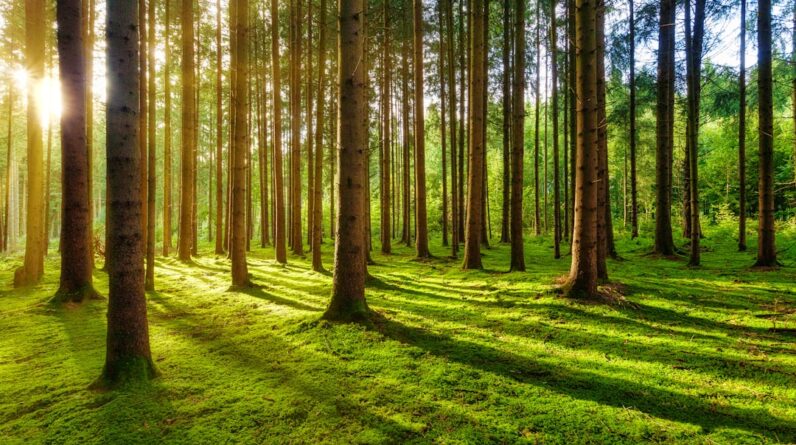
Forests play a crucial role in maintaining the health and cleanliness of rivers. When you think about the intricate relationship between land and water, it becomes clear that forests act as natural guardians of aquatic ecosystems. They provide essential services that help regulate water quality, ensuring that rivers remain clean and vibrant.
The roots of trees stabilize the soil, preventing pollutants from entering waterways, while the canopy intercepts rainfall, allowing water to filter through the forest floor before reaching streams and rivers. This natural filtration process is vital for sustaining the delicate balance of aquatic life. Moreover, forests contribute to the hydrological cycle, influencing how water moves through the landscape.
When you walk through a forest, you may notice how the ground feels moist and alive; this is due to the trees absorbing rainfall and releasing it slowly back into the atmosphere through a process called transpiration. This not only helps maintain local humidity levels but also ensures that rivers receive a steady flow of clean water. By preserving forests, you are directly supporting the health of rivers and the myriad of species that depend on them.
Key Takeaways
- Forests play a crucial role in maintaining clean rivers by acting as natural filters and purifiers of water.
- Trees help filter and purify water by absorbing pollutants and trapping sediment, preventing them from entering rivers and streams.
- Forests also play a key role in preventing erosion and sedimentation, which can degrade water quality and disrupt river ecosystems.
- Deforestation has a significant impact on water quality, leading to increased sedimentation, pollution, and loss of biodiversity in river ecosystems.
- Restoring and conserving forests is essential for maintaining clean rivers and preserving biodiversity in river ecosystems.
How Trees Help Filter and Purify Water
Trees are nature’s water filters, and their ability to purify water is nothing short of remarkable. As rainwater falls onto the forest canopy, it trickles down through leaves and branches, eventually reaching the ground. During this journey, various pollutants and sediments are captured by the foliage and bark, preventing them from entering waterways.
When you consider how much rainwater is intercepted by trees, it becomes evident that they play a significant role in reducing contaminants that would otherwise flow into rivers. The forest floor itself acts as a natural filtration system. The layers of organic matter, including fallen leaves and decomposing plant material, create a sponge-like environment that absorbs excess nutrients and pollutants.
As water percolates through this layer, it undergoes a natural purification process. Microorganisms present in the soil break down harmful substances, further enhancing water quality. By maintaining healthy forests, you are ensuring that this vital filtration process continues, ultimately leading to cleaner rivers and healthier ecosystems.
The Role of Forests in Preventing Erosion and Sedimentation
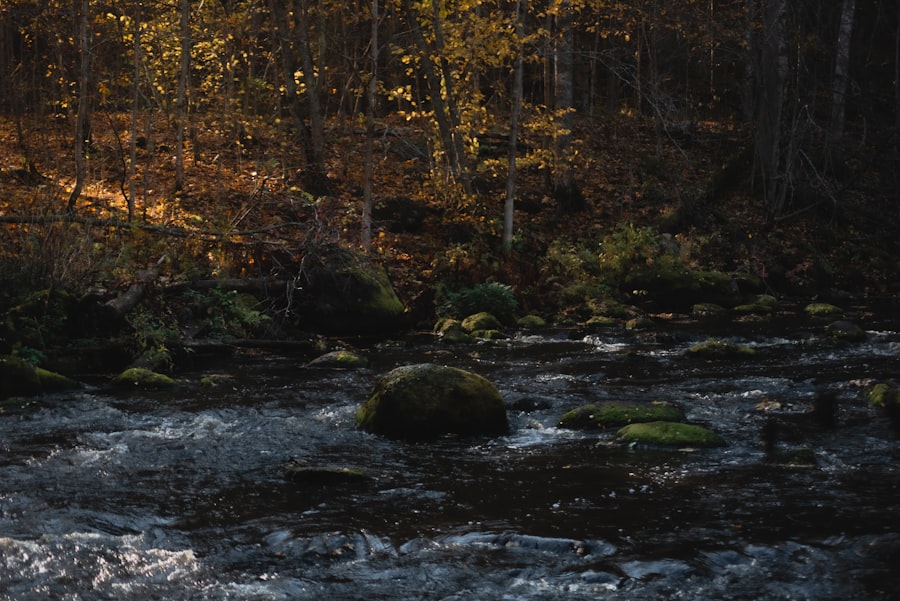
Erosion is a significant threat to river health, and forests play a pivotal role in preventing it. The roots of trees anchor the soil in place, reducing the likelihood of erosion caused by heavy rainfall or flooding. When you observe a forested area after a storm, you may notice that the ground remains relatively intact compared to areas devoid of vegetation.
This stability is essential for maintaining the integrity of riverbanks and preventing sediment from washing into waterways. Sedimentation can have detrimental effects on aquatic ecosystems. Excess sediment can cloud water, blocking sunlight from reaching underwater plants and disrupting the delicate balance of life within rivers.
By preventing erosion, forests help maintain clear water and support diverse aquatic habitats. When you appreciate the beauty of a clean river, remember that healthy forests are working tirelessly behind the scenes to protect it from erosion and sedimentation.
The Impact of Deforestation on Water Quality
Deforestation poses a significant threat to water quality, with far-reaching consequences for both ecosystems and human communities. When trees are removed, the protective cover they provide is lost, leading to increased runoff and erosion. This means that pollutants such as fertilizers, pesticides, and sediment can easily wash into rivers, degrading water quality.
You may not realize it, but every time a tree is cut down, it can have a cascading effect on nearby waterways. The loss of forests also disrupts the natural filtration processes that keep rivers clean. Without trees to intercept rainfall and filter water through the soil, contaminants can enter waterways unchecked.
This not only affects aquatic life but can also impact drinking water sources for communities downstream. By understanding the consequences of deforestation on water quality, you can appreciate the importance of protecting forests as a means of safeguarding our precious water resources.
The Connection Between Forests and Biodiversity in River Ecosystems
Forests are vital for maintaining biodiversity in river ecosystems. When you think about a healthy river, it’s not just about clean water; it’s also about the variety of life that thrives within it. Forests provide critical habitat for numerous species, including fish, amphibians, birds, and insects that rely on both terrestrial and aquatic environments.
The interconnectedness of these ecosystems means that when forests are healthy, so too are the rivers they support. The presence of diverse plant life in forests contributes to the overall health of river ecosystems by providing food and shelter for various species. Trees offer shade that regulates water temperature, creating ideal conditions for fish and other aquatic organisms.
Additionally, fallen leaves and organic matter from trees enrich the river’s nutrient base, supporting a thriving food web. By protecting forests, you are not only preserving their beauty but also ensuring the survival of countless species that depend on clean rivers for their existence.
The Role of Riparian Zones in Protecting Water Quality
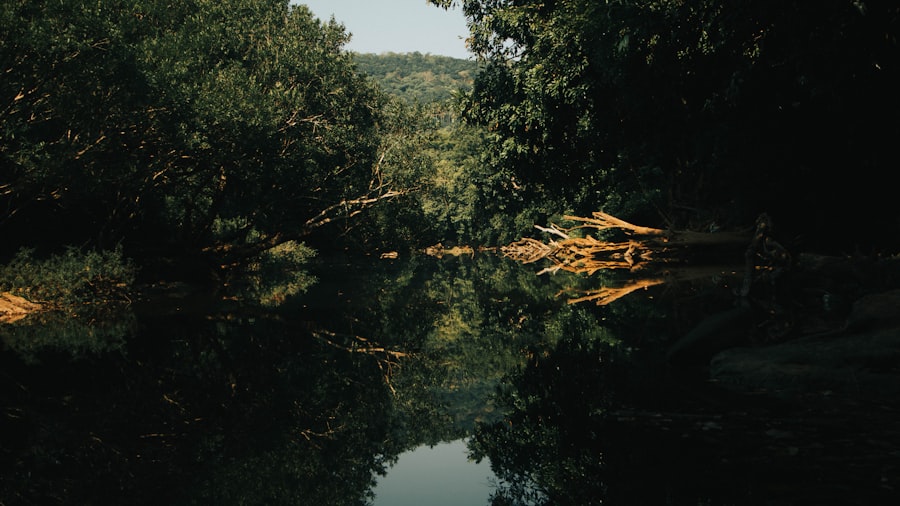
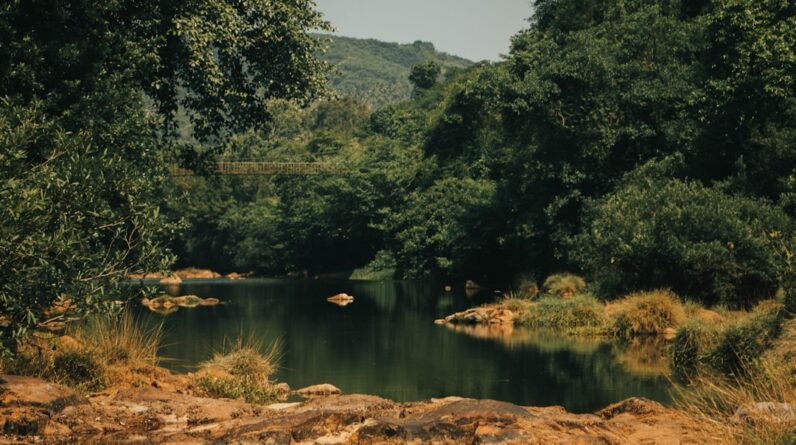
Riparian zones—the areas adjacent to rivers—are critical for maintaining water quality and supporting biodiversity. These zones are often characterized by lush vegetation that acts as a buffer between land and water. When you walk along a riverbank lined with trees and shrubs, you are witnessing nature’s protective barrier at work.
Riparian vegetation helps filter pollutants before they reach the water, trapping sediments and absorbing excess nutrients. Moreover, riparian zones provide essential habitat for wildlife while stabilizing riverbanks to prevent erosion. The roots of plants in these areas hold soil in place, reducing sedimentation in rivers during heavy rains or floods.
By preserving riparian zones, you contribute to cleaner water and healthier ecosystems. These areas serve as vital corridors for wildlife movement and play an essential role in maintaining the overall health of river systems.
The Benefits of Restoring Forests for Clean Rivers
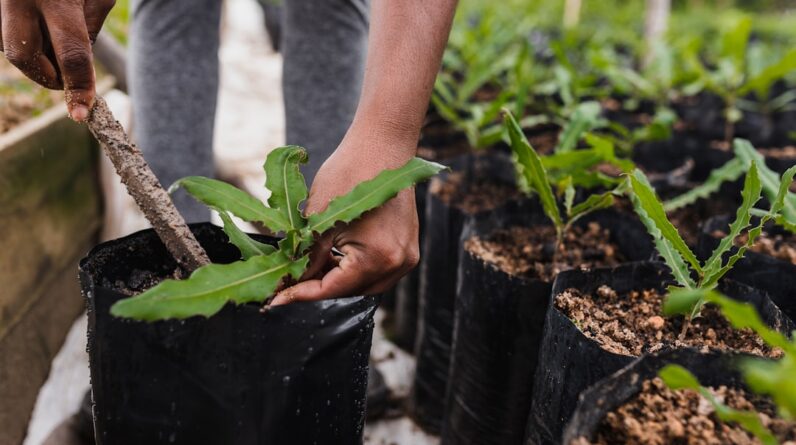
Restoring forests can have profound benefits for clean rivers and overall ecosystem health. When you engage in reforestation efforts or support initiatives aimed at restoring degraded landscapes, you are actively contributing to improved water quality. Newly planted trees help stabilize soil, reduce erosion, and enhance natural filtration processes that protect waterways from pollutants.
Additionally, restored forests can increase biodiversity by providing habitat for various species that may have been displaced due to deforestation or habitat loss. As these ecosystems recover, they create a more resilient environment capable of withstanding climate change impacts while supporting clean rivers. By participating in restoration projects or advocating for forest conservation, you play an essential role in ensuring that future generations inherit healthy rivers teeming with life.
The Need for Conservation and Sustainable Management of Forests for Water Quality
The conservation and sustainable management of forests are paramount for maintaining clean rivers and ensuring long-term ecological health. As you consider your role in this effort, it’s important to recognize that responsible forestry practices can coexist with economic development. Sustainable management involves balancing human needs with environmental protection to ensure that forests continue to provide essential services like clean water.
By supporting policies that promote sustainable forestry practices and advocating for conservation efforts, you contribute to a future where forests thrive alongside healthy rivers. Engaging with local communities to raise awareness about the importance of forests can foster a collective commitment to protecting these vital ecosystems. Ultimately, your actions can help ensure that forests remain guardians of clean rivers for generations to come.
Clean Rivers Start With Trees: The Connection Between Forests and Water Quality highlights the crucial role that forests play in maintaining clean water sources. This article emphasizes the importance of reforestation in improving water quality and overall environmental health. For further information on the advantages of planting trees for climate change, check out this related article.
FAQs
What is the connection between forests and water quality?
Forests play a crucial role in maintaining water quality. Trees and other vegetation in forests help to filter and purify water by trapping sediments and absorbing pollutants. They also help to stabilize soil, reducing erosion and preventing sediment from entering waterways.
How do forests protect rivers and streams?
Forests act as natural buffers along rivers and streams, helping to prevent runoff from entering the water. The roots of trees and other vegetation help to hold soil in place, reducing erosion and the amount of sediment that can enter waterways. This helps to maintain the health and quality of rivers and streams.
What are the benefits of healthy forests for water quality?
Healthy forests contribute to improved water quality by filtering out pollutants, reducing erosion, and maintaining the natural balance of ecosystems. This, in turn, benefits aquatic life and provides clean drinking water for communities downstream.
How can deforestation impact water quality?
Deforestation can have a detrimental impact on water quality. Without the protective cover of trees and vegetation, soil erosion increases, leading to sedimentation in waterways. Additionally, deforestation can result in increased runoff of pollutants and chemicals into rivers and streams, further degrading water quality.
What can be done to protect the connection between forests and water quality?
Protecting and preserving forests is essential for maintaining water quality. This can be achieved through sustainable forestry practices, reforestation efforts, and the establishment of riparian buffer zones along waterways. Additionally, promoting conservation and responsible land use can help to protect the vital connection between forests and water quality.