


Pollution is a pervasive issue that affects every corner of our planet, but its impact on marine life and oxygen production in the oceans is particularly alarming. As you delve into the depths of this topic, you will discover how various pollutants infiltrate marine ecosystems, disrupting the delicate balance that sustains life beneath the waves. The oceans, which cover over 70% of the Earth’s surface, are not only home to a diverse array of species but also play a crucial role in producing oxygen through photosynthesis.
Understanding the intricate relationship between pollution and marine health is essential for fostering a sustainable future. As you explore this subject, you will come to appreciate the interconnectedness of marine ecosystems and the air we breathe. The oceans are responsible for generating approximately half of the world’s oxygen, primarily through phytoplankton, tiny organisms that thrive in the sunlit surface waters.
However, pollution threatens both these organisms and the overall health of marine environments. By examining the types of pollution affecting marine life, their effects on ecosystems, and the subsequent impact on oxygen production, you will gain insight into the urgent need for action to protect our oceans and, by extension, our planet.
Key Takeaways
- Pollution has a significant impact on marine life and oxygen production in the oceans.
- Types of pollution affecting marine life include plastic pollution, oil spills, and chemical pollution.
- Pollution can lead to devastating effects on marine life and ecosystems, including habitat destruction and species extinction.
- The impact of pollution on oxygen production in the oceans can lead to hypoxic or dead zones, where marine life cannot survive.
- Solutions to reduce pollution and protect marine life include implementing stricter regulations and promoting sustainable practices.
Types of Pollution Affecting Marine Life
When you think about pollution, various forms may come to mind, each with its own unique consequences for marine life. One of the most significant types is plastic pollution, which has become a global crisis. Millions of tons of plastic waste enter the oceans each year, breaking down into microplastics that are ingested by marine organisms.
This not only harms individual species but also disrupts entire food chains. As you consider the implications of plastic pollution, you may find yourself reflecting on how your own consumption habits contribute to this pressing issue. Another critical form of pollution is chemical runoff from agriculture and industry.
Fertilizers, pesticides, and heavy metals can wash into rivers and eventually make their way to the ocean, where they can cause harmful algal blooms. These blooms deplete oxygen levels in the water and release toxins that can be fatal to marine life. As you learn about these pollutants, it becomes clear that their effects extend far beyond their immediate environment, impacting everything from fish populations to human health.
The Effects of Pollution on Marine Life and Ecosystems
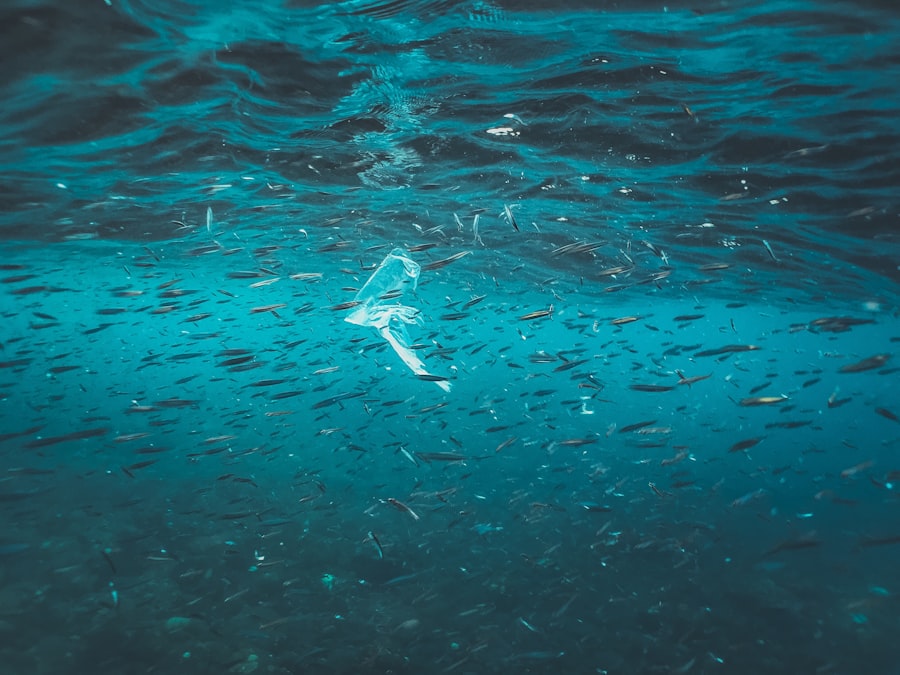
As you delve deeper into the effects of pollution on marine life, you will uncover a range of consequences that threaten biodiversity and ecosystem stability. For instance, many marine species are experiencing population declines due to habitat degradation caused by pollution. Coral reefs, often referred to as the “rainforests of the sea,” are particularly vulnerable.
When pollutants enter these ecosystems, they can lead to coral bleaching and increased susceptibility to disease. This not only affects the corals themselves but also the myriad species that depend on them for shelter and food. Moreover, pollution can disrupt reproductive processes in marine organisms.
Chemicals such as endocrine disruptors can interfere with hormonal systems, leading to reduced fertility rates and altered development in fish and other species. As you consider these impacts, it becomes evident that pollution poses a multifaceted threat to marine ecosystems, jeopardizing not only individual species but also the intricate relationships that sustain them.
The Impact of Pollution on Oxygen Production in the Oceans
The relationship between pollution and oxygen production in the oceans is a critical aspect of this issue that deserves your attention. Phytoplankton, which are responsible for producing a significant portion of the Earth’s oxygen, are highly sensitive to changes in their environment. When pollutants such as excess nutrients from agricultural runoff enter the ocean, they can trigger harmful algal blooms that outcompete phytoplankton for resources.
This competition can lead to a decline in phytoplankton populations, ultimately reducing oxygen production. Additionally, as you explore this topic further, you will find that pollution can create dead zones—areas in the ocean where oxygen levels are so low that most marine life cannot survive. These dead zones are often a direct result of nutrient pollution leading to hypoxia, a condition that poses severe risks to marine biodiversity.
Understanding how pollution impacts oxygen production is crucial for recognizing the broader implications for both marine life and human health.
Consequences of Decreased Oxygen Production on Marine Life
The consequences of decreased oxygen production in the oceans are profound and far-reaching. As you consider this issue, you may realize that low oxygen levels can lead to mass die-offs of fish and other marine organisms. Species that rely on specific oxygen levels for survival may find themselves unable to thrive in increasingly hypoxic conditions.
This not only affects individual species but also disrupts entire ecosystems, leading to shifts in community composition and function. Furthermore, decreased oxygen levels can have cascading effects on food webs. As key species decline or disappear due to hypoxia, predators may struggle to find adequate food sources, leading to further population declines.
As you reflect on these dynamics, it becomes clear that addressing pollution is not just about protecting individual species; it is about safeguarding the intricate web of life that exists within our oceans.
Solutions to Reduce Pollution and Protect Marine Life
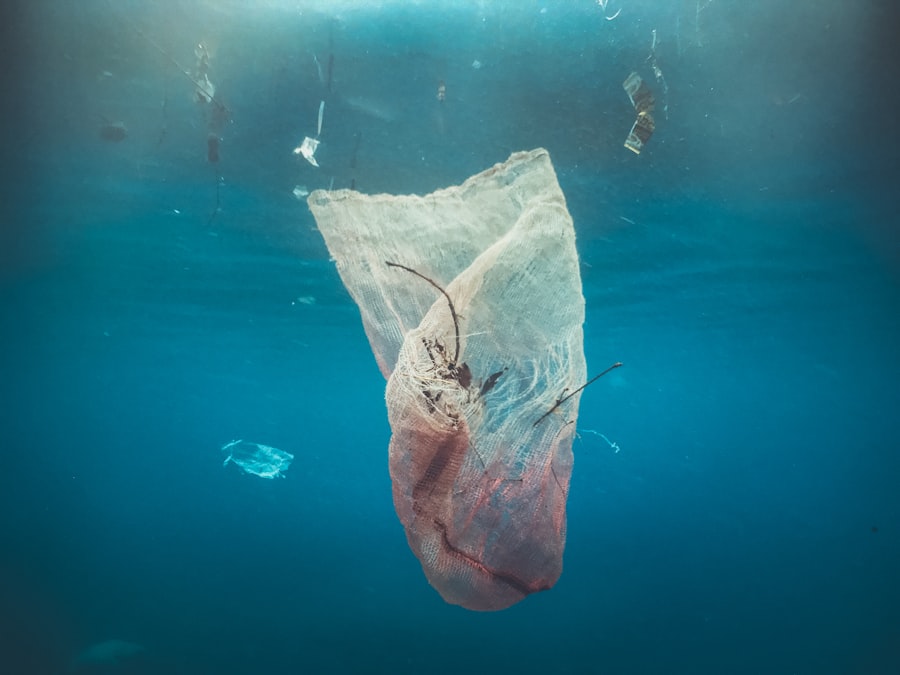
As you contemplate solutions to reduce pollution and protect marine life, it is essential to recognize that individual actions can make a difference. You can contribute by reducing plastic consumption—opting for reusable bags, bottles, and containers instead of single-use plastics. Additionally, being mindful of your dietary choices can help minimize agricultural runoff; supporting sustainable farming practices can lead to healthier waterways.
On a larger scale, advocating for policies that promote clean water initiatives and stricter regulations on industrial discharges is crucial. You can engage with local organizations focused on ocean conservation or participate in beach clean-up events to raise awareness about marine pollution. By taking these steps, you not only contribute to cleaner oceans but also inspire others to join the fight against pollution.
The Role of Government and International Organizations in Addressing Marine Pollution
Governments and international organizations play a pivotal role in addressing marine pollution on a global scale. As you explore this aspect further, you will find that treaties such as the United Nations Convention on the Law of the Sea (UNCLOS) provide frameworks for cooperation among nations in managing ocean resources and protecting marine environments. These agreements are essential for establishing guidelines on pollution control and promoting sustainable practices.
Moreover, national governments have a responsibility to implement policies that regulate pollutants entering waterways. By investing in research and technology aimed at reducing emissions and improving waste management systems, governments can significantly mitigate the impact of pollution on marine life. As you consider these efforts, it becomes clear that collaboration between nations is vital for tackling this complex issue effectively.
The Importance of Addressing Pollution for the Health of Marine Life and Oxygen Production
In conclusion, addressing pollution is not merely an environmental concern; it is a matter of global health and sustainability. As you reflect on the intricate connections between pollution, marine life, and oxygen production, it becomes evident that our actions today will shape the future of our oceans and the planet as a whole. By understanding the types of pollution affecting marine ecosystems and their consequences on biodiversity and oxygen levels, you are better equipped to advocate for change.
The health of our oceans is intricately linked to our own well-being; therefore, it is imperative that we take collective action to combat pollution. Whether through individual choices or supporting broader policy initiatives, every effort counts in protecting marine life and ensuring a sustainable future for generations to come. As stewards of this planet, it is your responsibility to engage with these issues actively and inspire others to join in safeguarding our precious oceans.
Pollution not only affects marine life and oxygen production but also has a significant impact on climate change. Planting trees is one effective way to combat global warming and reduce pollution levels. In the article “Advantages of Planting Trees for Climate Change”, the benefits of tree planting in mitigating the effects of pollution and promoting a healthier environment are discussed. Trees play a crucial role in absorbing carbon dioxide, releasing oxygen, and providing habitats for various species, ultimately contributing to the overall well-being of our planet. By understanding the advantages of planting trees, we can work towards a more sustainable future for both marine life and oxygen production.
FAQs
What is pollution?
Pollution refers to the introduction of harmful substances or contaminants into the environment, which can cause adverse effects on the ecosystem and living organisms.
How does pollution impact marine life?
Pollution can impact marine life in various ways, including through the introduction of toxic chemicals, plastic waste, and oil spills, which can harm marine organisms and disrupt their habitats.
What are the effects of pollution on oxygen production in the ocean?
Pollution can lead to a decrease in oxygen production in the ocean through processes such as eutrophication, where excessive nutrients from pollution lead to algal blooms that deplete oxygen levels as they decompose.
What are some common sources of pollution in the ocean?
Common sources of pollution in the ocean include industrial waste, agricultural runoff, plastic waste, oil spills, and untreated sewage.
How can pollution in the ocean be mitigated?
Pollution in the ocean can be mitigated through measures such as proper waste management, regulations on industrial and agricultural runoff, and the promotion of sustainable practices to reduce plastic waste.


