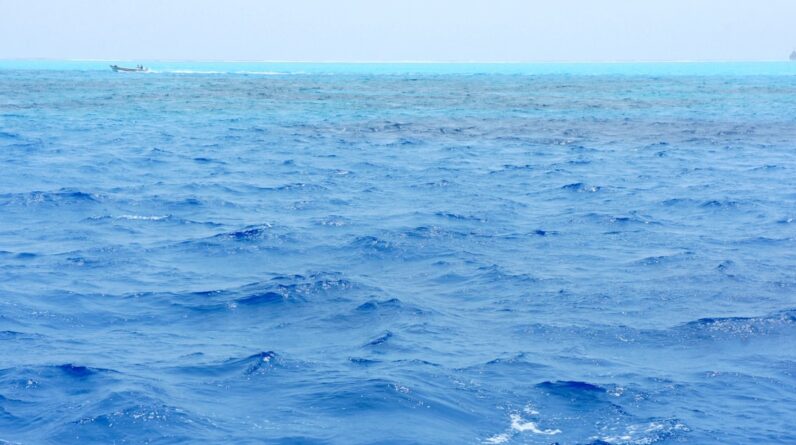
As you gaze out at the vast expanse of the ocean, it may be hard to fathom the intricate balance that sustains life beneath the surface. The oceans, covering over 70% of our planet, are not just a beautiful backdrop; they are vital to the health of the Earth’s ecosystems. However, a troubling phenomenon is unfolding beneath the waves: ocean oxygen loss.
This decline in dissolved oxygen levels is closely intertwined with global warming, creating a precarious situation that threatens marine life and, by extension, human existence. Understanding this relationship is crucial for grasping the broader implications of climate change. The oceans play a pivotal role in regulating the Earth’s climate and supporting biodiversity.
They absorb a significant portion of the carbon dioxide emitted by human activities, acting as a buffer against climate change. Yet, as temperatures rise, the ability of oceans to hold oxygen diminishes, leading to hypoxic conditions—areas where oxygen levels are critically low. This not only endangers marine species but also disrupts the delicate balance of oceanic ecosystems.
As you delve deeper into this issue, you will uncover the complex feedback loops that exacerbate both ocean oxygen loss and global warming, revealing a dire need for immediate action.
Key Takeaways
- Ocean oxygen loss is accelerating due to warming, creating a dangerous feedback loop.
- Marine ecosystems are suffering from oxygen loss, leading to declines in biodiversity and productivity.
- Phytoplankton play a crucial role in oxygen production and carbon sequestration in the ocean.
- Warming contributes to oxygen loss through feedback loop mechanisms, further exacerbating the problem.
- Urgent mitigation strategies are needed to address the feedback loop from hell and prevent catastrophic consequences for global climate.
The Feedback Loop: How Ocean Oxygen Loss Accelerates Warming
You may wonder how ocean oxygen loss can contribute to further warming. The answer lies in a feedback loop that is both alarming and self-perpetuating. When oxygen levels in the ocean decline, it affects the ability of marine organisms to thrive.
Fish and other aquatic life rely on sufficient oxygen for survival; when they struggle, it can lead to decreased biodiversity and altered food webs. This disruption can result in fewer organisms capable of sequestering carbon, which in turn leads to higher concentrations of carbon dioxide in the atmosphere. Moreover, as you consider the implications of this feedback loop, it becomes clear that warmer waters hold even less oxygen.
The rising temperatures caused by climate change not only reduce the solubility of oxygen in seawater but also increase metabolic rates in marine organisms, further depleting oxygen levels. This vicious cycle creates a scenario where warming leads to oxygen loss, which then accelerates warming even more. The interconnectedness of these processes highlights the urgency of addressing both ocean health and climate change simultaneously.
Impacts of Ocean Oxygen Loss on Marine Ecosystems
The consequences of ocean oxygen loss extend far beyond individual species; they ripple through entire marine ecosystems. As you explore these impacts, you will find that hypoxia can lead to dead zones—areas where life is nearly nonexistent due to insufficient oxygen. These dead zones can expand rapidly, threatening fisheries and the livelihoods of communities that depend on them.
The economic ramifications are significant, as declining fish populations can lead to food insecurity and loss of income for millions. In addition to affecting fish populations, ocean oxygen loss disrupts the intricate relationships between species. Predators may find it increasingly difficult to hunt for prey, while prey species may experience population booms or crashes due to altered competition dynamics.
Coral reefs, often referred to as the “rainforests of the sea,” are particularly vulnerable. As you consider the beauty and biodiversity of these ecosystems, it becomes evident that their decline due to hypoxia could lead to irreversible losses in marine life and habitat.
The Role of Phytoplankton in Oxygen Production and Carbon Sequestration
Phytoplankton are microscopic organisms that play a crucial role in ocean health and global climate regulation. As you learn about these tiny powerhouses, you will discover that they are responsible for producing approximately 50% of the Earth’s oxygen through photosynthesis. In addition to generating oxygen, phytoplankton also sequester carbon dioxide from the atmosphere, helping to mitigate climate change.
However, their survival is intricately linked to water temperature and nutrient availability. As ocean temperatures rise and nutrient flows are disrupted by climate change, phytoplankton populations may decline or shift in composition. This shift can have profound implications for both oxygen production and carbon sequestration.
If phytoplankton populations decrease, you can expect a corresponding drop in oxygen levels and an increase in atmospheric carbon dioxide concentrations. This relationship underscores the importance of protecting phytoplankton habitats and ensuring their resilience in the face of climate change.
Feedback Loop Mechanisms: How Warming Contributes to Oxygen Loss
The mechanisms through which warming contributes to ocean oxygen loss are multifaceted and complex. As you delve into this topic, you will find that one significant factor is thermal stratification—the layering of water at different temperatures. Warmer surface waters can create a barrier that prevents mixing with deeper, cooler waters rich in nutrients and oxygen.
This stratification can lead to reduced oxygen replenishment in deeper layers of the ocean, exacerbating hypoxic conditions. Additionally, increased temperatures can lead to more frequent and intense algal blooms. While some algal blooms are harmless or even beneficial, others can produce toxins or consume large amounts of oxygen when they decompose.
As you consider these dynamics, it becomes clear that rising temperatures not only directly impact oxygen levels but also create conditions that further diminish ocean health. The interplay between warming and oxygen loss is a critical area of study for understanding future climate scenarios.
Consequences of Accelerated Warming on Global Climate

The implications of accelerated warming extend far beyond the oceans; they reverberate throughout the entire planet’s climate system. As you reflect on this interconnectedness, consider how changes in oceanic conditions can influence weather patterns, sea levels, and even terrestrial ecosystems. For instance, warmer oceans can lead to more intense storms and altered precipitation patterns, affecting agriculture and freshwater availability.
Moreover, as ocean temperatures rise and ice melts at an alarming rate, you may find yourself contemplating the potential for feedback loops that could further accelerate climate change. The release of methane—a potent greenhouse gas—from thawing permafrost and ocean sediments could create a scenario where warming spirals out of control. This interconnected web of consequences highlights the urgency of addressing both ocean oxygen loss and global warming as intertwined challenges that require immediate action.
Mitigation Strategies for Ocean Oxygen Loss and Warming
As you consider potential solutions to combat ocean oxygen loss and warming, it becomes evident that a multifaceted approach is necessary. One effective strategy involves reducing greenhouse gas emissions through renewable energy sources and energy efficiency measures. By transitioning away from fossil fuels, you can help mitigate climate change and its associated impacts on ocean health.
Additionally, protecting marine ecosystems through sustainable fishing practices and marine protected areas can enhance resilience against hypoxia. Restoring coastal habitats such as mangroves and seagrasses can also play a vital role in improving water quality and providing essential habitats for marine life. As you explore these strategies, remember that individual actions—such as reducing plastic use and supporting conservation efforts—can collectively contribute to a healthier ocean.
The Urgency of Addressing the Feedback Loop from Hell
In conclusion, the relationship between ocean oxygen loss and global warming presents a daunting challenge that requires immediate attention. As you reflect on the complexities of this feedback loop from hell, it becomes clear that addressing these issues is not just an environmental concern; it is a matter of survival for countless species—including humans. The interconnectedness of our planet’s systems means that neglecting one aspect can have dire consequences for all.
The time for action is now. By understanding the mechanisms at play and advocating for sustainable practices, you can contribute to a collective effort aimed at preserving our oceans and mitigating climate change. The stakes are high, but with concerted action and awareness, there is hope for a healthier planet where both marine ecosystems and human communities can thrive together.
If you are interested in learning more about the benefits of planting trees for combating climate change, check out this article on combatting global warming by massive tree planting. It discusses how planting trees can help reduce carbon dioxide levels in the atmosphere and mitigate the effects of climate change. This article provides valuable insights into the positive impact that tree planting can have on our environment and the importance of taking action to address global warming.
FAQs
What is the feedback loop from hell?
The feedback loop from hell refers to a self-reinforcing cycle in which ocean oxygen loss accelerates global warming, which in turn further depletes ocean oxygen levels.
How does ocean oxygen loss accelerate warming?
Ocean oxygen loss accelerates warming through a process called ocean deoxygenation. As oxygen levels in the ocean decrease, it can lead to the release of nitrous oxide and methane, both potent greenhouse gases that contribute to global warming.
What are the causes of ocean oxygen loss?
The main causes of ocean oxygen loss include climate change, nutrient runoff from agriculture, and pollution from human activities. These factors can lead to increased algal blooms and dead zones, which deplete oxygen levels in the ocean.
What are the consequences of the feedback loop from hell?
The consequences of the feedback loop from hell include further exacerbation of global warming, impacts on marine ecosystems and biodiversity, and potential disruptions to fisheries and coastal economies.
What can be done to break the feedback loop from hell?
To break the feedback loop from hell, it is crucial to address the root causes of ocean oxygen loss, such as reducing greenhouse gas emissions, improving agricultural practices to minimize nutrient runoff, and implementing policies to reduce pollution in the ocean. Additionally, protecting and restoring marine ecosystems can help mitigate the impacts of ocean oxygen loss.