When you think about the ocean, you might picture vast blue waters teeming with life, but what you may not realize is that these waters are also vital for the air you breathe. The ocean is responsible for producing approximately 50% of the Earth’s oxygen, primarily through the process of photosynthesis carried out by phytoplankton, seaweed, and other marine plants. These microscopic organisms absorb carbon dioxide and release oxygen, playing a crucial role in maintaining the balance of gases in our atmosphere.
Without this natural process, the air would become increasingly unbreathable, leading to dire consequences for all living organisms. Moreover, the ocean’s oxygen production is not just essential for sustaining life on Earth; it also plays a significant role in regulating the planet’s climate. The oxygen generated by marine plants helps to mitigate the effects of climate change by absorbing carbon dioxide, a greenhouse gas that contributes to global warming.
As you consider the interconnectedness of life on Earth, it becomes clear that protecting ocean oxygen production is not merely an environmental issue; it is a matter of survival for humanity and countless other species.
Key Takeaways
- Ocean oxygen production is crucial for supporting marine life and regulating the Earth’s climate.
- Threats to ocean oxygen levels include pollution, overfishing, and climate change, which can lead to oxygen-deprived “dead zones.”
- Scientists play a vital role in monitoring and studying ocean oxygen levels to understand the impact of human activities and natural processes.
- Innovative solutions for protecting ocean oxygen production include sustainable fishing practices, reducing nutrient pollution, and implementing marine protected areas.
- Collaborations and partnerships are essential for effective ocean conservation efforts, involving governments, NGOs, and local communities.
The Threats to Ocean Oxygen Levels
Unfortunately, the ocean’s ability to produce oxygen is under threat from various human activities and environmental changes. One of the most pressing issues is nutrient pollution, which occurs when excess fertilizers and waste runoff enter the ocean. This influx of nutrients can lead to algal blooms, which may initially seem beneficial as they increase oxygen production.
However, when these blooms die off, they decompose and consume vast amounts of oxygen in the process, creating “dead zones” where marine life cannot survive. As you can imagine, this cycle disrupts the delicate balance of marine ecosystems and diminishes the ocean’s capacity to produce oxygen. Additionally, climate change poses a significant threat to ocean oxygen levels.
Rising sea temperatures can lead to decreased solubility of oxygen in water, meaning that warmer waters hold less oxygen than cooler ones. This phenomenon can exacerbate existing problems like hypoxia, where oxygen levels drop to critically low levels, endangering fish and other marine organisms. As you reflect on these challenges, it becomes evident that immediate action is necessary to address the factors contributing to declining ocean oxygen levels.
The Role of Scientists in Monitoring and Studying Ocean Oxygen Levels

Scientists play a pivotal role in understanding and monitoring ocean oxygen levels. Through extensive research and data collection, they are able to track changes in oxygen concentrations and identify trends that may indicate larger environmental issues. By deploying advanced technologies such as autonomous underwater vehicles and satellite imaging, researchers can gather real-time data on ocean conditions, providing valuable insights into how various factors affect oxygen production.
Moreover, scientists are not only focused on monitoring but also on developing models to predict future changes in ocean oxygen levels. These models take into account various variables, including climate change scenarios and human impacts on marine ecosystems. By understanding these dynamics, scientists can inform policymakers and conservationists about potential risks and necessary interventions.
As you consider the importance of scientific research in this field, it becomes clear that their work is essential for safeguarding the future of ocean oxygen production.
Innovative Solutions for Protecting Ocean Oxygen Production
In light of the challenges facing ocean oxygen production, innovative solutions are emerging to help protect this vital resource. One promising approach involves restoring coastal ecosystems such as mangroves, seagrasses, and salt marshes. These habitats not only provide critical nursery grounds for marine life but also enhance oxygen production through their photosynthetic processes.
By investing in restoration projects, communities can help bolster the natural systems that contribute to ocean health. Another innovative solution lies in sustainable agricultural practices that reduce nutrient runoff into waterways. Techniques such as precision farming, cover cropping, and organic farming can minimize the use of chemical fertilizers while maintaining crop yields.
By adopting these practices, farmers can play a crucial role in protecting ocean ecosystems and ensuring that they continue to produce oxygen effectively. As you explore these solutions, it becomes evident that collaboration between various sectors—agriculture, conservation, and science—is essential for creating a sustainable future for our oceans.
Collaborations and Partnerships in Ocean Conservation Efforts
Collaboration is key when it comes to addressing the complex challenges facing ocean oxygen production. Various organizations, governments, and research institutions are coming together to form partnerships aimed at conserving marine ecosystems. These collaborations often involve sharing data, resources, and expertise to develop comprehensive strategies for protecting ocean health.
For instance, international initiatives like the United Nations’ Sustainable Development Goals emphasize the importance of partnerships in achieving environmental sustainability. By working together across borders and sectors, stakeholders can implement effective conservation measures that benefit both local communities and global ecosystems. As you consider the power of collaboration in ocean conservation efforts, it becomes clear that collective action is essential for making meaningful progress in protecting our oceans.
The Impact of Climate Change on Ocean Oxygen Levels
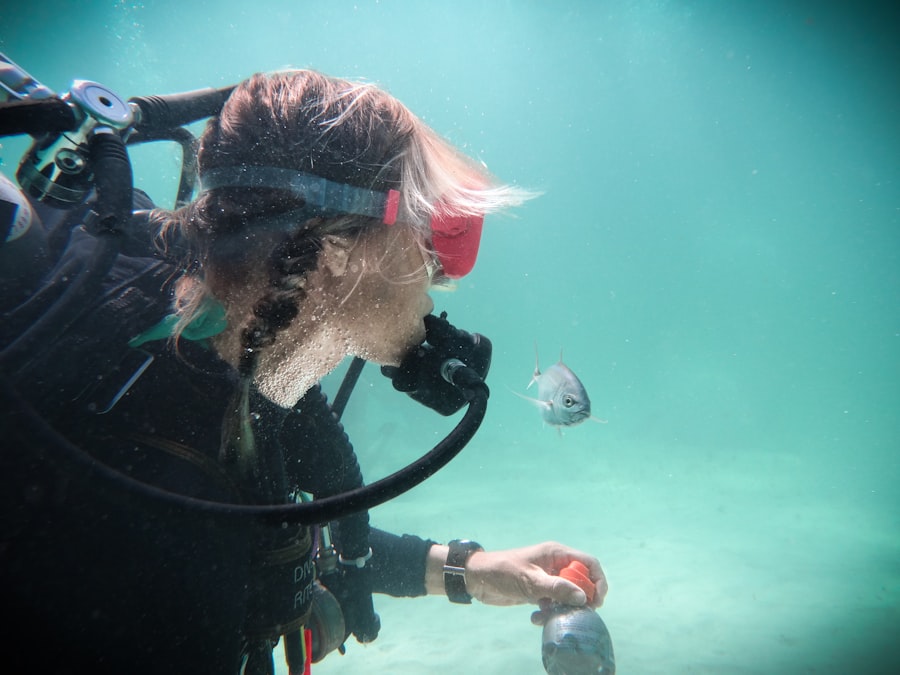
Climate change is one of the most significant threats to ocean oxygen levels today. As global temperatures rise due to increased greenhouse gas emissions, oceans are experiencing a range of changes that directly impact their ability to produce oxygen. Warmer waters not only hold less dissolved oxygen but also affect marine life that relies on specific temperature ranges for survival.
This disruption can lead to shifts in species distribution and altered food webs, further complicating the dynamics of ocean ecosystems. Additionally, climate change contributes to ocean acidification as increased carbon dioxide levels are absorbed by seawater. This process can harm calcifying organisms such as corals and shellfish, which play a role in maintaining healthy marine environments.
As you contemplate the far-reaching effects of climate change on ocean health, it becomes evident that urgent action is needed to mitigate its impacts and protect the vital processes that sustain life on Earth.
The Future of Ocean Oxygen Production and Conservation Efforts
Looking ahead, the future of ocean oxygen production hinges on our collective ability to address current challenges and implement effective conservation strategies. As awareness grows about the importance of healthy oceans for sustaining life on Earth, more individuals and organizations are stepping up to advocate for change. This shift in mindset is crucial for fostering a culture of stewardship that prioritizes the protection of marine ecosystems.
Innovative technologies will also play a significant role in shaping the future of ocean conservation efforts. From advanced monitoring systems that provide real-time data on ocean conditions to biotechnological advancements aimed at enhancing photosynthetic efficiency in marine plants, these innovations hold promise for improving our understanding and management of ocean health. As you consider what lies ahead for ocean oxygen production, it becomes clear that a combination of scientific research, community engagement, and technological innovation will be essential for ensuring a sustainable future.
How Individuals Can Contribute to Saving Ocean Oxygen Production
While large-scale efforts are crucial for protecting ocean oxygen production, individual actions can also make a significant impact. You can start by educating yourself about the issues facing our oceans and sharing this knowledge with others. Awareness is a powerful tool for driving change; when more people understand the importance of healthy oceans, they are more likely to take action.
Additionally, consider making lifestyle choices that support ocean health. Reducing plastic consumption, supporting sustainable seafood practices, and advocating for policies that protect marine environments are all ways you can contribute to preserving ocean ecosystems. By participating in local clean-up events or supporting organizations dedicated to marine conservation, you can play an active role in safeguarding the vital processes that produce oxygen in our oceans.
As you reflect on your own capacity for change, remember that every small action counts toward creating a healthier planet for future generations.
Meet the Scientists Dedicated to Saving Ocean Oxygen Production highlights the crucial work being done to protect our oceans and combat climate change. For more information on how individuals can make a positive impact on the environment, check out Combatting Global Warming by Massive Tree Planting. This article discusses the importance of reforestation efforts in mitigating the effects of global warming and preserving our planet for future generations.
FAQs
What is ocean oxygen production?
Ocean oxygen production refers to the process by which marine plants, particularly phytoplankton, produce oxygen through photosynthesis. This oxygen is essential for the survival of marine life and also contributes to the overall oxygen levels in the Earth’s atmosphere.
Why is ocean oxygen production important?
Ocean oxygen production is crucial for the survival of marine organisms and the overall health of the planet. It supports the marine food web, influences ocean circulation patterns, and contributes to the regulation of global climate.
What are the threats to ocean oxygen production?
Threats to ocean oxygen production include climate change, ocean acidification, pollution, and overfishing. These factors can disrupt the balance of marine ecosystems and impact the ability of marine plants to produce oxygen.
Who are the scientists dedicated to saving ocean oxygen production?
There are numerous scientists and researchers around the world who are dedicated to studying and addressing the threats to ocean oxygen production. These individuals work in various fields such as marine biology, oceanography, and environmental science.
What are some strategies for saving ocean oxygen production?
Strategies for saving ocean oxygen production include reducing carbon emissions, protecting marine habitats, promoting sustainable fishing practices, and implementing measures to reduce pollution in the oceans. Additionally, research and monitoring efforts are important for understanding the impacts of human activities on ocean oxygen production.