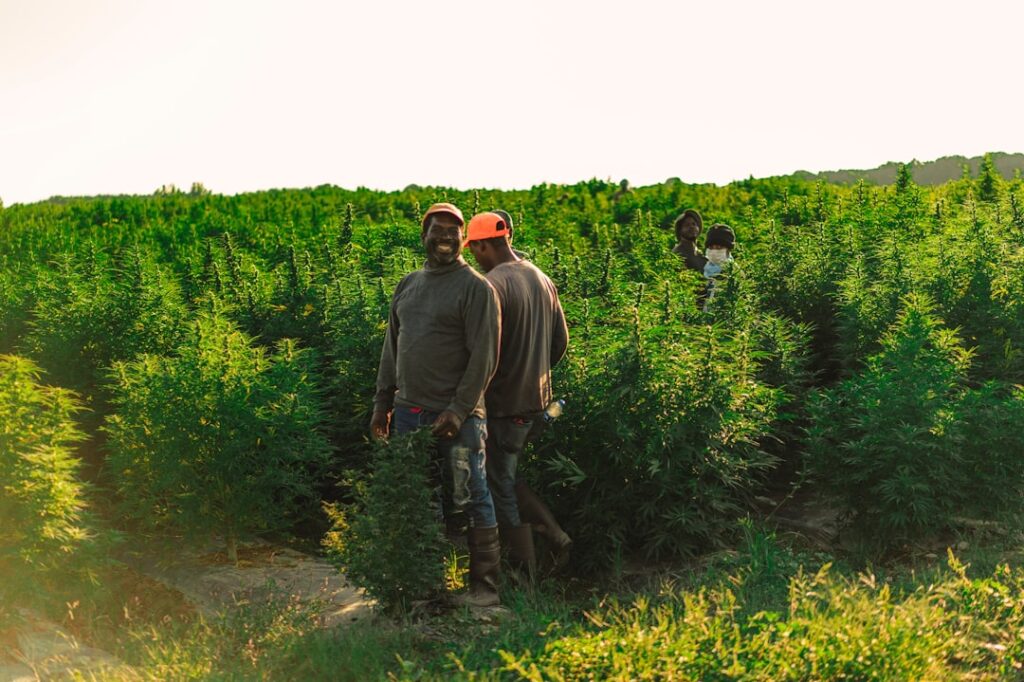
Reforestation plays a crucial role in combating climate change and restoring ecological balance. As you may know, forests act as carbon sinks, absorbing carbon dioxide from the atmosphere and helping to mitigate the effects of global warming. When trees are cut down or destroyed, not only is this carbon storage capacity lost, but the release of stored carbon back into the atmosphere exacerbates climate issues.
By reforesting areas that have been deforested or degraded, you contribute to a healthier planet, promoting biodiversity and stabilizing ecosystems. Moreover, reforestation has significant social and economic benefits. Forests provide livelihoods for millions of people around the world, offering resources such as timber, food, and medicinal plants.
By investing in reforestation efforts, you can help create jobs in local communities, fostering sustainable development. Additionally, healthy forests contribute to clean air and water, which are essential for human health. The importance of reforestation extends beyond environmental concerns; it is intertwined with social equity and economic stability.
Key Takeaways
- Reforestation is crucial for combating climate change, preserving biodiversity, and restoring ecosystem services.
- Understanding the basics of reforestation involves knowledge of soil, climate, and the specific needs of tree species.
- Choosing the right tree species for reforestation requires consideration of local conditions, ecological function, and long-term sustainability.
- The process of reforestation involves site preparation, planting, and post-planting care to ensure successful establishment.
- Reforestation techniques and best practices include natural regeneration, assisted natural regeneration, and tree planting to maximize success and ecological benefits.
Understanding the Basics of Reforestation
To engage effectively in reforestation, it is essential to understand its fundamental principles. At its core, reforestation involves planting trees in areas where forests have been depleted or damaged. This process can take various forms, from large-scale government initiatives to grassroots community projects.
You might find it interesting that reforestation is not merely about planting trees; it also encompasses restoring the entire ecosystem, including soil health and wildlife habitats. Another critical aspect of reforestation is recognizing the difference between afforestation and reforestation. While reforestation refers specifically to the replanting of trees in previously forested areas, afforestation involves planting trees in areas that have never been forested.
Understanding these distinctions can help you appreciate the various strategies employed in forest restoration efforts and their respective ecological impacts.
Choosing the Right Tree Species for Reforestation
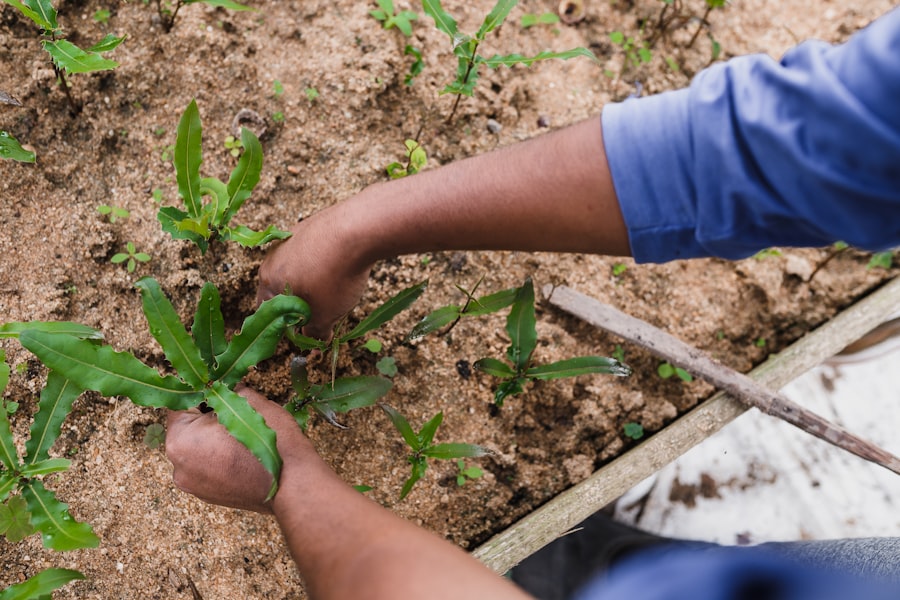
Selecting the appropriate tree species is vital for successful reforestation. You must consider several factors when making this decision, including the local climate, soil type, and existing flora and fauna. Native species are often the best choice because they are adapted to the local environment and support local wildlife.
By choosing native trees, you can enhance biodiversity and ensure that your reforestation efforts contribute positively to the ecosystem. In addition to native species, you should also consider the purpose of your reforestation project. Are you aiming to restore a habitat for wildlife, improve soil quality, or provide timber resources?
Each goal may require different tree species or combinations thereof. Engaging with local experts or organizations can provide valuable insights into which species will thrive in your chosen area and how they will interact with existing ecosystems.
The Process of Reforestation
The reforestation process typically begins with site assessment and preparation. You need to evaluate the land’s condition, including soil quality, existing vegetation, and potential threats such as invasive species or pests. This assessment will guide your decisions on how to prepare the site for planting.
You may need to clear debris, amend the soil, or implement erosion control measures to create a suitable environment for young trees. Once the site is prepared, you can move on to planting. This stage involves selecting the right planting techniques based on the tree species and site conditions.
For instance, some trees may require specific spacing or planting depths to thrive. After planting, ongoing care is essential to ensure the young trees establish themselves successfully. This may include watering, mulching, and monitoring for pests or diseases.
Your commitment during this phase can significantly influence the long-term success of your reforestation efforts.
Reforestation Techniques and Best Practices
There are various techniques and best practices that can enhance the effectiveness of your reforestation project. One popular method is using mixed-species planting, which involves planting a variety of tree species together rather than monocultures. This approach promotes biodiversity and resilience against pests and diseases while creating a more stable ecosystem.
Another effective technique is agroforestry, which integrates trees with agricultural practices. By combining tree planting with crop cultivation or livestock grazing, you can create a sustainable land-use system that benefits both agriculture and forestry. This method not only improves soil health but also provides additional income sources for local communities.
As you explore these techniques, consider how they align with your goals and the specific needs of your chosen site.
The Role of Community Engagement in Reforestation
Community engagement is a cornerstone of successful reforestation initiatives. When local communities are involved in planning and implementing projects, they are more likely to take ownership of the outcomes. You can foster this engagement by organizing workshops or informational sessions that educate community members about the benefits of reforestation and how they can contribute.
Involving local stakeholders also helps ensure that reforestation efforts align with community needs and values. For example, if a community relies on a specific area for agriculture or recreation, understanding these dynamics can inform your approach to tree planting. By working collaboratively with local residents, you can create a sense of shared purpose that enhances the sustainability of your project.
Monitoring and Evaluating Reforestation Projects
Monitoring and evaluation are critical components of any reforestation project. You need to establish clear metrics for success early on so that you can assess progress over time. This may include tracking tree survival rates, growth patterns, and biodiversity indicators within the restored area.
Regular monitoring allows you to identify challenges early on and make necessary adjustments to your management practices. Additionally, sharing your findings with stakeholders can foster transparency and build trust within the community. By demonstrating the positive impacts of your reforestation efforts—such as improved air quality or increased wildlife populations—you can inspire further participation and support for future initiatives.
Evaluation not only helps you learn from your experiences but also contributes to a broader understanding of effective reforestation practices.
The Future of Reforestation: Challenges and Opportunities
As you look toward the future of reforestation, it is essential to recognize both the challenges and opportunities that lie ahead. Climate change poses significant threats to forest ecosystems, including increased frequency of wildfires, pests, and diseases that can undermine reforestation efforts. Adapting to these changes will require innovative approaches and ongoing research into resilient tree species and management practices.
On the other hand, there is a growing global awareness of the importance of forests in addressing climate change and promoting sustainability. This awareness has led to increased funding for reforestation projects from governments, NGOs, and private sectors alike. You have an opportunity to leverage this momentum by advocating for policies that support sustainable forestry practices and engaging in community-driven initiatives that prioritize ecological restoration.
In conclusion, reforestation is not just an environmental necessity; it is a multifaceted endeavor that encompasses social equity, economic development, and community engagement. By understanding its importance and actively participating in reforestation efforts, you can contribute to a healthier planet for future generations while fostering resilience within local communities. The journey may be challenging, but the rewards—both ecological and social—are well worth the effort.
If you are interested in learning more about how trees can help combat global warming, check out the article How Can Trees Save the Earth from Global Warming? It delves into the important role that trees play in sequestering carbon dioxide and reducing greenhouse gas emissions. Additionally, if you want to understand the connection between planting trees and combating deforestation, be sure to read How Does Planting Trees Help Deforestation? This article explores how reforestation efforts can help restore ecosystems and protect biodiversity. And for tips on preventing forest fires and preserving trees and wildlife, don’t miss Stop Forest Burning: Save Trees and Animals.
FAQs
What is reforestation?
Reforestation is the process of planting trees in areas where forests have been depleted or destroyed. It is done to restore the ecological balance, improve air quality, and provide habitat for wildlife.
Why is reforestation important?
Reforestation is important for several reasons. It helps to combat climate change by absorbing carbon dioxide, it prevents soil erosion, it provides habitat for wildlife, and it improves air and water quality.
How is reforestation carried out?
Reforestation can be carried out through natural regeneration, where trees are allowed to grow back on their own, or through tree planting initiatives where trees are planted by hand or using machinery.
What are the benefits of reforestation?
Reforestation has numerous benefits, including mitigating climate change, providing habitat for wildlife, improving air and water quality, preventing soil erosion, and supporting local economies through sustainable forestry practices.
Where does reforestation take place?
Reforestation can take place in a variety of locations, including deforested areas, degraded lands, urban areas, and along riverbanks and coastlines. It can also be part of agroforestry and sustainable forestry practices.