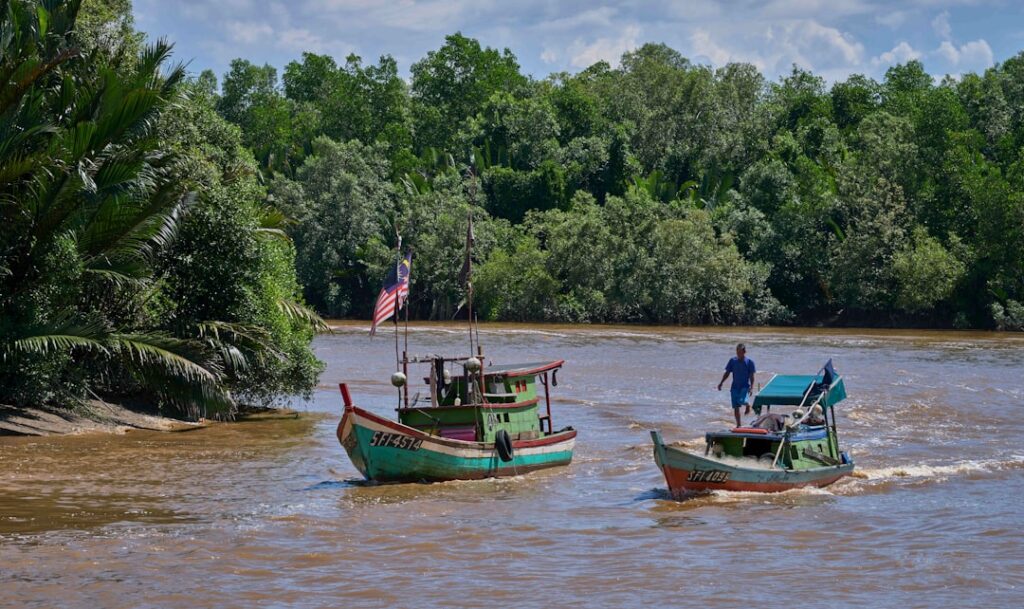
Coastal wetlands are unique ecosystems that lie at the interface between land and sea, characterized by their saturated soils and diverse plant and animal life. These areas, which include marshes, mangroves, and estuaries, play a crucial role in maintaining ecological balance and supporting biodiversity. As you explore the intricate dynamics of these environments, you will discover how they serve as vital habitats for countless species, including fish, birds, and invertebrates.
The rich biodiversity found in coastal wetlands is not only essential for the survival of these organisms but also contributes to the overall health of our planet. As you delve deeper into the significance of coastal wetlands, you will find that they are more than just beautiful landscapes. They act as natural filters, improving water quality by trapping pollutants and sediments before they reach the open ocean.
Additionally, these ecosystems provide critical services such as flood protection, carbon sequestration, and recreational opportunities for communities. Understanding the multifaceted roles of coastal wetlands is essential for appreciating their value and advocating for their preservation in the face of growing environmental challenges.
Key Takeaways
- Coastal wetlands are vital ecosystems that provide a wide range of ecological, economic, and social benefits.
- Coastal wetlands act as natural buffer zones, protecting coastal areas from erosion, storm surges, and flooding.
- Coastal wetlands play a crucial role in enhancing ocean oxygen levels through the production and release of oxygen during photosynthesis.
- Factors threatening coastal wetlands include pollution, habitat destruction, climate change, and sea level rise.
- Conservation and restoration efforts for coastal wetlands are essential for preserving their ecological functions and ensuring sustainable use of their resources.
Importance of Coastal Wetlands as Buffer Zones
Coastal wetlands serve as vital buffer zones that protect inland areas from the impacts of storms, flooding, and erosion. When you consider the increasing frequency and intensity of extreme weather events due to climate change, the importance of these natural barriers becomes even more apparent. The dense vegetation found in wetlands absorbs wave energy and reduces the force of storm surges, thereby safeguarding coastal communities and infrastructure.
By acting as a sponge during heavy rainfall, wetlands also help to mitigate flooding by absorbing excess water and releasing it slowly over time. Moreover, these ecosystems play a crucial role in maintaining water quality. As you observe the intricate interactions within coastal wetlands, you will notice how they filter out pollutants and excess nutrients from runoff before they can reach open waters.
This natural filtration process not only protects marine life but also enhances the overall health of coastal ecosystems. By serving as buffer zones, coastal wetlands contribute to the resilience of both human communities and natural habitats, making their conservation a priority in the face of environmental degradation.
Role of Coastal Wetlands in Enhancing Ocean Oxygen
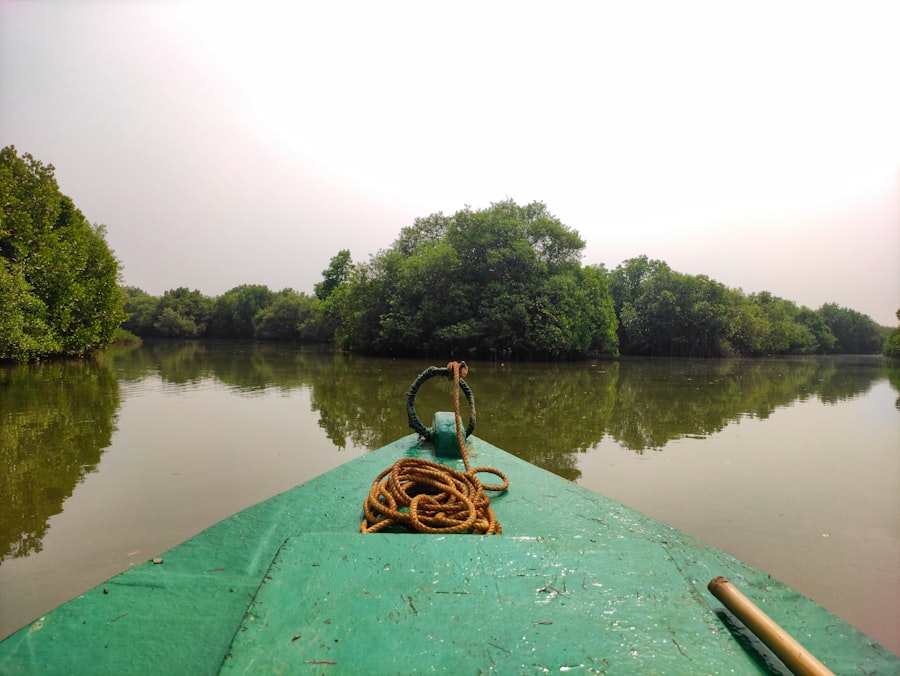
The health of our oceans is intricately linked to the well-being of coastal wetlands. As you explore this connection, you will find that these ecosystems play a significant role in enhancing ocean oxygen levels through various biological processes. One of the primary ways this occurs is through photosynthesis carried out by wetland vegetation.
Plants such as seagrasses and mangroves absorb carbon dioxide and release oxygen into the atmosphere, contributing to the overall oxygen supply in adjacent marine environments. Additionally, coastal wetlands support a diverse array of microorganisms that contribute to nutrient cycling and organic matter decomposition. As these microorganisms break down organic material, they release oxygen as a byproduct, further enriching the surrounding waters.
This process is vital for maintaining healthy marine ecosystems, as oxygen is essential for the survival of fish and other aquatic organisms. By fostering conditions that promote oxygen production, coastal wetlands play an indispensable role in sustaining ocean health and supporting marine biodiversity.
Factors Threatening Coastal Wetlands
Despite their importance, coastal wetlands face numerous threats that jeopardize their existence and functionality. As you examine these challenges, you will find that human activities are often at the forefront of these threats. Urban development, agriculture, and industrialization have led to significant habitat loss and degradation.
The draining of wetlands for land conversion not only diminishes their ecological value but also increases vulnerability to flooding and erosion in surrounding areas. Climate change poses another significant threat to coastal wetlands. Rising sea levels inundate low-lying areas, leading to saltwater intrusion that can alter plant communities and disrupt local ecosystems.
Additionally, increased storm intensity can result in more frequent and severe damage to wetland habitats. As you consider these factors, it becomes clear that a multifaceted approach is necessary to address the myriad challenges facing coastal wetlands and ensure their continued survival.
Conservation and Restoration Efforts for Coastal Wetlands
In response to the threats facing coastal wetlands, various conservation and restoration efforts have emerged worldwide. As you explore these initiatives, you will discover that they often involve collaboration among government agencies, non-profit organizations, and local communities. One effective strategy is the establishment of protected areas that safeguard critical wetland habitats from development and degradation.
These protected zones not only preserve biodiversity but also provide opportunities for research and education about the importance of wetlands. Restoration projects are also gaining momentum as a means to rehabilitate degraded wetland areas. Techniques such as replanting native vegetation, restoring hydrology, and removing invasive species are commonly employed to revive these ecosystems.
As you learn about successful restoration efforts, you will find inspiring examples of how communities have come together to restore their local wetlands, enhancing both ecological health and community resilience.
Economic and Ecological Benefits of Coastal Wetlands
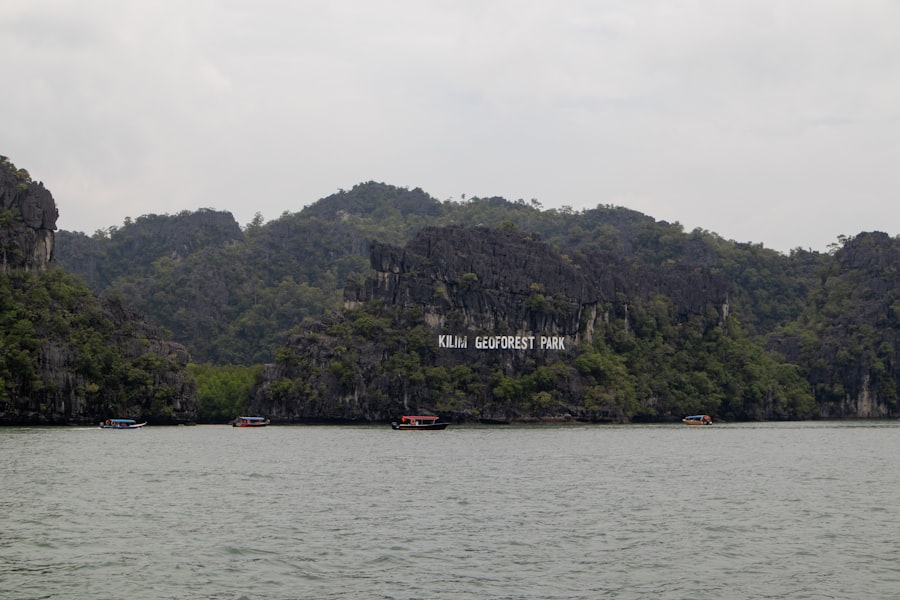
The economic benefits of coastal wetlands are often overlooked but are equally important as their ecological contributions. As you consider the various services provided by these ecosystems, you will find that they support local economies through fisheries, tourism, and recreation. Healthy wetlands provide essential nursery habitats for commercially important fish species, ensuring sustainable fisheries that benefit local communities.
Additionally, ecotourism opportunities in pristine wetland areas attract visitors seeking outdoor experiences, generating revenue for local businesses. Ecologically, coastal wetlands are invaluable for their role in carbon sequestration. By capturing carbon dioxide from the atmosphere and storing it in plant biomass and soil, these ecosystems help mitigate climate change impacts.
Furthermore, they enhance biodiversity by providing critical habitats for numerous species. As you reflect on these benefits, it becomes evident that investing in the conservation and restoration of coastal wetlands is not only an environmental imperative but also an economic opportunity.
Case Studies of Successful Coastal Wetland Conservation
Examining successful case studies can provide valuable insights into effective coastal wetland conservation strategies. One notable example is the restoration of the Louisiana coastal wetlands in the United States. Following decades of land loss due to oil extraction, levee construction, and hurricanes, extensive restoration efforts have been initiated to rebuild marshes and restore natural hydrology.
These projects have involved community engagement and collaboration among various stakeholders, resulting in significant improvements in wetland health and resilience. Another inspiring case is found in the Sundarbans mangrove forest in India and Bangladesh. Recognized as a UNESCO World Heritage Site, this vast mangrove ecosystem has been the focus of conservation efforts aimed at protecting its unique biodiversity while supporting local livelihoods.
Initiatives such as community-based conservation programs have empowered local residents to engage in sustainable practices that benefit both the environment and their economic well-being. These case studies highlight the potential for successful conservation efforts when communities come together with a shared vision for protecting their natural resources.
Future Outlook for Coastal Wetlands and Ocean Oxygen Levels
As you look toward the future of coastal wetlands and their role in enhancing ocean oxygen levels, it is essential to remain optimistic yet vigilant. The ongoing threats posed by climate change and human activities necessitate proactive measures to protect these vital ecosystems. Continued research into the functions of coastal wetlands will be crucial for understanding their contributions to ocean health and developing effective management strategies.
Moreover, fostering public awareness about the importance of coastal wetlands can drive grassroots movements advocating for their protection. By engaging communities in conservation efforts and promoting sustainable practices, we can work together to ensure that these ecosystems thrive for generations to come. The future outlook for coastal wetlands is intertwined with our collective actions; by prioritizing their conservation today, we can secure a healthier ocean environment tomorrow.
Coastal wetlands play a crucial role in enhancing ocean oxygen levels, but they are not the only natural ecosystems that can help combat global warming. Massive tree planting initiatives have also been shown to be effective in reducing carbon dioxide levels in the atmosphere. In a related article on combatting global warming through tree planting, it discusses the importance of reforestation efforts in mitigating the effects of climate change. By planting trees on a large scale, we can help absorb excess carbon dioxide and create healthier ecosystems for both humans and wildlife. To learn more about this important cause, visit here.
FAQs
What are coastal wetlands?
Coastal wetlands are areas of land that are saturated with water, either permanently or seasonally, and are located at the interface between land and ocean.
What role do coastal wetlands play in enhancing ocean oxygen?
Coastal wetlands act as buffer zones that filter and trap pollutants, preventing them from entering the ocean. This helps to maintain the overall health of the ocean and enhances oxygen levels.
How do coastal wetlands contribute to biodiversity?
Coastal wetlands provide important habitats for a wide variety of plant and animal species, contributing to overall biodiversity. They also serve as nurseries for many marine species.
What are some threats to coastal wetlands?
Coastal wetlands are threatened by factors such as pollution, habitat destruction, and climate change. These threats can have negative impacts on the health and functioning of coastal wetland ecosystems.
How can coastal wetlands be protected and preserved?
Efforts to protect and preserve coastal wetlands include implementing regulations to limit pollution and habitat destruction, restoring degraded wetlands, and raising awareness about the importance of these ecosystems.