
Reforestation plays a crucial role in the fight against climate change, serving as a natural solution to one of the most pressing issues of our time. As you may know, forests act as carbon sinks, absorbing carbon dioxide from the atmosphere and storing it in their biomass and soil. This process is vital for mitigating the effects of climate change, as it helps to reduce the concentration of greenhouse gases that contribute to global warming.
By restoring degraded forests and planting new trees, you can help to enhance this natural carbon sequestration process, making a significant impact on the planet’s health. Moreover, reforestation contributes to biodiversity conservation. Forests are home to countless species of plants and animals, many of which are threatened by habitat loss due to deforestation and land-use changes.
By reforesting areas that have been stripped of their trees, you not only help to restore ecosystems but also provide a habitat for wildlife. This restoration of biodiversity is essential for maintaining ecological balance and resilience, which is increasingly important as climate change continues to alter habitats and threaten species survival.
Key Takeaways
- Reforestation plays a crucial role in combating climate change by absorbing carbon dioxide and releasing oxygen, helping to mitigate the effects of global warming.
- The Paris Agreement recognizes the importance of reforestation in reducing greenhouse gas emissions and sets targets for countries to increase their forest cover and restore degraded lands.
- Reforestation is an effective tool for carbon sequestration, as trees and plants absorb and store carbon from the atmosphere, helping to reduce the concentration of greenhouse gases.
- Reforestation brings economic and social benefits, such as creating jobs, restoring ecosystems, and providing resources for local communities, while also improving air and water quality.
- Despite the benefits, successful reforestation efforts face challenges such as deforestation, land degradation, lack of funding, and limited technical expertise, which need to be addressed for long-term success.
The Role of Reforestation in the Paris Agreement
The Paris Agreement, adopted in 2015, represents a global commitment to combat climate change and limit global warming to well below 2 degrees Celsius. Within this framework, reforestation is recognized as a key strategy for achieving national climate goals. As you engage with the implications of this agreement, it becomes clear that countries are encouraged to incorporate reforestation into their climate action plans.
By doing so, nations can enhance their carbon sinks and contribute to the collective effort to reduce greenhouse gas emissions. In addition to its role in carbon reduction, reforestation also supports sustainable development goals outlined in the Paris Agreement. By promoting reforestation initiatives, countries can create jobs, improve livelihoods, and foster community resilience.
This multifaceted approach not only addresses climate change but also aligns with broader social and economic objectives. As you consider the interconnectedness of these issues, it becomes evident that reforestation is not merely an environmental concern; it is a vital component of global sustainability efforts.
Reforestation as a Tool for Carbon Sequestration

When you think about carbon sequestration, reforestation emerges as one of the most effective natural methods available. Trees absorb carbon dioxide during photosynthesis, storing carbon in their trunks, branches, leaves, and roots. This process not only helps to mitigate climate change but also enhances soil quality and promotes water retention.
As you delve deeper into the science behind reforestation, you’ll discover that mature forests can sequester significant amounts of carbon over their lifetimes, making them invaluable allies in the battle against rising atmospheric CO2 levels. Furthermore, reforestation can be strategically implemented in various landscapes to maximize its carbon sequestration potential. For instance, agroforestry practices integrate trees into agricultural systems, allowing for both food production and carbon storage.
This dual benefit not only supports farmers’ livelihoods but also contributes to climate resilience by improving soil health and reducing erosion. As you explore these innovative approaches, you’ll see how reforestation can be tailored to meet local needs while simultaneously addressing global climate challenges.
The Economic and Social Benefits of Reforestation
Reforestation is not just an environmental imperative; it also brings substantial economic and social benefits that can transform communities. When you invest in reforestation projects, you create job opportunities in areas such as tree planting, forest management, and ecotourism. These jobs can provide stable incomes for local populations, particularly in rural areas where employment options may be limited.
As you consider the potential for economic growth through reforestation, it becomes clear that these initiatives can foster sustainable development while addressing pressing environmental issues. In addition to economic benefits, reforestation has profound social implications. Restoring forests can enhance community well-being by improving air and water quality, reducing soil erosion, and providing recreational spaces.
You may find that communities engaged in reforestation efforts often experience a renewed sense of pride and ownership over their natural resources. This empowerment fosters social cohesion and encourages collective action toward environmental stewardship. As you reflect on these social dimensions, it becomes evident that reforestation is a pathway to building resilient communities capable of adapting to the challenges posed by climate change.
Challenges and Barriers to Successful Reforestation Efforts
Despite the numerous benefits associated with reforestation, several challenges and barriers can hinder successful implementation. One significant obstacle is the availability of funding and resources. Many reforestation projects require substantial financial investment for land preparation, tree planting, and ongoing maintenance.
As you consider the complexities of funding these initiatives, you’ll recognize that securing support from governments, NGOs, and private sectors is essential for overcoming this hurdle. Another challenge lies in ensuring the ecological suitability of reforested areas. Planting non-native species or failing to consider local ecosystems can lead to unintended consequences, such as reduced biodiversity or increased vulnerability to pests and diseases.
As you engage with these ecological considerations, it becomes clear that successful reforestation requires careful planning and collaboration with local communities and experts. By prioritizing native species and involving stakeholders in decision-making processes, you can help ensure that reforestation efforts are both effective and sustainable.
Successful Reforestation Initiatives Around the World
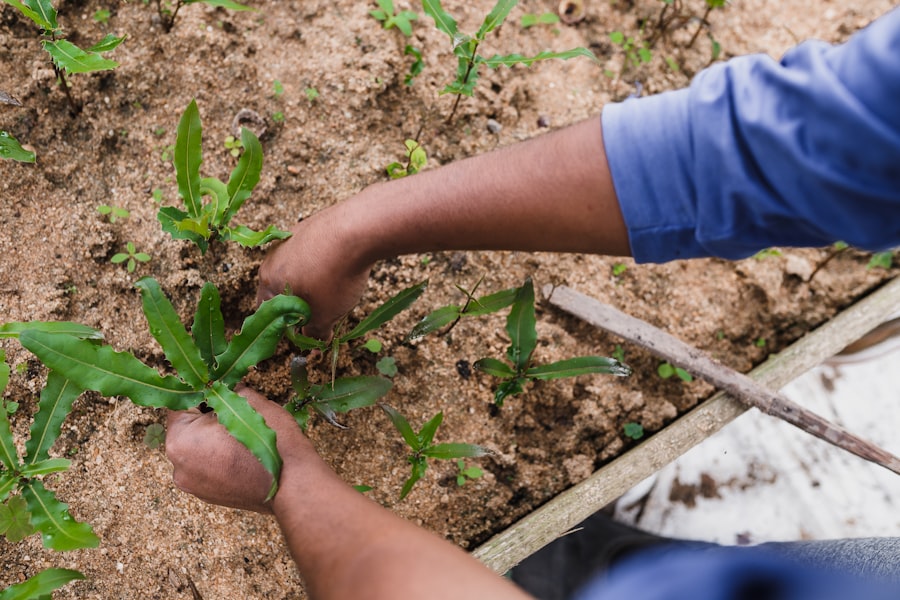
Around the globe, numerous successful reforestation initiatives serve as inspiring examples of what can be achieved through collective action and commitment. One notable project is the Bonn Challenge, which aims to restore 150 million hectares of deforested and degraded land by 2020. As you explore this initiative, you’ll find that it has mobilized countries and organizations worldwide to commit to large-scale restoration efforts.
The Bonn Challenge exemplifies how international collaboration can amplify local actions and drive meaningful change. Another remarkable example is Ethiopia’s Green Legacy Initiative, which set an ambitious goal of planting 4 billion trees in a single year. This initiative not only focused on tree planting but also emphasized community involvement and education about sustainable land management practices.
As you learn about Ethiopia’s success in mobilizing millions of citizens to participate in this effort, you’ll see how grassroots engagement can lead to significant environmental impact while fostering a sense of ownership among communities.
The Role of Technology and Innovation in Reforestation
In today’s rapidly evolving world, technology plays an increasingly vital role in enhancing reforestation efforts. Innovations such as drone technology are revolutionizing how trees are planted and monitored. Drones can efficiently survey large areas of land, identify suitable sites for planting, and even assist in seed dispersal.
As you consider the implications of these advancements, you’ll recognize that technology can streamline processes and improve the effectiveness of reforestation initiatives. Moreover, data analytics and remote sensing technologies enable better tracking of forest health and growth over time. By utilizing satellite imagery and geographic information systems (GIS), researchers can monitor changes in forest cover and assess the success of reforestation projects.
This data-driven approach allows for adaptive management strategies that respond to emerging challenges or opportunities. As you reflect on these technological advancements, it becomes clear that innovation is key to maximizing the impact of reforestation efforts on a global scale.
How Individuals Can Contribute to Reforestation Efforts
While large-scale initiatives are essential for addressing climate change through reforestation, individual actions also play a significant role in this movement. You can contribute by supporting organizations dedicated to tree planting and forest restoration efforts. Whether through donations or volunteering your time for local tree-planting events, your involvement can make a tangible difference in your community.
Additionally, consider adopting sustainable practices in your daily life that promote forest conservation. Reducing paper consumption, choosing sustainably sourced products, and advocating for policies that protect forests are all ways you can contribute to the broader goal of reforestation. By raising awareness about the importance of trees and forests within your social circles, you can inspire others to take action as well.
Ultimately, every effort counts in the fight against climate change; your commitment to reforestation can help pave the way for a healthier planet for future generations.
Reforestation is a crucial strategy in combating global warming, as highlighted in the article “Combatting Global Warming by Massive Tree Planting”. This practice not only helps to absorb carbon dioxide from the atmosphere but also provides numerous benefits for the environment and biodiversity. To learn more about how planting trees can make a difference in the fight against climate change, check out this article on the advantages of planting trees for climate change. Join us at Live Life with a Cause to take action and make a positive impact on our planet.
FAQs
What is the Paris Agreement?
The Paris Agreement is an international treaty that aims to limit global warming to well below 2 degrees Celsius, and preferably to 1.5 degrees Celsius, compared to pre-industrial levels. It was adopted in 2015 and entered into force in 2016.
What is reforestation?
Reforestation is the process of restoring and replanting forests that have been depleted or destroyed. It involves planting trees in areas where forests have been cut down or damaged, with the goal of restoring ecological balance and increasing carbon sequestration.
Why is reforestation a key strategy in the Paris Agreement?
Reforestation is a key strategy in the Paris Agreement because forests play a crucial role in absorbing carbon dioxide from the atmosphere, which helps mitigate climate change. By restoring and expanding forests, countries can contribute to their emissions reduction targets and enhance their overall climate resilience.
How does reforestation contribute to climate change mitigation?
Reforestation contributes to climate change mitigation by sequestering carbon dioxide through the process of photosynthesis. Trees absorb carbon dioxide from the atmosphere and store it in their biomass and in the soil, helping to reduce the overall concentration of greenhouse gases in the atmosphere.
What are some challenges associated with reforestation efforts?
Challenges associated with reforestation efforts include securing land for planting, ensuring the survival and growth of newly planted trees, addressing competing land uses, and managing the long-term maintenance of restored forests. Additionally, factors such as climate change, invasive species, and wildfires can impact the success of reforestation projects.