As you delve into the complexities of climate change, you quickly realize that science serves as the backbone of your understanding. It provides the tools and methodologies necessary to dissect the intricate web of factors contributing to this global crisis. Through rigorous research and empirical evidence, scientists have been able to identify the primary drivers of climate change, such as greenhouse gas emissions, deforestation, and industrial pollution.
This foundational knowledge is crucial for you to grasp the urgency of the situation and the need for immediate action. Moreover, science offers a framework for predicting future climate scenarios. By employing sophisticated models and simulations, scientists can project how various factors will influence climate patterns over time.
This predictive capability is essential for you to comprehend not only the current state of the planet but also the potential consequences of inaction. Understanding these projections empowers you to advocate for change and engage in discussions about sustainable practices and policies that can mitigate the effects of climate change.
Key Takeaways
- Science is crucial for understanding the complexities of climate change and its impacts on the planet.
- Scientific research plays a key role in developing innovative solutions to address climate change and its effects.
- Scientific data provides essential information for policymakers to make informed decisions on climate policy.
- Scientific innovation contributes to the development of advanced climate technologies that can help mitigate the effects of climate change.
- Collaboration among scientists is essential for addressing the multifaceted challenges posed by climate change.
The Role of Scientific Research in Developing Climate Solutions
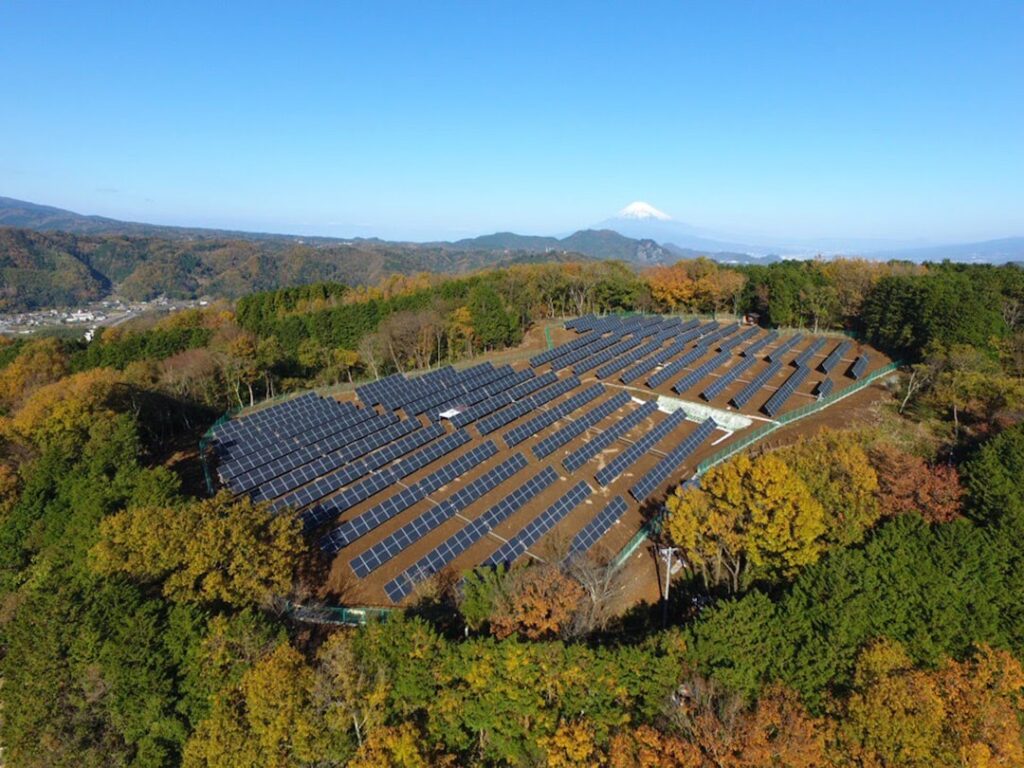
Scientific research plays a pivotal role in crafting effective solutions to combat climate change. As you explore this field, you will find that researchers are tirelessly working on innovative strategies to reduce carbon emissions and enhance energy efficiency. From renewable energy technologies like solar and wind power to carbon capture and storage methods, scientific inquiry is at the forefront of developing alternatives to fossil fuels.
These advancements not only aim to curb emissions but also seek to create a sustainable future for generations to come. In addition to technological innovations, scientific research also focuses on understanding ecosystems and their responses to climate change. By studying biodiversity and ecosystem services, scientists can identify ways to protect natural habitats that act as carbon sinks.
This research is vital for you as it highlights the interconnectedness of human activity and environmental health. It underscores the importance of preserving biodiversity as a means of combating climate change while also ensuring that ecosystems continue to provide essential services, such as clean air and water.
The Use of Scientific Data in Informing Climate Policy

The intersection of science and policy is critical in addressing climate change effectively. As you navigate this landscape, you will discover that scientific data serves as a cornerstone for informed decision-making. Policymakers rely on robust scientific evidence to craft regulations and initiatives aimed at reducing greenhouse gas emissions and promoting sustainability.
This reliance on data ensures that policies are not only effective but also grounded in reality, allowing for measurable outcomes. Furthermore, scientific data helps to identify vulnerable populations and regions most affected by climate change. By analyzing trends and impacts, scientists can provide policymakers with insights into where resources should be allocated for maximum effect.
This targeted approach is essential for you to understand how climate policies can be tailored to address specific needs, ensuring that no community is left behind in the transition toward a more sustainable future.
The Contribution of Scientific Innovation to Climate Technology
Innovation is a hallmark of scientific progress, and its contribution to climate technology cannot be overstated. As you explore this realm, you will encounter groundbreaking advancements that have the potential to revolutionize how we approach energy consumption and environmental conservation. For instance, developments in battery technology are paving the way for more efficient energy storage solutions, making renewable energy sources more viable and reliable.
This innovation is crucial for transitioning away from fossil fuels and reducing overall carbon footprints. In addition to energy technologies, scientific innovation extends to agriculture and waste management as well. Precision agriculture techniques, driven by data analytics and remote sensing, allow farmers to optimize resource use while minimizing environmental impact.
Similarly, advancements in waste-to-energy technologies are transforming how we manage waste, turning potential pollutants into valuable energy sources. These innovations not only address immediate climate challenges but also foster a culture of sustainability that you can embrace in your daily life.
The Role of Scientific Collaboration in Addressing Climate Challenges
Collaboration among scientists is essential for tackling the multifaceted challenges posed by climate change. As you engage with this topic, you will find that interdisciplinary approaches are increasingly common, bringing together experts from various fields such as meteorology, ecology, engineering, and social sciences. This collaborative spirit fosters a more comprehensive understanding of climate issues and leads to more effective solutions.
By pooling knowledge and resources, scientists can tackle complex problems that no single discipline could address alone. Moreover, international collaboration is vital in the fight against climate change. Climate knows no borders; therefore, scientists from different countries must work together to share data, research findings, and best practices.
Initiatives like the Intergovernmental Panel on Climate Change (IPCC) exemplify how global cooperation can lead to significant advancements in understanding climate dynamics and formulating collective responses. As you consider the importance of collaboration, it becomes clear that a united front is necessary for meaningful progress in combating climate change.
The Influence of Scientific Communication in Raising Climate Awareness

Effective communication of scientific findings is crucial for raising awareness about climate change and its impacts. As you navigate this landscape, you will recognize that scientists have a responsibility to convey their research in ways that are accessible and engaging to the public. Clear communication helps demystify complex scientific concepts, making them relatable and understandable for individuals who may not have a background in science.
This accessibility is key to fostering a well-informed citizenry capable of advocating for climate action. Additionally, social media and digital platforms have transformed how scientific information is disseminated. As you engage with these tools, you will see how scientists can reach broader audiences than ever before.
By utilizing visual storytelling, infographics, and interactive content, researchers can capture attention and inspire action among diverse groups. This shift in communication strategies empowers you to become an informed advocate for climate solutions, armed with knowledge that can influence your community’s attitudes toward sustainability.
The Impact of Scientific Education in Promoting Climate Action
Education plays a fundamental role in shaping future generations’ understanding of climate change and their capacity to take action. As you reflect on this aspect, consider how scientific education equips individuals with critical thinking skills and a sense of responsibility toward the environment. By integrating climate science into curricula at all levels—from primary schools to universities—educators can instill a sense of urgency about the climate crisis while also providing students with the tools they need to contribute positively.
Moreover, experiential learning opportunities such as field studies, internships, and community projects can deepen students’ engagement with climate issues. These hands-on experiences allow individuals to witness firsthand the effects of climate change while also exploring potential solutions. As you think about your own educational journey or that of others around you, it becomes evident that fostering a culture of environmental stewardship through education is essential for driving meaningful climate action.
The Future of Science in Advancing Climate Solutions
Looking ahead, the future of science holds immense promise for advancing solutions to combat climate change. As you consider emerging technologies such as artificial intelligence, machine learning, and biotechnology, it becomes clear that these innovations have the potential to revolutionize our approach to environmental challenges. For instance, AI can optimize energy consumption patterns or enhance predictive models for extreme weather events, providing invaluable insights for both individuals and policymakers.
Furthermore, as public awareness grows and demands for action intensify, funding for scientific research related to climate solutions is likely to increase. This influx of resources can accelerate innovation and facilitate collaboration among researchers worldwide. As you envision this future landscape, it becomes apparent that science will continue to play a pivotal role in shaping policies, technologies, and practices aimed at mitigating climate change while promoting sustainability.
In conclusion, your journey through the realms of science reveals its indispensable role in understanding and addressing climate change. From research-driven solutions to effective communication strategies, science serves as both a guide and a catalyst for action. As you engage with these concepts, remember that your involvement—whether through advocacy, education, or personal choices—can contribute significantly to the collective effort needed to combat this pressing global challenge.
In a related article, Increased Tree Planting Will Unbalance the World’s Ecosystems, the importance of planting trees for climate change is discussed. The article highlights the potential consequences of unbalanced ecosystems due to excessive tree planting and emphasizes the need for strategic and sustainable tree planting initiatives. This article complements the discussion on the role of science in advancing climate solutions by emphasizing the importance of considering the broader ecological impacts of such initiatives.
FAQs
What is the role of science in advancing climate solutions?
Science plays a crucial role in advancing climate solutions by providing the necessary data, research, and understanding of the complex interactions within the Earth’s climate system. This scientific knowledge is essential for developing effective strategies to mitigate and adapt to climate change.
How does science contribute to understanding climate change?
Science contributes to understanding climate change by studying various aspects of the Earth’s climate system, including the causes and impacts of climate change, as well as potential solutions. This involves research in fields such as atmospheric science, oceanography, ecology, and environmental science.
What are some examples of how science has advanced climate solutions?
Science has advanced climate solutions through the development of renewable energy technologies, improved understanding of carbon sequestration and storage, and the identification of sustainable land use practices. Additionally, scientific research has informed policy decisions and international agreements aimed at addressing climate change.
Why is scientific research important for addressing climate change?
Scientific research is important for addressing climate change because it provides the evidence-based knowledge needed to understand the causes and impacts of climate change, as well as to develop and evaluate potential solutions. This research is essential for informing policy decisions and guiding actions to mitigate and adapt to climate change.
How can the public support the role of science in advancing climate solutions?
The public can support the role of science in advancing climate solutions by advocating for evidence-based policies, supporting scientific research and education, and adopting sustainable practices in their daily lives. Additionally, engaging with and learning from scientific experts can help increase awareness and understanding of climate change issues.