
Trees play a crucial role in water conservation, acting as natural guardians of our water resources. Their presence in the environment contributes significantly to the regulation of the water cycle. Through a process known as transpiration, trees absorb water from the soil and release it into the atmosphere, which helps to maintain humidity levels and promote rainfall.
This natural process not only supports local ecosystems but also ensures that water is available for various uses, including agriculture, drinking, and recreation. By maintaining a healthy tree population, you contribute to a balanced water cycle that benefits both the environment and human communities. Moreover, trees help to improve water quality by filtering pollutants and sediments from rainwater before it reaches rivers, lakes, and aquifers.
Their leaves and branches capture rainwater, allowing it to slowly seep into the ground rather than running off into storm drains. This slow absorption reduces the risk of flooding and minimizes the amount of contaminants that enter waterways. As you consider the importance of trees in your community, remember that they are not just beautiful additions to the landscape; they are vital components of a sustainable water management strategy.
Key Takeaways
- Trees play a crucial role in water conservation by reducing water runoff and increasing water infiltration into the soil.
- Trees help maintain healthy watersheds by stabilizing soil, reducing erosion, and filtering pollutants from water.
- The extensive root systems of trees help prevent soil erosion and runoff by holding soil in place and absorbing excess water.
- Trees play a vital role in maintaining groundwater levels by regulating the flow of water and replenishing aquifers.
- Deforestation has a significant impact on water resources, leading to decreased water quality, increased flooding, and reduced water availability.
The Relationship Between Trees and Watersheds
Understanding the relationship between trees and watersheds is essential for effective water management. A watershed is an area of land where all the water that falls as precipitation drains into a common outlet, such as a river or lake. Trees play a pivotal role in this system by capturing rainfall and facilitating its movement through the landscape.
When you think about watersheds, consider how trees act as natural sponges, absorbing excess water during heavy rains and releasing it gradually during dry periods. This function helps to stabilize water levels in rivers and streams, ensuring a consistent supply of water throughout the year. In addition to regulating water flow, trees also enhance the biodiversity of watersheds.
They provide habitat for various species, from birds to insects, which contribute to the overall health of the ecosystem. When you plant trees in your local watershed, you are not only improving water quality but also fostering a rich environment for wildlife. This interconnectedness highlights the importance of preserving and restoring tree cover in watershed areas, as it directly impacts both water resources and ecological balance.
How Tree Roots Help Prevent Soil Erosion and Runoff
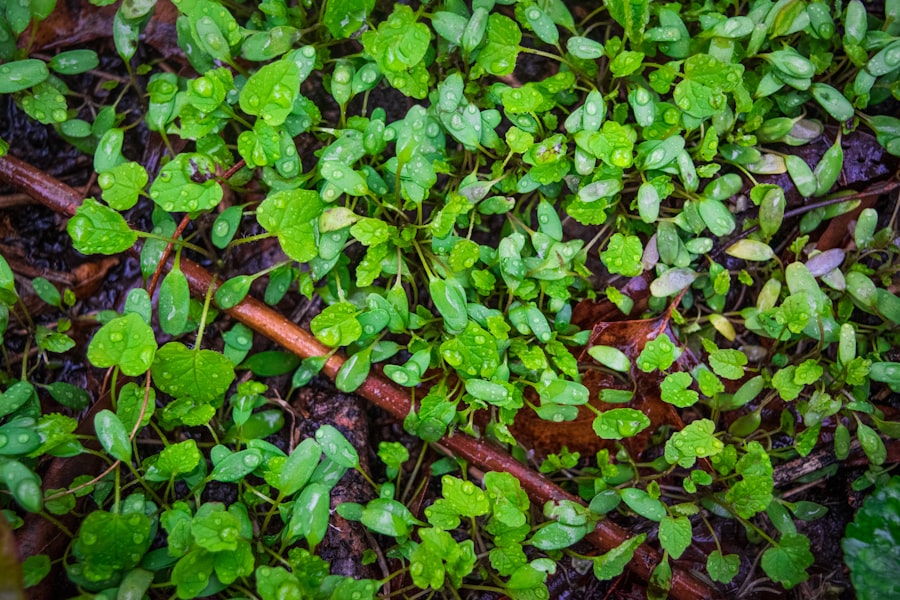
Tree roots are essential in preventing soil erosion and managing runoff, two critical factors that can significantly impact water quality and availability. When rain falls on bare soil, it can lead to erosion, washing away valuable topsoil and carrying pollutants into nearby waterways. However, when you have trees in place, their extensive root systems anchor the soil, reducing the likelihood of erosion.
The roots create a network that holds the soil together, allowing it to absorb more water and minimizing surface runoff. Additionally, tree roots help to improve soil structure by promoting the growth of beneficial microorganisms and organic matter. This enhanced soil health increases its capacity to retain moisture, which is particularly important during dry spells.
As you consider planting trees in your area, think about how their roots can serve as a natural barrier against erosion while simultaneously improving soil quality. By investing in tree planting initiatives, you are taking proactive steps to protect your local environment and ensure sustainable water resources for future generations.
The Role of Trees in Maintaining Groundwater Levels
Trees play an indispensable role in maintaining groundwater levels, which are crucial for sustaining ecosystems and human activities alike. Through their root systems, trees draw water from the soil and release it back into the atmosphere via transpiration. This process not only helps regulate local humidity but also contributes to the replenishment of groundwater supplies.
When you plant trees in your community, you are actively participating in a natural system that supports groundwater recharge. Moreover, healthy tree cover can mitigate the effects of drought by maintaining moisture levels in the soil. During periods of low rainfall, trees continue to draw on their stored moisture, which helps to sustain groundwater levels over time.
This is particularly important for agricultural communities that rely on groundwater for irrigation. By recognizing the vital connection between trees and groundwater, you can advocate for tree planting initiatives that promote long-term water security in your area.
The Impact of Deforestation on Water Resources
Deforestation poses a significant threat to water resources worldwide. When trees are removed from an area, the delicate balance of the ecosystem is disrupted, leading to increased runoff and decreased water quality. Without trees to absorb rainfall and filter pollutants, water bodies can become contaminated with sediments and chemicals, harming aquatic life and making water unsafe for human consumption.
As you reflect on the consequences of deforestation, consider how it not only affects local ecosystems but also has far-reaching implications for global water resources. Furthermore, deforestation can lead to a decline in groundwater levels as fewer trees are available to facilitate recharge. This decline can exacerbate drought conditions and create challenges for communities that depend on groundwater for their livelihoods.
By understanding the impact of deforestation on water resources, you can become an advocate for sustainable land management practices that prioritize tree preservation and reforestation efforts.
Strategies for Planting Trees to Protect Water Sources

Implementing effective strategies for planting trees is essential for protecting water sources in your community. One approach is to focus on reforestation efforts in critical areas such as watersheds and riparian zones—regions adjacent to rivers and streams that are particularly vulnerable to erosion and pollution. By planting native tree species that are well-adapted to local conditions, you can enhance biodiversity while ensuring that the trees thrive in their new environment.
Another strategy involves engaging with local communities to raise awareness about the importance of trees in water conservation. Organizing tree planting events or educational workshops can foster a sense of ownership among residents and encourage them to participate actively in protecting their water resources. By collaborating with schools, environmental organizations, and local governments, you can create a network of support for tree planting initiatives that benefit both people and nature.
Community Involvement in Tree Planting Initiatives
Community involvement is vital for the success of tree planting initiatives aimed at protecting water sources. When individuals come together to plant trees, they not only contribute to environmental restoration but also strengthen social bonds within their community. You can play an active role by participating in local tree planting events or organizing your own initiatives with friends and neighbors.
These collective efforts foster a sense of responsibility towards the environment and encourage others to take action as well. Moreover, involving community members in tree planting initiatives can lead to greater awareness about the importance of trees in maintaining water quality and availability. Educational programs that highlight the benefits of trees can inspire individuals to adopt sustainable practices in their daily lives.
By working together as a community, you can create lasting change that protects your local water resources while promoting environmental stewardship.
The Long-term Benefits of Tree Planting for Water Security
The long-term benefits of tree planting for water security are profound and far-reaching. As you invest time and resources into planting trees today, you are contributing to a healthier environment for future generations. Trees not only enhance local ecosystems but also provide essential services such as improved air quality, reduced urban heat islands, and increased biodiversity—all of which contribute to overall community well-being.
In addition to these ecological benefits, tree planting initiatives can lead to economic advantages as well. Healthy forests can support tourism and recreation industries while providing resources such as timber and non-timber forest products. By recognizing the multifaceted benefits of tree planting for water security, you can advocate for policies that prioritize reforestation efforts and sustainable land management practices in your community.
In conclusion, trees are indispensable allies in our quest for effective water conservation and management. Their role in regulating the water cycle, preventing soil erosion, maintaining groundwater levels, and enhancing biodiversity cannot be overstated. By understanding these connections and actively participating in tree planting initiatives, you can make a meaningful impact on your local environment while ensuring a sustainable future for our precious water resources.
If you are interested in learning more about the benefits of planting trees for the environment, you may want to check out the article How Does Planting Trees Help the Environment. This article delves into the various ways in which tree planting can positively impact our planet, from providing habitat for wildlife to reducing air pollution. It is a great resource for those looking to understand the importance of tree planting in combating environmental issues.
FAQs
What is the importance of planting trees for securing our water future?
Planting trees is important for securing our water future because trees play a crucial role in the water cycle. They help to regulate the flow of water, reduce soil erosion, and improve water quality. Additionally, trees help to replenish groundwater supplies and maintain healthy watersheds.
How do trees help to regulate the flow of water?
Trees help to regulate the flow of water by absorbing and storing water in their roots, which reduces the risk of flooding during heavy rainfall. They also release water vapor through a process called transpiration, which contributes to the formation of clouds and precipitation.
How do trees reduce soil erosion?
Trees reduce soil erosion by providing a protective cover for the soil with their roots and foliage. The roots of trees help to bind the soil together, preventing it from being washed away by rainwater or blown away by wind.
How do trees improve water quality?
Trees improve water quality by filtering pollutants and sediment from runoff before it reaches water bodies. The roots of trees also help to trap and break down harmful substances, while the leaf litter and organic matter from trees contribute to the natural purification of water.
How do trees replenish groundwater supplies?
Trees replenish groundwater supplies by absorbing water from the soil through their roots and releasing it back into the atmosphere through transpiration. This process helps to recharge aquifers and maintain the water table, which is essential for sustaining water availability.
How do trees maintain healthy watersheds?
Trees maintain healthy watersheds by stabilizing the soil, preventing erosion, and preserving the natural flow of water in rivers and streams. Healthy watersheds are essential for supplying clean and reliable water to communities and ecosystems.