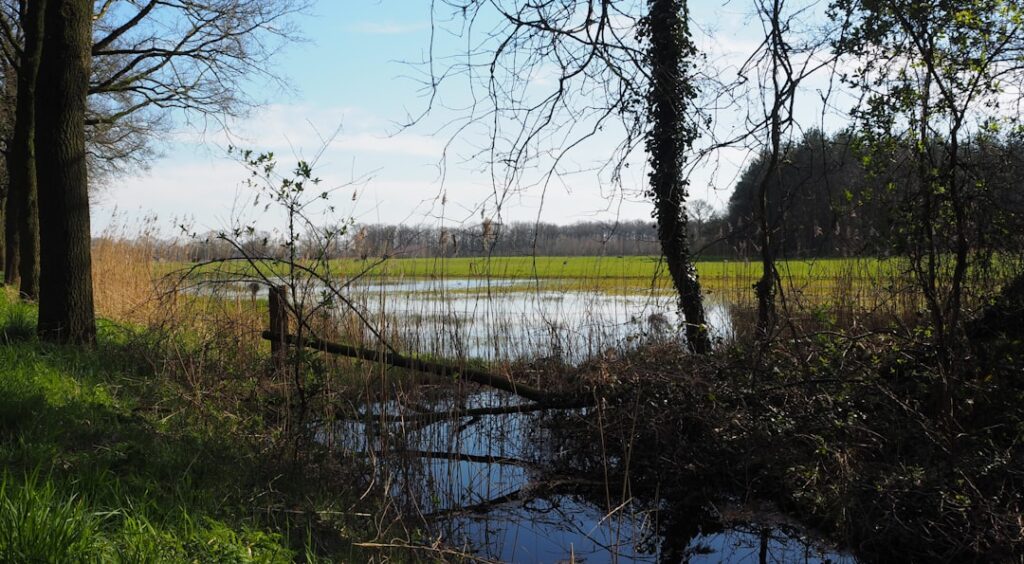
Wetlands are among the most productive ecosystems on the planet, serving as vital interfaces between terrestrial and aquatic environments. You may not realize it, but these unique landscapes, which include marshes, swamps, and bogs, play a crucial role in maintaining ecological balance. They are characterized by their saturated soils and diverse plant life, which thrive in waterlogged conditions.
Wetlands are not just beautiful landscapes; they are essential for biodiversity, providing habitat for countless species of flora and fauna. From migratory birds to amphibians, wetlands support a rich tapestry of life that is integral to the health of our planet. Moreover, wetlands offer a plethora of ecosystem services that benefit human populations.
They act as natural water filters, improving water quality by trapping sediments and breaking down pollutants. They also serve as buffers against flooding, absorbing excess rainwater and reducing the impact of storm surges. In addition to their environmental significance, wetlands have cultural and recreational value, offering spaces for fishing, birdwatching, and other outdoor activities.
As you explore the importance of wetlands, it becomes clear that their preservation is not just an environmental issue; it is a matter of public health and community well-being.
Key Takeaways
- Wetlands are important ecosystems that provide a wide range of ecological services, including water filtration, flood control, and habitat for diverse plant and animal species.
- Wetlands play a crucial role in filtering pollutants from water, helping to improve water quality and protect the health of aquatic ecosystems.
- There is a direct connection between the health of wetlands and the levels of oxygen in the ocean, as healthy wetlands contribute to the production of oxygen in coastal waters.
- Restoring and conserving wetlands can have a positive impact on ocean health by improving water quality, supporting marine life, and contributing to the overall health of coastal ecosystems.
- Successful wetland restoration projects around the world have demonstrated the potential for restoring and protecting these valuable ecosystems, highlighting the importance of conservation efforts.
The Role of Wetlands in Filtering Pollutants
One of the most remarkable functions of wetlands is their ability to filter pollutants from water. As water flows through these ecosystems, the unique combination of soil, plants, and microorganisms works together to remove harmful substances. You might be surprised to learn that wetlands can effectively trap heavy metals, nutrients like nitrogen and phosphorus, and even pathogens.
This natural filtration process is essential for maintaining clean water supplies, especially in areas where agricultural runoff or urban development poses a threat to water quality. The vegetation found in wetlands plays a pivotal role in this filtration process. Plants such as cattails and bulrushes absorb excess nutrients and provide habitat for microorganisms that break down pollutants.
As you consider the implications of this natural filtration system, it becomes evident that protecting wetlands is crucial for safeguarding water resources. By preserving these ecosystems, you are not only ensuring cleaner water for yourself and your community but also supporting the intricate web of life that depends on these habitats.
The Connection Between Wetlands and Ocean Oxygen Levels
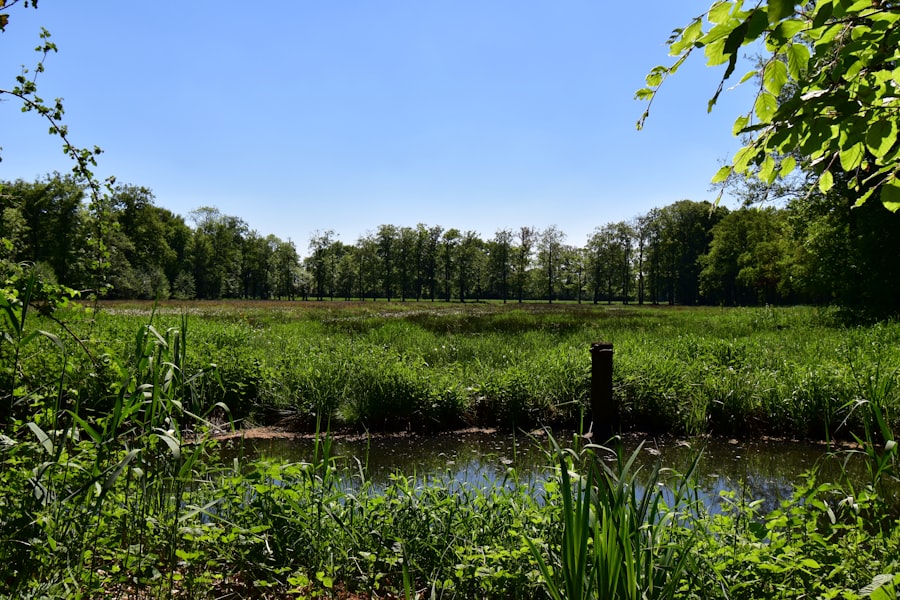
Wetlands are intricately linked to ocean health, particularly when it comes to oxygen levels in marine environments. You may wonder how these freshwater ecosystems can influence the vastness of the ocean. The answer lies in the nutrient cycling that occurs within wetlands.
When wetlands filter out excess nutrients from runoff, they help prevent algal blooms in coastal waters. These blooms can deplete oxygen levels in the ocean, leading to dead zones where marine life cannot survive. Furthermore, wetlands act as carbon sinks, sequestering carbon dioxide from the atmosphere and storing it in plant biomass and soil.
This process not only contributes to cleaner air but also helps regulate global temperatures. As you reflect on the interconnectedness of ecosystems, it becomes clear that protecting wetlands is essential for maintaining healthy oceanic conditions. By ensuring that these vital habitats remain intact, you are contributing to the overall health of our planet’s oceans.
The Impact of Wetland Restoration on Ocean Health
Restoring degraded wetlands can have profound effects on ocean health. When you engage in wetland restoration efforts, you are actively working to revive these ecosystems’ natural functions. Restored wetlands can enhance water quality by filtering out pollutants more effectively than degraded areas.
This improvement in water quality can lead to healthier coastal waters, benefiting marine life and local fisheries. Moreover, wetland restoration can help mitigate the impacts of climate change on ocean health. As you restore these ecosystems, you are also enhancing their capacity to sequester carbon and reduce greenhouse gas emissions.
This dual benefit underscores the importance of investing in wetland restoration projects as a means of promoting both terrestrial and marine health. By participating in or supporting these initiatives, you are playing a vital role in fostering a more sustainable future for our oceans.
Case Studies of Successful Wetland Restoration Projects
Several successful wetland restoration projects around the world illustrate the positive impact these efforts can have on both local ecosystems and ocean health. One notable example is the restoration of the Everglades in Florida. This vast wetland system has been significantly altered by human activity over the years, leading to declines in water quality and biodiversity.
However, ongoing restoration efforts aim to restore natural water flow patterns and improve habitat conditions for wildlife. As you learn about this project, you can see how revitalizing wetlands can lead to improved water quality that ultimately benefits coastal ecosystems. Another inspiring case is the restoration of the Chesapeake Bay’s wetlands.
This estuarine system has faced numerous challenges due to pollution and habitat loss. Through collaborative efforts involving government agencies, non-profit organizations, and local communities, significant strides have been made in restoring wetland areas around the bay. These efforts have resulted in improved water clarity and increased populations of fish and other aquatic species.
As you consider these success stories, it becomes evident that wetland restoration is not only possible but also essential for fostering healthier ecosystems.
The Importance of Conserving and Protecting Wetlands
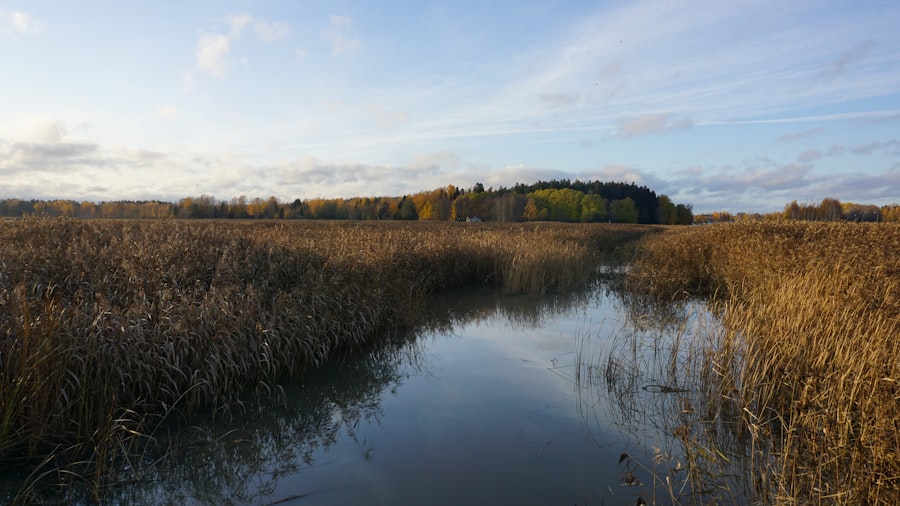
The Importance of Sustainable Land Use Practices
One effective approach to conservation is implementing policies that promote sustainable land use practices around wetland areas. By encouraging responsible development and agricultural practices, we can minimize the negative impacts on wetlands while still allowing for economic growth.
Raising Public Awareness and Fostering Stewardship
Raising public awareness about the importance of wetlands can foster a sense of stewardship within communities. When people understand the value of these ecosystems, they are more likely to advocate for their protection and participate in conservation efforts.
Empowering Communities to Take Action
By working together, we can ensure the long-term conservation of wetlands and the ecosystem services they provide. It is essential to empower communities to take action and make a positive impact on the environment.
The Role of Wetlands in Mitigating Climate Change
Wetlands play a significant role in mitigating climate change by acting as carbon sinks and regulating greenhouse gas emissions. You might be surprised to learn that healthy wetlands can store large amounts of carbon dioxide in their soils and vegetation. This process helps offset some of the emissions produced by human activities, making wetlands an essential component of climate change mitigation strategies.
Moreover, wetlands provide natural buffers against climate-related impacts such as flooding and sea-level rise. By absorbing excess rainfall and storm surges, they help protect coastal communities from damage while also maintaining biodiversity. As you consider the multifaceted benefits of wetlands in combating climate change, it becomes evident that their preservation is not just an environmental concern; it is a critical aspect of building resilience against future climate challenges.
The Future of Wetland Restoration and Ocean Oxygen Protection
The future of wetland restoration holds great promise for enhancing ocean health and protecting oxygen levels in marine environments. As you reflect on the interconnectedness of ecosystems, it becomes clear that investing in wetland conservation is essential for fostering a sustainable future for both terrestrial and aquatic life. By supporting restoration projects and advocating for policies that protect these vital habitats, you can contribute to a healthier planet.
In conclusion, your role in promoting wetland conservation cannot be overstated. Whether through individual actions or collective efforts within your community, every step taken toward preserving these ecosystems has far-reaching implications for ocean health and overall environmental well-being. As we move forward into an uncertain future marked by climate change and habitat loss, let us commit to safeguarding our wetlands for generations to come—ensuring cleaner waters, healthier oceans, and a thriving planet for all living beings.
A related article to how restoring wetlands acts as a filter to protect ocean oxygen is “Advantages of Planting Trees for Climate Change” which discusses the benefits of reforestation in combating climate change. Planting trees helps to absorb carbon dioxide from the atmosphere, reducing greenhouse gas emissions and mitigating the effects of global warming. This article highlights the importance of trees in maintaining a healthy environment and emphasizes the role they play in preserving our planet for future generations. To learn more about the benefits of planting trees for climate change, check out this article.
FAQs
What are wetlands?
Wetlands are areas of land that are saturated with water, either permanently or seasonally. They are home to a diverse range of plant and animal species and provide important ecosystem services.
How do wetlands act as a filter to protect ocean oxygen?
Wetlands act as a natural filter by trapping and removing pollutants, excess nutrients, and sediments from water before it reaches the ocean. This helps to maintain the balance of oxygen levels in the ocean and protect marine life.
Why is restoring wetlands important for protecting ocean oxygen?
Restoring wetlands is important for protecting ocean oxygen because healthy wetlands can help to reduce the amount of pollutants and nutrients entering the ocean. This can prevent the development of dead zones and support the overall health of marine ecosystems.
What are some examples of wetland restoration projects that have successfully protected ocean oxygen?
There are numerous wetland restoration projects around the world that have successfully protected ocean oxygen. For example, the restoration of mangrove forests in coastal areas has been shown to improve water quality and protect marine habitats.
How can individuals contribute to the protection of ocean oxygen through wetland restoration?
Individuals can contribute to the protection of ocean oxygen through wetland restoration by supporting local conservation efforts, participating in wetland restoration projects, and advocating for policies that prioritize the protection and restoration of wetlands.