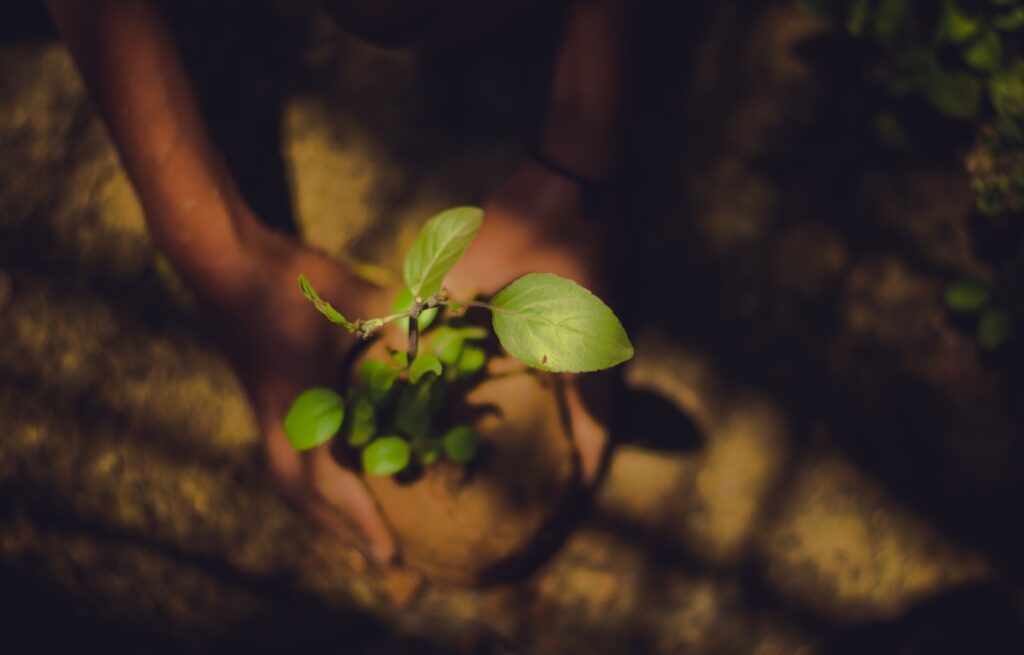
Reforestation plays a crucial role in combating climate change and restoring ecological balance. As you may know, deforestation has led to significant loss of biodiversity, disruption of water cycles, and increased carbon emissions. By replanting trees, you not only help to absorb carbon dioxide from the atmosphere but also create habitats for countless species that have been displaced due to habitat destruction.
The act of reforesting is not merely about planting trees; it is about revitalizing ecosystems and ensuring that they can thrive for generations to come. Moreover, reforestation contributes to soil health and prevents erosion. When you plant trees, their roots stabilize the soil, reducing the risk of landslides and maintaining the integrity of the land.
This is particularly important in areas prone to heavy rainfall or where agriculture is practiced. Healthy forests also play a vital role in regulating water cycles, ensuring that communities have access to clean water. In essence, reforestation is a multifaceted solution that addresses environmental degradation while promoting sustainability.
Key Takeaways
- Reforestation is crucial for restoring ecosystems, combating climate change, and preserving biodiversity.
- The process of reforestation involves clearing land, planting trees, and nurturing their growth to create a sustainable forest ecosystem.
- Selecting the right tree species for reforestation is essential for ensuring the long-term success and resilience of the forest.
- Planning and implementing a reforestation project requires careful consideration of factors such as site conditions, community needs, and available resources.
- Community involvement plays a vital role in reforestation efforts, fostering a sense of ownership and responsibility for the newly planted trees.
The Process of Reforestation
The process of reforestation involves several key steps that require careful planning and execution. Initially, you must assess the area that needs reforestation. This includes evaluating the soil quality, existing vegetation, and the specific environmental challenges the area faces.
Understanding these factors will help you determine the best approach for replanting trees. It’s essential to conduct a thorough site analysis to ensure that the chosen methods align with the local ecosystem. Once you have assessed the site, the next step is to prepare the land for planting.
This may involve clearing invasive species, enriching the soil with nutrients, or even creating protective barriers to shield young saplings from harsh weather conditions or herbivores. After preparing the site, you can begin the actual planting process. This involves selecting appropriate planting techniques, such as direct seeding or transplanting seedlings, depending on the specific needs of the area and the species being planted.
Each step in this process is vital to ensure that the newly planted trees have the best chance of survival and growth.
Selecting the Right Tree Species for Reforestation
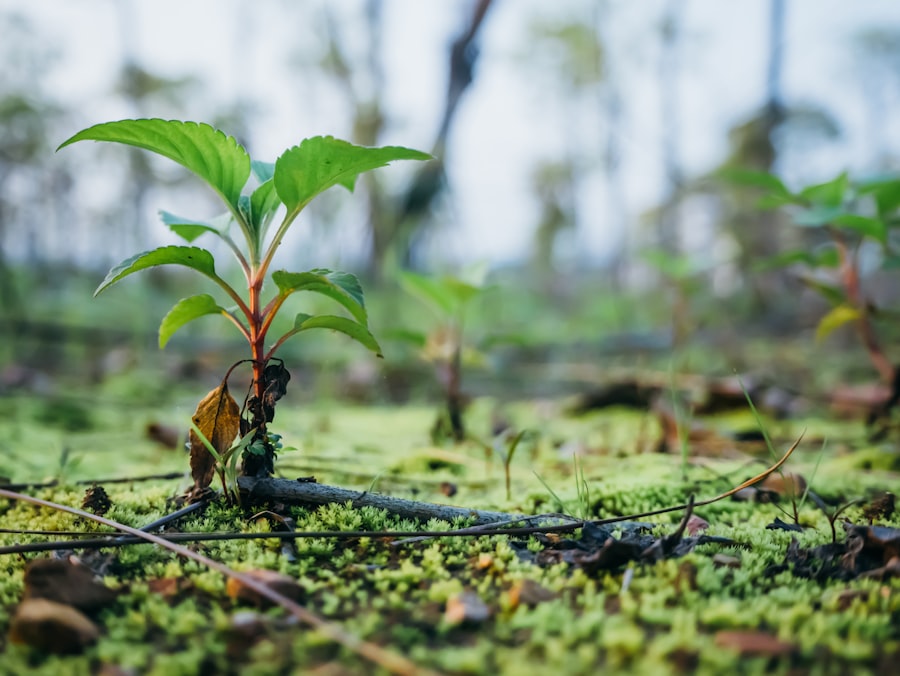
Choosing the right tree species is one of the most critical aspects of a successful reforestation project. You need to consider various factors, including climate, soil type, and local biodiversity. Native species are often the best choice because they are adapted to the local environment and support native wildlife.
By selecting trees that naturally occur in the area, you can help restore ecological balance and promote biodiversity. In addition to native species, you should also consider the purpose of your reforestation efforts. Are you aiming to restore a habitat, improve air quality, or provide timber resources?
Different species serve different functions; for instance, fast-growing trees can quickly provide shade and reduce soil erosion, while hardwoods may be more suitable for long-term timber production. By aligning your tree selection with your project goals, you can maximize the benefits of your reforestation efforts.
Planning and Implementing a Reforestation Project
Planning a reforestation project requires a comprehensive approach that takes into account various logistical and environmental factors. You should start by setting clear objectives for your project. What do you hope to achieve through reforestation?
Whether it’s enhancing biodiversity, improving air quality, or restoring a watershed, having specific goals will guide your planning process. Once your objectives are established, you can develop a detailed action plan that outlines timelines, resources needed, and potential challenges. Engaging with local stakeholders is also essential during this phase.
By involving community members and local organizations, you can gain valuable insights and support for your project. Collaboration can lead to more effective implementation and foster a sense of ownership among those involved.
The Role of Community Involvement in Reforestation
Community involvement is a cornerstone of successful reforestation initiatives. When you engage local communities in the planning and execution of reforestation projects, you not only enhance their effectiveness but also empower individuals to take an active role in environmental stewardship. Community members often possess invaluable knowledge about local ecosystems and can provide insights into which species are best suited for replanting.
Furthermore, involving communities fosters a sense of responsibility and connection to the land. When people participate in planting trees or caring for newly established forests, they develop a deeper appreciation for nature and its importance. This connection can lead to long-term commitment to conservation efforts beyond just reforestation.
By building strong relationships with local communities, you create a network of advocates who are invested in protecting their environment.
Maintaining and Caring for Newly Planted Trees
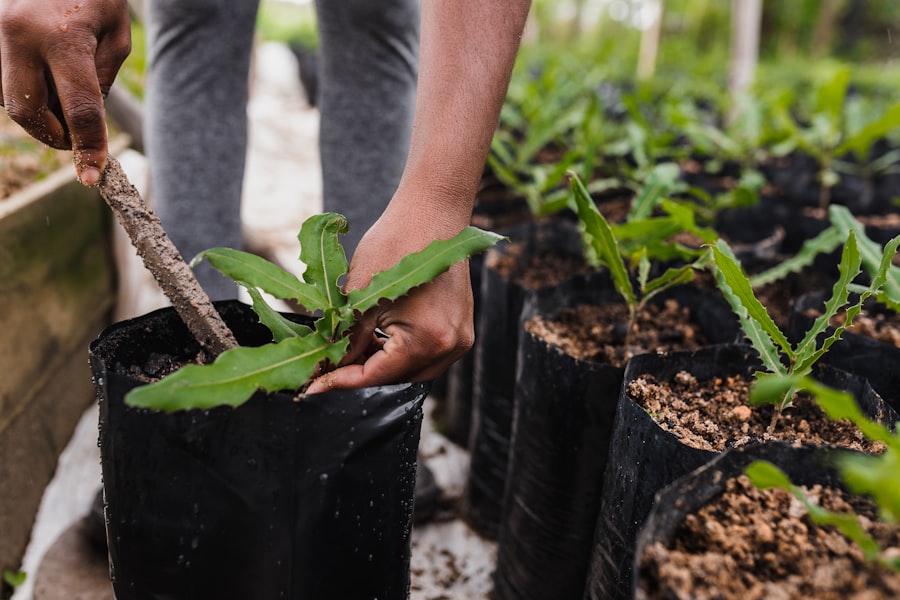
Once your reforestation project is underway and trees have been planted, ongoing maintenance is crucial for their survival and growth. Newly planted trees require regular care, including watering, mulching, and monitoring for pests or diseases. You should establish a maintenance schedule that outlines these tasks and assigns responsibilities to community members or volunteers.
Additionally, it’s important to create protective measures around young trees to shield them from herbivores or harsh weather conditions. This could involve installing fencing or using natural repellents to deter animals from nibbling on tender saplings. Regular monitoring will help you identify any issues early on, allowing for timely interventions that can significantly improve survival rates.
Monitoring and Evaluating the Success of Reforestation Efforts
Monitoring and evaluating your reforestation efforts is essential for understanding their impact and effectiveness. You should establish clear metrics for success at the outset of your project. These could include survival rates of planted trees, increases in local biodiversity, or improvements in soil quality over time.
Regular assessments will provide valuable data that can inform future reforestation initiatives. In addition to quantitative measures, qualitative feedback from community members can also offer insights into how well the project is being received. Engaging with local stakeholders during evaluation phases allows you to gather diverse perspectives on what is working well and what could be improved.
This iterative process not only enhances your current project but also contributes to a growing body of knowledge that can benefit future reforestation efforts.
The Environmental and Social Benefits of Reforestation
The benefits of reforestation extend far beyond environmental restoration; they also encompass significant social advantages. Environmentally, reforestation helps mitigate climate change by sequestering carbon dioxide and improving air quality. Healthy forests contribute to biodiversity by providing habitats for various species while also enhancing soil health and water retention.
Socially, reforestation projects can create job opportunities in areas such as tree planting, maintenance, and ecotourism. They can also foster community cohesion as individuals come together for a common cause—restoring their environment. Additionally, reforested areas can improve local livelihoods by providing resources such as fruits, nuts, and timber sustainably harvested from healthy forests.
In conclusion, reforestation is an essential practice that addresses pressing environmental challenges while offering numerous social benefits. By understanding its importance, engaging communities, selecting appropriate species, and implementing effective maintenance strategies, you can contribute significantly to restoring our planet’s ecosystems for future generations. Your involvement in reforestation efforts not only helps combat climate change but also fosters a deeper connection between people and nature—an invaluable relationship that sustains both our environment and our communities.
If you are interested in learning more about the disadvantages of planting trees for climate change, check out this insightful article on