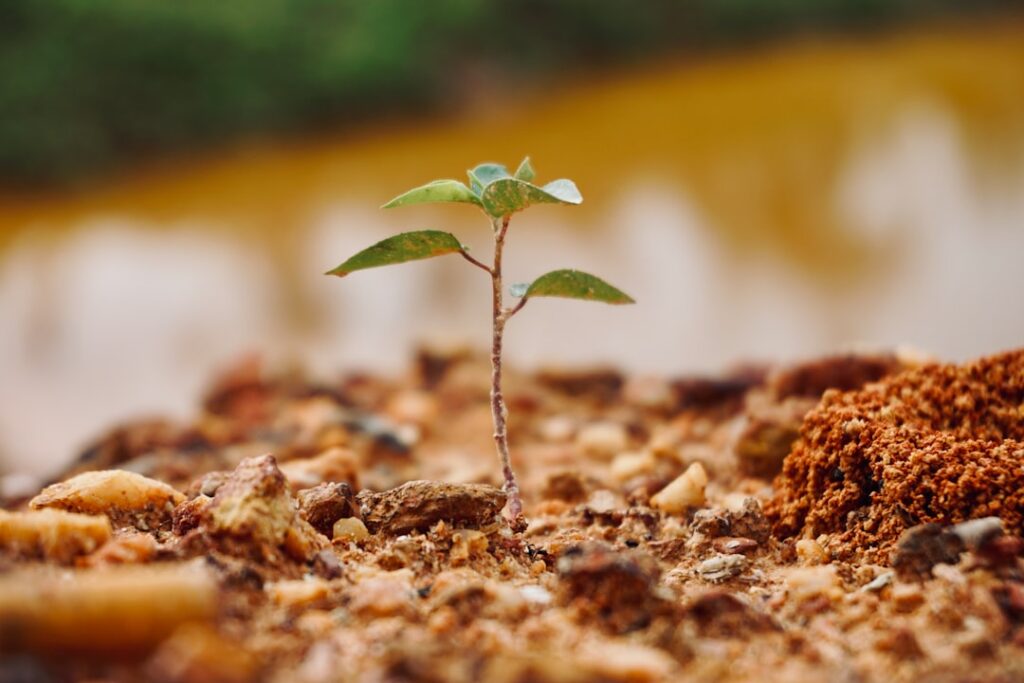
Reforestation plays a crucial role in maintaining the health of our planet. As you may know, forests are vital ecosystems that provide numerous benefits, including carbon sequestration, biodiversity preservation, and soil stabilization. When you think about the impact of deforestation, it becomes clear that reforestation is not just an environmental necessity but a moral obligation.
By restoring forests, you contribute to the fight against climate change, as trees absorb carbon dioxide from the atmosphere, helping to mitigate global warming. This process is essential for maintaining a balanced ecosystem and ensuring a sustainable future for generations to come. Moreover, reforestation has significant social and economic implications.
Forests are home to countless species of flora and fauna, many of which are endangered due to habitat loss. By participating in reforestation efforts, you help protect these species and promote biodiversity. Additionally, forests provide resources such as timber, fruits, and medicinal plants that can support local economies.
When you engage in reforestation, you not only help restore the environment but also empower communities that rely on these resources for their livelihoods. The interconnectedness of ecological health and human well-being underscores the importance of reforestation in today’s world.
Key Takeaways
- Reforestation is crucial for combating climate change, preserving biodiversity, and restoring ecosystems.
- Engage in fun activities like nature walks, tree planting events, and educational games to learn about reforestation.
- Consider factors like climate, soil type, and local wildlife when choosing the right trees to plant in your area.
- Get your family involved in reforestation by organizing tree planting outings, creating a family tree planting tradition, and discussing the importance of trees.
- Plan a reforestation project by setting clear goals, securing necessary resources, and collaborating with local organizations and communities.
- Take care of newly planted trees by watering them regularly, protecting them from pests, and monitoring their growth.
- Celebrate reforestation success by hosting a tree planting ceremony, sharing progress updates, and recognizing the contributions of volunteers and supporters.
- Continue the reforestation effort by maintaining planted trees, expanding reforestation initiatives, and advocating for sustainable forestry practices.
Fun Ways to Learn About Reforestation
Learning about reforestation can be an engaging and enjoyable experience. One of the most effective ways to immerse yourself in this topic is through interactive workshops or community events focused on tree planting and forest restoration. These events often include hands-on activities that allow you to get your hands dirty while learning about the importance of trees and their ecosystems.
You might find yourself planting saplings alongside fellow enthusiasts, sharing stories, and gaining insights from experts in the field. This collaborative atmosphere fosters a sense of community and shared purpose, making the learning experience both memorable and impactful. Another fun way to learn about reforestation is through educational games and apps designed to raise awareness about environmental issues.
Many organizations have developed interactive platforms that simulate the challenges of deforestation and the benefits of reforestation. By playing these games, you can gain a deeper understanding of the complexities involved in forest management and conservation. Additionally, documentaries and nature films can provide visual storytelling that captivates your imagination while educating you about the importance of trees and forests.
These engaging mediums can inspire you to take action and become an advocate for reforestation in your own community.
Choosing the Right Trees to Plant
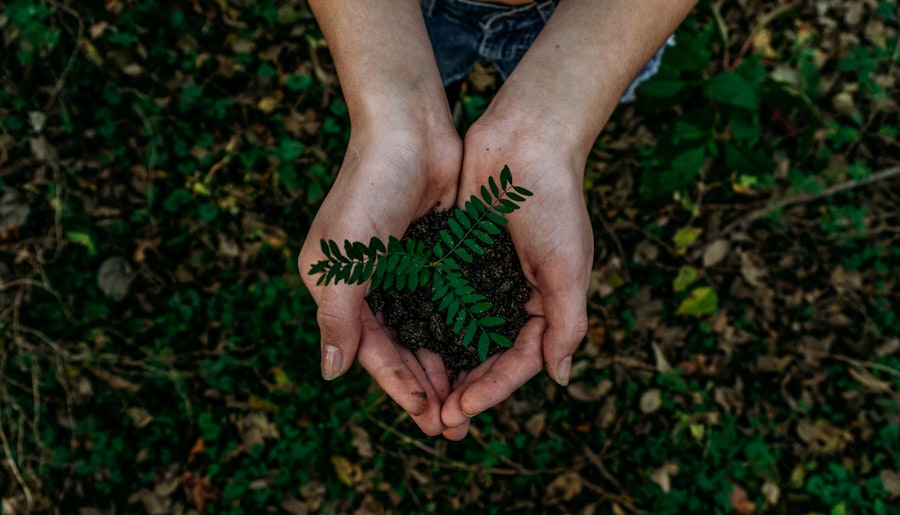
Selecting the appropriate trees for your reforestation project is a critical step that requires careful consideration. You should start by researching native species that thrive in your local environment. Native trees are adapted to the local climate, soil conditions, and wildlife, making them more resilient and beneficial for the ecosystem.
By planting native species, you not only enhance biodiversity but also support local wildlife that relies on these trees for food and habitat. Understanding the specific needs of your area will help you make informed decisions about which trees to plant. In addition to native species, consider the purpose of your reforestation project when choosing trees.
Are you aiming to restore a degraded area, create a windbreak, or enhance aesthetic appeal? Different tree species serve various functions within an ecosystem. For instance, fast-growing species can quickly provide shade and shelter, while slower-growing trees may offer long-term benefits such as timber or fruit production.
You should also think about the spacing and arrangement of your trees to ensure they have enough room to grow without competing for resources. By thoughtfully selecting the right trees for your project, you set the stage for a successful reforestation effort.
Getting Your Family Excited About Reforestation
Engaging your family in reforestation efforts can be a rewarding experience that strengthens bonds while contributing to a noble cause. Start by sharing interesting facts about trees and forests with your family members. You might be surprised at how much they enjoy learning about the benefits of trees or the fascinating life cycles of different species.
Organizing family outings to local parks or nature reserves can also spark interest in reforestation. During these trips, encourage discussions about the importance of preserving natural habitats and how each family member can contribute to these efforts. To make reforestation more appealing, consider planning family-friendly activities centered around tree planting.
You could host a tree-planting day in your backyard or participate in community events together. Make it a fun occasion by incorporating games, music, or even a picnic after planting. This approach not only makes the experience enjoyable but also instills a sense of responsibility towards nature in younger family members.
By fostering enthusiasm for reforestation within your family, you create a legacy of environmental stewardship that can be passed down through generations.
Planning a Reforestation Project
When it comes to planning a reforestation project, organization is key. Begin by defining your goals: Are you looking to restore a specific area, improve biodiversity, or create a community green space? Once you have clear objectives in mind, assess the site where you plan to plant trees.
Conducting a site analysis will help you understand factors such as soil quality, sunlight exposure, and existing vegetation. This information is crucial for selecting suitable tree species and determining the best planting techniques. Next, create a timeline for your project that outlines each phase from preparation to planting and maintenance.
Involve local stakeholders or organizations that share your vision; collaboration can enhance your project’s impact and sustainability. You might also want to consider securing funding or resources through grants or donations from local businesses interested in supporting environmental initiatives. By meticulously planning your reforestation project, you increase its chances of success while ensuring that it aligns with broader conservation goals.
Taking Care of Newly Planted Trees
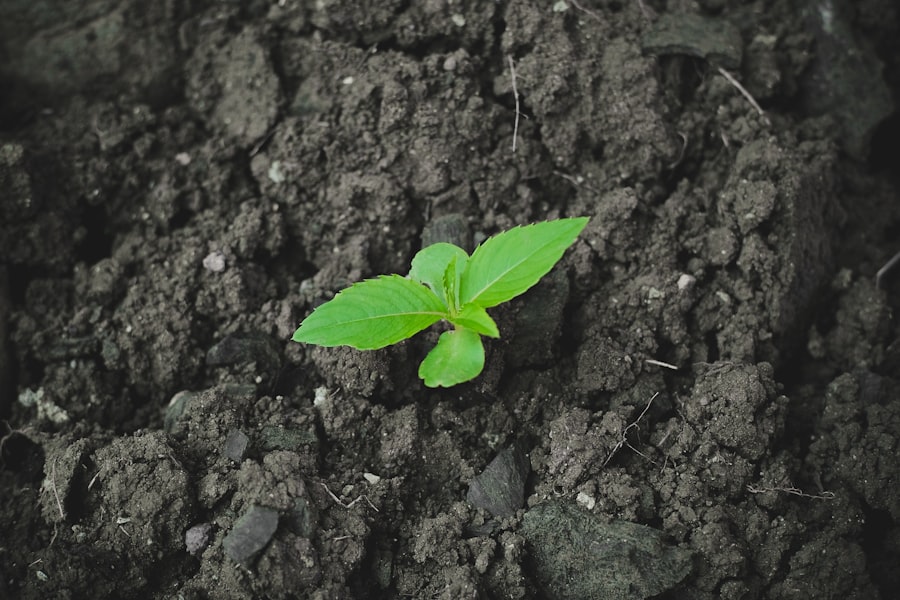
Once you’ve planted your trees, the work doesn’t stop there; ongoing care is essential for their survival and growth. Watering is one of the most critical aspects of tree care during their early stages. Newly planted trees require consistent moisture to establish their root systems effectively.
Depending on your climate and rainfall patterns, you may need to water them regularly for several months after planting. Mulching around the base of each tree can help retain moisture while suppressing weeds that compete for nutrients. In addition to watering, monitoring for pests and diseases is vital in ensuring the health of your newly planted trees.
Regularly inspect them for signs of distress or infestation, such as discolored leaves or unusual growth patterns. If you notice any issues, consult local agricultural extension services or forestry experts for advice on appropriate treatments. Pruning may also be necessary as your trees grow; removing dead or damaged branches encourages healthy development and improves airflow around the foliage.
By dedicating time and effort to care for your trees, you contribute significantly to their long-term success.
Celebrating Reforestation Success
Celebrating milestones in your reforestation journey can be an uplifting experience that reinforces commitment to environmental stewardship. Once your trees have established themselves and begun to thrive, consider organizing a celebration event with friends, family, and community members who supported your project. This gathering could include activities such as guided nature walks through the newly restored area or educational talks about the importance of forests and biodiversity.
Sharing stories about the challenges faced during the project can inspire others to embark on similar initiatives. Additionally, documenting your progress through photos or videos can serve as a powerful reminder of what you’ve accomplished together. Creating a scrapbook or digital album allows you to reflect on the journey while showcasing the positive impact of your efforts on the environment.
You might even consider sharing your success story on social media or local news outlets to inspire others in your community to engage in reforestation efforts themselves. Celebrating these achievements not only acknowledges hard work but also fosters a sense of pride and motivation for future projects.
Continuing the Reforestation Effort
Reforestation is not just a one-time endeavor; it requires ongoing commitment and dedication to ensure lasting impact. After successfully establishing your initial project, consider expanding your efforts by identifying additional areas in need of restoration within your community or region. Collaborating with local environmental organizations can provide valuable resources and support as you embark on new initiatives.
By working together with like-minded individuals, you amplify your impact while fostering a sense of camaraderie among those who share your passion for nature. Moreover, consider advocating for policies that promote sustainable forestry practices and protect existing forests from deforestation. Engaging with local government representatives or participating in community forums can help raise awareness about the importance of preserving natural habitats for future generations.
Educating others about reforestation’s benefits can inspire collective action within your community, creating a ripple effect that extends beyond individual projects. By continuing your reforestation efforts and advocating for environmental protection, you contribute to building a healthier planet for all living beings.
If you’re interested in learning more about the benefits of planting trees, you may want to check out the article on preventing floods by massive tree planting. This article discusses how planting trees can help prevent floods and protect communities from natural disasters. It’s a great resource for families looking to get involved in reforestation efforts and make a positive impact on the environment.
FAQs
What is reforestation?
Reforestation is the process of planting trees in areas where forests have been depleted or destroyed. It is done to restore the ecological balance, combat climate change, and provide habitats for wildlife.
Why is reforestation important?
Reforestation is important because trees play a crucial role in maintaining the balance of the ecosystem. They help in reducing carbon dioxide in the atmosphere, preventing soil erosion, providing habitats for animals, and maintaining the water cycle.
How can kids get involved in reforestation?
Kids can get involved in reforestation by participating in tree planting events, joining environmental organizations, learning about the importance of trees, and spreading awareness about the need for reforestation.
What are the benefits of involving families in reforestation?
Involving families in reforestation activities can help in instilling a sense of environmental responsibility in children, creating a bonding experience, and teaching them the importance of preserving nature for future generations.
What are some ways families can contribute to reforestation efforts?
Families can contribute to reforestation efforts by planting trees in their backyard or community, supporting reforestation organizations, reducing their carbon footprint, and educating others about the importance of trees.