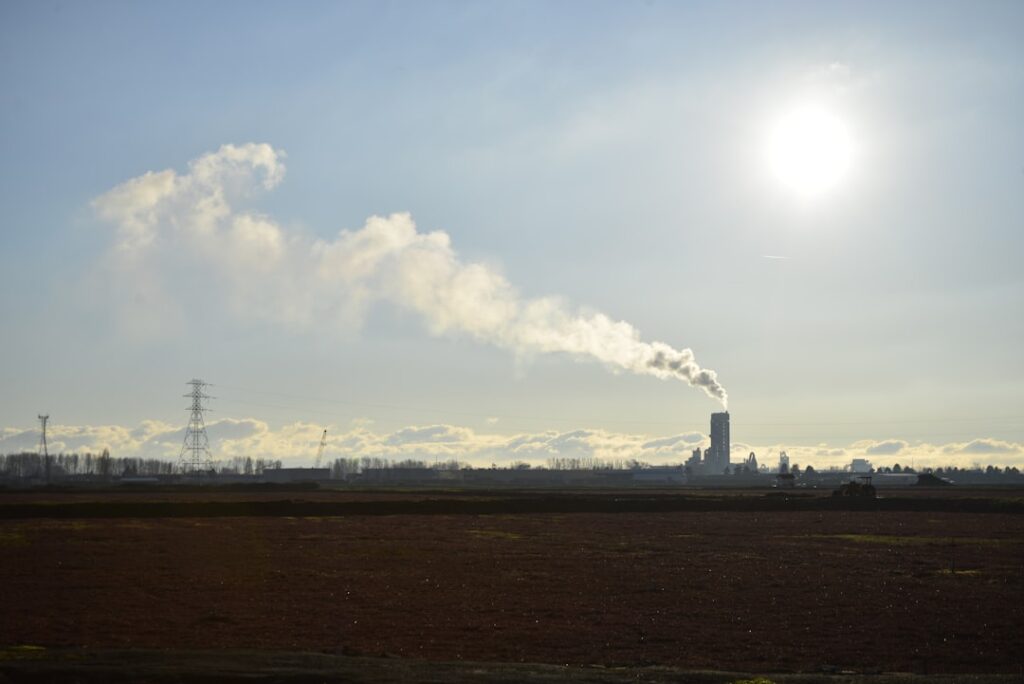
The greenhouse effect is a natural phenomenon that plays a crucial role in regulating the Earth’s temperature. It occurs when certain gases in the atmosphere trap heat from the sun, preventing it from escaping back into space. This process is essential for maintaining a climate that can support life as we know it.
Without the greenhouse effect, the Earth would be inhospitably cold, with average temperatures plummeting to levels that would make it difficult for most living organisms to survive. You can think of it as a blanket that keeps the planet warm enough to sustain ecosystems, agriculture, and human civilization. However, while the greenhouse effect is vital for life, it can become problematic when enhanced by human activities.
The balance of this natural process can be disrupted, leading to an increase in global temperatures. This enhanced greenhouse effect is primarily driven by the accumulation of greenhouse gases in the atmosphere, which intensifies the natural warming process. Understanding this delicate balance is essential for grasping the broader implications of climate change and the urgent need for action.
Key Takeaways
- The greenhouse effect is a natural process that warms the Earth’s surface.
- Greenhouse gases, such as carbon dioxide and methane, trap heat in the atmosphere and contribute to the greenhouse effect.
- Human activities, such as burning fossil fuels and deforestation, have increased the concentration of greenhouse gases in the atmosphere.
- The impacts of the greenhouse effect include rising temperatures, extreme weather events, and sea level rise.
- Global warming and climate change are the long-term consequences of the enhanced greenhouse effect.
The Role of Greenhouse Gases
Greenhouse gases (GHGs) are the key players in the greenhouse effect, and they include carbon dioxide (CO2), methane (CH4), nitrous oxide (N2O), and water vapor. Each of these gases has a unique ability to trap heat, with some being significantly more effective than others. For instance, methane is over 25 times more potent than carbon dioxide over a 100-year period, making it a critical target for climate action.
You may be surprised to learn that while carbon dioxide is often highlighted in discussions about climate change, other gases also contribute significantly to the warming of our planet. The concentration of these gases in the atmosphere has been rising steadily since the Industrial Revolution, primarily due to human activities such as burning fossil fuels, deforestation, and industrial processes. As you delve deeper into this topic, you will discover that each greenhouse gas has its own sources and sinks, which can complicate efforts to manage their levels.
For example, while CO2 is released through combustion and land-use changes, methane is emitted during the production and transport of coal, oil, and natural gas, as well as from livestock and other agricultural practices. Understanding these sources is crucial for developing effective strategies to mitigate their impact.
Human Activities and the Greenhouse Effect

Human activities have significantly altered the natural balance of greenhouse gases in the atmosphere. The burning of fossil fuels for energy—such as coal, oil, and natural gas—has been one of the primary contributors to increased CO2 levels. As you drive your car or use electricity generated from fossil fuels, you are part of a larger system that releases vast amounts of carbon dioxide into the atmosphere.
Deforestation also plays a critical role; trees absorb CO2, and when they are cut down or burned, not only is this carbon storage capacity lost, but additional CO2 is released into the atmosphere. Agricultural practices contribute to greenhouse gas emissions as well. Livestock farming produces methane through enteric fermentation—a digestive process in ruminants—and manure management.
Additionally, the use of synthetic fertilizers releases nitrous oxide, another potent greenhouse gas. As you consider your own dietary choices and consumption patterns, it becomes clear that individual actions can collectively have a significant impact on greenhouse gas emissions. By understanding how your lifestyle choices contribute to these emissions, you can make informed decisions that align with efforts to combat climate change.
Impacts of the Greenhouse Effect
The impacts of an enhanced greenhouse effect are far-reaching and multifaceted. One of the most immediate consequences you may notice is the increase in global temperatures. This warming trend leads to more frequent and severe weather events, such as heatwaves, storms, and heavy rainfall.
As you observe these changes in your local climate, it becomes evident that no region is immune to the effects of climate change. From rising sea levels threatening coastal communities to altered precipitation patterns affecting agriculture, the consequences are both widespread and profound. Moreover, the impacts extend beyond just weather patterns; they also affect ecosystems and biodiversity.
As temperatures rise and habitats change, many species struggle to adapt or migrate to more suitable environments. You might witness shifts in local wildlife populations or changes in plant blooming times as species respond to these new conditions. The loss of biodiversity can disrupt ecosystems and diminish their resilience, making it even more challenging for both nature and humanity to cope with ongoing changes.
Global Warming and Climate Change
Global warming refers specifically to the long-term increase in Earth’s average surface temperature due to human-induced emissions of greenhouse gases. Climate change encompasses a broader range of changes occurring in our climate system, including shifts in weather patterns, sea-level rise, and changes in ecosystems. As you explore these concepts further, you’ll find that global warming is a significant driver of climate change but not the only factor at play.
The consequences of global warming are already being felt around the world. You may have noticed more extreme weather events or changes in seasonal patterns in your area. These shifts can disrupt agriculture, threaten food security, and lead to economic instability.
Additionally, vulnerable populations—particularly those in developing countries—are often hit hardest by these changes due to limited resources for adaptation and recovery. Understanding the interconnectedness of global warming and climate change is essential for grasping the urgency of addressing these issues on both local and global scales.
Mitigation and Adaptation Strategies
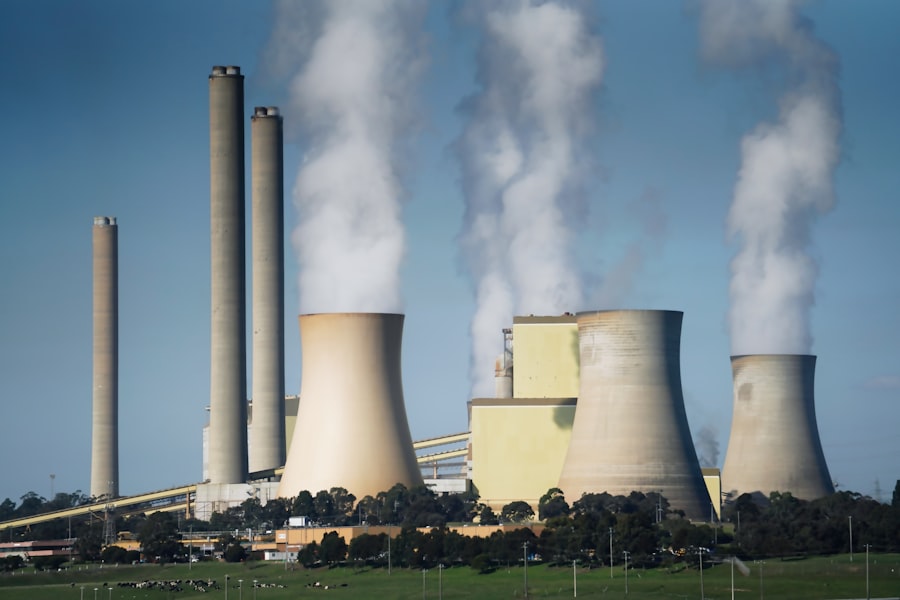
Mitigation strategies aim to reduce or prevent the emission of greenhouse gases, while adaptation strategies focus on adjusting to the impacts of climate change that are already occurring or anticipated. As you consider your role in this effort, you may find various ways to contribute to both mitigation and adaptation strategies in your community and beyond. On an individual level, you can take steps to reduce your carbon footprint by using energy-efficient appliances, opting for public transportation or carpooling, and supporting renewable energy sources like solar or wind power.
Additionally, advocating for policies that promote sustainable practices—such as reforestation initiatives or regulations on emissions—can amplify your impact beyond personal choices. On a community level, local governments can implement green infrastructure projects that enhance resilience against climate impacts while also reducing emissions. Adaptation strategies are equally important as they help communities prepare for and respond to climate-related challenges.
This might involve investing in flood defenses for coastal areas or developing drought-resistant crops for agriculture. As you engage with these strategies, consider how they can be tailored to meet the specific needs of your community while also addressing broader climate goals.
The Importance of Addressing the Greenhouse Effect
Addressing the greenhouse effect is not just an environmental issue; it is a matter of social justice, economic stability, and public health. The consequences of climate change disproportionately affect marginalized communities who often lack the resources to adapt or recover from extreme weather events. By taking action to mitigate greenhouse gas emissions and adapt to changing conditions, you contribute not only to environmental sustainability but also to social equity.
Furthermore, addressing the greenhouse effect presents opportunities for innovation and economic growth. Transitioning to a low-carbon economy can create jobs in renewable energy sectors while fostering technological advancements that benefit society as a whole. As you consider your role in this transition, remember that collective action can lead to significant change—whether through grassroots movements or supporting policies that prioritize sustainability.
Taking Action to Combat the Greenhouse Effect
In conclusion, combating the greenhouse effect requires a multifaceted approach that involves understanding its mechanisms, recognizing human contributions, and implementing effective strategies for mitigation and adaptation. As you reflect on your own actions and their impact on the environment, consider how small changes can lead to significant collective outcomes. Whether it’s reducing energy consumption at home or advocating for policy changes in your community, every effort counts.
The urgency of addressing climate change cannot be overstated; it is a challenge that demands immediate attention from individuals, communities, businesses, and governments alike. By taking action now—whether through personal choices or collective advocacy—you can play a vital role in shaping a sustainable future for generations to come. Together, we have the power to combat the greenhouse effect and create a healthier planet for all living beings.
If you enjoyed learning about the greenhouse effect in “Heat Trap: The Greenhouse Effect Explained for Non-Scientists,” you may also be interested in reading about the importance of stopping forest burning to save trees and animals. Check out this article to learn more about how preventing forest fires can help protect our environment and wildlife.
FAQs
What is the greenhouse effect?
The greenhouse effect is a natural process that warms the Earth’s surface. It occurs when certain gases in the atmosphere trap heat from the sun, preventing it from escaping into space.
What are greenhouse gases?
Greenhouse gases are gases that contribute to the greenhouse effect by absorbing and emitting radiation within the thermal infrared range. The primary greenhouse gases in Earth’s atmosphere are water vapor, carbon dioxide, methane, nitrous oxide, and ozone.
How does the greenhouse effect impact the Earth’s climate?
The greenhouse effect is essential for maintaining the Earth’s temperature within a habitable range. However, human activities, such as burning fossil fuels and deforestation, have increased the concentration of greenhouse gases in the atmosphere, leading to an enhanced greenhouse effect and global warming.
What are the consequences of an enhanced greenhouse effect?
An enhanced greenhouse effect can lead to a range of consequences, including rising global temperatures, melting polar ice caps, sea level rise, more frequent and severe weather events, and disruptions to ecosystems and agriculture.
What can be done to mitigate the greenhouse effect?
Mitigating the greenhouse effect requires reducing greenhouse gas emissions through measures such as transitioning to renewable energy sources, improving energy efficiency, protecting and restoring forests, and implementing policies to limit emissions from industry and transportation.