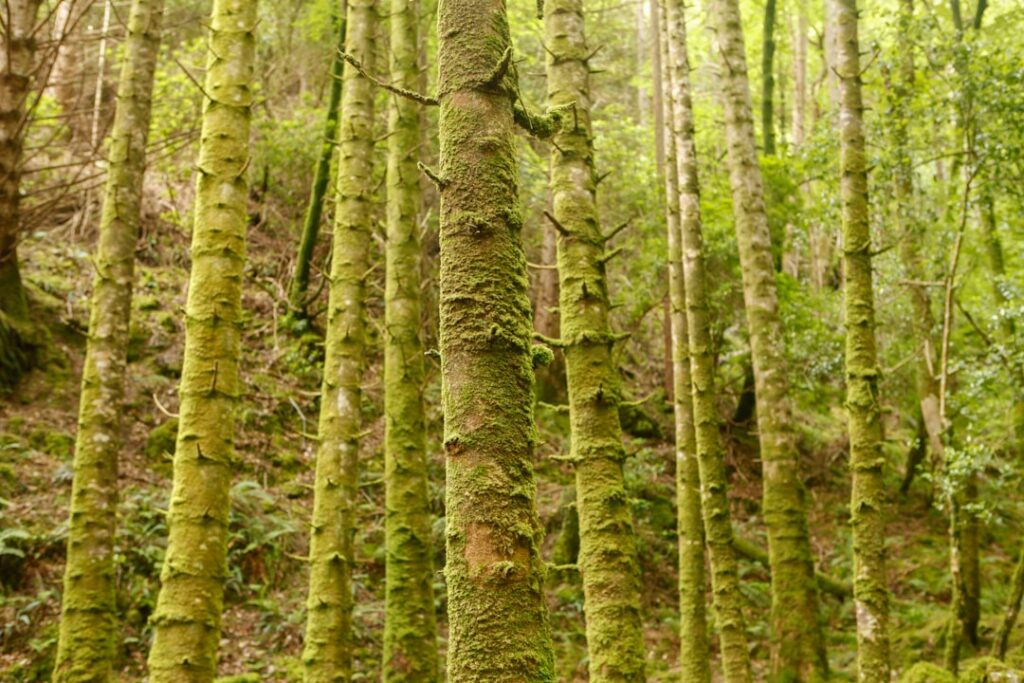
Reforestation is a critical environmental initiative that holds immense significance in the fight against climate change and biodiversity loss. As you consider the pressing issues facing our planet, it becomes clear that restoring forests is not merely an option but a necessity. Forests act as vital carbon sinks, absorbing carbon dioxide from the atmosphere and helping to mitigate the effects of global warming.
By replanting trees in deforested areas, you contribute to a healthier planet, one that can better support life in all its forms. Moreover, reforestation plays a crucial role in restoring ecosystems that have been damaged by human activity. When you engage in reforestation efforts, you are not just planting trees; you are revitalizing habitats for countless species of flora and fauna.
This restoration fosters biodiversity, which is essential for ecosystem resilience. Healthy ecosystems can better withstand environmental changes and provide essential services such as clean air and water. Thus, your involvement in reforestation can have far-reaching effects, promoting ecological balance and sustainability.
Key Takeaways
- Reforestation is crucial for restoring and maintaining ecological balance, combating climate change, and preserving biodiversity.
- Trees play a vital role in soil fertility by providing organic matter, nutrients, and improving soil structure through their root systems.
- Reforestation helps in maintaining soil structure by preventing erosion, promoting water infiltration, and reducing soil compaction.
- Deforestation leads to soil degradation, loss of nutrients, increased erosion, and decreased water retention, negatively impacting soil health.
- Successful reforestation techniques include selecting appropriate tree species, proper site preparation, and regular monitoring and maintenance to ensure long-term success.
How Trees Contribute to Soil Fertility
Trees are not just towering giants that provide shade and beauty; they are also integral to maintaining soil fertility. When you think about the life cycle of a tree, consider how its leaves, branches, and roots interact with the soil. As leaves fall and decompose, they enrich the soil with organic matter, enhancing its nutrient content.
This natural process creates a fertile environment that supports various plant species, which in turn sustains wildlife. By planting trees, you are directly contributing to this cycle of nourishment. Additionally, trees play a significant role in preventing soil erosion, which can deplete soil fertility over time.
Their extensive root systems anchor the soil in place, reducing the risk of erosion caused by wind and water. When you participate in reforestation projects, you help establish these root systems that stabilize the soil and promote its health. This stabilization is crucial for maintaining agricultural productivity and ensuring that future generations can benefit from fertile land.
The Role of Reforestation in Soil Structure

The structure of soil is vital for its health and productivity, and trees are key players in maintaining this structure. When you plant trees as part of a reforestation effort, their roots penetrate the soil, creating channels that improve aeration and water infiltration. This process enhances the soil’s ability to retain moisture, which is essential for plant growth.
As you witness the transformation of barren land into thriving forests, you can appreciate how trees contribute to creating a robust soil structure. Furthermore, the presence of trees influences the composition of soil microorganisms. Healthy tree roots exude substances that promote the growth of beneficial bacteria and fungi, which play a crucial role in nutrient cycling.
These microorganisms help break down organic matter and make nutrients available to plants. By engaging in reforestation, you are not only improving soil structure but also fostering a vibrant community of microorganisms that support overall soil health.
The Impact of Deforestation on Soil Health
Deforestation has devastating consequences for soil health that cannot be overlooked. When trees are removed from an area, the protective cover they provide is lost, leading to increased erosion and degradation of the soil. As you reflect on the impact of deforestation, consider how it disrupts the delicate balance of nutrients within the soil.
Without trees to contribute organic matter and stabilize the ground, soils become compacted and less fertile over time. Moreover, deforestation can lead to a decline in biodiversity, which further exacerbates soil health issues. The loss of plant species means fewer roots to hold the soil together and fewer organisms to contribute to nutrient cycling.
As you think about the long-term implications of deforestation, it becomes evident that restoring forests through reforestation is essential for reversing these negative trends and promoting healthier soils.
Techniques for Successful Reforestation
Successful reforestation requires careful planning and execution to ensure that newly planted trees thrive in their environment. One effective technique is selecting native species that are well-adapted to local conditions. By choosing trees that naturally occur in the area, you increase the likelihood of successful growth and establishment.
Native species often have established relationships with local wildlife and microorganisms, creating a more balanced ecosystem. Another important technique involves implementing proper planting methods. When you participate in reforestation efforts, consider factors such as spacing between trees and planting depth.
Adequate spacing allows for healthy growth without competition for resources, while proper planting depth ensures that roots can establish themselves effectively. Additionally, incorporating mulching techniques can help retain moisture and suppress weeds, giving your newly planted trees a better chance at survival.
The Relationship Between Reforestation and Erosion Control

Erosion is a significant concern in many regions around the world, particularly in areas where deforestation has occurred. Trees play a vital role in controlling erosion by stabilizing the soil with their root systems. When you engage in reforestation efforts, you are actively combating erosion by restoring this natural barrier against soil loss.
The presence of trees reduces the impact of rainfall on the soil surface, allowing water to infiltrate rather than run off. Furthermore, reforested areas can act as buffers against extreme weather events such as heavy rainfall or flooding. As you consider the broader implications of reforestation on erosion control, think about how healthy forests can protect watersheds and maintain water quality.
By preventing sediment runoff into rivers and streams, reforestation contributes to cleaner water sources for both humans and wildlife.
The Benefits of Reforestation for Agriculture
Reforestation offers numerous benefits for agriculture that extend beyond environmental restoration. When you plant trees alongside agricultural fields—a practice known as agroforestry—you create a symbiotic relationship between crops and trees. Trees provide shade that can protect crops from extreme temperatures while also improving microclimates within fields.
This can lead to increased crop yields and enhanced resilience against climate variability. Additionally, trees contribute to soil health by preventing erosion and enhancing nutrient cycling. As you engage in reforestation efforts near agricultural lands, consider how trees can improve water retention in the soil, reducing the need for irrigation.
This not only conserves water resources but also promotes sustainable farming practices that benefit both farmers and the environment.
The Future of Reforestation Efforts
Looking ahead, the future of reforestation efforts is promising yet challenging. As awareness grows about the importance of forests in combating climate change and preserving biodiversity, more individuals and organizations are stepping up to participate in reforestation initiatives. You may find opportunities to get involved through local community projects or global campaigns aimed at restoring degraded landscapes.
However, challenges remain in ensuring that reforestation efforts are sustainable and effective. It is essential to prioritize long-term planning and maintenance to ensure that newly planted trees thrive over time. As you consider your role in this movement, think about how your actions can contribute to a more sustainable future for our planet’s forests.
By advocating for responsible reforestation practices and supporting policies that protect existing forests, you can play a vital part in shaping a healthier world for generations to come.
If you are interested in learning more about the benefits of planting trees for the environment, you may want to check out the article Advantages of Planting Trees for Climate Change. This article discusses how reforestation can help combat climate change by sequestering carbon dioxide and improving air quality. It also highlights the importance of trees in providing habitat for wildlife and promoting biodiversity. For more inspiring stories and information on environmental conservation efforts, visit Live Life with a Cause.
FAQs
What is reforestation?
Reforestation is the process of planting trees in areas where forests have been depleted or destroyed, with the goal of restoring the ecological balance and increasing forest cover.
How does reforestation enhance soil fertility?
Reforestation enhances soil fertility by increasing the organic matter content in the soil through the decomposition of leaves, branches, and roots of trees. This organic matter provides nutrients and improves the soil structure, making it more conducive to plant growth.
How does reforestation enhance soil structure?
Reforestation enhances soil structure by promoting the development of a diverse and interconnected root system, which helps to bind the soil particles together and prevent erosion. The roots also create channels for water and air to penetrate the soil, improving its overall structure.
What are the benefits of reforestation for soil fertility and structure?
Reforestation helps to improve soil fertility and structure, leading to increased water retention, reduced erosion, and better nutrient cycling. This, in turn, supports the growth of diverse plant and animal species, and contributes to overall ecosystem health.