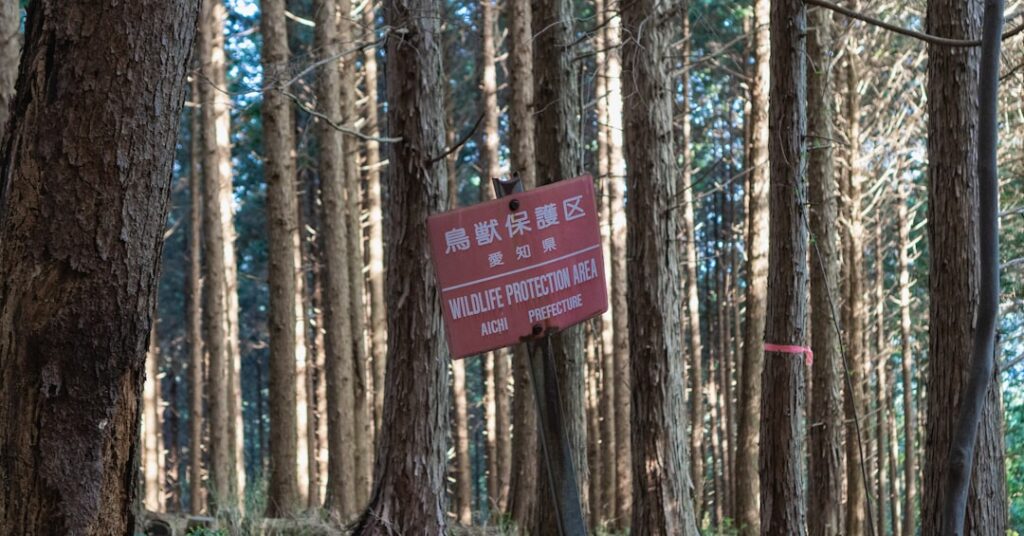
Reforestation is a powerful tool in the fight against environmental degradation, and its impact on wildlife is profound. As you delve into the world of reforestation, you will discover how restoring forests not only revitalizes ecosystems but also provides a sanctuary for countless animal species. The act of planting trees and restoring natural habitats can lead to a resurgence of biodiversity, creating a thriving environment where wildlife can flourish.
This process is not merely about planting trees; it is about re-establishing the intricate web of life that depends on these ecosystems. When you consider the relationship between reforestation and wildlife, it becomes clear that healthy forests are essential for the survival of many species. Forests serve as critical habitats, offering food, shelter, and breeding grounds for a myriad of animals.
As you explore this topic further, you will uncover the interconnectedness of flora and fauna, and how the restoration of one can lead to the revival of the other. The journey of reforestation is not just an environmental endeavor; it is a commitment to preserving the delicate balance of nature that sustains life on Earth.
Key Takeaways
- Reforestation plays a crucial role in providing habitat for wildlife and promoting biodiversity conservation.
- Successful reforestation efforts have led to the recovery of animal populations in previously degraded areas.
- Key factors contributing to the thriving of wildlife in reforested areas include increased habitat availability and improved ecological connectivity.
- Reforestation plays a vital role in biodiversity conservation by providing essential habitat for a wide range of plant and animal species.
- Despite the benefits, wildlife in reforested areas still face challenges and threats such as habitat fragmentation and human-wildlife conflict.
Success Stories of Animal Populations in Reforested Areas
As you examine the success stories emerging from reforested areas, you will find numerous examples of animal populations rebounding thanks to these efforts. One notable case is that of the red-cockaded woodpecker in the southeastern United States. Once on the brink of extinction due to habitat loss, targeted reforestation initiatives have led to the restoration of longleaf pine forests, which are essential for this species’ survival.
As these forests have been replanted and nurtured, you can see how the woodpecker population has increased, demonstrating the direct correlation between habitat restoration and wildlife recovery. Another inspiring example is found in Costa Rica, where extensive reforestation projects have transformed degraded lands into lush rainforests. Here, you can witness the resurgence of various species, including the jaguar and the howler monkey.
These animals rely on dense forest cover for their survival, and as trees have been replanted, their populations have begun to thrive once more. The success stories from these regions highlight not only the resilience of wildlife but also the effectiveness of reforestation as a strategy for conservation.
Key Factors Contributing to the Thriving of Wildlife in Reforested Areas
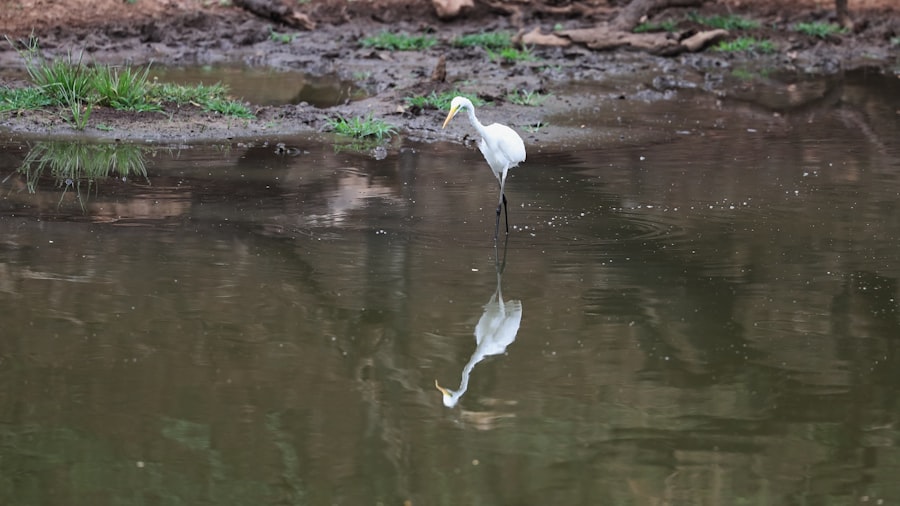
Several key factors contribute to the thriving of wildlife in reforested areas, and understanding these elements can enhance your appreciation for the complexity of ecosystem restoration. First and foremost, habitat connectivity plays a crucial role. When you think about wildlife movement, it becomes evident that fragmented landscapes can hinder animal migration and dispersal.
Reforestation efforts that prioritize creating corridors between patches of forest allow animals to move freely, access resources, and maintain genetic diversity. Another significant factor is the diversity of tree species planted during reforestation efforts. You may find it fascinating that a diverse array of trees can support a wider range of wildlife.
Different species provide various food sources and habitats, catering to the needs of different animals. For instance, some birds may prefer fruit-bearing trees, while others may rely on insects found in specific types of bark. By promoting biodiversity in reforested areas, you can see how these ecosystems become more resilient and capable of supporting diverse animal populations.
The Role of Reforestation in Biodiversity Conservation
Reforestation plays a pivotal role in biodiversity conservation, acting as a safeguard for countless species facing extinction due to habitat loss and climate change. As you explore this topic further, you will recognize that forests are home to over 80% of terrestrial biodiversity. By restoring these vital ecosystems, you are not only providing a refuge for endangered species but also ensuring that entire ecological communities can thrive.
Moreover, reforestation contributes to ecosystem services that benefit both wildlife and humans alike. Healthy forests regulate water cycles, improve air quality, and sequester carbon dioxide, all of which are essential for maintaining ecological balance. When you engage in reforestation efforts, you are participating in a larger movement that seeks to protect biodiversity while simultaneously addressing pressing environmental issues such as climate change and soil degradation.
Challenges and Threats to Wildlife in Reforested Areas
Despite the numerous benefits associated with reforestation, challenges and threats persist that can undermine wildlife recovery efforts. One significant issue is invasive species, which can outcompete native flora and fauna for resources. As you consider this challenge, it becomes clear that careful planning and management are essential when selecting tree species for reforestation projects.
If non-native plants are introduced into an area, they may disrupt local ecosystems and hinder the growth of native species that wildlife depend on. Additionally, human activities such as logging, agriculture, and urban development continue to pose threats to reforested areas. As you reflect on this reality, it is important to recognize that sustainable land-use practices must be integrated into reforestation efforts.
Without addressing these external pressures, even well-intentioned restoration projects may struggle to achieve long-term success in supporting wildlife populations.
Case Studies of Species that Have Benefited from Reforestation Efforts
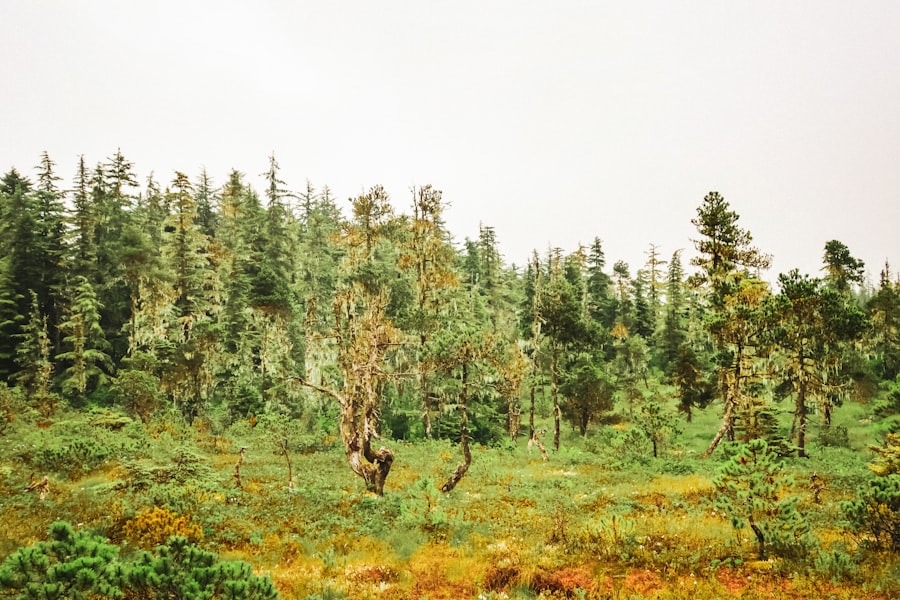
Examining specific case studies can provide valuable insights into how reforestation has positively impacted various species. One compelling example is the case of the golden lion tamarin in Brazil. Once critically endangered due to deforestation and habitat fragmentation, concerted reforestation efforts have led to the establishment of protected areas where these primates can thrive.
By restoring their natural habitat, conservationists have witnessed a remarkable increase in their population numbers. Another noteworthy case is that of the European bison in Poland’s Białowieża Forest. After facing near extinction in the early 20th century due to hunting and habitat loss, reforestation initiatives have played a crucial role in their recovery.
By restoring forested areas and creating protected zones, conservationists have successfully increased their numbers from just a few dozen individuals to over 1,800 today. These case studies illustrate not only the potential for recovery through reforestation but also the importance of ongoing conservation efforts.
The Importance of Reforestation for Endangered Species Recovery
Reforestation is particularly vital for the recovery of endangered species that rely on specific habitats for survival. As you consider this aspect, think about how many species are teetering on the brink due to habitat destruction. For these animals, reforestation offers a lifeline by providing them with safe spaces to live and reproduce.
The act of planting trees can create new habitats or restore degraded ones, allowing endangered species to reclaim their rightful place in the ecosystem. Furthermore, reforestation can enhance genetic diversity among endangered populations by connecting isolated groups through habitat corridors. This connectivity is crucial for maintaining healthy populations capable of adapting to changing environmental conditions.
As you reflect on this interconnectedness, it becomes evident that reforestation is not just about planting trees; it is about fostering resilience within vulnerable species and ensuring their long-term survival.
Future Prospects for Wildlife in Reforested Areas
Looking ahead, the future prospects for wildlife in reforested areas are promising yet require continued commitment and innovation. As you consider advancements in technology and conservation strategies, it becomes clear that integrating science with traditional ecological knowledge can enhance reforestation efforts. For instance, using drones for seed dispersal or employing genetic techniques to ensure plant diversity can significantly improve restoration outcomes.
Moreover, community involvement plays a crucial role in shaping successful reforestation initiatives. Engaging local communities in conservation efforts fosters a sense of stewardship and responsibility toward natural resources. As you envision a future where people actively participate in restoring their environments, it becomes apparent that collaboration between scientists, policymakers, and local communities will be essential for ensuring thriving wildlife populations in reforested areas.
In conclusion, as you explore the multifaceted relationship between reforestation and wildlife conservation, you will come to appreciate the profound impact that restoring forests can have on animal populations and biodiversity as a whole. Through success stories, case studies, and an understanding of key factors influencing wildlife recovery, it becomes evident that reforestation is not merely an environmental initiative; it is a vital strategy for preserving life on Earth for generations to come.
In a related article on livelifewithacause.org, the importance of healthy forests as biodiversity reservoirs is discussed. Just like in “The Return of the Wild: Animals That Thrive in Reforested Areas,” this article highlights how reforestation efforts can create habitats for a variety of plant and animal species, ultimately contributing to the overall health of our planet. By understanding the interconnectedness of forests and wildlife, we can work towards a more sustainable future for all living beings.
FAQs
What are reforested areas?
Reforested areas are areas that have been replanted with trees after deforestation or other forms of forest degradation. These areas are important for restoring biodiversity and ecosystem services.
What animals thrive in reforested areas?
Many animals thrive in reforested areas, including species such as the red-cockaded woodpecker, the black bear, the gray wolf, and the pine marten. These animals benefit from the return of forest habitat and the increased availability of food and shelter.
How do reforested areas benefit wildlife?
Reforested areas provide essential habitat for a wide range of wildlife species. They offer food, shelter, and breeding sites for animals, and help to support biodiversity and ecosystem health.
Why is the return of wildlife to reforested areas important?
The return of wildlife to reforested areas is important for restoring ecological balance and supporting healthy ecosystems. It also provides opportunities for ecotourism and can have positive impacts on local economies.
What are some challenges facing wildlife in reforested areas?
Challenges facing wildlife in reforested areas include habitat fragmentation, competition with invasive species, and potential conflicts with human activities such as logging and development. Conservation efforts are needed to address these challenges and support the long-term success of reforestation initiatives.