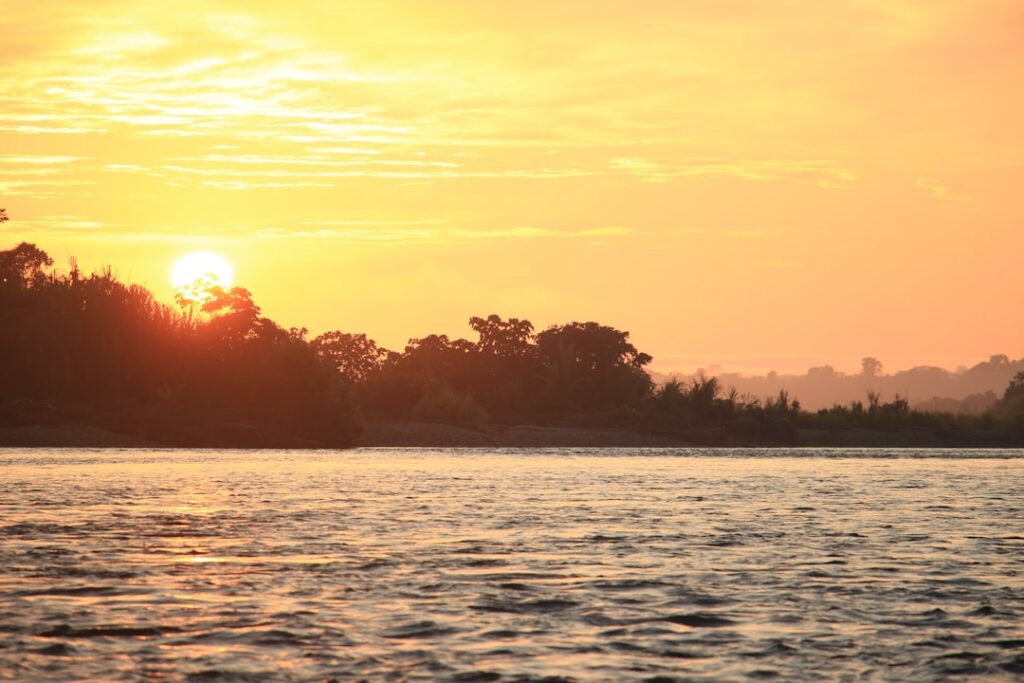
As you look around, it becomes increasingly clear that the health of our planet is in jeopardy. The Amazon Rainforest, often referred to as the “lungs of the Earth,” plays a crucial role in maintaining the balance of our ecosystem. This vast expanse of greenery not only produces a significant portion of the world’s oxygen but also acts as a carbon sink, absorbing carbon dioxide and helping to mitigate climate change.
However, the state of these vital lungs is deteriorating at an alarming rate. The ongoing threats from deforestation, climate change, and industrialization are putting immense pressure on this irreplaceable resource. You may wonder how the degradation of the Amazon affects you personally.
The truth is that the health of the Amazon is intricately linked to global weather patterns, biodiversity, and even food security. As the rainforest continues to shrink, its ability to regulate climate diminishes, leading to more extreme weather events and disruptions in agricultural productivity worldwide. The loss of biodiversity within this ecosystem also poses a threat to human health, as many medicines and treatments are derived from the unique flora and fauna found in the Amazon.
Thus, understanding the state of the planet’s lungs is not just an environmental concern; it is a matter that impacts every individual on Earth.
Key Takeaways
- The Amazon Rainforest is often referred to as the “lungs of the planet” due to its crucial role in producing oxygen and regulating the Earth’s climate.
- Deforestation in the Amazon Rainforest has a significant impact on the environment, leading to loss of biodiversity, increased greenhouse gas emissions, and disruption of global weather patterns.
- Solutions for saving the Amazon Rainforest include sustainable land use practices, reforestation efforts, and support for indigenous communities who are the guardians of the forest.
- Indigenous communities play a vital role in protecting the Amazon Rainforest through their traditional knowledge and sustainable land management practices.
- International efforts to combat deforestation in the Amazon include financial incentives for conservation, partnerships with local communities, and enforcement of laws against illegal logging and land clearing.
The Importance of the Amazon Rainforest
The Amazon Rainforest is not merely a collection of trees; it is a complex and vibrant ecosystem that supports an astonishing array of life. Home to approximately 10% of all known species on Earth, the Amazon is a treasure trove of biodiversity. From majestic jaguars to colorful macaws and countless plant species, this rainforest is a living laboratory that offers insights into evolution, ecology, and even potential medical breakthroughs.
As you delve deeper into its significance, you will find that the Amazon’s importance extends beyond its biological wealth. Moreover, the Amazon plays a pivotal role in regulating the global climate. It acts as a massive carbon sink, absorbing vast amounts of carbon dioxide from the atmosphere.
This process helps to mitigate climate change by reducing greenhouse gas concentrations. Additionally, the rainforest influences rainfall patterns not just in South America but across the globe. The moisture released through transpiration contributes to cloud formation and precipitation in distant regions.
Therefore, protecting the Amazon is essential for maintaining not only local ecosystems but also global climatic stability.
Deforestation and its Impact on the Environment
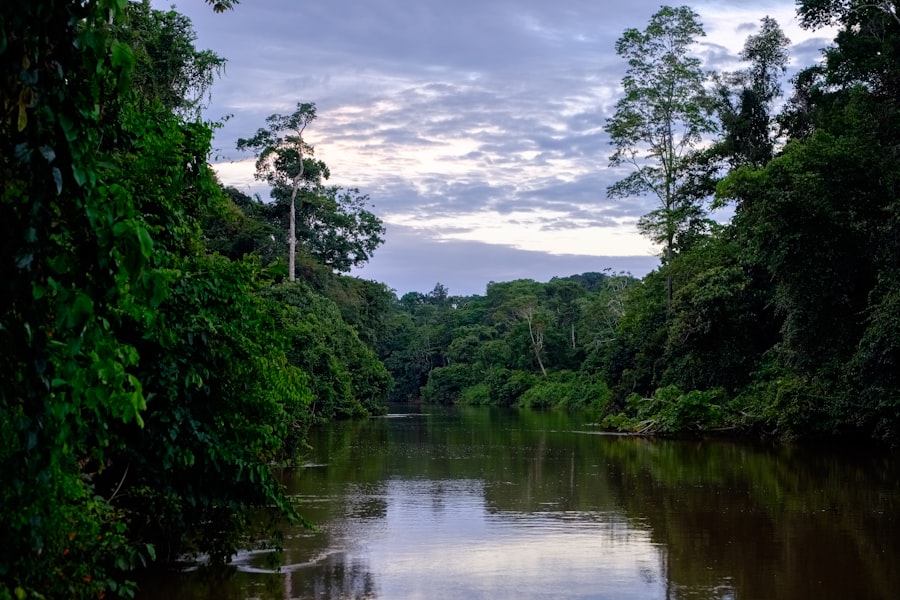
Deforestation in the Amazon has reached alarming levels, driven primarily by agriculture, logging, and infrastructure development. As you consider the implications of this widespread destruction, it becomes evident that the consequences are far-reaching. When trees are cut down, not only is carbon dioxide released back into the atmosphere, but entire ecosystems are disrupted.
The loss of habitat leads to a decline in biodiversity, threatening countless species with extinction. This loss is not just an environmental tragedy; it also undermines the resilience of ecosystems that provide essential services to humanity. The impact of deforestation extends beyond biodiversity loss; it also affects local communities and global weather patterns.
Indigenous peoples who have lived in harmony with the forest for generations find their livelihoods threatened as their homes are destroyed. Additionally, deforestation contributes to soil erosion and degradation, which can lead to reduced agricultural productivity in surrounding areas. As you reflect on these issues, it becomes clear that deforestation is not merely an environmental concern; it is a social and economic crisis that demands urgent attention.
Solutions for Saving the Lungs of the Planet
Addressing the crisis facing the Amazon requires a multifaceted approach that combines conservation efforts with sustainable development practices. One promising solution lies in promoting sustainable agriculture that minimizes environmental impact while still meeting food production needs. By adopting agroforestry techniques and organic farming practices, farmers can cultivate crops without resorting to deforestation.
You can support these initiatives by choosing products that are certified as sustainable or organic, thereby encouraging responsible land use. Another critical solution involves strengthening legal protections for the Amazon and enforcing existing laws against illegal logging and land grabbing. Governments must prioritize conservation efforts and work collaboratively with local communities to develop land-use plans that balance economic development with environmental preservation.
You can play a role in advocating for these policies by raising awareness about the importance of protecting the Amazon and supporting organizations dedicated to conservation efforts.
The Role of Indigenous Communities in Protecting the Amazon
Indigenous communities have been stewards of the Amazon for centuries, possessing invaluable knowledge about its ecosystems and sustainable practices. As you explore their role in protecting this vital resource, you will discover that their traditional ways of life are deeply intertwined with the health of the rainforest. These communities understand the delicate balance of nature and have developed practices that promote biodiversity and ecosystem resilience.
Empowering indigenous peoples is essential for effective conservation efforts. When given legal recognition and support, these communities can manage their lands sustainably while preserving their cultural heritage. You can contribute to this empowerment by supporting initiatives that advocate for indigenous rights and land tenure security.
By amplifying their voices and respecting their knowledge, you help ensure that those who have lived in harmony with the forest for generations continue to play a crucial role in its protection.
International Efforts to Combat Deforestation
The fight against deforestation in the Amazon has garnered international attention, leading to various initiatives aimed at preserving this critical ecosystem. Organizations such as Greenpeace and WWF have launched campaigns to raise awareness about deforestation’s impact on climate change and biodiversity loss. Additionally, international agreements like the Paris Agreement emphasize the need for countries to commit to reducing emissions and protecting forests.
You may be surprised to learn that some countries have made significant strides in reducing deforestation rates through innovative policies and partnerships. For instance, Brazil implemented a successful monitoring system that tracks deforestation in real-time, allowing for swift action against illegal activities. By supporting these international efforts and holding governments accountable for their commitments, you can contribute to a global movement aimed at safeguarding the Amazon for future generations.
The Future of the Amazon Rainforest
The future of the Amazon Rainforest hangs in a delicate balance between conservation efforts and ongoing threats from human activity. As you contemplate what lies ahead, it becomes clear that proactive measures are essential for ensuring its survival. The potential for restoration exists; reforestation initiatives can help revive degraded areas while promoting biodiversity and carbon sequestration.
However, achieving a sustainable future for the Amazon requires collective action from individuals, governments, and organizations worldwide. You can be part of this movement by staying informed about environmental issues and advocating for policies that prioritize conservation over exploitation. By fostering a sense of global responsibility towards this vital ecosystem, you contribute to a brighter future for both the Amazon and our planet as a whole.
How Individuals Can Help Protect the Lungs of the Planet
While large-scale initiatives are crucial for protecting the Amazon Rainforest, individual actions also play a significant role in this fight. You can start by making conscious choices in your daily life that support sustainability. For instance, reducing your consumption of products linked to deforestation—such as beef or palm oil—can help decrease demand for land conversion in sensitive areas like the Amazon.
Additionally, consider supporting organizations dedicated to rainforest conservation through donations or volunteer work. Your contributions can help fund reforestation projects or support indigenous communities working to protect their lands. By spreading awareness among your friends and family about the importance of preserving the Amazon, you can inspire others to take action as well.
In conclusion, protecting the lungs of our planet is not just an environmental issue; it is a collective responsibility that requires your engagement and commitment. By understanding the significance of the Amazon Rainforest and taking steps to support its preservation, you contribute to a healthier planet for generations to come.
In a related article titled