
When you think about climate change, the term “carbon negative” might not immediately come to mind. However, it is a crucial concept in the fight against global warming. Being carbon negative means that an entity—be it a company, country, or individual—removes more carbon dioxide from the atmosphere than it emits.
This is a significant step beyond simply being carbon neutral, where emissions are balanced out by reductions elsewhere. By adopting carbon negative practices, you can actively contribute to reducing the overall concentration of greenhouse gases in the atmosphere, which is essential for mitigating climate change. To achieve a carbon negative status, you must engage in various strategies that not only reduce your carbon footprint but also enhance carbon sequestration.
This can involve investing in renewable energy sources, improving energy efficiency, and implementing sustainable agricultural practices. The ultimate goal is to create a net positive impact on the environment, ensuring that your actions lead to a decrease in atmospheric carbon levels. Understanding this concept is the first step toward making informed decisions that can help combat climate change on both a personal and societal level.
Key Takeaways
- Carbon negative refers to activities that remove more carbon dioxide from the atmosphere than they emit, helping to combat climate change.
- Deforestation contributes to increased carbon levels in the atmosphere as trees, which absorb carbon dioxide, are removed.
- Reforestation involves planting trees to replace those that have been cut down, helping to restore carbon levels and mitigate climate change.
- Reforestation works by planting a variety of tree species in deforested areas, allowing them to absorb carbon dioxide through photosynthesis.
- Trees play a crucial role in carbon sequestration, as they absorb carbon dioxide and store it in their biomass, roots, and soil.
- Carbon negative practices offer benefits such as improved air and water quality, biodiversity conservation, and sustainable economic opportunities.
- However, reforestation faces challenges such as land availability, funding, and long-term maintenance, which can limit its effectiveness.
- The future of carbon negative initiatives relies on continued research, innovation, and collaboration to overcome challenges and scale up reforestation efforts.
The Impact of Deforestation on Carbon Levels
Deforestation is one of the most pressing environmental issues of our time, and its impact on carbon levels cannot be overstated. When trees are cut down or burned, the carbon stored in their biomass is released back into the atmosphere as carbon dioxide. This process not only contributes to increased greenhouse gas concentrations but also diminishes the planet’s capacity to absorb carbon.
As you consider the implications of deforestation, it’s essential to recognize that it plays a significant role in accelerating climate change. Moreover, deforestation disrupts entire ecosystems and biodiversity, leading to further environmental degradation. When forests are cleared for agriculture, urban development, or logging, you are not just losing trees; you are also losing habitats for countless species.
This loss of biodiversity can have cascading effects on ecosystems, making them less resilient to climate change and other environmental stresses. Understanding the relationship between deforestation and carbon levels is vital for anyone looking to make a positive impact on the environment.
Reforestation as a Solution
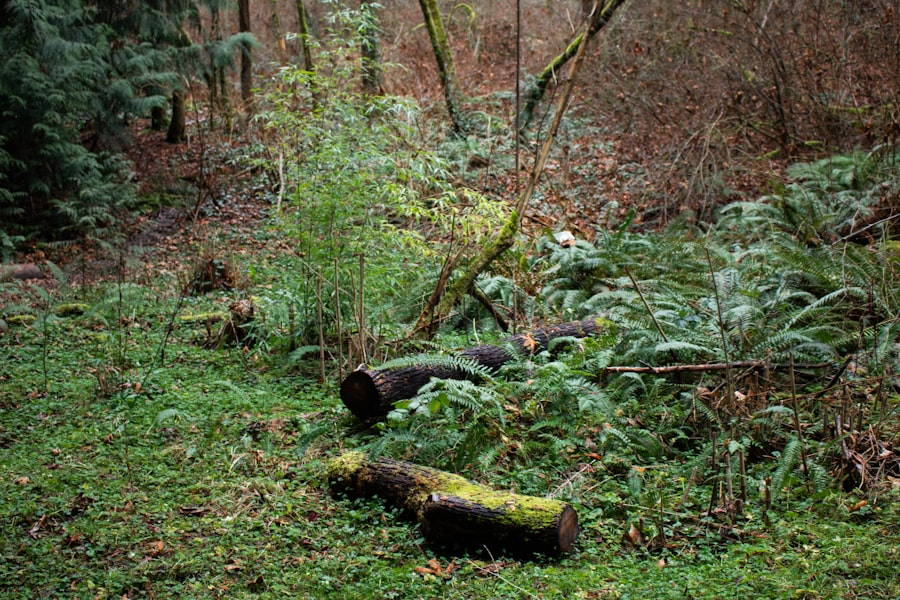
Reforestation emerges as a powerful solution to combat the adverse effects of deforestation and climate change. By planting trees in areas where forests have been depleted, you can help restore ecosystems and enhance carbon sequestration. This process not only contributes to lowering atmospheric carbon levels but also provides numerous ecological benefits, such as improved soil quality and increased biodiversity.
As you explore reforestation efforts, you’ll find that they can be implemented on various scales—from local community projects to large-scale national initiatives. Engaging in reforestation can also foster a sense of community and shared responsibility for the environment. When you participate in tree-planting activities or support organizations dedicated to reforestation, you become part of a collective effort to heal the planet.
This sense of purpose can be incredibly rewarding, as you witness firsthand the positive changes that come from your actions. Reforestation is not just about planting trees; it’s about nurturing a sustainable future for generations to come.
How Reforestation Works
Reforestation works through a series of well-defined steps aimed at restoring forested areas and enhancing their ecological functions. The first step typically involves assessing the land to determine its suitability for reforestation. This includes evaluating soil quality, local climate conditions, and existing vegetation.
Once you have a clear understanding of the area, you can select appropriate tree species that will thrive in that environment. This selection process is crucial because native species often provide better habitat for local wildlife and are more resilient to pests and diseases. After selecting the right species, the next step is planting the trees.
This can be done manually or through innovative methods such as aerial seeding. Regardless of the method used, it’s essential to ensure that the young trees receive adequate care during their early growth stages. This may involve regular watering, protection from herbivores, and monitoring for diseases.
As these trees mature, they will begin to sequester carbon dioxide from the atmosphere, contributing to your goal of achieving a carbon negative status.
The Role of Trees in Carbon Sequestration
Trees play an indispensable role in carbon sequestration, acting as natural carbon sinks that absorb CO2 from the atmosphere during photosynthesis. As you delve deeper into this process, you’ll discover that trees store carbon in their trunks, branches, leaves, and roots. The larger and older a tree becomes, the more carbon it can sequester over its lifetime.
This makes preserving existing forests just as important as reforestation efforts; mature trees are invaluable assets in the fight against climate change. In addition to their direct role in carbon sequestration, trees also contribute to broader ecological functions that support climate stability. They help regulate local temperatures, maintain soil health, and promote water retention in ecosystems.
By understanding how trees function within their environments, you can appreciate their multifaceted contributions to both biodiversity and climate resilience. Supporting initiatives that protect and restore forests is not just an environmental obligation; it’s an investment in a sustainable future.
Benefits of Carbon Negative Practices

Adopting carbon negative practices offers a multitude of benefits that extend beyond simply reducing atmospheric CO2 levels. For one, these practices can lead to improved air quality and public health outcomes. By decreasing reliance on fossil fuels and promoting renewable energy sources, you contribute to cleaner air and reduced respiratory illnesses associated with pollution.
Furthermore, engaging in sustainable practices often leads to economic opportunities through green jobs in sectors like renewable energy and sustainable agriculture. Additionally, being part of carbon negative initiatives fosters a sense of community and shared purpose among individuals and organizations alike. When you participate in reforestation projects or support sustainable practices within your community, you help create a culture of environmental stewardship.
This collective effort can inspire others to take action as well, amplifying your impact on climate change mitigation. Ultimately, embracing carbon negative practices not only benefits the planet but also enhances your quality of life and strengthens community bonds.
Challenges and Limitations of Reforestation
While reforestation presents a promising solution to combat climate change, it is not without its challenges and limitations. One significant hurdle is securing funding and resources for large-scale reforestation projects. Many initiatives rely on donations or government support, which can be inconsistent or insufficient over time.
As you consider getting involved in reforestation efforts, it’s essential to recognize that financial sustainability is crucial for long-term success. Another challenge lies in ensuring biodiversity within reforested areas. Planting monocultures—large areas dominated by a single tree species—can lead to ecological imbalances and make forests more susceptible to pests and diseases.
To address this issue, it’s vital to prioritize planting diverse species that are native to the region. This approach not only enhances ecosystem resilience but also supports local wildlife populations. Understanding these challenges will equip you with the knowledge needed to advocate for effective reforestation strategies.
The Future of Carbon Negative Initiatives
As we look toward the future of carbon negative initiatives, it becomes increasingly clear that collective action will be essential for meaningful progress. Governments, businesses, and individuals must work together to implement policies and practices that prioritize sustainability and environmental restoration. You have a role to play in this movement by advocating for policies that support renewable energy development, sustainable land use practices, and reforestation efforts.
Technological advancements will also play a crucial role in shaping the future of carbon negative initiatives. Innovations such as carbon capture and storage (CCS) technologies hold promise for reducing emissions from industrial processes while enhancing overall carbon sequestration efforts. As these technologies evolve, they may provide additional tools for achieving carbon negative status on both individual and organizational levels.
In conclusion, understanding carbon negative practices is vital for anyone looking to make a positive impact on climate change. By recognizing the importance of reforestation and the role trees play in carbon sequestration, you can contribute to a more sustainable future while enjoying the myriad benefits that come from engaging with nature and your community. The journey toward becoming carbon negative may be challenging, but with determination and collaboration, it is an achievable goal that can lead to lasting change for our planet.
If you are interested in learning more about the potential drawbacks of increased tree planting for climate change, check out the article Disadvantages of Planting Trees for Climate Change. This article explores the potential unbalancing of the world’s ecosystems that could occur with a large-scale tree planting initiative. It’s important to consider all perspectives when discussing reforestation efforts and their impact on the environment.
FAQs
What is reforestation?
Reforestation is the process of planting trees in areas where forests have been depleted or destroyed. It is done to restore the ecological balance, combat climate change, and provide habitats for wildlife.
How does reforestation help in turning back the climate clock?
Reforestation helps in turning back the climate clock by absorbing carbon dioxide from the atmosphere through the process of photosynthesis. Trees store carbon in their biomass and in the soil, thus reducing the amount of carbon dioxide in the atmosphere.
What is carbon negative?
Carbon negative refers to a situation where an activity removes more carbon dioxide from the atmosphere than it emits. Reforestation is considered carbon negative because trees absorb and store more carbon dioxide than they release.
How does reforestation contribute to carbon negativity?
Reforestation contributes to carbon negativity by sequestering carbon dioxide from the atmosphere. As trees grow, they absorb carbon dioxide during photosynthesis and store it in their biomass and in the soil, effectively reducing the overall carbon dioxide levels in the atmosphere.
What are some examples of successful reforestation projects?
Some successful reforestation projects include the Great Green Wall in Africa, the Bonn Challenge, and the Atlantic Forest Restoration Pact in Brazil. These projects have demonstrated the potential of reforestation in combating climate change and restoring ecosystems.
What are the challenges of reforestation as a carbon negative solution?
Challenges of reforestation as a carbon negative solution include the need for long-term monitoring and maintenance of reforested areas, ensuring the survival and growth of planted trees, and addressing potential conflicts with local communities and land use. Additionally, the choice of tree species and the location of reforestation projects can impact their effectiveness in sequestering carbon.